
Author: Rachel Baxter

-

Deep Blue from DoTerra: A Comprehensive Guide
DoTerra’s Deep Blue is a powerful blend of essential oils that can help to soothe and relax sore muscles, reduce inflammation, and provide relief from joint pain.
-

Unlock Your Potential: Developing a Growth Mindset
Are you ready to take your life to the next level? Do you want to reach new heights of success, no matter what obstacles stand in your way?
-

Can Meditation Cure Anxiety?
Have you ever wondered if meditation can be used to treat anxiety? While many have found relief, it is still unclear whether this practice can truly cure the condition.
-

Can Meditation be a Hobby?
Have you ever considered taking up meditation as a hobby? It may seem like an unlikely choice, but there are many benefits to making it part of your regular routine.
-
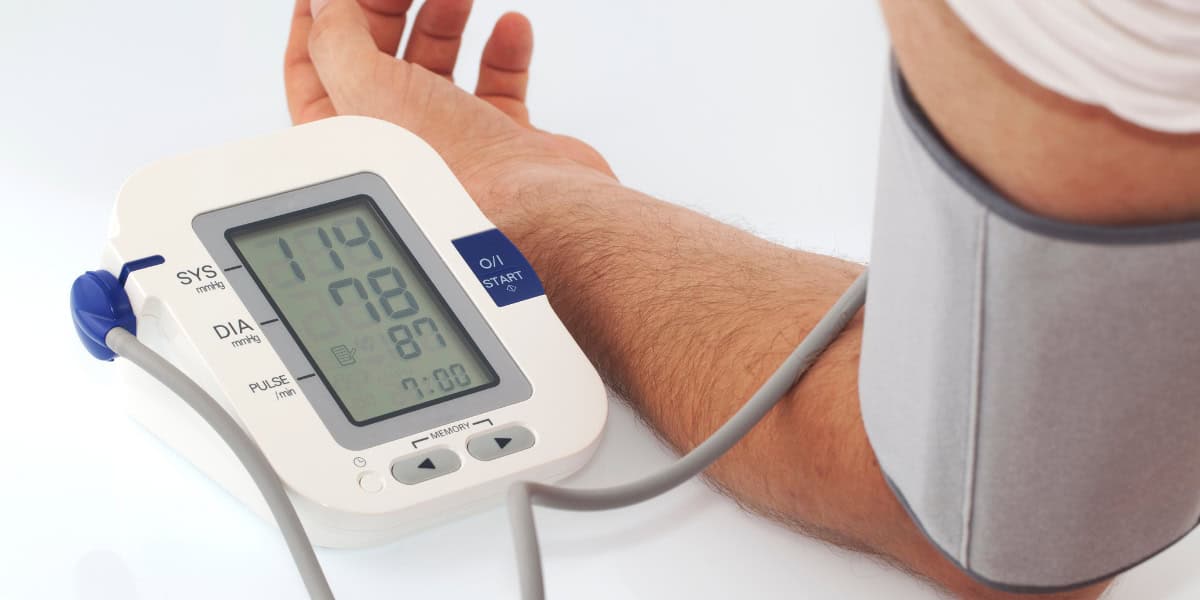
Can Meditation Reduce Blood Pressure?
With the increasing prevalence of hypertension, many people are looking for natural ways to manage their condition. Could meditation be a viable option?
-

Can Meditation Increase Brain Power?
Let’s explore how meditation can improve brain power. Discover how meditation unlocks the power of your mind and if it can really increase mental clarity and creativity.
-

Can Meditation Replace Sleep?
Are you feeling exhausted? Do you feel like you don’t have enough time to get a good night’s sleep? If so, then you may be wondering if meditation can replace sleep.
-

Can Meditation Make You Smarter?
Studies have shown that regular meditation can improve cognitive functions as well as have a positive effect on physical health, but can it make you smarter?
-

Can Meditation Improve Memory?
Meditation is an ancient practice used to help achieve a sense of inner peace and clarity. Did you know that it can also have a positive effect on your memory?
-

Can Meditation Increase Height?
Meditation is known to have a positive effect on physical health. Can it help increase your height? We explore how meditation can potentially improve your posture.