Author: Rachel Baxter

-

Creating a Calm and Serene Home: Tranquil Environment Ideas
Imagine stepping into your home after a long day, greeted not by chaos but by a sense of calm and tranquility. The atmosphere envelops you like a warm embrace, inviting you to unwind and recharge. Creating a tranquil home is not merely about aesthetics; it’s about cultivating an environment that nurtures your well-being and promotes…
-
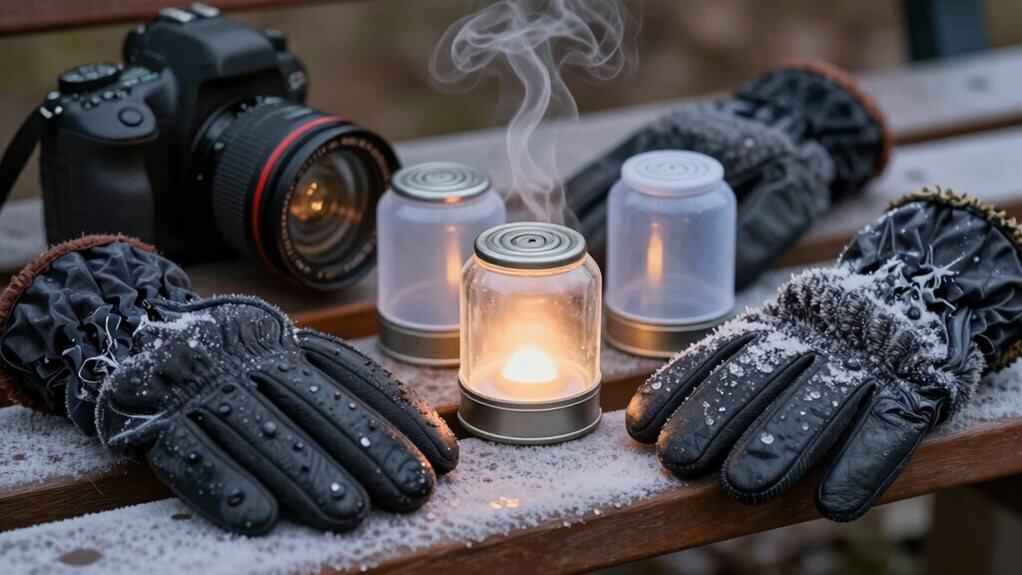
The Best Hand Warmers for Cold Hands
Practical picks that heat fast and last long—discover which hand warmer truly suits your cold hands, but you’ll want to read on to decide.
-
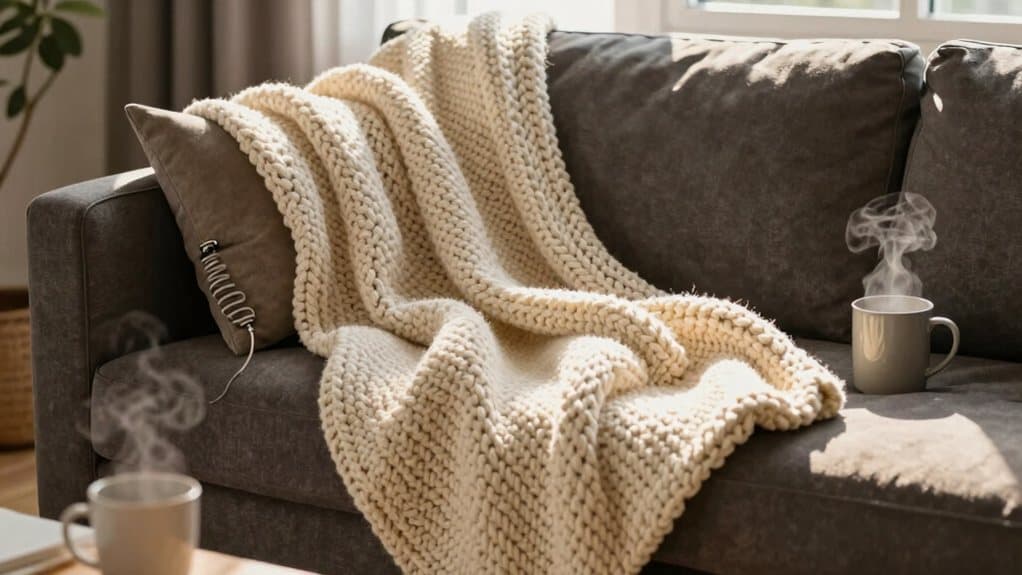
The Best Heated Blankets for Cozy Warmth All Winter
Ultimate comfort meets smart safety in The Best Heated Blankets for Cozy Warmth All Winter, and the detail that follows could change your whole setup.
-
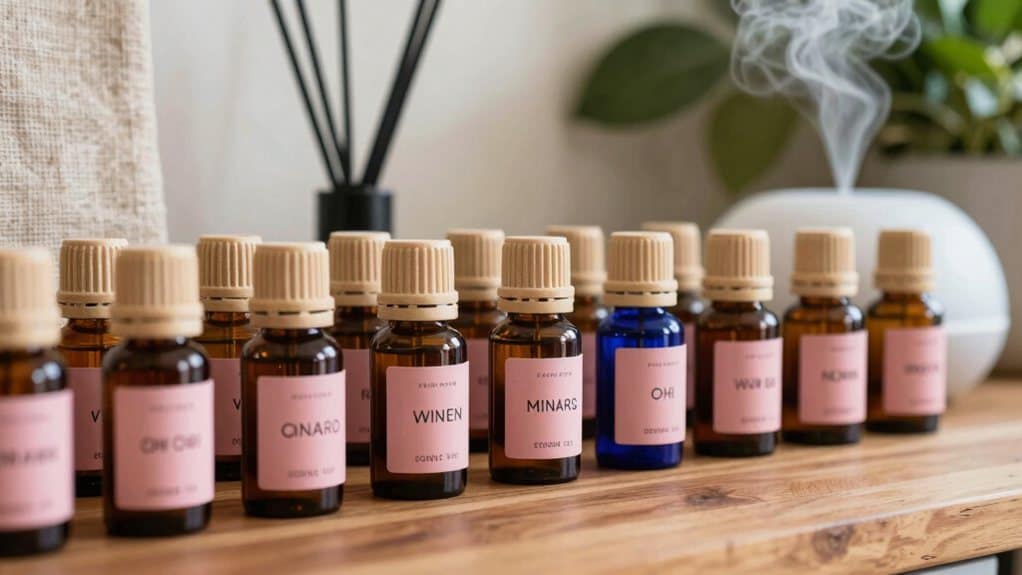
The Best Essential Oil Sets Fragrance Fans Swear By
Curious fragrance fans swear by these best essential oil sets, but which blend fits your routine keeps you reading.
-
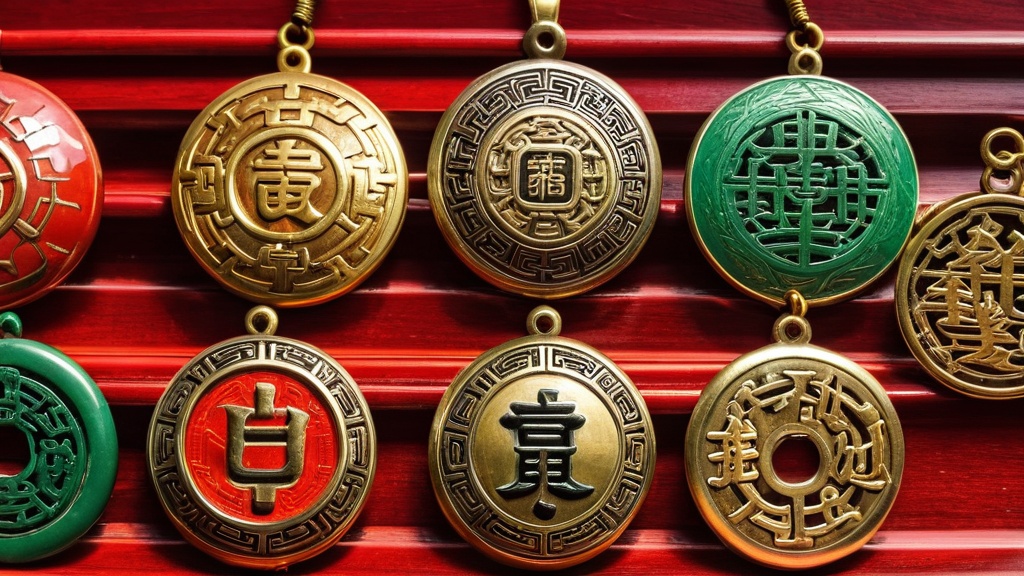
Unlocking Good Luck: Harnessing the Power of Chinese Charms
The history of Chinese charms is a rich tapestry woven through centuries of cultural evolution, belief systems, and artistic expression. Originating in ancient China, these charms were initially crafted for practical purposes, such as protection against evil spirits and misfortune. You might find it fascinating that the earliest charms date back to the Shang Dynasty…
-

Ultimate Relaxation: Creating a Serene Home Environment
Creating a serene home environment is essential for your overall well-being. Your home is not just a physical space; it is a sanctuary where you retreat from the chaos of the outside world. A peaceful atmosphere can significantly impact your mental health, reducing stress and anxiety while promoting relaxation and clarity. When you step into…
-
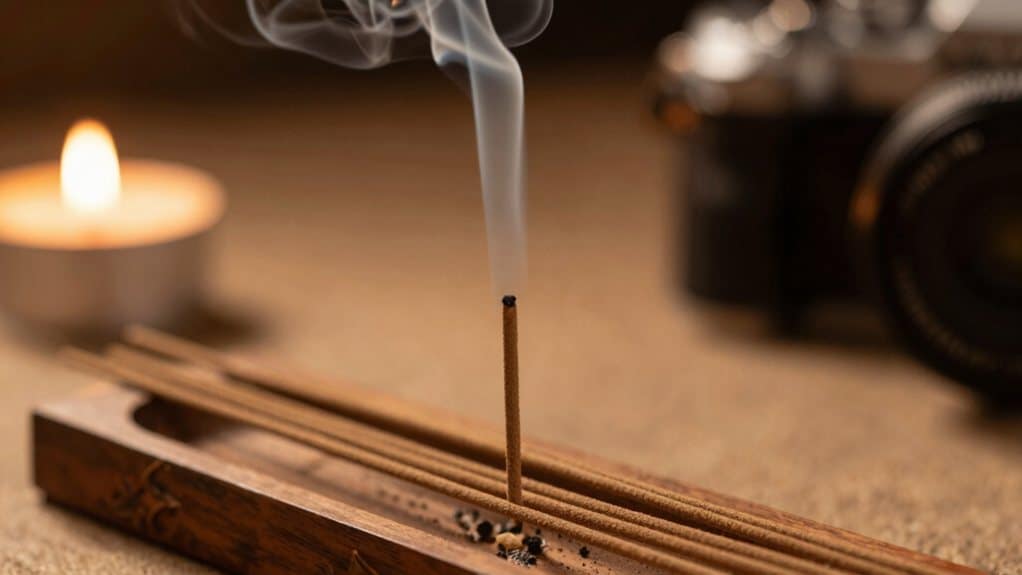
Incense Sticks That Fill Your Space With Calm and Fragrance
Delve into incense sticks that fill your space with calm and fragrance, and discover which scent—and burn time—will captivate you next.
-
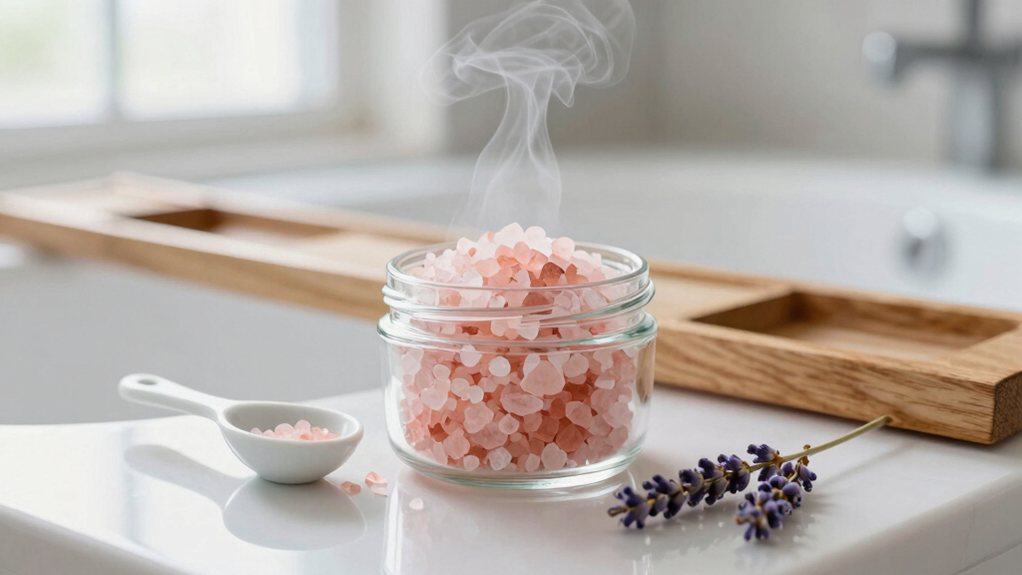
The Best Bath Salts That Help You Unwind
Soothing, mineral-rich bath salts promise muscle relief and mood uplift, but which blend will help you unwind, so keep reading to discover your match.
-
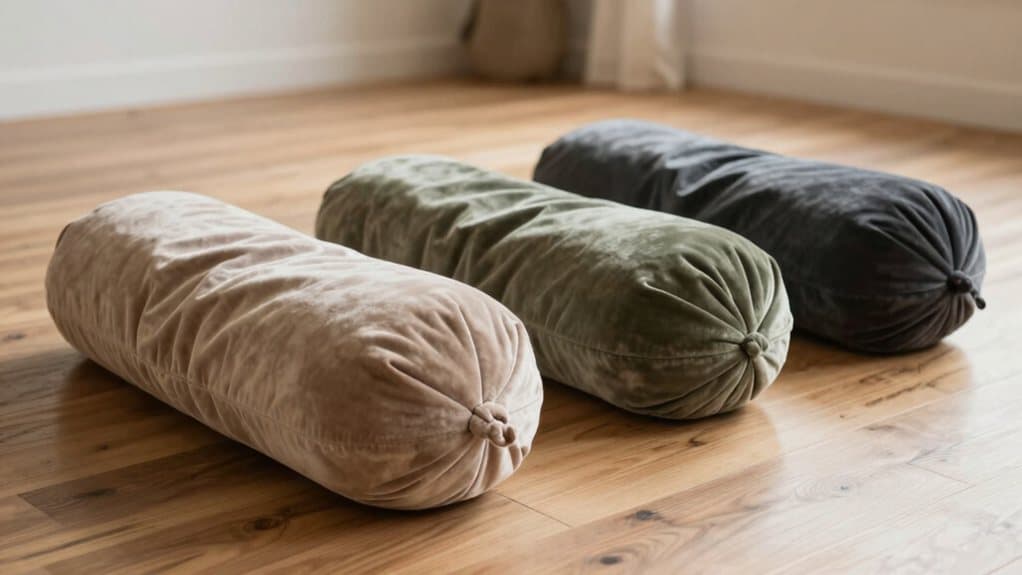
The Best Yoga bolster pillows for Better Support
Judging the top yoga bolster pillows for better support could transform your practice—yet which one truly fits your body?
-

Attract Wealth with Feng Shui Money Frog
Feng Shui, an ancient Chinese practice, emphasizes the importance of harmonizing individuals with their surrounding environment. Among its many symbols, the Money Frog, or “Chan Chu,” stands out as a powerful emblem of wealth and prosperity. This mythical creature, often depicted as a three-legged frog with a coin in its mouth, is believed to attract…