
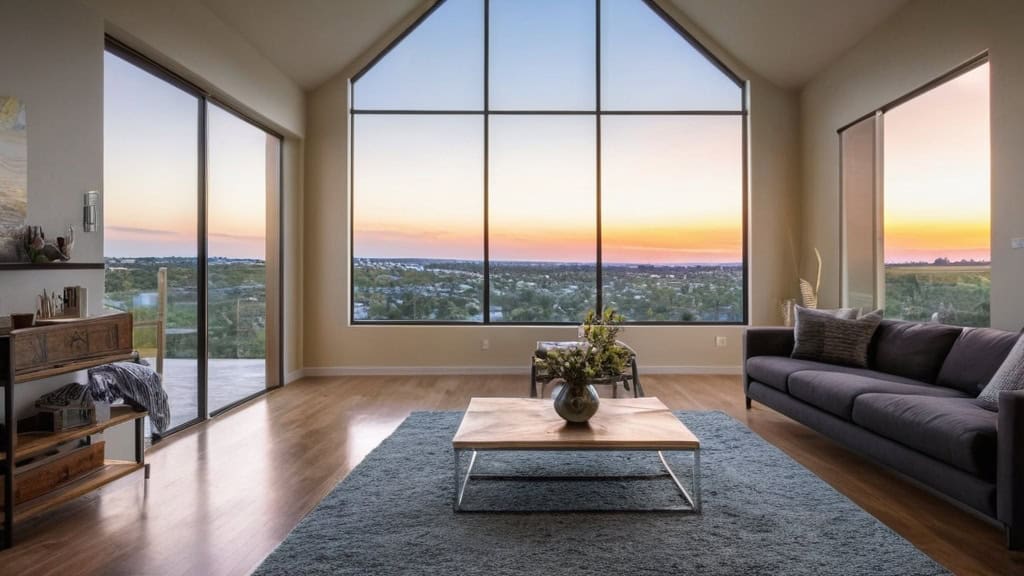
Natural light significantly influences both the atmosphere and functionality of residential spaces. Research demonstrates that exposure to natural light improves mood regulation, enhances cognitive performance, and supports healthy circadian rhythms that govern sleep-wake cycles. Adequate daylight exposure increases serotonin production, which helps regulate mood and promotes feelings of well-being.
This reduction in electrical consumption translates to lower utility costs and decreased environmental impact through reduced energy demand. Studies indicate that homes with optimized natural lighting can reduce daytime lighting energy consumption by 50-80%.
Natural light also affects spatial perception, making rooms appear larger and more open than those relying solely on artificial illumination. The dynamic quality of daylight, which changes throughout the day and seasons, creates visual interest and connects indoor spaces to the natural environment. When planning residential design, incorporating strategies to maximize natural light exposure contributes to both occupant health and building energy performance.
Key Takeaways
- Natural light enhances mood, energy, and overall well-being in the home.
- Strategic design and placement of windows and doors maximize daylight exposure.
- Skylights and sun tunnels are effective solutions for brightening interior spaces.
- Reflective surfaces, light colors, and mirrors amplify natural light indoors.
- Outdoor spaces and appropriate window treatments help control and increase light flow.
Designing with Natural Light in Mind
When you embark on the journey of designing your home, it’s essential to keep natural light at the forefront of your plans. Start by assessing the orientation of your property; understanding how sunlight moves across your space throughout the day will help you make informed decisions about room placement and window positioning. For instance, south-facing rooms typically receive the most sunlight, making them ideal for living areas or workspaces where you want to harness that energy.
Incorporating open floor plans can also enhance the flow of natural light throughout your home. By minimizing walls and barriers between rooms, you allow light to travel freely, creating a sense of continuity and spaciousness. Additionally, consider using glass doors or large openings that connect indoor spaces with outdoor areas.
This not only invites more light but also blurs the lines between your home and nature, fostering a harmonious relationship with the environment.
Choosing the Right Windows and Doors
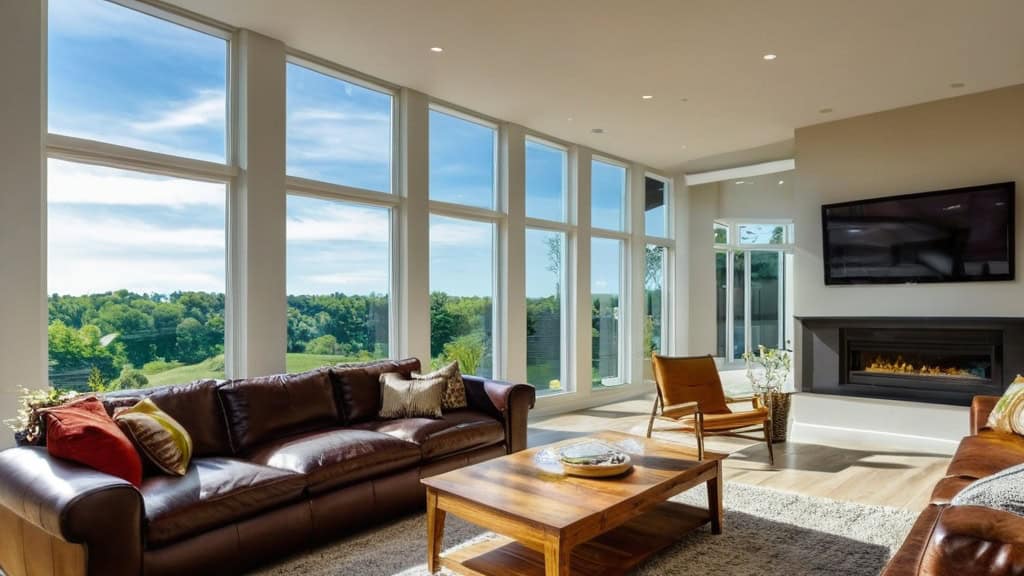
Selecting the right windows and doors is crucial for maximizing natural light in your home. You should consider various styles and materials that not only complement your aesthetic preferences but also enhance light penetration. For instance, large picture windows or floor-to-ceiling glass panels can dramatically increase the amount of sunlight entering a room, while casement windows can be strategically placed to capture breezes and sunlight simultaneously.
In addition to size and style, the type of glazing used in your windows can significantly affect their performance. Double or triple-glazed windows provide better insulation while still allowing ample light to filter through. You might also explore options like low-emissivity (Low-E) glass, which reflects heat while permitting natural light to enter, ensuring that your home remains bright without sacrificing energy efficiency.
By carefully selecting windows and doors that prioritize both aesthetics and functionality, you can create a space that feels airy and well-lit.
Utilizing Skylights and Sun Tunnels
Skylights and sun tunnels are excellent solutions for bringing natural light into areas that may otherwise feel dark or confined. Skylights can be installed in various rooms, including kitchens, bathrooms, and hallways, providing an overhead source of illumination that transforms these spaces into bright, inviting areas. When choosing skylights, consider options with built-in shades or blinds to help control light levels when needed.
Sun tunnels, on the other hand, are a fantastic alternative for spaces where traditional skylights may not be feasible. These innovative systems capture sunlight from the roof and channel it down through reflective tubes into your home. They are particularly effective in smaller rooms or areas without direct access to windows.
By incorporating skylights or sun tunnels into your design, you can significantly enhance the natural light in your home while adding unique architectural features that elevate its overall appeal.
Reflective Surfaces and Light Colors
| Natural Light Solution | Average Light Transmission (%) | Energy Efficiency Impact | Installation Complexity | Maintenance Requirements | Typical Use Case |
|---|---|---|---|---|---|
| Skylights | 70-90 | High – reduces need for artificial lighting | Medium – requires roof modification | Low – occasional cleaning | Rooms with limited wall windows |
| Light Tubes (Solar Tubes) | 60-80 | Moderate – channels daylight into interior spaces | Medium – requires roof and ceiling installation | Low – minimal maintenance | Hallways, bathrooms, closets |
| Large Windows | 80-95 | Variable – depends on glazing and shading | Low to Medium – depends on wall structure | Medium – cleaning and potential glazing upkeep | Living rooms, bedrooms |
| Glass Doors | 75-90 | Moderate – allows daylight and outdoor views | Low – similar to window installation | Medium – cleaning glass surfaces | Patio access, sunrooms |
| Transom Windows | 60-85 | Low to Moderate – supplemental daylight | Low – often added above doors or windows | Low – occasional cleaning | Interior rooms, hallways |
| Light Shelves | N/A (reflective device) | High – improves daylight penetration and distribution | Medium – requires design and installation | Low – minimal maintenance | Offices, living spaces with deep rooms |
| Clerestory Windows | 70-90 | High – brings light deep into rooms | Medium – requires wall modification | Low – occasional cleaning | Rooms with high ceilings |
The colors and materials you choose for your interior design can greatly influence how natural light is perceived within your home. Light colors tend to reflect sunlight rather than absorb it, making spaces feel brighter and more expansive. Consider painting walls in soft whites, pale pastels, or light neutrals to maximize the effect of natural light.
These hues not only enhance brightness but also create a serene backdrop for your furnishings and decor. In addition to wall colors, incorporating reflective surfaces can further amplify the impact of natural light. Glossy finishes on furniture or cabinetry can bounce light around a room, while mirrors strategically placed across from windows can create an illusion of depth and brightness.
You might also explore using metallic accents or glass decor elements that catch and reflect sunlight throughout the day. By thoughtfully selecting colors and materials that embrace light, you can create an uplifting atmosphere that feels both spacious and inviting.
Window Treatments for Light Control
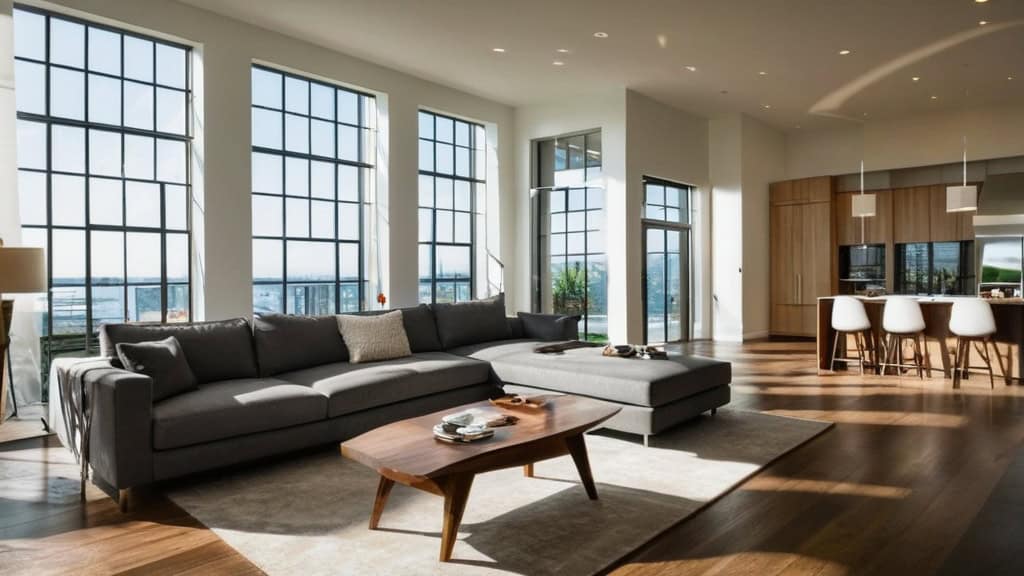
While natural light is essential for creating a warm ambiance in your home, there are times when you may want to control its intensity. Choosing the right window treatments allows you to strike a balance between maximizing daylight and maintaining privacy or reducing glare. Options such as sheer curtains or lightweight blinds can filter sunlight while still allowing it to permeate your space.
For those who prefer more versatility, consider layered window treatments that combine sheer fabrics with heavier drapes or shades. This approach enables you to adjust the amount of light entering a room based on your needs throughout the day. Additionally, motorized shades offer convenience and ease of use, allowing you to control light levels with just a touch of a button.
Bringing in Light with Mirrors and Glass
Mirrors are powerful tools for enhancing natural light in your home. By strategically placing mirrors across from windows or in areas where light is limited, you can create reflections that amplify brightness and make spaces feel larger. A well-placed mirror not only serves as a decorative element but also acts as a conduit for light, transforming dark corners into vibrant focal points.
In addition to mirrors, incorporating glass elements into your design can further enhance the flow of natural light. Glass partitions or doors can separate spaces without blocking light, allowing it to travel freely throughout your home. You might also consider using glass shelves or tabletops that reflect light while maintaining an open feel.
By embracing mirrors and glass in your design choices, you can create an airy atmosphere that celebrates the beauty of natural illumination.
Incorporating Outdoor Spaces for Natural Light
Finally, don’t overlook the potential of outdoor spaces in enhancing natural light within your home. Patios, decks, or balconies can serve as extensions of your living areas while providing additional opportunities for sunlight exposure. By designing outdoor spaces that seamlessly connect with indoor areas—such as through large sliding doors or bi-fold doors—you create a harmonious flow between nature and your home.
Landscaping also plays a crucial role in how natural light interacts with your property. Consider planting trees or shrubs strategically to frame views without obstructing sunlight from entering your home. Additionally, incorporating outdoor features like pergolas or awnings can provide shade when needed while still allowing dappled sunlight to filter through.
By thoughtfully integrating outdoor spaces into your overall design, you can enhance the abundance of natural light in your home while enjoying the beauty of nature right at your doorstep. In conclusion, prioritizing natural light in your home design is essential for creating a vibrant and healthy living environment. From choosing the right windows and doors to utilizing reflective surfaces and outdoor spaces, there are numerous strategies you can employ to maximize daylight in every corner of your home.
By embracing these principles, you not only enhance the aesthetic appeal of your space but also foster a sense of well-being that comes from living in harmony with nature’s most precious resource—light.
Incorporating natural light solutions into your home can significantly enhance your living space, creating a more inviting and calming atmosphere. One effective way to maximize natural light is by designing a cozy reading nook that not only serves as a personal retreat but also takes advantage of sunlight. For tips on how to create the perfect reading nook, check out this article on why you should set up a reading nook.
FAQs
What are natural light solutions for the home?
Natural light solutions for the home refer to design strategies and products that maximize the use of sunlight to illuminate indoor spaces. These can include architectural features like skylights, large windows, light tubes, and reflective surfaces that help distribute daylight effectively.
Why is natural light important in a home?
Natural light improves mood, increases productivity, and enhances the overall ambiance of a home. It also reduces the need for artificial lighting during the day, which can lower energy consumption and utility costs.
What are some common natural light solutions used in homes?
Common solutions include installing skylights, solar tubes, large or strategically placed windows, glass doors, light shelves, and using light-colored or reflective interior surfaces to bounce light deeper into rooms.
Can natural light solutions help reduce energy bills?
Yes, by increasing the amount of daylight entering a home, natural light solutions reduce the need for electric lighting during daylight hours, which can lead to significant energy savings.
Are there any drawbacks to using natural light in homes?
Potential drawbacks include increased heat gain during summer, glare, and fading of furniture or flooring due to UV exposure. These issues can be mitigated with window treatments, UV-protective coatings, and proper design.
How can I increase natural light in a room with limited windows?
You can use light tubes or solar tubes to channel sunlight from the roof into interior spaces, install mirrors or reflective surfaces to amplify existing light, and choose light-colored paints and furnishings to brighten the room.
Is professional installation required for natural light solutions like skylights?
Yes, professional installation is recommended for skylights and solar tubes to ensure proper sealing, insulation, and structural integrity, which helps prevent leaks and energy loss.
Do natural light solutions work in all climates?
Natural light solutions can be adapted to most climates, but design considerations such as shading, insulation, and window placement should be tailored to local weather conditions to optimize comfort and energy efficiency.
Can natural light solutions improve home value?
Yes, homes with abundant natural light are often more attractive to buyers and can have higher market value due to their enhanced aesthetics and energy efficiency.
What materials are best for maximizing natural light indoors?
Materials like glass, acrylic, and light-colored or reflective surfaces help maximize natural light indoors. Using translucent window treatments and minimalistic window frames can also enhance light penetration.