
Category: Relaxation
There are many kinds of relaxation, here are out blog posts about them.
-
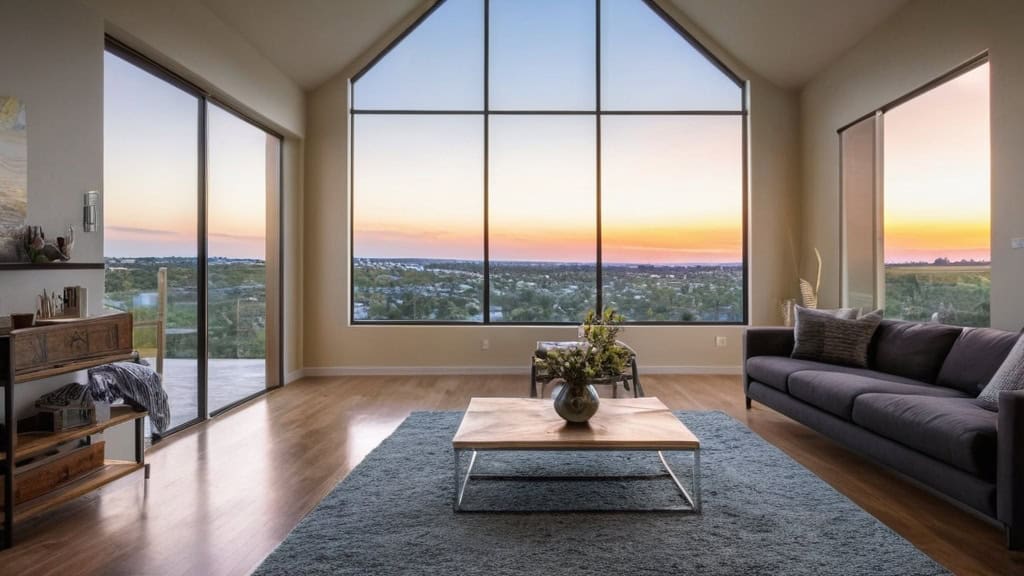
Bringing in Natural Light: Home Solutions
Natural light significantly influences both the atmosphere and functionality of residential spaces. Research demonstrates that exposure to natural light improves mood regulation, enhances cognitive performance, and supports healthy circadian rhythms that govern sleep-wake cycles. Adequate daylight exposure increases serotonin production, which helps regulate mood and promotes feelings of well-being. From an energy efficiency perspective, maximizing…
-
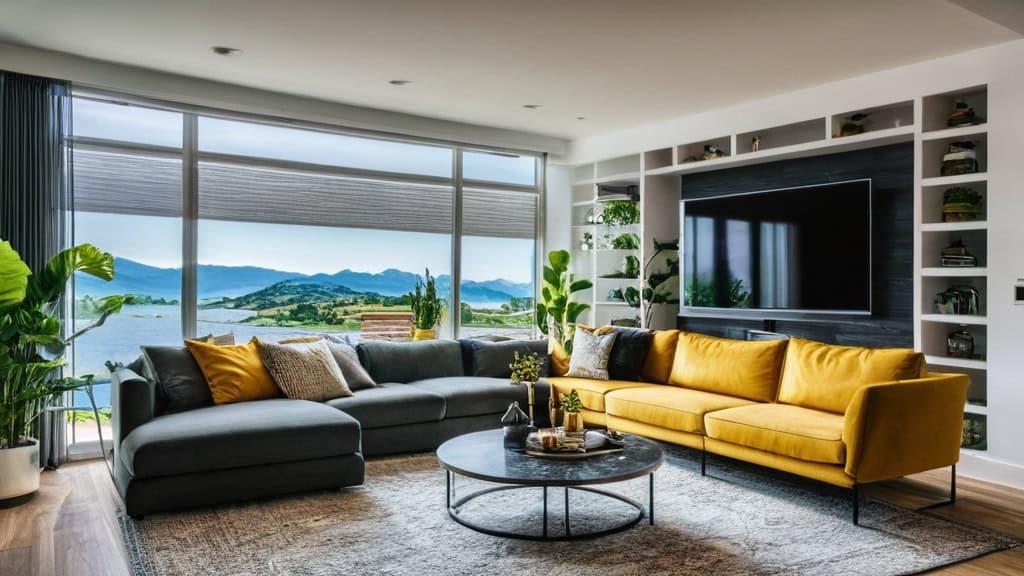
Creating a Stress-Free Home Design
Research indicates that home environment design significantly influences psychological well-being and stress levels. A well-designed living space functions as a restorative environment that supports mental health recovery and emotional regulation after daily stressors. Studies demonstrate that specific design elements directly affect cortisol levels, sleep quality, and cognitive function. Environmental psychology research shows that organized, thoughtfully…
-

Maximizing Natural Light in Your Home: Enhancements for Brighter Spaces
Natural light serves as a fundamental element in residential design, affecting both visual aesthetics and occupant health. Sunlight exposure within interior spaces creates environments that can positively influence mood and energy levels. Research demonstrates that natural light exposure contributes to improved mental health outcomes, stress reduction, and increased productivity. Effective home design requires careful consideration…
-

Embracing Natural Light for Relaxation
Natural light serves as more than illumination, functioning as a significant factor in human well-being. Research demonstrates that exposure to natural light reduces stress and anxiety levels while improving mood and energy. Scientific studies indicate that sunlight exposure enhances focus and productivity during daily activities. Natural light plays a critical role in regulating circadian rhythms,…
-

The Consequences of Not Relaxing
In today’s fast-paced world, mental health challenges have become increasingly prevalent. Individuals commonly experience anxiety, depression, and stress related to various life pressures. The continuous influx of information and societal expectations can foster feelings of inadequacy, making positive outlook maintenance difficult. Mood fluctuations and feelings of isolation, even in social settings, are common symptoms. These…
-

Finding the Time to Unwind: The Importance of Relaxation
In today’s fast-paced world, the significance of relaxation cannot be overstated. Individuals constantly juggle responsibilities from work, family, and social obligations. This relentless pace can lead to stress, anxiety, and burnout without adequate time to unwind. Recognizing relaxation’s importance is the first step toward achieving a balanced life. It is not merely a luxury but…
-

The Power of Relaxation: 3 Benefits
In today’s fast-paced world, relaxation is essential rather than optional for maintaining well-being. Many individuals find themselves overwhelmed by responsibilities and deadlines, with little time dedicated to unwinding. Relaxation serves as a fundamental requirement for physical and mental health, enabling individuals to develop balance and approach challenges with improved perspective. Recognizing relaxation’s importance is crucial…
-

The Importance of Relaxing Your Mind
Stress is a universal human experience that produces significant psychological and neurological effects. When individuals encounter stressful situations, the body activates the sympathetic nervous system, triggering the “fight or flight” response. This physiological activation releases stress hormones including cortisol and adrenaline, which prepare the body for immediate action. The acute stress response generates several mental…
-

The Importance of Relaxation for Mental and Physical Well-being
Stress is a universal human experience that significantly impacts both mental and physical health. When individuals encounter stressful situations, the body activates the “fight or flight” response, a physiological state characterized by heightened alertness. This response triggers measurable changes in the body, including increased heart rate, elevated blood pressure, and the release of stress hormones…
-

The Importance of Unwinding: Why We Need to Relax
When the body relaxes, it undergoes several beneficial physiological changes that improve overall health. Relaxation immediately reduces muscle tension, allowing muscles to loosen and release tightness accumulated from daily stress. This muscular release enhances circulation, facilitating better oxygen and nutrient distribution throughout the body. Improved posture and increased physical mobility are common outcomes of effective…