Imagine stepping into your home after a long day, greeted not by chaos but by a sense of calm and tranquility. The atmosphere envelops you like a warm embrace, inviting you to unwind and recharge. Creating a tranquil home is not merely about aesthetics; it’s about cultivating an environment that nurtures your well-being and promotes peace of mind. In today’s fast-paced world, where stress often feels like a constant companion, transforming your living space into a sanctuary can be a powerful antidote.
As you embark on this journey toward serenity, consider how each element of your home contributes to your overall sense of peace. From the arrangement of furniture to the colors on your walls, every detail plays a role in shaping your experience. By intentionally designing your space with tranquility in mind, you can create a haven that supports relaxation and mindfulness. Let’s explore the essential steps to transform your home into a serene retreat, where every corner invites you to pause, breathe, and find solace.
Creating a tranquil home environment can significantly enhance your overall well-being, and incorporating elements from nature is a great way to achieve this. For instance, you might find inspiration in the article on breathing exercises for relaxation in the garden, which discusses how spending time outdoors and engaging in mindful practices can promote peace and serenity. To explore these ideas further, you can read the article here: breathing exercises for relaxation in the garden.
Key Takeaways
- Decluttering and organizing your home is essential for creating a serene and peaceful environment.
- Incorporating natural elements indoors helps bring a calming connection to the outdoors.
- Using soft, soothing colors establishes a tranquil and relaxing color palette.
- Comfortable and cozy furnishings make spaces inviting and perfect for relaxation.
- Mindful decor and relaxation practices promote peace and mindfulness throughout the home.
Decluttering and Organizing: Creating Space for Serenity
The first step toward achieving a tranquil home is decluttering and organizing your space. You may find that physical clutter often translates to mental clutter, making it difficult to relax and unwind. Begin by assessing each room in your home, identifying items that no longer serve a purpose or bring you joy. As you sort through your belongings, consider adopting the mantra of “less is more.” By letting go of excess items, you create an open and airy environment that fosters a sense of calm.
Once you’ve decluttered, focus on organizing what remains. Invest in storage solutions that are both functional and aesthetically pleasing. Baskets, bins, and shelves can help keep your belongings tidy while adding to the overall decor of your space. As you organize, think about how each item contributes to the atmosphere you wish to cultivate. By creating designated spaces for everything, you’ll find it easier to maintain order and enjoy the serenity that comes with a well-organized home.
Natural Elements: Bringing the Outdoors In
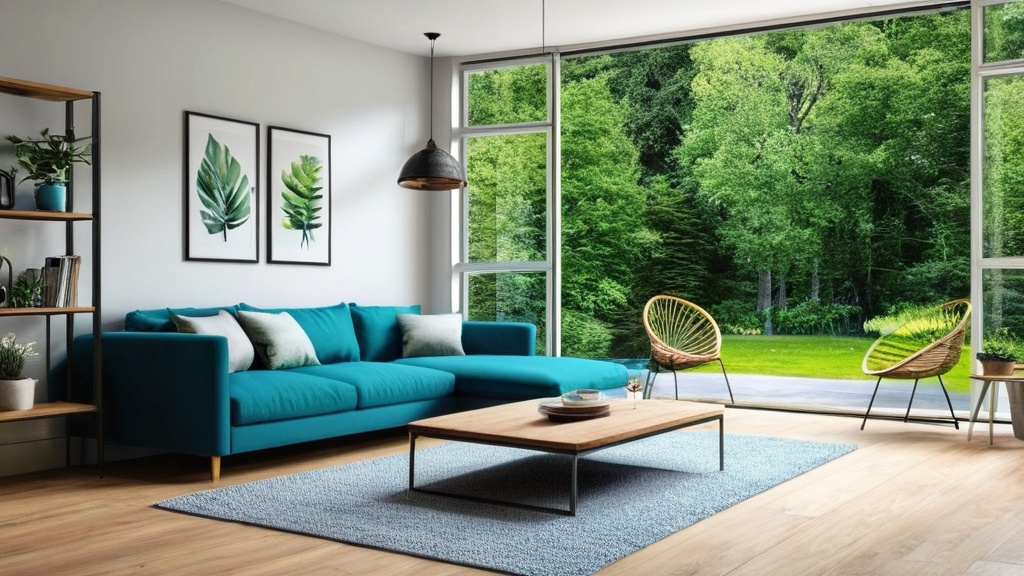
Incorporating natural elements into your home can significantly enhance its tranquil ambiance. Nature has an innate ability to soothe the mind and body, so why not invite it indoors? Start by adding houseplants to your living space. Not only do they purify the air, but they also bring life and vibrancy to your surroundings. Choose plants that resonate with you—whether it’s the lush green of a fern or the delicate blooms of a peace lily—and place them strategically throughout your home.
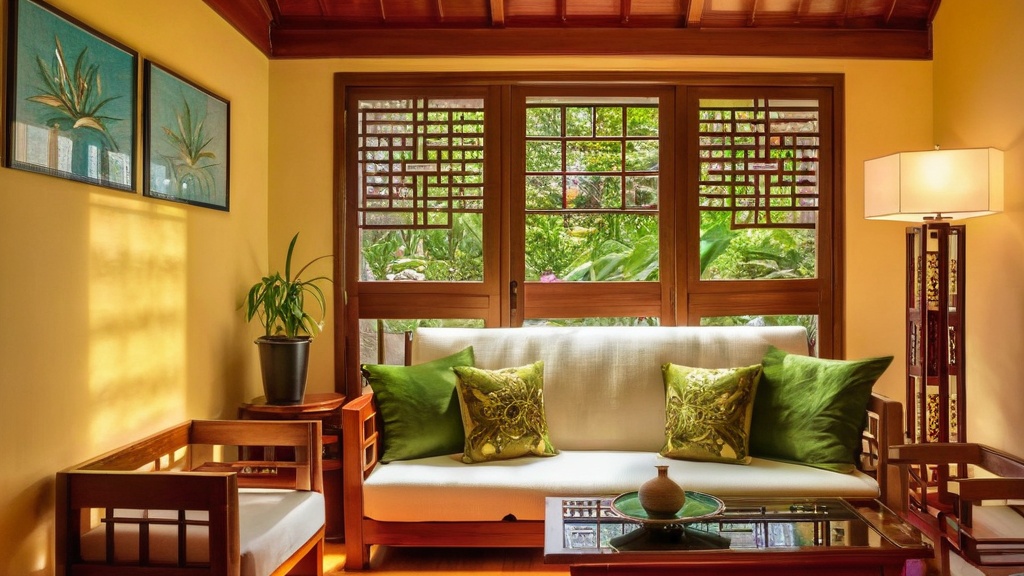
In addition to plants, consider using natural materials in your decor. Wood, stone, and textiles made from organic fibers can create a warm and inviting atmosphere. You might opt for wooden furniture or decorative accents that showcase the beauty of nature. Incorporating elements like stone coasters or woven baskets can also add texture and depth to your space. By surrounding yourself with natural materials, you’ll create a harmonious environment that promotes relaxation and connection to the earth.
Soft and Soothing Colors: Creating a Calming Palette
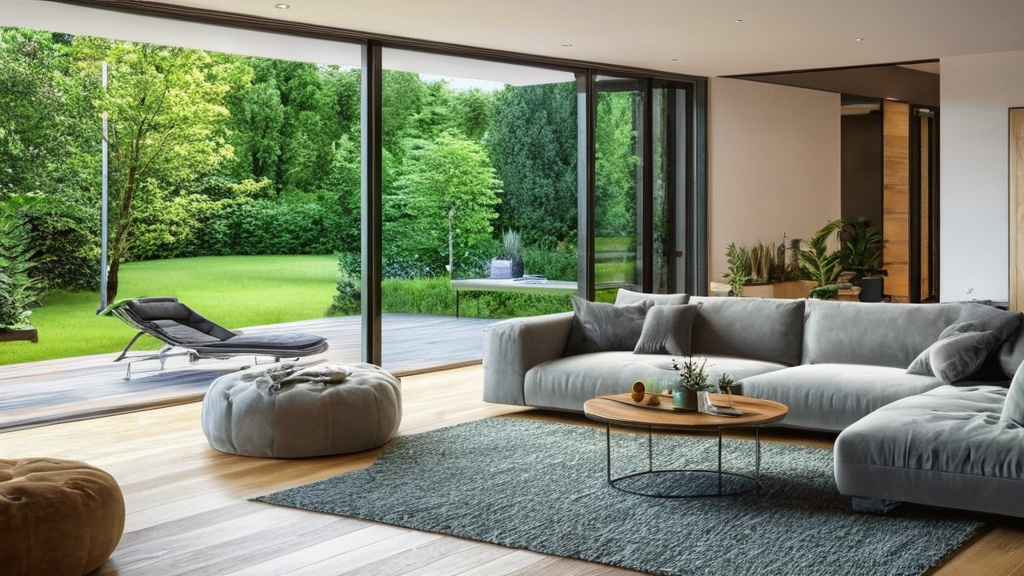
The colors you choose for your home can have a profound impact on your mood and overall sense of tranquility. Soft and soothing colors are essential for creating a calming palette that encourages relaxation. Consider shades of blue, green, or neutral tones that evoke feelings of peace and serenity. These colors can be incorporated through paint, furnishings, or decorative accents.
When selecting colors, think about how they make you feel. You may find that certain hues resonate with you more than others, so trust your instincts as you curate your color scheme. For instance, soft blues can evoke the tranquility of the ocean, while gentle greens can remind you of lush forests. By surrounding yourself with colors that promote calmness, you’ll create an environment that supports relaxation and mindfulness.
Creating a tranquil home environment can significantly enhance your overall well-being, and exploring various relaxation techniques can complement this effort. For instance, incorporating practices like pranayama can help cultivate a peaceful atmosphere. If you’re interested in learning more about the safety and myths surrounding pranayama, you can check out this insightful article on the topic. By integrating these ideas into your daily routine, you can transform your living space into a serene sanctuary. For more information, visit this article.
Comfortable and Cozy: Creating Inviting Spaces for Relaxation
| Idea | Description | Benefits | Implementation Tips |
|---|---|---|---|
| Use Soft, Neutral Colors | Incorporate calming shades like beige, soft gray, and pastel tones. | Creates a soothing atmosphere and reduces visual stress. | Choose matte finishes and avoid overly bright or contrasting colors. |
| Incorporate Natural Elements | Add plants, natural wood furniture, and stone accents. | Improves air quality and promotes relaxation. | Select low-maintenance plants and sustainable materials. |
| Soft Lighting | Use warm, dimmable lights and avoid harsh overhead lighting. | Reduces eye strain and creates a cozy ambiance. | Use lamps, fairy lights, or candles for layered lighting. |
| Declutter and Organize | Keep spaces tidy and free from unnecessary items. | Enhances mental clarity and reduces anxiety. | Use storage solutions like baskets and shelves to maintain order. |
| Comfortable Textiles | Incorporate soft rugs, cushions, and throws. | Increases physical comfort and warmth. | Choose natural fabrics like cotton, linen, or wool. |
| Sound Control | Use rugs, curtains, and soundproofing materials to reduce noise. | Creates a peaceful environment and improves sleep quality. | Consider white noise machines or soft background music. |
| Personal Sanctuary Space | Designate a quiet corner for meditation, reading, or relaxation. | Provides a dedicated area for stress relief and mindfulness. | Keep it minimalistic and add personal touches like favorite books or scents. |
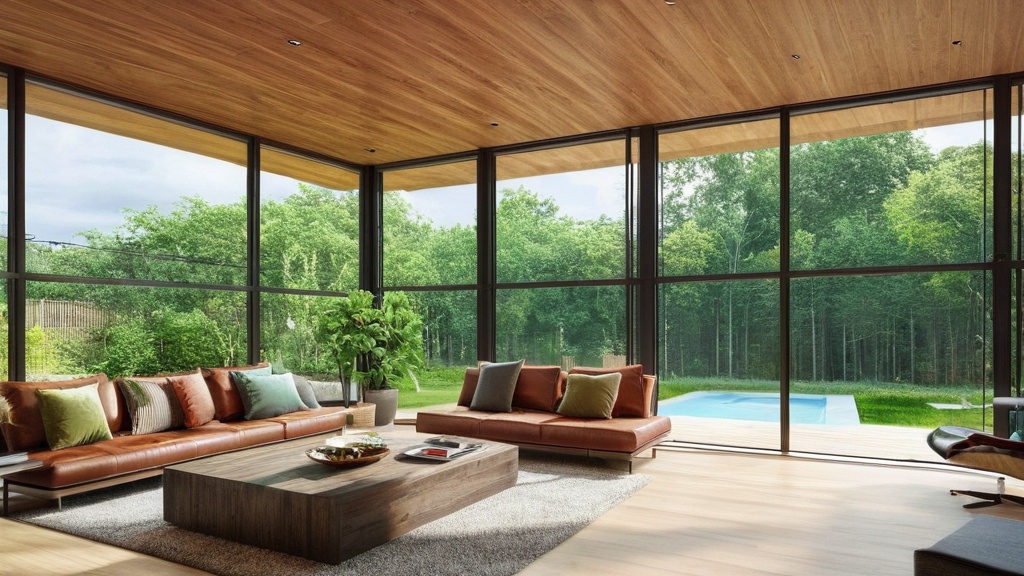
Creating inviting spaces within your home is essential for fostering relaxation. You want areas where you can curl up with a good book or simply enjoy a moment of stillness. Start by selecting comfortable furniture that encourages lounging and unwinding. Sofas with plush cushions or oversized chairs can become your go-to spots for relaxation.
In addition to comfortable seating, consider adding cozy textiles to enhance the warmth of your space. Soft throws, fluffy pillows, and area rugs can transform any room into a haven of comfort. Layering different textures not only adds visual interest but also invites you to sink in and relax.
By designing spaces that prioritize comfort, you’ll create an atmosphere where you can truly unwind and recharge.
Creating a tranquil home environment can significantly enhance your well-being, and one effective way to achieve this is by incorporating elements that promote peace and relaxation. For instance, the use of natural scents, such as those derived from herbs, can transform your space into a serene retreat. You might find inspiration in a related article that explores the benefits of garlic, not only as a culinary powerhouse but also as a spiritual guardian. Discover more about this fascinating topic by visiting this article, which delves into how such elements can contribute to a calming atmosphere in your home.
Mindful Decor: Choosing Items that Promote Peace and Serenity
When it comes to decor, mindfulness is key in creating a tranquil home environment. Each item you choose should resonate with your desire for peace and serenity. Consider incorporating artwork or photographs that evoke positive emotions or memories. Whether it’s a serene landscape or an abstract piece that inspires calmness, let these visuals enhance your space.
Additionally, think about incorporating meaningful objects that hold personal significance. Perhaps it’s a cherished memento from a loved one or an item that represents a special moment in your life. Surrounding yourself with items that promote positive feelings can create an uplifting atmosphere in your home.
By being intentional about your decor choices, you’ll cultivate an environment that reflects your values and supports your quest for tranquility.
Creating a Relaxing Bedroom: Tips for a Restful Sleep Environment
Your bedroom should be a sanctuary for rest and rejuvenation. To create a relaxing sleep environment, start by focusing on the essentials: comfort, darkness, and quietness. Invest in high-quality bedding that feels luxurious against your skin—soft sheets and plush pillows can make all the difference in achieving restful sleep.
Consider the lighting in your bedroom as well; soft, dimmable lights can create a calming atmosphere conducive to relaxation. You might also want to incorporate blackout curtains to block out any disruptive light from outside. Additionally, consider using calming scents like lavender or chamomile through essential oils or candles to promote relaxation as you wind down for the night.
Incorporating Relaxation Practices: Bringing Mindfulness into Your Home
Finally, consider incorporating relaxation practices into your daily routine at home. Mindfulness can be woven into various aspects of your life, from meditation spaces to yoga corners. Designate an area in your home where you can practice mindfulness—this could be as simple as a cozy nook with cushions or a dedicated yoga mat.
You might also explore incorporating calming rituals into your day-to-day life. Whether it’s sipping tea in silence or journaling about your thoughts and feelings, these practices can help ground you amidst life’s chaos. By intentionally creating moments of mindfulness within your home, you’ll cultivate an environment that supports not only relaxation but also personal growth and self-awareness.
In conclusion, transforming your home into a tranquil sanctuary is an enriching journey that requires intention and care. By decluttering and organizing your space, incorporating natural elements, choosing soothing colors, creating comfortable areas for relaxation, selecting mindful decor, designing a restful bedroom environment, and integrating relaxation practices into your daily routine, you can cultivate an atmosphere that nurtures peace and serenity. As you embark on this path toward tranquility, remember that every small change contributes to creating a harmonious living space where you can thrive amidst life’s challenges.
FAQs
What are some key elements to create a tranquil home environment?
Key elements include decluttering, using calming colors like soft blues and greens, incorporating natural light, adding indoor plants, and using soothing scents such as lavender or chamomile.
How can lighting affect the tranquility of a home?
Lighting plays a crucial role; natural light helps improve mood and relaxation, while soft, warm artificial lighting can create a cozy and peaceful atmosphere. Avoid harsh, bright lights that can cause stress.
What types of plants are best for promoting a peaceful atmosphere indoors?
Plants like peace lilies, snake plants, and lavender are excellent for indoor tranquility. They not only improve air quality but also have calming visual effects and some emit soothing scents.
How does decluttering contribute to a tranquil home environment?
Decluttering reduces visual stress and distractions, making spaces feel more open and calm. It helps create a sense of order and control, which can significantly enhance relaxation and mental clarity.
Can sound influence the tranquility of a home, and how can it be managed?
Yes, sound greatly influences tranquility. Using soft background music, white noise machines, or water features can promote relaxation. Additionally, minimizing loud noises and using sound-absorbing materials like rugs and curtains can help maintain a peaceful environment.