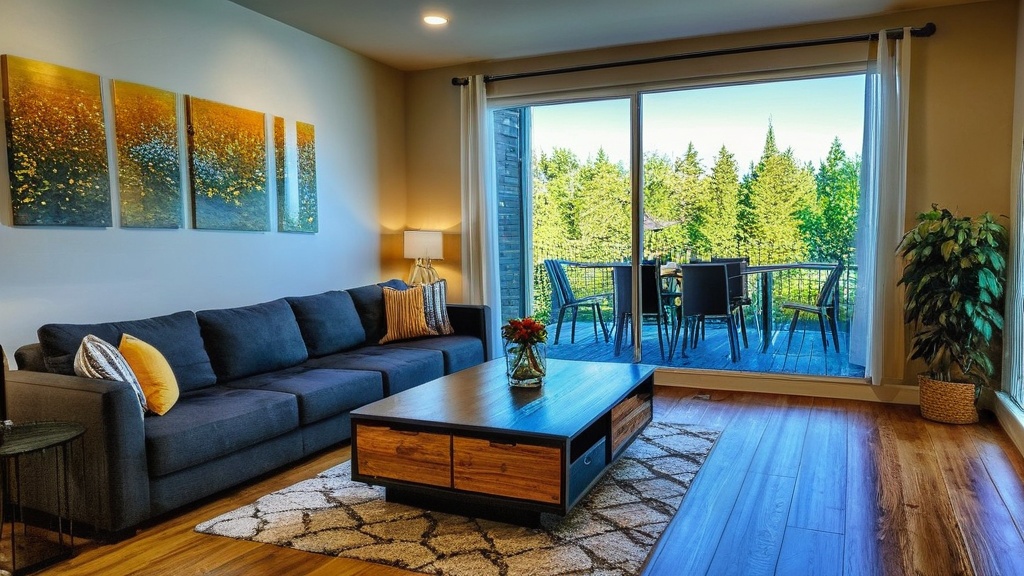
In today’s fast-paced world, the importance of having a sanctuary at home cannot be overstated. Your living space should be a reflection of peace and tranquility, a place where you can unwind after a long day. Creating a relaxing home environment is not just about aesthetics; it’s about fostering a sense of well-being and comfort. By thoughtfully curating your space, you can transform it into a haven that promotes relaxation and rejuvenation.
As you embark on this journey to create a calming atmosphere, consider how each element in your home contributes to your overall sense of peace. From the colors on your walls to the furniture you choose, every detail plays a role in shaping your environment. By focusing on specific aspects such as color schemes, natural elements, and organization, you can cultivate a space that nurtures your mind and spirit. Let’s explore the various ways you can enhance your home to make it a true retreat from the chaos of everyday life.
If you’re looking to create a serene environment in your home that promotes relaxation, you might find inspiration in the article on contemplative practices and their transformative effects. This piece discusses how mindful approaches can enhance various aspects of life, including home decor. By integrating elements that foster tranquility, such as natural materials and calming colors, you can cultivate a space that encourages relaxation and reflection. For more insights, check out the article here: Unlocking the Power of Contemplative Practices.
Key Takeaways
- Use calming color schemes to promote relaxation in your home environment.
- Incorporate natural elements like plants and wood to enhance tranquility.
- Keep spaces decluttered and well-organized to reduce stress and improve comfort.
- Choose comfortable, cozy furniture and add soft textures for a soothing atmosphere.
- Create dedicated tranquil areas for meditation and yoga to support mindfulness and peace.
Choosing Calming Color Schemes
The colors you choose for your home can significantly impact your mood and overall sense of well-being. When selecting a color palette, opt for hues that evoke feelings of calmness and serenity. Soft blues, gentle greens, and muted earth tones are excellent choices that can create a soothing atmosphere. These colors not only promote relaxation but also help to create a cohesive look throughout your space.
As you paint your walls or select decor items, think about how different shades make you feel. For instance, light blue can remind you of clear skies and tranquil waters, while soft green can evoke the freshness of nature. You might also consider incorporating neutral tones like beige or gray, which can serve as a perfect backdrop for more vibrant accents. By carefully curating your color scheme, you can establish an environment that encourages relaxation and peace.
Incorporating Natural Elements
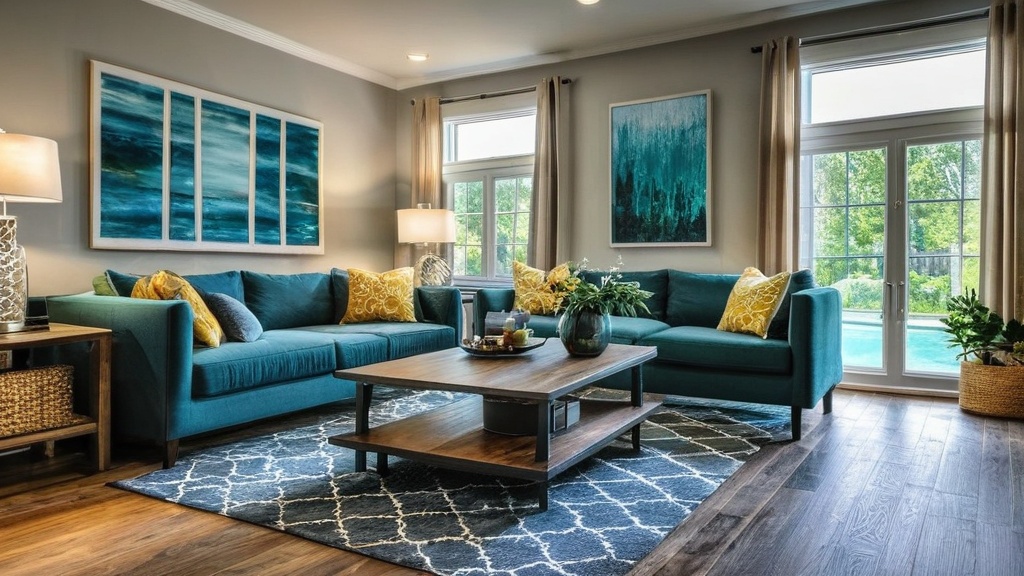
Bringing nature indoors is another effective way to create a calming atmosphere in your home.
Natural elements such as plants, wood, and stone can enhance your space while promoting a sense of tranquility.
Houseplants not only purify the air but also add life and vibrancy to your surroundings. Consider incorporating low-maintenance plants like succulents or snake plants if you’re new to gardening.
In addition to greenery, think about using natural materials in your decor. Wooden furniture, stone accents, and organic textiles can all contribute to a warm and inviting environment. These elements help to create a connection with the outdoors, which can be incredibly grounding. By surrounding yourself with nature-inspired decor, you can foster a sense of calm that permeates every corner of your home.
Decluttering and Organizing
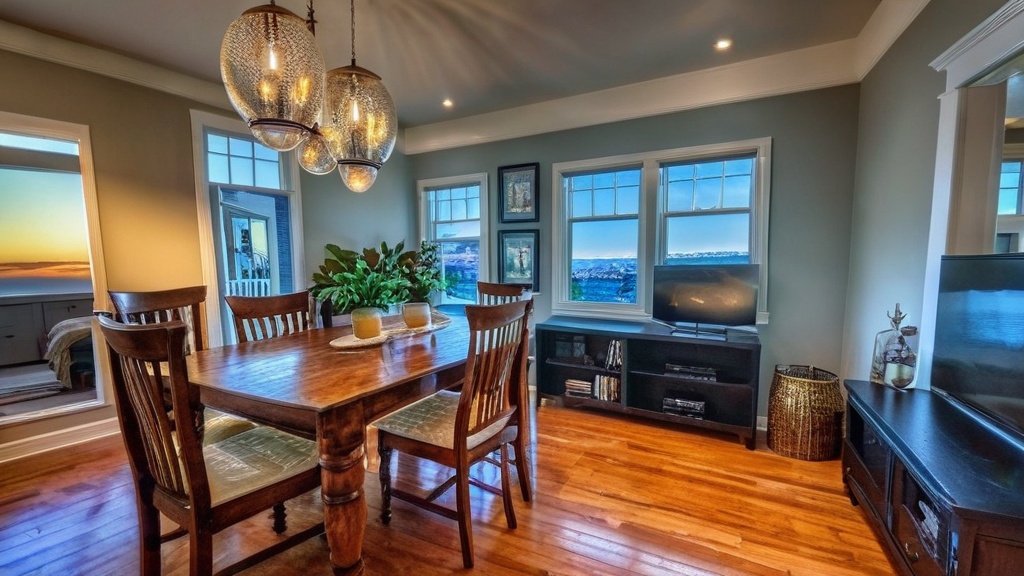
A cluttered space can lead to a cluttered mind, making it essential to prioritize organization in your home. Start by assessing each room and identifying items that no longer serve a purpose or bring you joy. By decluttering, you create physical space that allows for mental clarity. Consider implementing storage solutions that keep your belongings organized while maintaining an aesthetically pleasing environment.
Once you’ve decluttered, focus on creating designated spaces for everything in your home. This not only makes it easier to find what you need but also contributes to an overall sense of order. Use baskets, shelves, and bins to keep items neatly stored away. A well-organized home fosters a sense of calm and control, allowing you to fully enjoy your relaxing sanctuary without the distraction of disarray.
Creating a serene home environment can significantly enhance your relaxation experience, and one effective way to achieve this is by incorporating calming colors and natural elements into your decor. For those interested in exploring additional techniques to promote relaxation, you might find it helpful to read about the benefits of an intestinal cleansing technique, which can complement your home decor efforts. Discover more about this holistic approach to well-being in this insightful article on intestinal cleansing.
Selecting Comfortable and Cozy Furniture
| Home Decor Element | Relaxation Benefit | Recommended Materials | Color Palette | Average Time Spent Relaxing (minutes) |
|---|---|---|---|---|
| Soft Lighting | Reduces eye strain and promotes calmness | LED lamps, dimmers, warm bulbs | Warm whites, soft yellows | 45 |
| Comfortable Seating | Enhances physical comfort and relaxation | Memory foam cushions, plush fabrics | Neutral tones, pastels | 60 |
| Natural Elements | Improves mood and reduces stress | Wood, plants, stone | Earthy greens, browns | 50 |
| Calming Scents | Promotes relaxation and reduces anxiety | Essential oil diffusers, candles | N/A | 30 |
| Minimalist Design | Reduces mental clutter and promotes peace | Simple furniture, clean lines | Whites, soft grays | 40 |
The furniture you choose plays a crucial role in creating a relaxing atmosphere. Opt for pieces that are not only stylish but also comfortable and inviting. Sofas with soft cushions, armchairs that cradle you as you sit, and beds with plush mattresses all contribute to an environment where you can truly unwind. When selecting furniture, prioritize comfort over trends; after all, your home should be a place where you feel at ease.
Consider the layout of your space as well. Arrange furniture in a way that promotes conversation and connection while allowing for easy movement throughout the room. Create cozy nooks with comfortable seating where you can curl up with a book or enjoy a cup of tea.
By thoughtfully selecting and arranging your furniture, you can cultivate an inviting atmosphere that encourages relaxation and connection.
Adding Soft Textures and Fabrics
Incorporating soft textures and fabrics into your home is an excellent way to enhance its overall comfort level. Think about adding plush rugs underfoot, soft throws draped over furniture, and an array of cushions in various sizes and shapes. These elements not only add visual interest but also invite you to sink into relaxation as soon as you enter the room.
When selecting fabrics, consider natural materials like cotton, linen, or wool that feel gentle against the skin. Layering different textures can create depth and warmth in your space; for example, pairing a chunky knit blanket with smooth silk cushions can add an inviting contrast. By focusing on soft textures, you can create an environment that feels cozy and welcoming, encouraging you to unwind after a long day.
Using Aromatherapy and Candles
Aromatherapy is another powerful tool for creating a relaxing home environment. Scents have the ability to evoke memories and emotions, making them an essential aspect of your sanctuary. Consider using essential oils in diffusers or candles with calming fragrances like lavender, chamomile, or sandalwood. These scents can help reduce stress and promote relaxation throughout your home.
In addition to essential oils, consider incorporating candles into your decor. The soft glow of candlelight creates an intimate atmosphere while filling the air with delightful aromas. You might choose scented candles for specific rooms or unscented ones for areas where you prefer a more subtle ambiance. By thoughtfully integrating aromatherapy into your space, you can enhance the overall sense of calm and tranquility.
Creating Tranquil Spaces for Meditation and Yoga
Finally, consider dedicating specific areas in your home for meditation or yoga practice. These tranquil spaces should be free from distractions and designed to promote mindfulness and relaxation. Choose a quiet corner or room where you can set up a yoga mat or meditation cushion surrounded by calming decor.
Enhance this space with elements that inspire peace—perhaps soft lighting, calming artwork, or even a small water feature for soothing sounds. Make it personal by including items that resonate with you spiritually or emotionally, such as crystals or meaningful quotes displayed on the wall. By creating dedicated spaces for meditation and yoga, you provide yourself with the opportunity to cultivate inner peace amidst the hustle and bustle of daily life.
In conclusion, transforming your home into a relaxing sanctuary is an enriching journey that involves thoughtful consideration of various elements within your space. From choosing calming color schemes to incorporating natural elements and decluttering, each step contributes to an environment that nurtures tranquility and well-being. By selecting comfortable furniture, adding soft textures, utilizing aromatherapy, and creating dedicated spaces for mindfulness practices, you can cultivate a home that truly reflects peace and serenity—a place where you can escape from the chaos of the outside world and find solace within yourself.
FAQs
What are some common colors used in home decor for relaxation?
Calming colors such as soft blues, greens, neutrals, and pastels are commonly used in home decor to promote relaxation. These colors help create a soothing and peaceful atmosphere.
How can lighting affect relaxation in home decor?
Lighting plays a crucial role in relaxation. Soft, warm lighting from sources like lamps, candles, or dimmable lights can create a cozy and calming environment, reducing stress and promoting comfort.
What types of furniture are best for a relaxing home environment?
Comfortable and ergonomic furniture such as plush sofas, recliners, and supportive chairs are ideal for relaxation. Natural materials like wood and fabrics that feel soft to the touch also enhance comfort.
How does incorporating natural elements contribute to relaxation in home decor?
Incorporating natural elements like plants, water features, and natural textures can reduce stress and improve mood. These elements bring a sense of tranquility and connection to nature within the home.
Are there specific scents that help with relaxation in home decor?
Yes, scents like lavender, chamomile, eucalyptus, and sandalwood are known for their relaxing properties. Using essential oils, candles, or diffusers with these scents can enhance the calming atmosphere of a space.