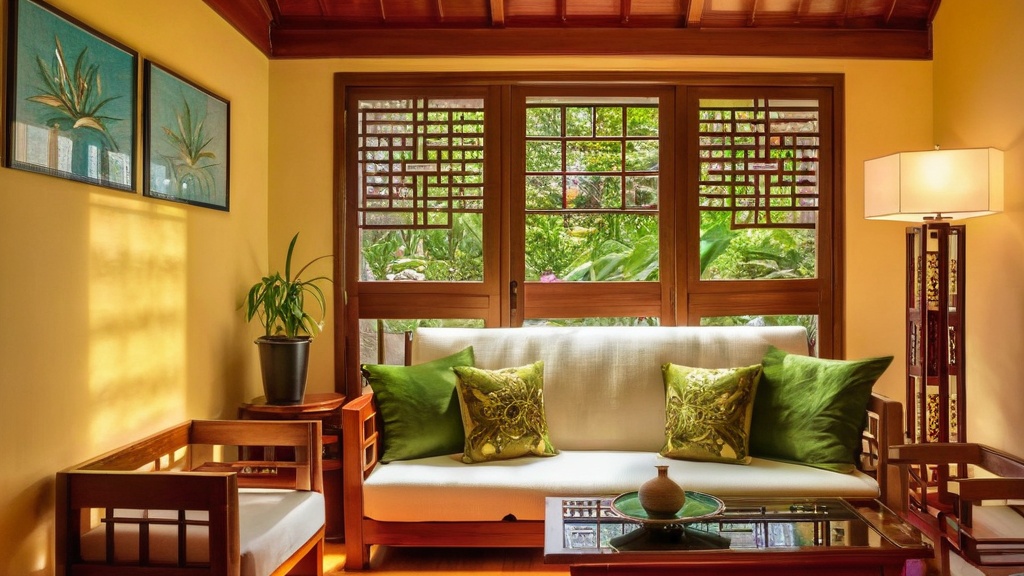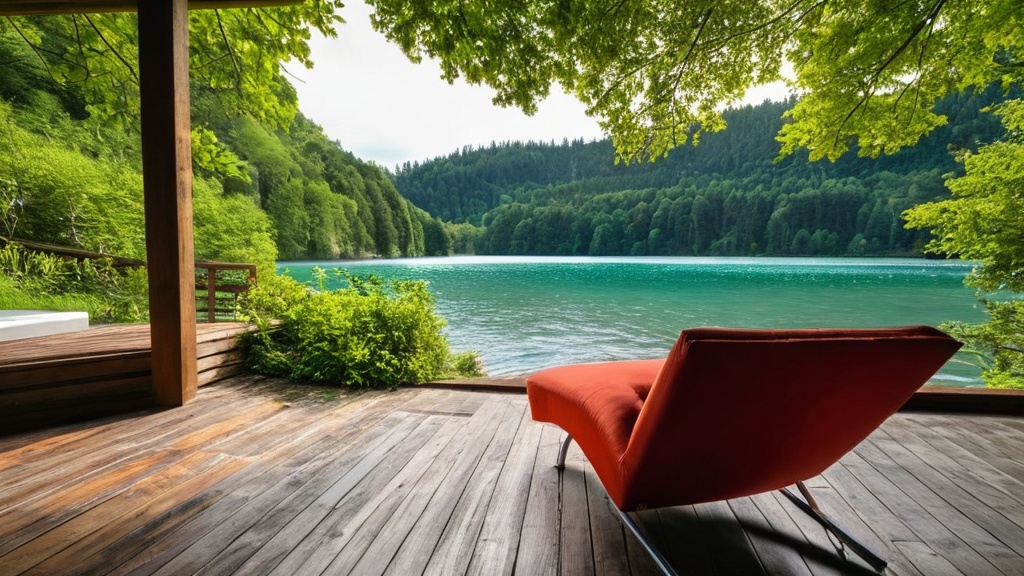

Creating a serene space is not merely about aesthetics; it’s about cultivating an environment that promotes peace and tranquility in your life. In today’s fast-paced world, where stress and chaos often reign, having a dedicated area that fosters calmness can significantly enhance your mental and emotional well-being. You may find that a serene space serves as a sanctuary, a retreat from the demands of daily life, allowing you to recharge and reconnect with yourself. This space can be a room in your home, a corner of your garden, or even a cozy nook in your office—anywhere you can escape the noise and distractions that surround you.
Moreover, the importance of a serene space extends beyond personal comfort. It can influence your productivity, creativity, and overall mood. When you step into a tranquil environment, you may notice an immediate shift in your mindset. The clutter of thoughts and worries can dissipate, making way for clarity and focus. By intentionally designing a space that embodies serenity, you are not only enhancing your own life but also setting the stage for more meaningful interactions with others. A peaceful atmosphere can foster better relationships, as it encourages open communication and emotional connection.
Creating a serene space for relaxation is essential for mental clarity and emotional well-being. To explore this concept further, you might find the article “Yoga: The Path to Ultimate Enlightenment Unveiled” particularly insightful. It delves into how yoga practices can enhance your relaxation techniques and foster a peaceful environment. You can read the article by following this link: Yoga: The Path to Ultimate Enlightenment Unveiled.
Key Takeaways
- Creating a serene space enhances mental clarity and reduces stress.
- Decluttering and organizing are essential for a peaceful environment.
- Calming colors and soft lighting promote relaxation.
- Natural elements like plants and sunlight improve tranquility.
- Personal touches, cozy furniture, and soothing scents complete the serene atmosphere.
Decluttering and Organizing Your Space
The first step in creating your serene space is to declutter and organize. You might be surprised at how much mental weight physical clutter can carry. When you look around and see disarray, it can create feelings of anxiety and overwhelm. Start by assessing your space and identifying items that no longer serve a purpose or bring you joy. This process can be liberating; as you remove unnecessary items, you may feel a sense of lightness and freedom. Consider adopting the “one in, one out” rule to maintain this clarity moving forward—every time you bring something new into your space, let go of something else.
Once you’ve decluttered, focus on organizing what remains. You may want to invest in storage solutions that are both functional and aesthetically pleasing. Baskets, shelves, and boxes can help keep your belongings tidy while contributing to the overall design of your serene space. As you organize, think about how each item contributes to the atmosphere you wish to create. Arrange your belongings in a way that feels harmonious to you, ensuring that everything has its place. This intentional organization not only enhances the visual appeal of your space but also makes it easier for you to maintain that sense of serenity over time.
Choosing Calming Colors and Lighting

Color plays a crucial role in setting the mood of any space. When designing your serene environment, consider incorporating calming colors such as soft blues, gentle greens, or warm neutrals. These hues are known for their soothing effects on the mind and body. You might find that painting the walls in these colors or adding accents through decor can create an immediate sense of peace. Additionally, consider how different shades can evoke various emotions; for instance, light pastels can promote relaxation while deeper tones may instill a sense of grounding.
Lighting is equally important in establishing a serene atmosphere. Natural light is ideal, so if possible, position your space to take advantage of sunlight during the day. You may want to use sheer curtains to allow light to filter through gently while maintaining privacy. In the evenings, opt for soft lighting options such as lamps with warm bulbs or candles that create a cozy ambiance. Avoid harsh fluorescent lights that can feel jarring; instead, aim for lighting that mimics the warmth of natural light. By thoughtfully selecting colors and lighting, you can transform your space into a haven of tranquility.
Incorporating Natural Elements

Bringing nature indoors is another effective way to enhance the serenity of your space. Natural elements have a calming effect on our senses and can help ground us in the present moment. Consider adding houseplants to your environment; they not only purify the air but also add life and vibrancy to your surroundings. Choose plants that are easy to care for if you’re new to gardening—options like snake plants or pothos are both beautiful and low-maintenance.
In addition to plants, think about incorporating natural materials into your decor. Wooden furniture, stone accents, or textiles made from organic fibers can create a warm and inviting atmosphere. You might also consider using natural scents through essential oils or incense to further connect with nature. The combination of these elements can create a harmonious balance that promotes relaxation and well-being in your serene space.
Creating a serene space for relaxation is essential for maintaining mental well-being, and one insightful resource on this topic can be found in an article discussing the mindfulness revolution led by Tim Ryan and InsightLA. This piece highlights the importance of cultivating a calm environment to enhance mindfulness practices. You can read more about it in the article here, where you will discover various techniques to foster tranquility in your daily life.
Adding Comfortable and Cozy Furniture
| Metric | Description | Recommended Value | Measurement Unit |
|---|---|---|---|
| Ambient Noise Level | Background sound level to maintain calmness | 30-40 | Decibels (dB) |
| Lighting Intensity | Soft lighting to promote relaxation | 100-300 | Lux |
| Temperature | Comfortable room temperature for relaxation | 20-22 | °C |
| Air Quality Index | Level of air purity for a healthy environment | 0-50 (Good) | Index |
| Seating Comfort | Ergonomic rating of seating furniture | 8-10 | Scale (1-10) |
| Natural Elements | Presence of plants or water features | 3-5 | Count |
| Color Palette | Use of calming colors (e.g., blues, greens) | 70-90 | Percentage of space |
The furniture you choose for your serene space should prioritize comfort and coziness. After all, this is a place where you want to unwind and feel at ease. Look for pieces that invite relaxation—think plush sofas, oversized chairs, or soft cushions that beckon you to sink in and stay awhile. You might also consider incorporating multifunctional furniture that maximizes space while providing comfort; for example, an ottoman that doubles as storage or a daybed that serves as both seating and sleeping space.
When selecting furniture, pay attention to the materials used as well. Soft fabrics like cotton or linen can enhance the cozy feel of your space, while sturdy wooden pieces can add an element of warmth and stability. Arrange your furniture in a way that encourages conversation and connection if you plan to share this serene space with others.
By prioritizing comfort in your furniture choices, you create an inviting atmosphere where relaxation is not just encouraged but inevitable.
Creating a serene space for relaxation is essential for enhancing your overall well-being. One effective way to achieve this tranquility is through mindfulness practices that focus on breathing techniques. For more insights on how to incorporate these methods into your relaxation routine, you can explore this informative article on com/relaxation-breathing-for-mindfulness-meditation/’>relaxation breathing for mindfulness meditation.
By integrating these practices, you can cultivate a peaceful environment that fosters deep relaxation and mental clarity.
Utilizing Aromatherapy and Essential Oils
Aromatherapy is a powerful tool for enhancing the serenity of your space through scent. The right fragrances can evoke feelings of calmness and relaxation while also promoting mental clarity. Consider incorporating essential oils into your routine; oils like lavender, chamomile, or eucalyptus are known for their soothing properties. You might use a diffuser to disperse these scents throughout your space or simply place a few drops on cotton balls around the room.
In addition to essential oils, consider using scented candles or incense to create an inviting aroma in your serene space. The act of lighting a candle can also serve as a ritualistic practice that signals to your mind it’s time to unwind. Experiment with different scents to discover what resonates with you personally; everyone has unique preferences when it comes to fragrance. By thoughtfully incorporating aromatherapy into your environment, you can elevate the overall experience of tranquility within your serene space.
Incorporating Relaxing Sounds and Music
Sound is another essential component in creating a serene atmosphere. The right auditory backdrop can significantly influence your mood and state of mind. Consider incorporating soft music or nature sounds into your space; gentle melodies or ambient sounds like flowing water or rustling leaves can promote relaxation and help drown out distracting noises from outside. You might create playlists specifically designed for unwinding or explore apps that offer calming soundscapes.
If you prefer silence but still want to enhance the auditory experience of your serene space, consider adding elements like wind chimes or water features that produce soothing sounds naturally. The gentle tinkling of chimes in the breeze or the soft trickle of water can create an immersive experience that invites tranquility into your environment. By being intentional about the sounds present in your space, you can cultivate an atmosphere that encourages relaxation and mindfulness.
Personalizing Your Serene Space
Finally, personalizing your serene space is crucial for making it truly yours. This area should reflect who you are and what brings you joy; after all, it’s meant to be a sanctuary tailored to your needs. Consider displaying artwork or photographs that inspire positive emotions or remind you of cherished memories. You might also incorporate meaningful objects such as books, mementos from travels, or items that hold sentimental value.
As you personalize your space, think about how each element contributes to the overall feeling of serenity you wish to cultivate. Surround yourself with items that uplift you and evoke feelings of peace—this could be anything from favorite quotes framed on the wall to cozy blankets draped over furniture. By infusing your personality into this tranquil environment, you create a unique haven where you can escape from the world and reconnect with yourself whenever needed.
In conclusion, creating a serene space is an intentional process that involves thoughtful consideration of various elements—from decluttering and organizing to choosing calming colors and incorporating natural elements. By prioritizing comfort through furniture selection and utilizing aromatherapy alongside relaxing sounds, you can craft an environment that nurtures peace and tranquility in your life. Ultimately, personalizing this space ensures it becomes a true reflection of who you are—a sanctuary where serenity reigns supreme.
FAQs
What is a serene space for relaxation?
A serene space for relaxation is an area designed to promote calmness, reduce stress, and encourage mental and physical relaxation. It typically features soothing colors, comfortable furniture, minimal clutter, and elements like natural light, plants, or calming sounds.
Why is having a serene space important?
Having a serene space is important because it provides a dedicated environment to unwind, reduce anxiety, improve focus, and enhance overall well-being. It helps individuals disconnect from daily stressors and recharge both mentally and physically.
What are common features of a serene space?
Common features include soft lighting, comfortable seating or cushions, natural elements such as plants or water features, calming colors like blues and greens, minimalistic decor, and sometimes aromatherapy or gentle background music.
Can a serene space be created in any room?
Yes, a serene space can be created in any room or even a small corner. The key is to organize the area to minimize distractions, incorporate calming elements, and personalize it to suit individual relaxation preferences.
How can I make my home more relaxing?
To make your home more relaxing, declutter regularly, use soft and natural lighting, add plants, choose calming colors for walls and furnishings, incorporate comfortable seating, and consider adding elements like essential oil diffusers or sound machines.
Is natural light important in a serene space?
Yes, natural light is important as it helps regulate circadian rhythms, boosts mood, and creates a warm, inviting atmosphere that enhances relaxation.
Can technology be part of a serene space?
Technology can be part of a serene space if used mindfully, such as playing calming music or guided meditation apps. However, it is generally recommended to limit the use of screens and notifications to maintain tranquility.
How often should I use my serene space?
Using your serene space regularly, even for short periods daily, can be beneficial. Consistent use helps establish a routine for relaxation and stress management.
Are there specific colors that promote relaxation?
Yes, colors like soft blues, greens, lavender, and neutral tones are known to promote relaxation and calmness in a space.
Can outdoor areas be used as serene spaces?
Absolutely. Gardens, patios, or balconies can serve as serene spaces when arranged with comfortable seating, plants, and elements that encourage relaxation and connection with nature.