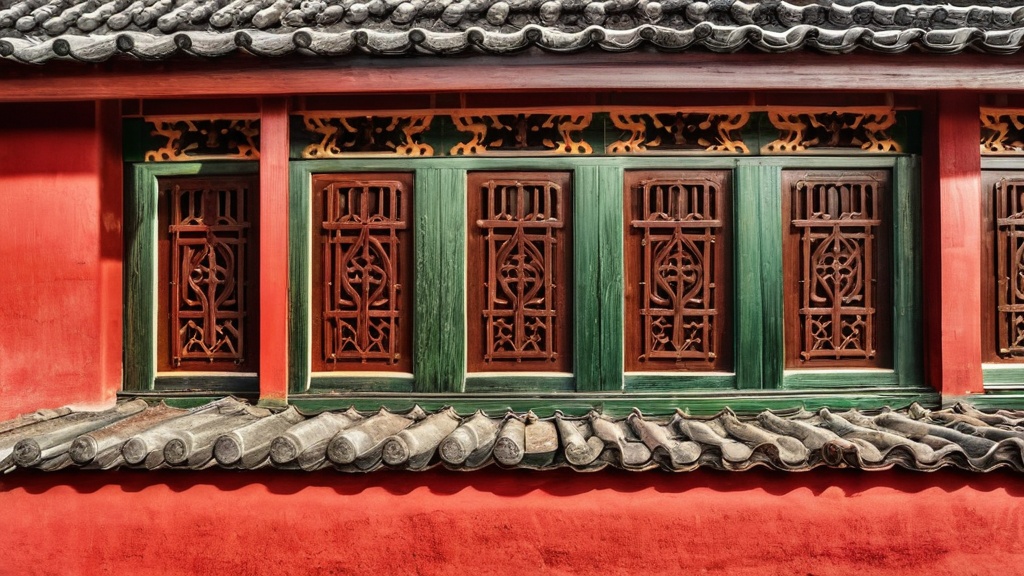
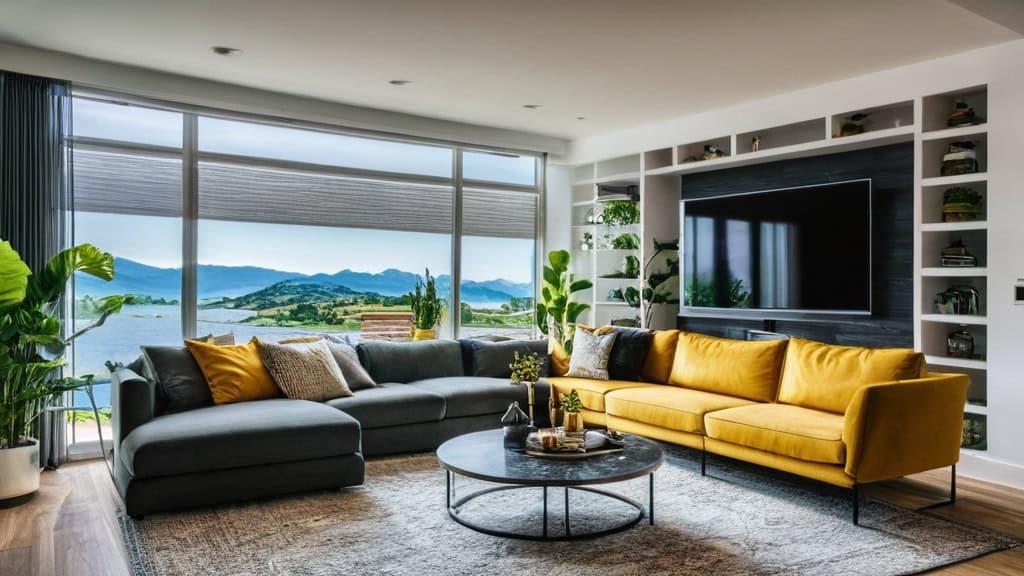
Research indicates that home environment design significantly influences psychological well-being and stress levels. A well-designed living space functions as a restorative environment that supports mental health recovery and emotional regulation after daily stressors. Studies demonstrate that specific design elements directly affect cortisol levels, sleep quality, and cognitive function.
Environmental psychology research shows that organized, thoughtfully designed spaces reduce anxiety and improve focus, while cluttered or poorly planned environments can elevate stress hormones and impair mental clarity. Key design factors that contribute to stress reduction include spatial organization, color psychology, lighting quality, and biophilic design elements. Decluttering reduces visual overstimulation and cognitive load, while strategic color selection can influence mood and energy levels.
Natural light exposure regulates circadian rhythms, and incorporating plants or natural materials has been shown to lower blood pressure and improve air quality. These evidence-based design principles create measurable improvements in occupant well-being and stress management.
Key Takeaways
- Stress-free home design focuses on creating calm, organized, and comfortable living environments.
- Decluttering and organizing are essential for reducing stress and enhancing space functionality.
- Using relaxing color palettes and natural elements promotes tranquility and well-being.
- Functional, multi-purpose furniture maximizes space efficiency and usability.
- Proper lighting, ventilation, and cozy bedroom setups contribute to a peaceful atmosphere.
Decluttering and Organizing Your Space
One of the first steps in achieving a stress-free home is decluttering and organizing your space. You may find that a cluttered environment can lead to feelings of anxiety and overwhelm. By taking the time to sort through your belongings, you can create a more peaceful atmosphere.
Start by assessing each room in your home and identifying items that no longer serve a purpose or bring you joy. This process can be liberating, allowing you to let go of the past and make room for new experiences. Once you’ve decluttered, focus on organizing your remaining belongings in a way that promotes ease and accessibility.
Consider investing in storage solutions that suit your style and needs, such as baskets, shelves, or decorative boxes. By creating designated spaces for your items, you’ll find it easier to maintain order in your home. A well-organized space not only looks visually appealing but also fosters a sense of calm, allowing you to navigate your daily life with greater ease.
Creating a Relaxing Color Palette
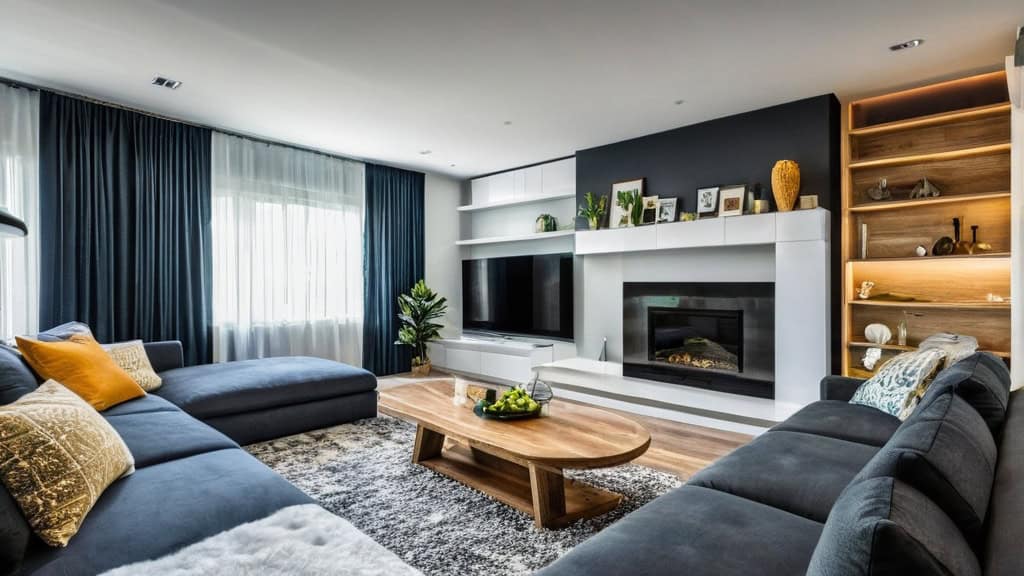
The colors you choose for your home can have a profound effect on your mood and overall sense of well-being. When designing a stress-free environment, it’s essential to select a relaxing color palette that promotes tranquility. Soft, muted tones such as pastels, earth tones, or cool shades can create a soothing atmosphere that encourages relaxation.
In addition to wall colors, think about how you can use accents to enhance the overall ambiance of your space. Textiles like cushions, throws, and rugs can introduce warmth and comfort while reinforcing your chosen color scheme.
By thoughtfully curating your color palette, you can create a cohesive look that invites serenity into your home. Remember, the goal is to create an environment that feels harmonious and calming, allowing you to escape the stresses of daily life.
Incorporating Natural Elements and Greenery
Bringing nature indoors is another effective way to cultivate a stress-free home design. Incorporating natural elements and greenery can significantly enhance the atmosphere of your living space. Plants not only improve air quality but also add life and vibrancy to your home.
You might consider adding potted plants, hanging planters, or even a small indoor garden to create a refreshing environment that connects you with nature. In addition to plants, consider using natural materials in your decor and furnishings. Wood, stone, and organic textiles can evoke a sense of warmth and grounding in your space.
By blending these elements into your design, you create an inviting atmosphere that encourages relaxation and mindfulness. The presence of nature in your home can serve as a reminder to slow down and appreciate the beauty around you, fostering a deeper sense of peace.
Utilizing Functional and Multi-Purpose Furniture
| Metric | Description | Recommended Value/Feature | Benefit |
|---|---|---|---|
| Natural Light Exposure | Amount of natural sunlight entering living spaces | At least 4 hours/day | Improves mood and reduces stress |
| Indoor Air Quality | Level of pollutants and fresh air circulation | CO2 levels below 1000 ppm | Enhances respiratory health and comfort |
| Noise Level | Ambient sound within the home | Below 40 dB in living areas | Promotes relaxation and better sleep |
| Clutter-Free Space | Amount of organized and tidy areas | Minimal visible clutter | Reduces anxiety and improves focus |
| Color Palette | Use of calming colors in design | Soft blues, greens, neutrals | Creates a soothing environment |
| Ergonomic Furniture | Furniture designed for comfort and support | Adjustable chairs and supportive seating | Prevents physical discomfort and stress |
| Biophilic Elements | Incorporation of natural elements like plants | Indoor plants in every main room | Enhances connection to nature and calmness |
| Temperature Control | Ability to maintain comfortable indoor temperature | Between 68-72°F (20-22°C) | Improves comfort and reduces irritability |
In the quest for a stress-free home, functionality is key. Choosing furniture that serves multiple purposes can help maximize your space while minimizing clutter. For instance, consider investing in a sofa bed for your living room or an ottoman with hidden storage capabilities.
These versatile pieces not only save space but also contribute to an organized environment where everything has its place. When selecting furniture, prioritize comfort alongside functionality. A cozy chair or a well-designed desk can enhance your daily experience at home.
By choosing pieces that cater to both aesthetics and practicality, you create an environment that supports your lifestyle while promoting relaxation. Remember, the goal is to create spaces that are not only beautiful but also serve your needs effectively.
Implementing Proper Lighting and Ventilation
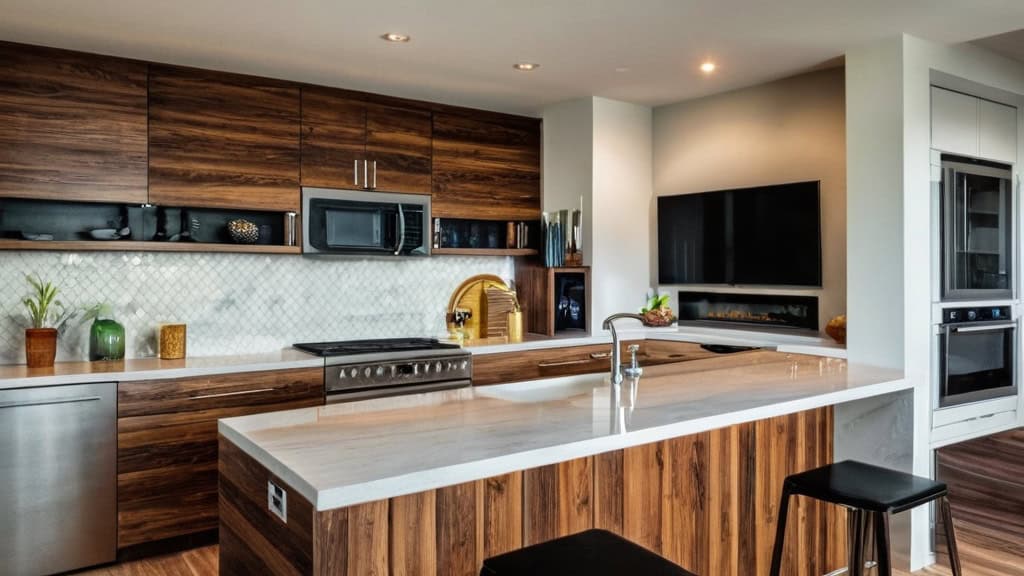
Lighting plays a crucial role in setting the mood of any space. To achieve a stress-free home design, it’s essential to implement proper lighting that enhances the overall ambiance. Natural light is particularly beneficial for creating an uplifting atmosphere; therefore, consider maximizing windows and using sheer curtains to allow sunlight to filter through.
You might also explore options for skylights or light tubes if feasible. In addition to natural light, think about layering different types of artificial lighting throughout your home. Ambient lighting provides overall illumination, while task lighting focuses on specific areas where activities take place.
Accent lighting can highlight artwork or architectural features, adding depth and interest to your space. Proper ventilation is equally important; fresh air circulation contributes to a healthy environment that promotes relaxation and well-being.
Designing a Tranquil and Cozy Bedroom
Your bedroom should be a sanctuary where you can retreat from the world and recharge your energy. To design a tranquil and cozy bedroom, start by selecting calming colors for the walls and bedding. Soft linens, plush pillows, and comfortable mattresses are essential for creating an inviting atmosphere conducive to restful sleep.
Consider incorporating elements that promote relaxation in your bedroom design. A reading nook with soft lighting or a small meditation corner can provide spaces for quiet reflection or leisure activities. Additionally, minimizing electronic devices in the bedroom can help create a more peaceful environment free from distractions.
By focusing on comfort and tranquility in this personal space, you’ll foster an atmosphere that encourages restorative sleep and rejuvenation.
Establishing a Zen-Inspired Outdoor Space
Finally, don’t overlook the potential of outdoor spaces in contributing to a stress-free home design. Establishing a Zen-inspired outdoor area can provide you with an additional sanctuary where you can connect with nature and unwind. Consider creating a small garden filled with native plants or incorporating elements like rocks, water features, or pathways made from natural materials.
Creating comfortable seating areas outdoors allows you to enjoy fresh air while engaging in activities like reading or meditating.
By designing an outdoor space that reflects tranquility and harmony with nature, you’ll have another refuge where you can escape the stresses of daily life.
In conclusion, designing a stress-free home involves thoughtful consideration of various elements that contribute to relaxation and well-being. From decluttering and organizing to selecting calming colors and incorporating natural elements, each choice plays a vital role in shaping your living environment. By prioritizing functionality, comfort, and tranquility throughout your home—both indoors and outdoors—you can create a sanctuary that nurtures your spirit and enhances your overall quality of life.
Embrace this journey toward stress-free living; it’s an investment in yourself and your happiness.
Creating a stress-free home design involves more than just aesthetics; it also incorporates elements that promote relaxation and well-being. One effective way to enhance your home environment is by integrating mindfulness practices into your daily routine. For insights on how mindfulness can transform your approach to stress relief, you can read more in this article on best relaxation exercises for stress relief. By combining these techniques with thoughtful design choices, you can cultivate a serene and harmonious living space.
FAQs
What is stress-free home design?
Stress-free home design refers to creating living spaces that promote relaxation, comfort, and mental well-being by minimizing clutter, optimizing natural light, using calming colors, and incorporating elements that reduce stress.
How can lighting affect stress levels in home design?
Natural lighting helps regulate circadian rhythms and improve mood, while soft, warm artificial lighting can create a calming atmosphere. Proper lighting reduces eye strain and enhances overall comfort, contributing to a stress-free environment.
What role does color play in stress-free home design?
Colors like soft blues, greens, and neutrals are known to have calming effects and can reduce anxiety. Avoiding overly bright or harsh colors helps maintain a peaceful ambiance in the home.
Why is decluttering important in stress-free home design?
Clutter can cause feelings of chaos and overwhelm. Keeping spaces organized and free of unnecessary items promotes mental clarity and relaxation, making the home feel more serene.
How can furniture arrangement contribute to a stress-free home?
Arranging furniture to allow easy movement and creating cozy, inviting areas encourages relaxation and social interaction. Avoiding overcrowding and ensuring functional layouts reduce stress and improve comfort.
What types of materials are recommended for stress-free home design?
Natural materials like wood, cotton, linen, and stone are preferred because they create a warm, organic feel that connects occupants with nature, which can reduce stress.
Can incorporating plants help in stress-free home design?
Yes, indoor plants improve air quality and add a natural element that promotes calmness and reduces stress. They also enhance the aesthetic appeal of the home.
How does noise control factor into stress-free home design?
Minimizing noise through soundproofing, using soft textiles, and creating quiet zones helps reduce stress and improve relaxation within the home.
Is it important to personalize a stress-free home design?
Personalizing a space with meaningful decor and items that bring joy can enhance comfort and emotional well-being, contributing to a stress-free environment.
Can technology be integrated into stress-free home design?
Yes, smart home technology can automate lighting, temperature, and sound to create a comfortable and stress-reducing atmosphere, but it should be used thoughtfully to avoid adding complexity or distractions.