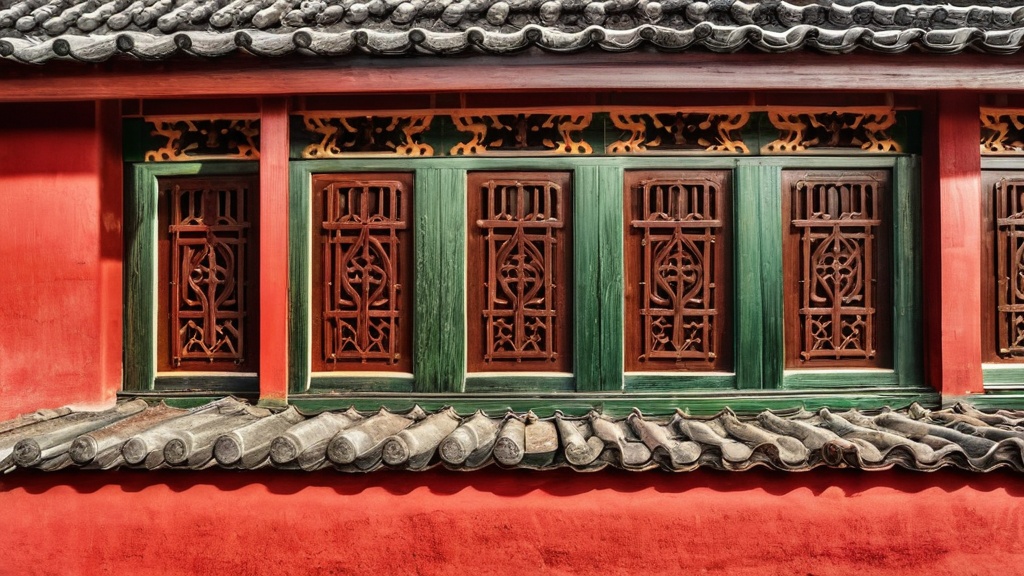
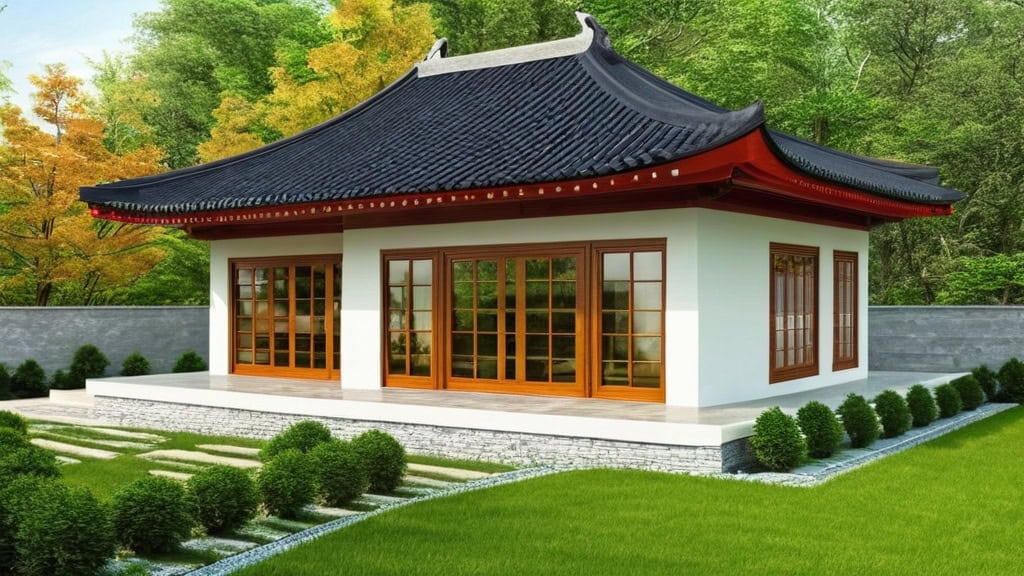
Feng Shui, an ancient Chinese practice, revolves around the belief that the arrangement of your living space can significantly influence your life. At its core, Feng Shui is about creating harmony between individuals and their environment. When you consider Feng Shui house plans, you are not merely looking at blueprints; you are engaging with a philosophy that emphasizes balance, energy flow, and the connection between the physical and spiritual realms.
As you delve into the intricacies of Feng Shui, you will discover that it is not just about aesthetics but also about the energy, or “Chi,” that flows through your space. Each element in your home, from the layout to the materials used, plays a role in this energy flow.
By understanding how to harness and direct Chi, you can create a sanctuary that promotes health, prosperity, and happiness. This understanding will guide you in making informed decisions about your home’s design and layout, ensuring that every corner of your space contributes positively to your life.
Key Takeaways
- Feng Shui house plans focus on creating harmonious energy flow within the home layout.
- Selecting a home location with good natural surroundings enhances positive energy.
- Proper room arrangement and pathways promote smooth chi circulation throughout the house.
- Using natural elements like wood, water, and plants supports balance and vitality indoors.
- Thoughtful placement of furniture, colors, and decor fosters a peaceful and harmonious living environment.
Choosing the Right Location for Your Home
The location of your home is one of the most critical aspects of Feng Shui. When selecting a site, you should consider not only the physical attributes of the land but also its energetic qualities. Ideally, you want to choose a location that feels harmonious and supportive.
Look for areas with natural beauty, such as proximity to water bodies or lush greenery, as these elements are believed to enhance positive energy. Additionally, consider the surrounding environment; a peaceful neighborhood with minimal disturbances can significantly impact your overall well-being. As you evaluate potential locations, pay attention to the topography and orientation of the land.
A home situated on a gentle slope with a clear view of the horizon is often considered ideal in Feng Shui. This positioning allows for an unobstructed flow of Chi and provides a sense of security and stability. Furthermore, think about accessibility and convenience; being close to essential amenities while maintaining a tranquil atmosphere can create a perfect balance between comfort and serenity in your life.
Designing the Layout for Positive Energy Flow
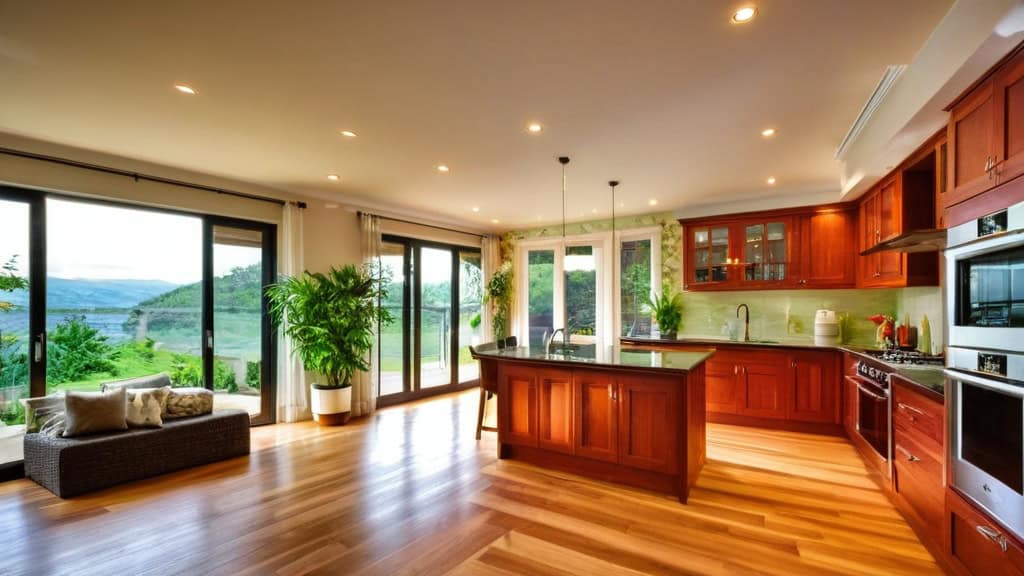
Once you have chosen the right location for your home, the next step is to design a layout that promotes positive energy flow. In Feng Shui, the concept of “Bagua” is essential; it is an energy map that divides your space into nine areas, each corresponding to different aspects of life such as wealth, health, and relationships. By applying this map to your home’s layout, you can identify which areas need attention and how to enhance them.
When designing your layout, consider open spaces that allow for easy movement and circulation of Chi. Avoid cluttered areas that can block energy flow; instead, aim for a harmonious arrangement where each room serves its purpose without overwhelming the senses. The placement of doors and windows is also crucial; they should be positioned to invite natural light and fresh air while allowing Chi to flow freely throughout your home.
By thoughtfully considering these elements, you can create a layout that fosters positivity and well-being.
Incorporating Natural Elements into Your Home
Integrating natural elements into your home is a fundamental aspect of Feng Shui that enhances the overall energy of your space. Nature has an innate ability to ground us and promote tranquility, making it essential to bring these elements indoors. You can start by incorporating plants into your decor; they not only purify the air but also symbolize growth and vitality.
Choose plants that thrive in your environment and resonate with you personally, as their energy will contribute positively to your home. In addition to plants, consider using natural materials in your furnishings and decor. Wood, stone, and bamboo are excellent choices that connect you with nature while adding warmth and texture to your space.
Natural light is another vital component; maximize sunlight by using sheer curtains or strategically placing mirrors to reflect light throughout your home. By embracing these natural elements, you create an inviting atmosphere that nurtures both body and spirit.
Selecting Colors and Materials for Balance and Harmony
| Feng Shui Element | Recommended Placement | Purpose/Benefit | Common Metrics |
|---|---|---|---|
| Front Door | Facing auspicious direction (e.g., South, Southeast) | Attract positive energy (Chi) into the home | Orientation angle (degrees), Door size (width x height) |
| Living Room | Located near the front entrance, spacious and well-lit | Enhance social harmony and family bonding | Room area (sq ft), Natural light hours per day |
| Kitchen | Positioned in the southeast or east sector | Promote health and prosperity | Distance from front door (ft), Ventilation rate (air changes per hour) |
| Bedroom | Located in the southwest or northwest sector | Encourage restful sleep and relationship harmony | Bed orientation (degrees), Room size (sq ft) |
| Bathroom | Placed away from the kitchen and front door | Prevent energy drain and maintain cleanliness | Distance from kitchen/front door (ft), Ventilation quality |
| Water Features | Located in the north or east sectors | Attract wealth and abundance | Water flow direction, Size of water feature (sq ft) |
| Staircase | Avoid facing front door directly | Prevent energy from rushing out of the home | Staircase angle (degrees), Distance from front door (ft) |
Color plays a significant role in Feng Shui, as it can influence mood and energy levels within your home. Each color corresponds to different emotions and energies; for instance, blues promote calmness while reds evoke passion. When selecting colors for your home, consider how each hue resonates with you personally and how it aligns with the specific areas of your life you wish to enhance according to the Bagua map.
Materials also contribute to the overall balance and harmony of your space. Opt for sustainable materials that reflect your values while promoting a sense of well-being. Natural fibers like cotton or wool can create a cozy atmosphere, while metals like brass or copper can add a touch of elegance.
By thoughtfully choosing colors and materials that resonate with you and support positive energy flow, you can create a harmonious environment that nurtures both mind and body.
Placing Furniture and Decor for Optimal Chi
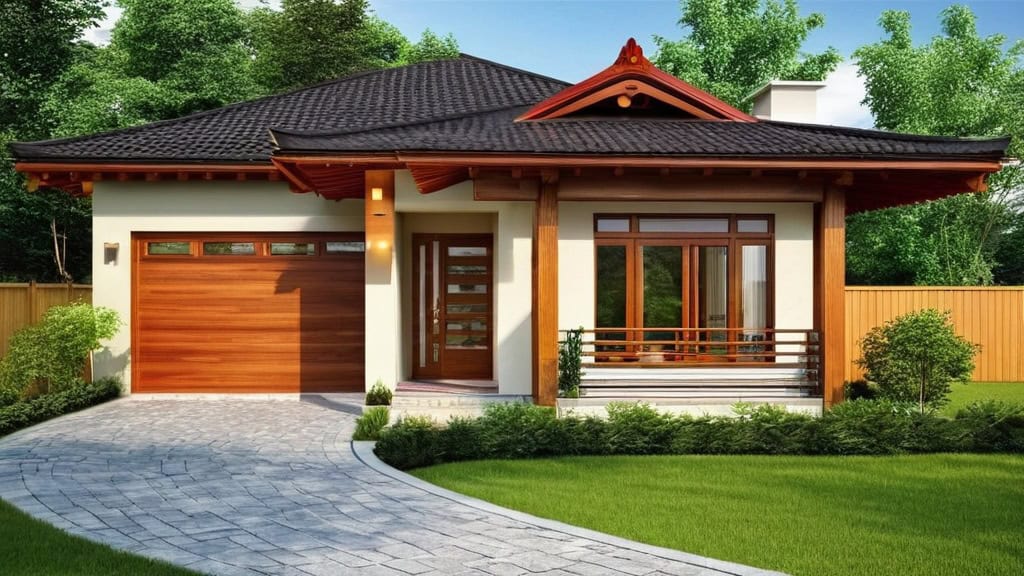
The arrangement of furniture and decor is crucial in Feng Shui as it directly impacts the flow of Chi within your home. When placing furniture, aim for a layout that encourages conversation and connection while allowing for easy movement throughout the space. Avoid placing furniture in a way that blocks pathways or creates sharp corners; instead, opt for rounded edges and soft lines that promote a gentle flow of energy.
Additionally, consider the placement of mirrors in your home. Mirrors can be powerful tools in Feng Shui; they reflect light and energy while expanding spaces visually. However, be mindful of where you place them; avoid positioning mirrors directly facing doors or windows as they can push Chi away from your home.
By strategically arranging furniture and decor with these principles in mind, you can cultivate an environment that supports optimal Chi flow and enhances your overall well-being.
Implementing Feng Shui Principles in Outdoor Spaces
Feng Shui extends beyond the confines of your home; it also encompasses outdoor spaces such as gardens, patios, or balconies. These areas play a vital role in creating a harmonious environment that supports relaxation and rejuvenation. Start by assessing your outdoor space for any clutter or stagnant energy; clear away debris or dead plants to invite fresh Chi into the area.
Incorporating natural elements into your outdoor spaces is equally important. Consider adding water features like fountains or ponds, as they symbolize abundance and prosperity in Feng Shui. Additionally, planting vibrant flowers or creating lush greenery can enhance the beauty of your outdoor area while promoting positive energy flow.
By implementing these principles outdoors, you create a seamless connection between your indoor and outdoor environments, fostering balance and harmony throughout your entire living space.
Maintaining Balance and Harmony in Your Home
Creating a harmonious living environment is an ongoing process that requires regular attention and care. To maintain balance in your home, regularly assess the energy flow within each room. Pay attention to any areas that feel stagnant or cluttered; these spaces may need reorganization or refreshing to invite new energy into your life.
Regularly decluttering not only clears physical space but also allows for mental clarity.
As seasons shift, so do energies; adapt your decor and arrangements accordingly to reflect these changes.
For instance, during springtime, embrace lighter colors and fresh flowers to symbolize renewal and growth. By staying attuned to both the physical and energetic aspects of your home, you can cultivate an environment that continually supports balance and harmony in all aspects of your life. In conclusion, embracing Feng Shui principles in your home design is not merely about aesthetics; it is about creating a nurturing environment that enhances well-being on multiple levels.
From understanding house plans to maintaining balance over time, each step contributes to cultivating positive energy flow within your living space. By thoughtfully considering location, layout, natural elements, colors, materials, furniture placement, outdoor spaces, and ongoing maintenance, you can transform your home into a sanctuary that supports health, happiness, and prosperity.
FAQs
What is a Feng Shui house plan?
A Feng Shui house plan is a design layout that follows the principles of Feng Shui, an ancient Chinese practice aimed at harmonizing individuals with their surrounding environment. These plans focus on the flow of energy (Qi) to promote health, prosperity, and well-being.
How does Feng Shui influence house design?
Feng Shui influences house design by optimizing the placement of rooms, doors, windows, and furniture to ensure positive energy flow. It considers factors such as orientation, natural light, and the balance of the five elements (wood, fire, earth, metal, and water).
Are Feng Shui house plans suitable for all types of homes?
Yes, Feng Shui principles can be applied to various types of homes, including apartments, single-family houses, and multi-story buildings. The key is adapting the guidelines to the specific layout and environment of the property.
What are the key elements considered in Feng Shui house plans?
Key elements include the orientation of the house, the location of the main entrance, the arrangement of rooms (such as bedrooms, kitchen, and living areas), the use of colors and materials, and the incorporation of natural elements to balance energy.
Can Feng Shui house plans improve health and well-being?
Many practitioners believe that Feng Shui house plans can enhance health and well-being by creating a balanced and harmonious living environment that reduces stress and promotes positive energy flow.
Is professional consultation necessary for creating a Feng Shui house plan?
While basic Feng Shui principles can be applied by homeowners, consulting a professional Feng Shui expert is recommended for personalized and accurate house plans, especially for new constructions or major renovations.
Do Feng Shui house plans consider the surrounding environment?
Yes, Feng Shui takes into account the external environment, including the landscape, nearby structures, water bodies, and natural features, as these factors influence the flow of energy into the home.
Can Feng Shui house plans be combined with modern architectural styles?
Absolutely. Feng Shui principles can be integrated with modern architectural designs to create aesthetically pleasing and energetically balanced homes.
Are there any common mistakes to avoid in Feng Shui house planning?
Common mistakes include blocking natural light, placing the main entrance in an unfavorable direction, cluttered spaces that hinder energy flow, and ignoring the balance of the five elements.
Where can I find Feng Shui house plan templates or resources?
Feng Shui house plan templates and resources are available through Feng Shui books, online websites, architectural firms specializing in Feng Shui, and consultations with certified Feng Shui practitioners.