Feng Shui, an ancient Chinese practice, revolves around the idea that the arrangement of your environment can significantly influence your life. At its core, Feng Shui is about creating harmony between individuals and their surroundings. You may find that by understanding the principles of Feng Shui, you can enhance your well-being, promote positive energy, and create a more balanced living space.
The practice is rooted in the belief that everything in your environment is interconnected, and by adjusting your space, you can invite prosperity, health, and happiness into your life. To begin your journey into Feng Shui, it’s essential to familiarize yourself with key concepts such as Chi (or Qi), which refers to the life force or energy that flows through everything. You might also encounter the Bagua map, a tool used to analyze the energy of different areas in your home.
Each section of the Bagua corresponds to specific aspects of life, such as wealth, relationships, and health.
Key Takeaways
- Feng Shui principles focus on balancing energy flow through thoughtful home design and arrangement.
- Incorporating the five elements—wood, fire, earth, metal, and water—creates harmony and positive energy.
- Strategic furniture placement and decor enhance energy circulation and promote well-being.
- Color choices and lighting play crucial roles in establishing balance and a calming atmosphere.
- Selecting appropriate materials and textures supports a peaceful, productive, and harmonious living environment.
Incorporating the Five Elements into Your Home Design
The Five Elements—Wood, Fire, Earth, Metal, and Water—are fundamental to Feng Shui and play a crucial role in creating a balanced environment. Each element represents different qualities and energies that can influence your space. As you consider incorporating these elements into your home design, think about how each one resonates with you and the atmosphere you wish to cultivate.
For instance, Wood symbolizes growth and vitality; you might introduce plants or wooden furniture to evoke this energy. Fire represents passion and transformation. You could incorporate candles or artwork featuring warm colors to ignite this element in your space.
Earth brings stability and nourishment; consider using earthy tones or ceramic decor to ground your environment. Metal signifies clarity and precision; metallic accents or sculptures can enhance this energy. Lastly, Water embodies flow and abundance; adding a water feature or mirrors can help invite this element into your home.
By thoughtfully integrating these elements, you can create a harmonious atmosphere that supports your intentions and aspirations.
Arranging Furniture and Decor to Enhance Energy Flow
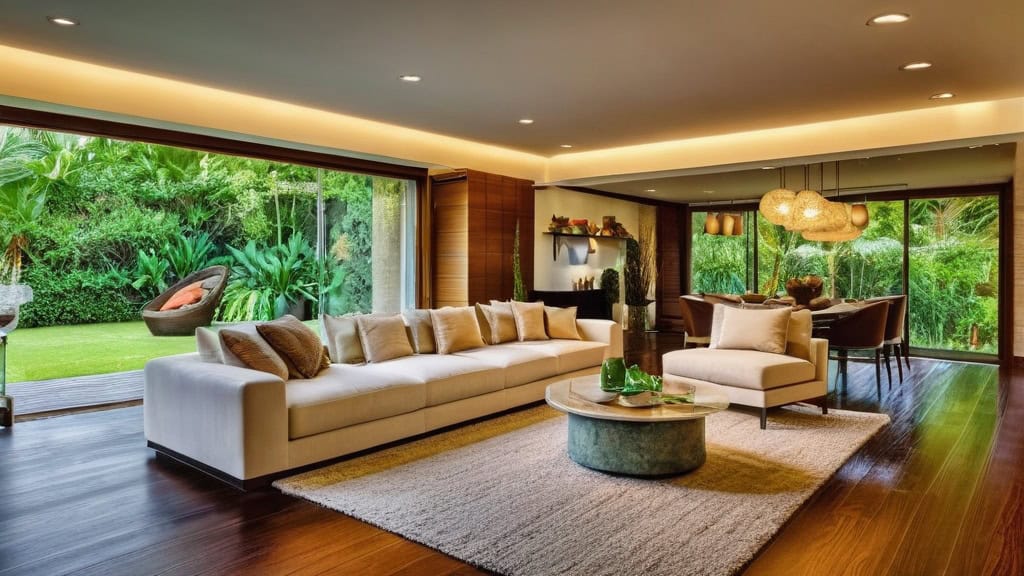
The arrangement of furniture and decor is vital in Feng Shui as it directly impacts the flow of Chi throughout your space. You may want to start by assessing the layout of each room. Ideally, furniture should be positioned to promote easy movement and accessibility while avoiding cluttered pathways that can obstruct energy flow.
For example, placing your sofa against a wall can create a sense of security while allowing for open space in front for movement. Additionally, consider the placement of key furniture pieces like beds and desks. In a bedroom, positioning your bed diagonally from the door allows you to see who enters while still feeling secure.
In a home office, placing your desk in a commanding position—where you can see the door without being directly in line with it—can enhance focus and productivity. By being mindful of how you arrange your furniture, you can create an environment that encourages positive energy flow and supports your daily activities.
Using Color and Lighting to Create Balance and Harmony
Color plays a significant role in Feng Shui as it can evoke specific emotions and energies within a space. When selecting colors for your home, consider how they align with the feelings you want to cultivate. For instance, soft blues and greens can create a calming atmosphere, making them ideal for bedrooms or relaxation areas.
On the other hand, vibrant reds or oranges can stimulate energy and creativity, making them suitable for spaces where you work or engage in creative activities. Lighting is equally important in establishing balance and harmony within your home. Natural light is considered the best source of Chi; therefore, maximizing daylight through windows or mirrors can enhance the energy in your space.
You might also want to incorporate various lighting options—such as soft lamps for cozy evenings or brighter lights for workspaces—to create versatility in mood and ambiance. By thoughtfully choosing colors and lighting, you can significantly influence the energy of your home, making it a more inviting and harmonious place to live.
Choosing the Right Materials and Textures for a Harmonious Space
| Feng Shui Element | Associated Colors | Common Placement | Impact on Home Design | Recommended Materials |
|---|---|---|---|---|
| Wood | Green, Brown | East, Southeast | Promotes growth, vitality, and health | Wood, Plants, Bamboo |
| Fire | Red, Orange, Purple | South | Enhances passion, energy, and fame | Candles, Lights, Electronics |
| Earth | Yellow, Beige, Brown | Center, Northeast, Southwest | Stability, nourishment, and grounding | Clay, Ceramics, Stone |
| Metal | White, Gray, Silver | West, Northwest | Clarity, precision, and efficiency | Metal, Aluminum, Iron |
| Water | Blue, Black | North | Calmness, abundance, and career growth | Water features, Mirrors, Glass |
The materials and textures you select for your home can greatly impact its overall energy. In Feng Shui, natural materials are often preferred as they resonate with the Earth element and promote a sense of grounding. You might consider incorporating wood, stone, cotton, or wool into your decor to create a warm and inviting atmosphere.
These materials not only add visual interest but also connect you to nature, fostering a sense of tranquility. Textures also play a crucial role in creating balance within your space. Mixing different textures—such as smooth surfaces with rough ones—can add depth and dimension to a room.
For example, pairing a plush rug with sleek furniture creates an inviting contrast that encourages relaxation while maintaining modernity. Additionally, be mindful of how these materials feel; soft fabrics can evoke comfort while harder surfaces may promote clarity and focus. By carefully selecting materials and textures that resonate with you, you can create a harmonious environment that reflects your personal style while adhering to Feng Shui principles.
Creating a Tranquil and Relaxing Bedroom with Feng Shui Principles
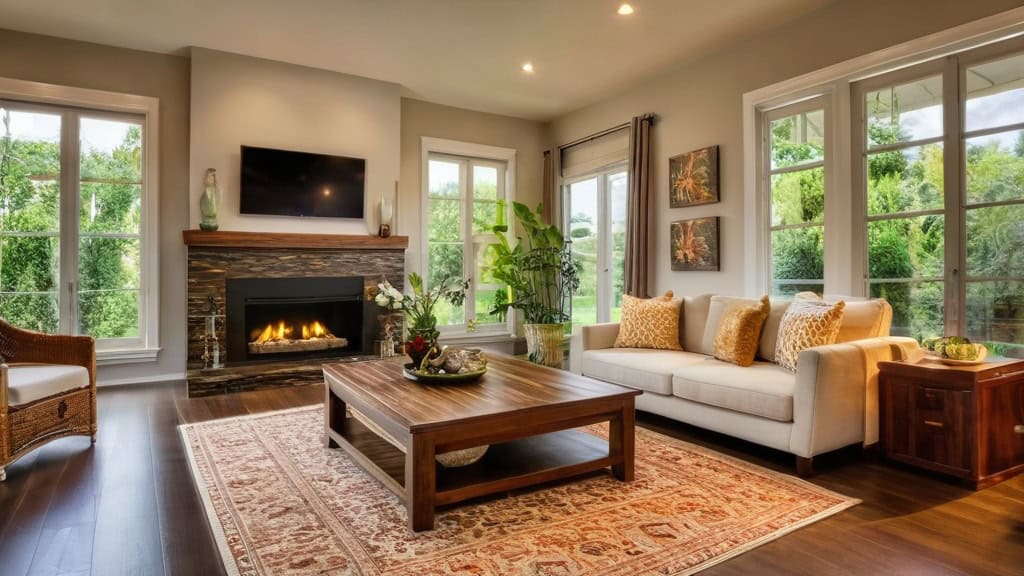
Your bedroom should be a sanctuary—a place where you can unwind and recharge after a long day. To create a tranquil environment using Feng Shui principles, start by decluttering the space. A clutter-free bedroom promotes relaxation by allowing Chi to flow freely.
Consider removing items that do not belong in the bedroom or that evoke negative emotions; this will help create a serene atmosphere conducive to rest. Next, focus on the arrangement of furniture within the room. Positioning your bed away from direct alignment with the door while still allowing visibility creates a sense of security.
You might also want to use soft bedding in calming colors to enhance relaxation further. Incorporating elements like soothing artwork or gentle lighting can contribute to an overall sense of peace. By prioritizing tranquility in your bedroom design, you’ll foster an environment that supports restful sleep and rejuvenation.
Enhancing Productivity and Creativity in Your Home Office with Feng Shui
Your home office should inspire productivity and creativity while providing an environment conducive to focused work. To achieve this using Feng Shui principles, start by ensuring that your workspace is organized and free from distractions. A cluttered desk can hinder creativity; therefore, consider implementing storage solutions that keep essential items within reach while maintaining an orderly appearance.
Positioning your desk in a commanding position allows you to see the entrance without being directly in line with it—this fosters a sense of control over your workspace. Additionally, incorporating elements that inspire creativity—such as artwork or plants—can enhance motivation and innovation.
By creating an office space that aligns with Feng Shui principles, you’ll cultivate an environment that encourages focus and sparks creativity.
Bringing Peace and Balance to Your Outdoor Spaces with Feng Shui Design
Outdoor spaces are just as important as indoor ones when it comes to Feng Shui design. Your garden or patio should reflect harmony with nature while providing a peaceful retreat from daily life. Start by assessing the layout of your outdoor area; ensure pathways are clear and inviting while allowing for easy movement throughout the space.
Incorporating natural elements such as plants, water features, or stones can enhance the energy of your outdoor area. You might consider adding seating areas that encourage relaxation or social interaction while being mindful of their placement concerning surrounding elements. Additionally, using color through flowers or outdoor decor can evoke specific feelings—bright blooms may energize while soft greens promote tranquility.
By thoughtfully designing your outdoor spaces with Feng Shui principles in mind, you’ll create an oasis that brings peace and balance into your life. In conclusion, embracing Feng Shui principles in your home design can lead to profound changes in your well-being and overall quality of life. By understanding its basics, incorporating the Five Elements, arranging furniture thoughtfully, using color and lighting effectively, selecting appropriate materials, creating tranquil spaces like bedrooms and offices, and enhancing outdoor areas, you can cultivate an environment that supports harmony and balance in every aspect of your life.
As you embark on this journey toward creating a more harmonious living space, remember that small changes can lead to significant transformations over time.
FAQs
What is Feng Shui home design?
Feng Shui home design is an ancient Chinese practice that focuses on arranging living spaces to promote harmony, balance, and positive energy flow. It involves the strategic placement of furniture, colors, and decor to enhance well-being and prosperity.
How does Feng Shui affect the energy in a home?
Feng Shui aims to optimize the flow of “Chi” or life energy within a home. Proper arrangement and design help eliminate blockages and create a balanced environment that supports health, happiness, and success.
What are the basic principles of Feng Shui in home design?
Key principles include the Bagua map for energy zones, the five elements (wood, fire, earth, metal, water), balance of yin and yang, and ensuring clear pathways for energy flow. Placement of doors, windows, furniture, and colors are all considered.
Can Feng Shui be applied to any type of home?
Yes, Feng Shui principles can be adapted to any home style or size, whether it is an apartment, townhouse, or detached house. The goal is to create a harmonious environment regardless of the architectural design.
What are some common Feng Shui tips for the living room?
Common tips include positioning seating to face the main door, avoiding clutter, incorporating natural light, using balanced colors, and placing plants to enhance vitality and air quality.
Is Feng Shui only about furniture placement?
No, Feng Shui encompasses more than furniture placement. It also involves color schemes, lighting, use of mirrors, choice of materials, and incorporating elements that represent the five natural elements to create balance.
How important is the entrance in Feng Shui home design?
The entrance is considered the “mouth of Chi” where energy enters the home. It should be clean, well-lit, and inviting to allow positive energy to flow freely into the space.
Can Feng Shui help improve health and relationships?
Many practitioners believe that Feng Shui can positively influence health, relationships, and overall well-being by creating a supportive and balanced living environment.
Do I need a Feng Shui expert to design my home?
While consulting a Feng Shui expert can provide personalized guidance, many basic Feng Shui principles can be applied by homeowners through research and simple adjustments.
Are there any Feng Shui colors recommended for home design?
Yes, colors are chosen based on the five elements and the specific energy zones of the home. For example, blue and black represent water and promote calmness, while red represents fire and adds energy. The choice depends on the desired effect in each area.