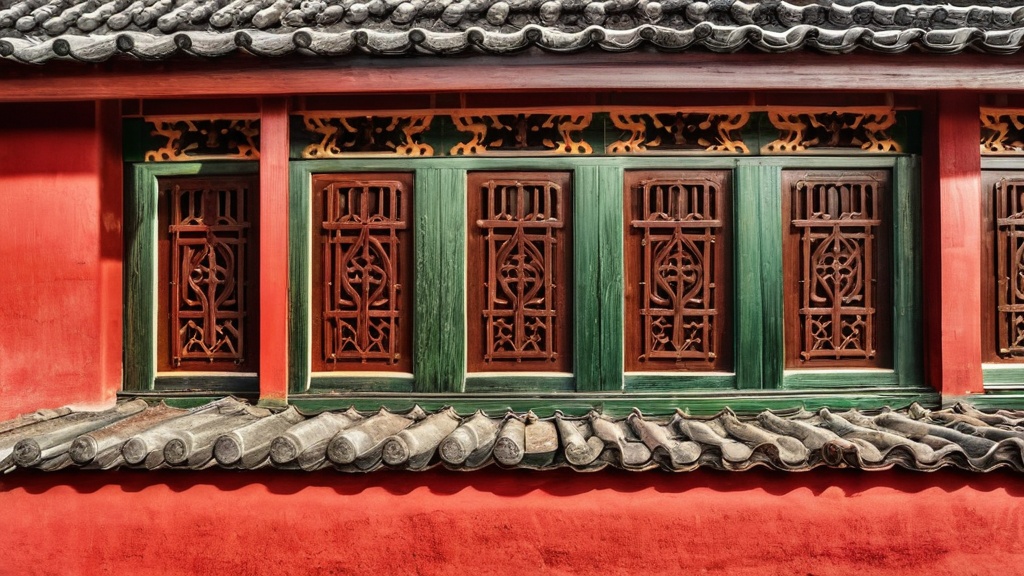
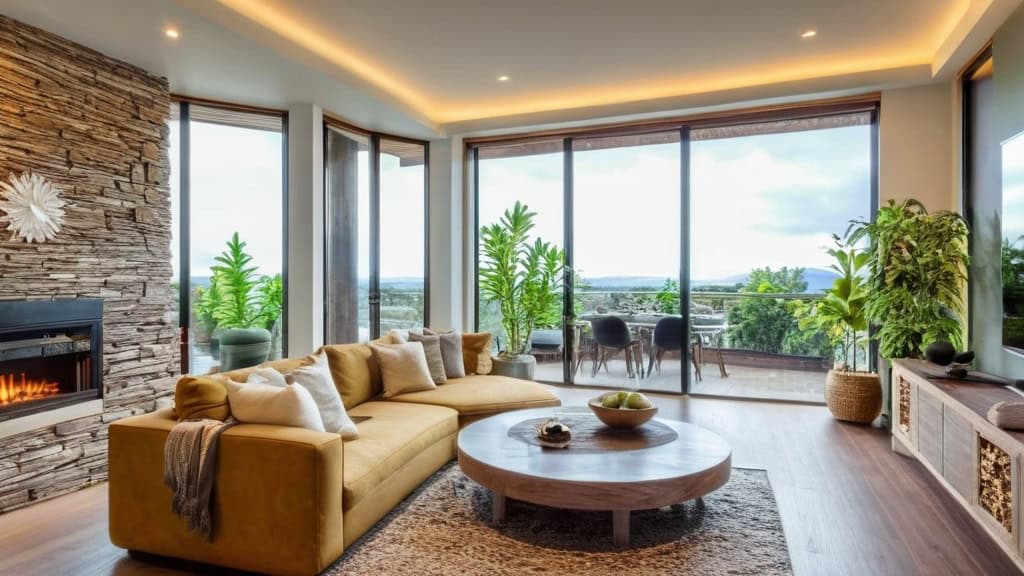
Feng Shui is an ancient Chinese practice that focuses on arranging living spaces to optimize the flow of energy, known as “Chi.” This system extends beyond decorative elements to encompass a comprehensive approach that examines how energy moves through physical environments.
Research and anecdotal evidence suggest that implementing Feng Shui principles may correlate with improvements in interpersonal relationships, reduced stress levels, and enhanced feelings of peace.
The practice emphasizes awareness of one’s physical environment and its potential psychological effects. Feng Shui methodology includes techniques for creating spaces that practitioners claim generate positive energy flow, which may support both personal and professional development.
Key Takeaways
- Feng Shui focuses on harmonizing energy flow within the home to promote well-being.
- Key principles include balance, natural elements, and proper arrangement of spaces.
- Different areas of the home require specific Feng Shui applications for optimal energy.
- Color choices and materials play a crucial role in enhancing positive energy.
- Maintaining balance and harmony involves thoughtful furniture placement and ongoing energy flow adjustments.
Understanding the Principles of Feng Shui
At the core of Feng Shui are several key principles that guide the arrangement and design of your living space. One of the most fundamental concepts is the idea of Chi, which represents the life force or energy that flows through everything. You will learn that the goal of Feng Shui is to cultivate a balanced flow of Chi throughout your home, ensuring that it nourishes and supports you rather than creating obstacles or stagnation.
Another essential principle is the concept of Yin and Yang, which symbolizes the balance between opposing forces. In your home, this means creating a harmonious blend of light and dark, soft and hard, and active and passive elements. By understanding how these forces interact, you can design spaces that feel balanced and inviting.
Additionally, the Bagua map, a tool used in Feng Shui, helps you identify different areas of your home that correspond to various aspects of your life, such as wealth, relationships, and health. Familiarizing yourself with these principles will empower you to make informed decisions as you design your space.
Applying Feng Shui to Different Areas of the Home
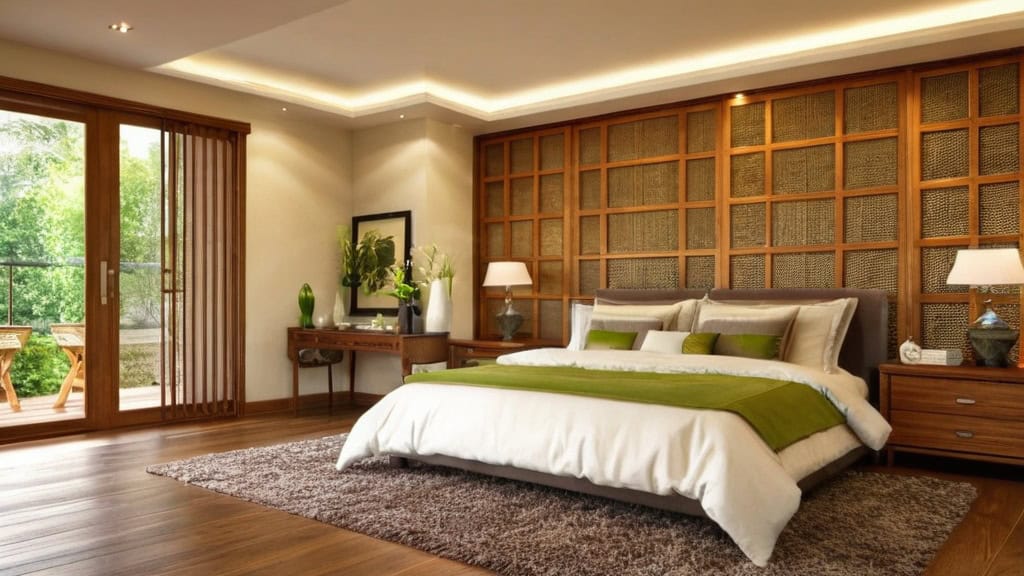
When it comes to applying Feng Shui principles to specific areas of your home, each room serves a unique purpose and requires careful consideration. For instance, the entryway is often referred to as the “mouth of Chi,” as it is where energy enters your home. You should ensure that this space is welcoming and free from clutter, allowing positive energy to flow freely into your living environment.
Consider adding plants or artwork that resonates with you to enhance the energy in this area. In the bedroom, creating a serene atmosphere is crucial for restful sleep and rejuvenation. You may want to position your bed in a commanding position, where you can see the door without being directly in line with it.
This arrangement fosters a sense of security and control over your space. Additionally, incorporating soft lighting and calming colors can help create a peaceful ambiance conducive to relaxation. By thoughtfully applying Feng Shui principles to each area of your home, you can cultivate an environment that supports your well-being.
Choosing Colors and Materials in Feng Shui Design
Color plays a significant role in Feng Shui design, as each hue carries its own energy and symbolism. When selecting colors for your home, consider how they make you feel and what emotions you wish to evoke in each space. For example, warm colors like red and orange can stimulate energy and creativity, making them ideal for social areas like the living room or dining room.
In contrast, cooler colors such as blue and green promote calmness and tranquility, making them suitable for bedrooms or meditation spaces. Materials also hold importance in Feng Shui design. Natural materials like wood, stone, and bamboo are favored as they connect you to nature and promote a sense of grounding.
You might choose wooden furniture or stone accents to enhance the organic feel of your space. Additionally, be mindful of synthetic materials that may disrupt the flow of Chi. By thoughtfully selecting colors and materials that resonate with you and align with Feng Shui principles, you can create a harmonious environment that nurtures your spirit.
Arranging Furniture and Decor in Feng Shui Style
| Feng Shui Element | Associated Colors | Common Materials | Placement Tips | Impact on Home |
|---|---|---|---|---|
| Wood | Green, Brown | Wood, Plants | East or Southeast areas to promote growth and vitality | Enhances health and family harmony |
| Fire | Red, Orange, Purple | Candles, Lights, Electronics | South area to boost fame and reputation | Increases passion and energy |
| Earth | Yellow, Beige, Brown | Clay, Ceramics, Stones | Center, Northeast, Southwest for stability and grounding | Promotes balance and nourishment |
| Metal | White, Gray, Silver | Metal objects, Mirrors | West or Northwest to enhance creativity and helpful people | Improves clarity and precision |
| Water | Blue, Black | Water features, Glass | North area to support career and life path | Encourages flow and abundance |
The arrangement of furniture and decor is crucial in achieving a balanced Feng Shui environment. You should aim for an open layout that allows for easy movement and flow throughout your space. Avoid placing furniture in a way that obstructs pathways or creates sharp angles, as this can lead to stagnant energy.
Instead, consider creating circular or flowing arrangements that encourage conversation and connection among family members and guests. When it comes to decor, choose items that hold personal significance or positive memories for you. Surrounding yourself with meaningful objects can enhance the energy in your home and create a sense of comfort.
Additionally, be mindful of mirrors; while they can amplify light and energy, placing them directly across from doors or windows may cause Chi to bounce away from your space. By arranging furniture and decor thoughtfully, you can cultivate an inviting atmosphere that promotes harmony and connection.
Incorporating Natural Elements in Feng Shui Design
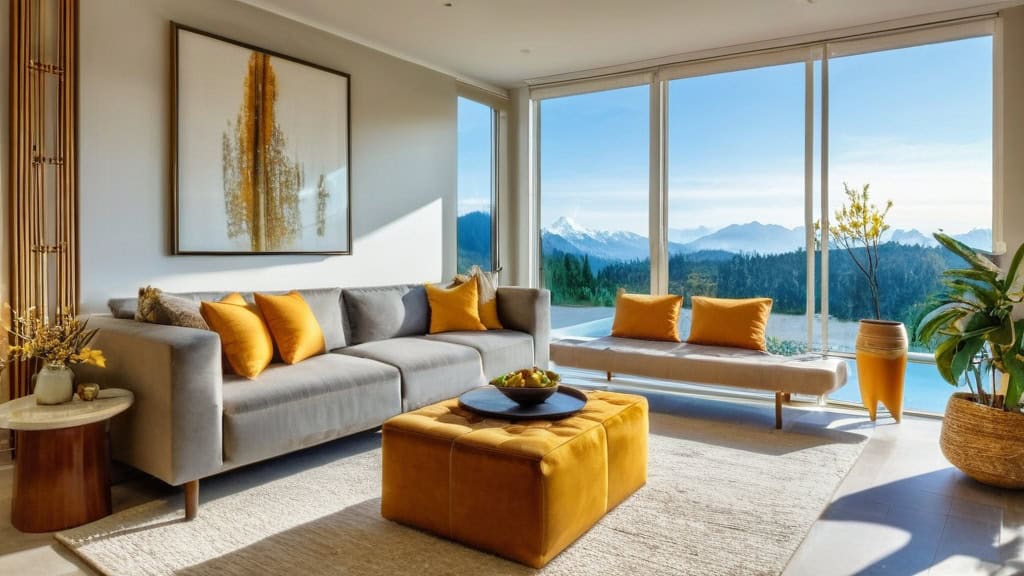
Integrating natural elements into your home design is a fundamental aspect of Feng Shui that fosters a sense of balance and connection to the earth. You might consider incorporating plants into your living spaces, as they not only purify the air but also bring life and vitality into your home.
In addition to plants, consider using natural materials such as wood, stone, or clay in your decor. These elements evoke a sense of grounding and stability while connecting you to nature’s rhythms. You could opt for wooden furniture or stone accents to enhance this connection further.
By incorporating natural elements into your design, you create an environment that nurtures both body and spirit while promoting a harmonious flow of Chi.
Enhancing Energy Flow with Feng Shui Techniques
To enhance the flow of energy within your home, there are several Feng Shui techniques you can employ. One effective method is decluttering; removing unnecessary items from your space allows Chi to flow freely without obstruction. You may find it helpful to regularly assess your belongings and let go of items that no longer serve you or bring joy into your life.
Another technique involves using mirrors strategically to reflect light and energy throughout your home. Placing mirrors in areas where natural light enters can amplify positivity while creating a sense of spaciousness. However, be cautious about their placement; avoid positioning mirrors directly across from doors or windows to prevent energy from escaping too quickly.
By implementing these techniques, you can cultivate an environment rich in positive energy that supports your well-being.
Maintaining Balance and Harmony in Feng Shui Home Design
Achieving balance and harmony in Feng Shui home design is an ongoing process that requires mindfulness and intention. Regularly reassessing your space allows you to identify areas that may need adjustment or revitalization. You might consider seasonal changes as an opportunity to refresh your decor or rearrange furniture to maintain a dynamic flow of Chi.
Additionally, fostering balance extends beyond physical space; it encompasses emotional well-being as well. Creating designated areas for relaxation or meditation can help you recharge amidst the busyness of life. By prioritizing self-care practices alongside thoughtful design choices, you cultivate an environment that nurtures both body and spirit.
Ultimately, maintaining balance in your Feng Shui home design empowers you to thrive in all aspects of life while creating a sanctuary that reflects your unique essence.
FAQs
What is Feng Shui home design?
Feng Shui home design is an ancient Chinese practice that focuses on arranging living spaces to promote harmony, balance, and positive energy flow. It involves the strategic placement of furniture, colors, and decor to enhance well-being and prosperity.
How does Feng Shui affect the energy in a home?
Feng Shui aims to optimize the flow of “Chi” or life energy within a space. Proper arrangement and design can help eliminate blockages, allowing energy to circulate freely, which is believed to improve health, relationships, and overall happiness.
What are the basic principles of Feng Shui in home design?
Key principles include the Bagua map to analyze energy zones, the five elements (wood, fire, earth, metal, water), balance of Yin and Yang, and ensuring clutter-free, well-lit spaces to encourage positive energy flow.
Can Feng Shui be applied to any type of home?
Yes, Feng Shui principles can be adapted to any home style or size, whether it is an apartment, townhouse, or detached house. The goal is to create a balanced and harmonious environment regardless of the architectural design.
Do colors play a role in Feng Shui home design?
Yes, colors are significant in Feng Shui as they correspond to the five elements and influence mood and energy. For example, red represents fire and passion, while blue symbolizes water and calmness. Choosing appropriate colors can enhance specific areas of a home.
Is Feng Shui only about furniture placement?
No, while furniture placement is important, Feng Shui also considers lighting, decor, colors, materials, and the overall layout to create a balanced environment that supports the occupants’ well-being.
How can I start incorporating Feng Shui into my home?
Begin by decluttering and cleaning your space, then use a Bagua map to identify energy zones. Arrange furniture to allow smooth movement, incorporate elements that balance the five energies, and use colors and lighting thoughtfully.
Are there any areas in the home that Feng Shui focuses on more?
Feng Shui often emphasizes the entrance, as it is the main point where energy enters the home. Other important areas include the bedroom, kitchen, and living room, as these spaces significantly impact health, relationships, and prosperity.
Can Feng Shui improve my health and relationships?
Many practitioners believe that Feng Shui can positively influence health, relationships, and overall well-being by creating a balanced and supportive living environment that encourages positive energy flow.
Is professional help necessary for Feng Shui home design?
While many basic Feng Shui principles can be applied independently, consulting a professional Feng Shui expert can provide personalized guidance and more detailed analysis for optimal results.