
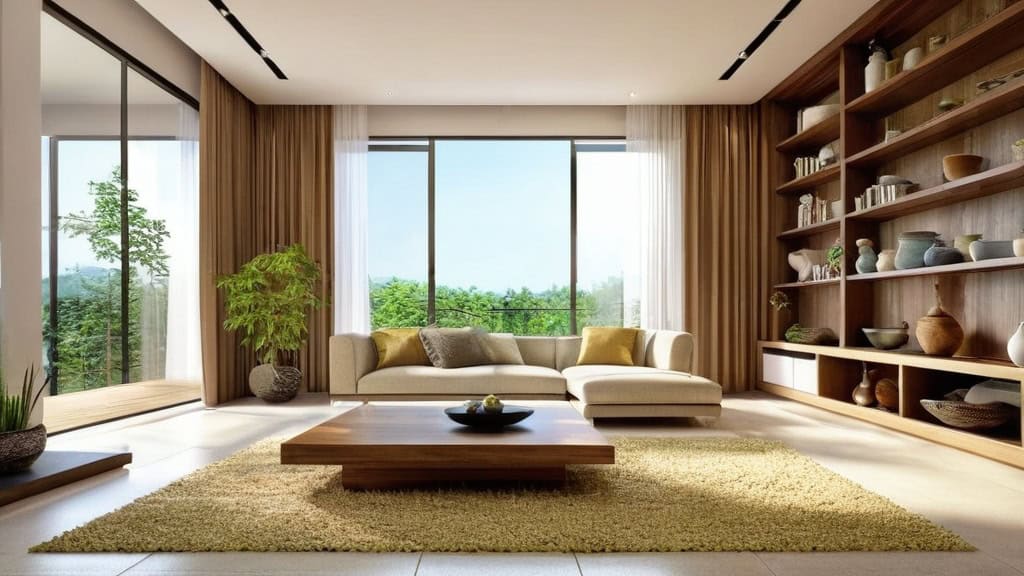
Feng Shui is an ancient Chinese philosophical system based on the principle that environmental design and spatial arrangement influence human well-being and quality of life. The practice centers on creating harmony between individuals and their physical surroundings by optimizing the flow of positive energy, referred to as “Chi.”
The core principles of Feng Shui involve multiple design elements, including furniture placement, color selection, and the strategic use of natural materials and elements. Practitioners believe that thoughtful arrangement of these components creates balanced environments that support physical health, emotional stability, and spiritual development.
Feng Shui applications extend to various life areas. Practitioners use its principles to potentially improve career advancement, strengthen personal relationships, and enhance overall living conditions. The system provides specific guidelines for spatial organization and design choices intended to maximize positive environmental effects.
Modern applications of Feng Shui combine traditional concepts with contemporary interior design practices, offering practical strategies for residential and commercial spaces.
Key Takeaways
- Feng Shui is an ancient practice focused on harmonizing energy flow in living spaces.
- The Five Elements—wood, fire, earth, metal, and water—are key to balancing your environment.
- Different rooms benefit from specific Feng Shui applications tailored to their function.
- Colors, lighting, and natural elements play crucial roles in enhancing positive energy.
- Decluttering, organizing, and thoughtful furniture arrangement help maintain balance and harmony.
The Five Elements of Feng Shui
At the heart of Feng Shui are the Five Elements: Wood, Fire, Earth, Metal, and Water. Each element represents different qualities and energies that can influence your environment and well-being. Understanding these elements is crucial for creating a harmonious space that resonates with your personal energy.
For instance, Wood symbolizes growth and vitality, making it an excellent choice for areas where you seek inspiration or creativity. Incorporating wooden furniture or plants can enhance this energy in your home. Fire, on the other hand, embodies passion and transformation.
It is associated with warmth and illumination, making it ideal for spaces where you want to foster enthusiasm and motivation. You can introduce this element through candles, fireplaces, or vibrant colors like red and orange. Earth represents stability and nourishment; incorporating earthy tones and materials can ground your space and provide a sense of security.
Metal signifies clarity and precision, while Water embodies flow and adaptability.

The Mandarin ducks are the most popular, well known and widely used traditional feng shui for love.

Folding Screen Name: Birds’ Twitter and Fragrance of Flowers

Made from high quality wood.It is durable,you can keep it for a long time.
Applying Feng Shui to Different Rooms in Your Home
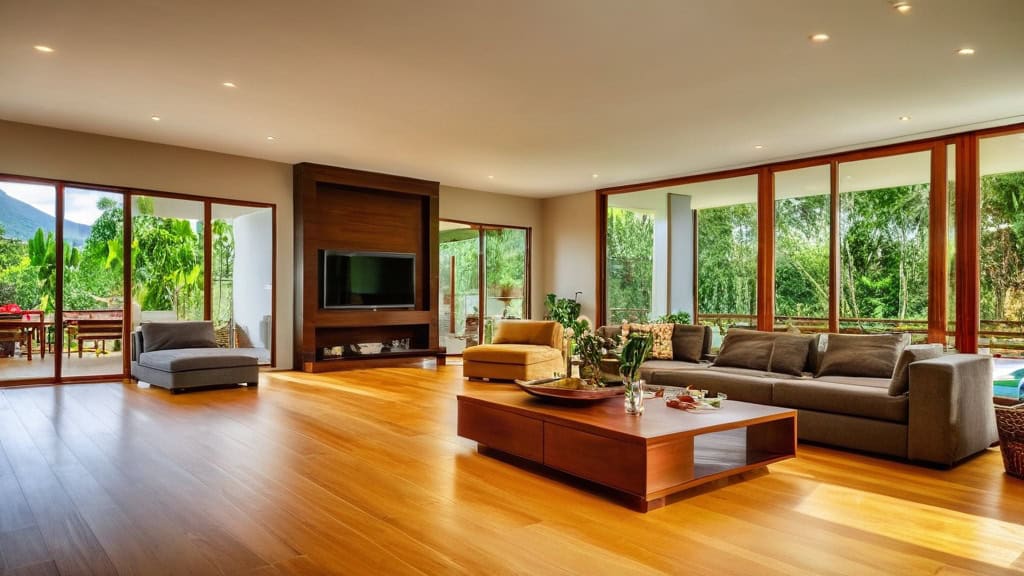
When applying Feng Shui principles to your home, it is essential to consider each room’s unique purpose and energy. The living room, often the heart of the home, should promote social interaction and relaxation. Arrange furniture in a way that encourages conversation while allowing for easy movement.
Position seating to face one another rather than against walls, fostering connection and openness. Adding plants or artwork can enhance the room’s energy, making it inviting for both residents and guests. In the bedroom, the focus shifts to rest and intimacy.
Position your bed in a commanding position—ideally facing the door but not directly in line with it—to create a sense of security. Use soft colors and natural materials to promote tranquility. Avoid clutter under the bed, as it can disrupt sleep quality.
In the kitchen, prioritize cleanliness and organization to encourage nourishment and health.
By tailoring your approach to each room’s function, you can harness the power of Feng Shui to enhance your daily life.
Using Colors and Lighting for Feng Shui
Colors play a vital role in Feng Shui as they evoke specific emotions and energies. Each color corresponds to one of the Five Elements, allowing you to harness their qualities effectively. For example, blue is associated with Water and promotes calmness and serenity; incorporating shades of blue in your bathroom or bedroom can create a soothing atmosphere.
Green represents Wood and symbolizes growth; using green accents in your workspace can inspire creativity and productivity. Lighting is equally important in Feng Shui. Natural light is ideal as it brings warmth and vitality into your home.
If natural light is limited, consider using soft artificial lighting to create a cozy ambiance. Avoid harsh fluorescent lights that can create an unwelcoming environment. Layering different types of lighting—ambient, task, and accent—can help you achieve balance while enhancing the overall energy of each room.
By thoughtfully selecting colors and lighting, you can significantly impact the mood and energy flow within your home.
Decluttering and Organizing for Feng Shui
| Feng Shui Element | Associated Area | Recommended Colors | Common Benefits | Placement Tips |
|---|---|---|---|---|
| Wood | East & Southeast | Green, Brown | Growth, Vitality, Health | Use plants or wooden furniture |
| Fire | South | Red, Orange, Purple | Passion, Fame, Energy | Incorporate candles or bright lights |
| Earth | Center, Northeast, Southwest | Yellow, Beige, Light Brown | Stability, Nourishment, Balance | Use ceramics or stones |
| Metal | West & Northwest | White, Gray, Silver | Clarity, Precision, Efficiency | Include metal objects or white decor |
| Water | North | Blue, Black | Wealth, Career, Flow | Place fountains or mirrors |
One of the foundational principles of Feng Shui is decluttering. A cluttered space can block the flow of Chi, leading to feelings of stagnation or overwhelm. To create a harmonious environment, start by assessing each room in your home.
Identify items that no longer serve a purpose or bring you joy; consider donating or discarding them. This process not only clears physical space but also creates mental clarity, allowing positive energy to flow freely. Organizing your belongings is equally important in maintaining a balanced environment.
Use storage solutions that are both functional and aesthetically pleasing; baskets, boxes, or shelves can help keep items tidy while enhancing the room’s decor. Ensure that everything has its designated place to avoid chaos. Regularly revisiting your space to declutter will help you maintain a sense of order and tranquility in your home.
Incorporating Natural Elements into Your Home
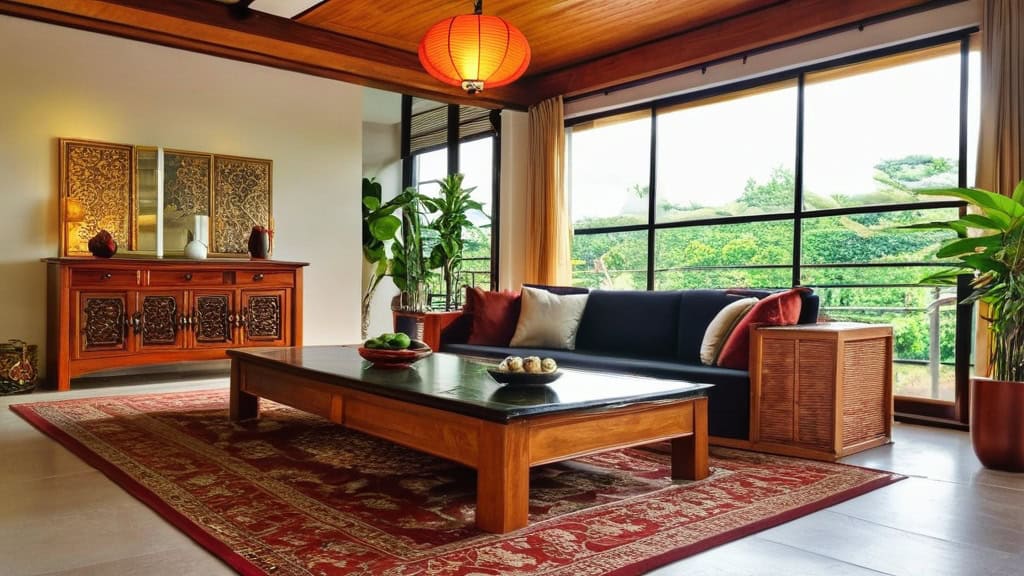
Bringing nature indoors is a powerful way to enhance the energy of your living space through Feng Shui. Natural elements such as plants, water features, and natural materials contribute to a sense of balance and well-being. Plants not only purify the air but also symbolize growth and vitality; consider adding greenery to various rooms to promote positive energy.
Choose plants that thrive in your environment and resonate with you personally. Water features—such as fountains or aquariums—can also enhance the flow of Chi in your home. The sound of flowing water creates a calming atmosphere while representing abundance and prosperity.
Additionally, incorporating natural materials like wood, stone, or bamboo into your decor can ground your space and connect you with nature. By embracing these elements, you create an environment that nurtures both body and spirit.
Feng Shui Tips for Furniture Arrangement
The arrangement of furniture is crucial in Feng Shui as it directly impacts the flow of energy within your home. Start by considering the function of each room; arrange furniture to facilitate movement while promoting comfort and connection. In living areas, ensure that seating is positioned to encourage conversation without blocking pathways.
Avoid placing furniture directly against walls; instead, create intimate groupings that invite interaction. In bedrooms, prioritize the placement of the bed as it serves as the focal point of the room. Position it away from direct alignment with doors while ensuring you have a clear view of the entrance; this creates a sense of security while allowing for restful sleep.
In dining areas, arrange tables to foster connection among family members; round tables are particularly effective in promoting inclusivity. Thoughtful furniture arrangement not only enhances functionality but also cultivates positive energy throughout your home.
Maintaining Balance and Harmony in Your Home
Achieving balance and harmony in your home is an ongoing process that requires mindfulness and intention. Regularly assess your space for areas that may feel stagnant or chaotic; make adjustments as needed to maintain a positive flow of Chi. This could involve rearranging furniture, refreshing decor with new colors or elements, or simply decluttering regularly.
Additionally, consider incorporating rituals or practices that promote mindfulness within your home. This could include daily meditation or setting aside time for reflection amidst nature. By fostering an environment that encourages balance—both physically and emotionally—you create a sanctuary that supports your well-being and personal growth.
Embracing these principles will not only enhance your living space but also enrich your life as a whole. In conclusion, Feng Shui offers valuable insights into creating harmonious living spaces that nurture well-being and promote positive energy flow. By understanding its principles—such as the Five Elements, color usage, decluttering practices, natural elements incorporation, furniture arrangement strategies, and ongoing maintenance—you can transform your home into a sanctuary that reflects balance and harmony.
As you embark on this journey toward creating an inviting environment, remember that small changes can lead to significant improvements in your overall quality of life.
FAQs
What is Feng Shui in the context of a home?
Feng Shui is an ancient Chinese practice that focuses on harmonizing individuals with their surrounding environment. In the context of a home, it involves arranging furniture, decor, and spaces to promote positive energy flow, balance, and well-being.
How can Feng Shui improve my home environment?
Feng Shui aims to create a balanced and harmonious living space that can enhance health, wealth, relationships, and overall happiness. By optimizing the placement of furniture, colors, and elements, it encourages positive energy (chi) to flow freely throughout the home.
What are the basic principles of Feng Shui for a home?
Key principles include the proper placement of furniture to avoid blocking energy flow, the use of the five elements (wood, fire, earth, metal, water) in balance, maintaining cleanliness and clutter-free spaces, and orienting the home and rooms according to compass directions for optimal energy.
Do I need to follow Feng Shui strictly to see benefits?
No, Feng Shui can be adapted to suit personal preferences and practical living. Even small changes, like decluttering or adding plants, can improve energy flow and create a more pleasant environment.
Can Feng Shui be applied to any type of home?
Yes, Feng Shui principles can be applied to apartments, houses, and even offices. The key is to understand the layout and energy flow of the specific space and make adjustments accordingly.
Is Feng Shui scientifically proven?
Feng Shui is a traditional practice based on cultural beliefs and observations rather than scientific evidence. However, many people find that applying its principles improves their comfort and well-being.
What are common Feng Shui tips for the front door?
The front door is considered the main entry point for energy. It should be clean, well-lit, and unobstructed. Avoid placing mirrors directly opposite the door, and use welcoming decor to invite positive energy inside.
How does clutter affect Feng Shui in the home?
Clutter blocks the flow of energy and can create stagnation, leading to feelings of stress or discomfort. Keeping spaces tidy and organized is essential for maintaining good Feng Shui.
Can colors influence Feng Shui in my home?
Yes, colors correspond to the five elements and can affect mood and energy. For example, red represents fire and can energize a space, while blue represents water and promotes calmness. Choosing colors based on the desired effect and room function is common in Feng Shui.
Do I need a Feng Shui expert to arrange my home?
While consulting a Feng Shui expert can provide personalized guidance, many basic principles can be applied by homeowners themselves through research and observation.