Feng Shui is a traditional Chinese practice that examines the relationship between environmental design and human well-being. The system operates on the principle that spatial arrangements and environmental factors can affect energy levels and overall quality of life. Practitioners of Feng Shui work to create balanced environments that support health, productivity, and comfort through strategic placement of objects and optimization of space layout.
The practice centers on the concept of “Chi,” described as life force energy that flows through all environments and living beings. According to Feng Shui theory, unobstructed Chi flow promotes balance and comfort, while blocked or stagnant energy may contribute to discomfort or reduced well-being in a space. Feng Shui implementation begins with environmental assessment, which involves evaluating how energy moves through different areas of a home or workplace.
This process includes observing which spaces feel comfortable and functional versus those that may feel less inviting or energetically draining. The Bagua map serves as a primary analytical tool in Feng Shui practice, dividing spaces into nine sections that correspond to different life areas including wealth, relationships, career, and health. Practitioners use this framework to identify which areas of a space may benefit from adjustments to improve specific aspects of occupants’ lives.
Key Takeaways
- Feng Shui principles focus on harmonizing energy through space arrangement and design.
- Furniture layout should promote smooth energy flow and functional movement.
- Integrate the five elements (wood, fire, earth, metal, water) for balanced energy.
- Balance yin (passive) and yang (active) energies to create a harmonious environment.
- Use natural light, airflow, plants, and personalized decor to enhance positive energy.
Choosing the Right Furniture Layout
The arrangement of furniture plays a crucial role in Feng Shui, as it directly impacts the flow of Chi within your space. When selecting a layout, consider how each piece interacts with others and the overall energy of the room. You may want to avoid placing furniture in a way that obstructs pathways or creates sharp angles, as these can disrupt the flow of energy.
Instead, aim for a layout that encourages movement and connection. For instance, positioning your sofa to face the entrance can create a welcoming atmosphere and foster communication among family members or guests. In addition to promoting flow, the furniture layout should also reflect balance and harmony.
You might find it helpful to create zones within a room, such as a cozy reading nook or a functional workspace. By defining these areas, you can enhance their purpose and ensure that each zone contributes positively to your overall environment. Remember that comfort is key; choose furniture that not only looks good but also feels inviting.
This balance between aesthetics and functionality will help you create a space that resonates with positive energy.
Incorporating the Five Elements
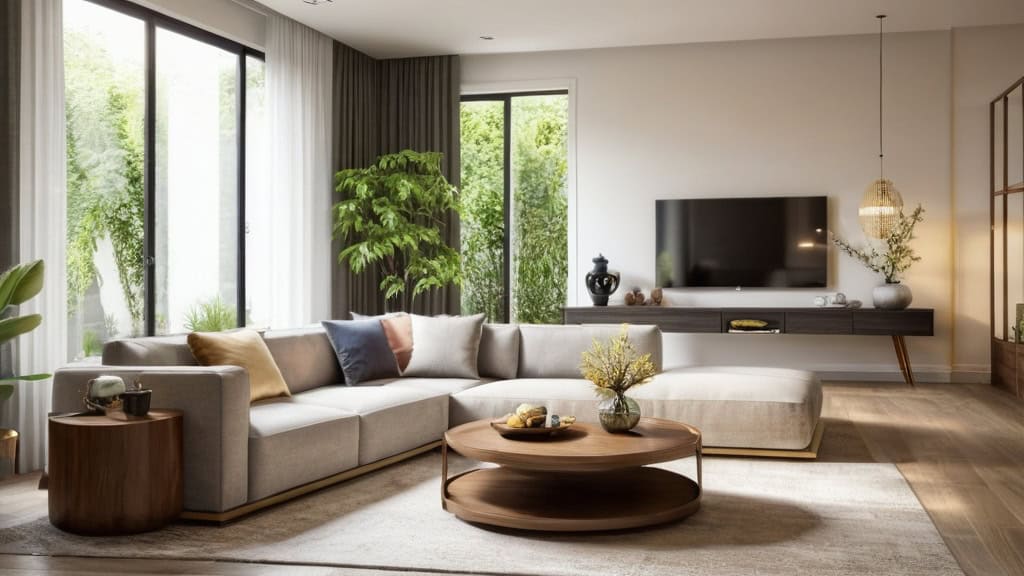
Feng Shui emphasizes the importance of the five elements: wood, fire, earth, metal, and water. Each element represents different qualities and energies that can influence your environment. To create a harmonious space, you should strive to incorporate all five elements in a balanced manner.
For example, you might introduce wood through plants or wooden furniture, while fire can be represented by candles or warm lighting. Earth elements can be added through ceramics or stones, metal through metallic decor or furniture, and water through fountains or mirrors. When incorporating these elements, consider how they interact with one another.
You may want to create a sense of flow by arranging elements in a way that reflects their natural relationships. For instance, wood feeds fire, while water nourishes wood. By understanding these connections, you can create a dynamic environment that promotes balance and harmony.
Additionally, pay attention to color choices associated with each element; for example, greens and browns represent wood, while reds and oranges symbolize fire. By thoughtfully integrating these colors into your decor, you can further enhance the energy of your space.
Balancing Yin and Yang Energy
Yin and Yang are fundamental concepts in Feng Shui that represent opposing yet complementary forces. Yin embodies qualities such as calmness, darkness, and receptivity, while Yang represents activity, brightness, and assertiveness. To create a balanced environment, you should strive to incorporate both energies into your space.
To achieve balance, consider how you can introduce elements of the opposite energy into each area. For instance, if a room feels too Yin due to its dark colors and heavy fabrics, you could add brighter accents or incorporate more reflective surfaces to introduce Yang energy.
Conversely, if a space feels overly Yang with harsh lighting and rigid lines, you might soften it with plush textiles or warm lighting options. By consciously balancing these energies throughout your home or workspace, you can create an environment that feels harmonious and supportive.
Enhancing Natural Light and Airflow
| Feng Shui Element | Description | Recommended Placement | Impact on Living Room | Common Colors |
|---|---|---|---|---|
| Wood | Represents growth, vitality, and new beginnings | East or Southeast corners | Enhances family harmony and wealth | Green, Brown |
| Fire | Symbolizes passion, energy, and transformation | South area | Boosts fame, recognition, and motivation | Red, Orange, Purple |
| Earth | Represents stability, nourishment, and balance | Center, Northeast, or Southwest | Promotes grounding and relationships | Yellow, Beige, Light Brown |
| Metal | Symbolizes clarity, precision, and efficiency | West or Northwest corners | Enhances creativity and focus | White, Gray, Silver |
| Water | Represents abundance, flow, and wisdom | North area | Encourages career growth and calmness | Blue, Black |
Natural light and airflow are essential components of a healthy living environment. In Feng Shui, both elements are believed to enhance Chi flow and promote well-being. You may want to assess how much natural light enters your space and whether there are any obstructions blocking it.
If certain areas feel dark or cramped due to heavy curtains or furniture placement, consider making adjustments to allow more light in. Sheer curtains or strategically placed mirrors can help reflect light and brighten up a room. Airflow is equally important; stagnant air can lead to feelings of lethargy or discomfort.
To improve airflow in your space, ensure that windows can be opened easily and consider using fans or air purifiers to circulate air effectively. You might also want to incorporate natural materials like bamboo or cotton in your decor to promote a sense of freshness. By prioritizing natural light and airflow in your home or workspace, you can create an uplifting atmosphere that supports both physical and mental well-being.
Decluttering and Organizing
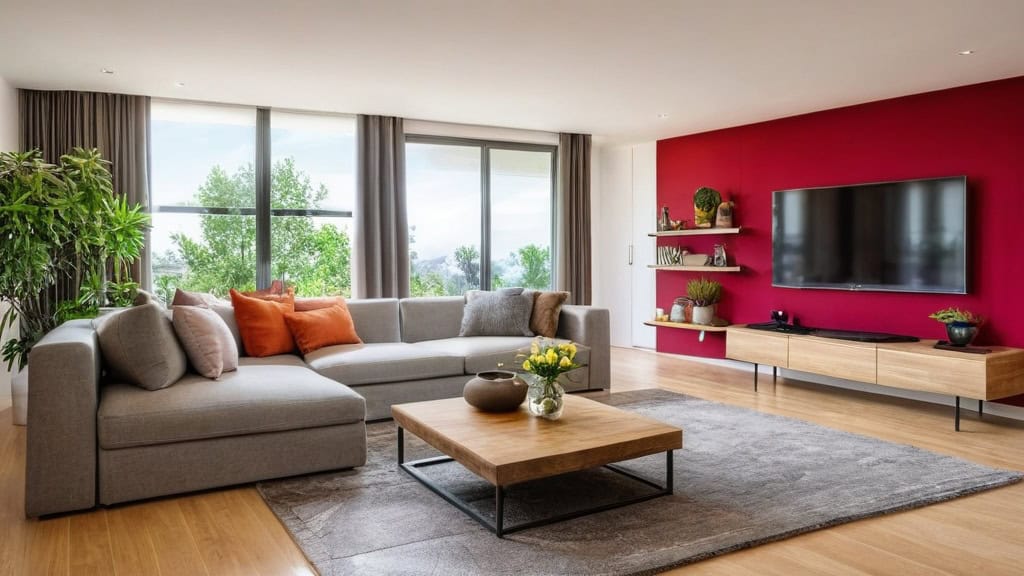
Decluttering is a vital aspect of Feng Shui that directly impacts the flow of Chi in your environment. A cluttered space can create feelings of chaos and overwhelm, hindering your ability to focus and relax. To begin decluttering, take a systematic approach by tackling one area at a time.
You might find it helpful to ask yourself whether each item serves a purpose or brings you joy; if not, consider letting it go. This process not only clears physical space but also creates mental clarity. Once you’ve decluttered your space, organizing becomes essential for maintaining a harmonious environment.
Labeling boxes or using decorative baskets can add an aesthetic touch while ensuring everything has its place. By creating an organized environment free from clutter, you allow Chi to flow freely throughout your home or workspace, fostering a sense of peace and productivity.
Adding Plants and Natural Elements
Incorporating plants and natural elements into your space is an excellent way to enhance its energy according to Feng Shui principles. Plants not only purify the air but also bring life and vitality into your environment. When selecting plants, consider their shapes and sizes; rounded leaves are generally considered more auspicious than sharp ones.
You might choose low-maintenance options like succulents or snake plants if you’re new to plant care. In addition to plants, consider integrating other natural elements such as stones, crystals, or water features into your decor. These elements can help ground the energy in your space while promoting tranquility and balance.
For instance, a small indoor fountain can create soothing sounds while adding moisture to the air—beneficial for both health and ambiance. By thoughtfully incorporating plants and natural elements into your home or workspace, you create an inviting atmosphere that nurtures both body and spirit.
Personalizing with Art and Decor
Finally, personalizing your space with art and decor is an essential step in creating an environment that resonates with you on a deeper level. Art has the power to evoke emotions and inspire creativity; therefore, choose pieces that reflect your personality and values. You might want to display artwork that brings you joy or reminds you of cherished memories—this connection will enhance the positive energy in your space.
When selecting decor items, consider their placement carefully; they should complement the overall flow of Chi rather than disrupt it. You may want to avoid overcrowding walls with too many pieces; instead, opt for a few impactful items that draw attention without overwhelming the senses. Additionally, incorporating personal mementos or travel souvenirs can infuse your space with unique character while fostering feelings of nostalgia and happiness.
By personalizing your environment with meaningful art and decor, you create a sanctuary that truly reflects who you are while promoting positive energy throughout your home or workspace.
FAQs
What is Feng Shui for the living room?
Feng Shui for the living room involves arranging furniture, decor, and colors to create a balanced, harmonious, and positive energy flow in the space. It aims to promote comfort, relaxation, and good fortune.
Why is the living room important in Feng Shui?
The living room is often the central gathering space in a home, making it crucial for social interaction and energy flow. Proper Feng Shui in the living room can enhance relationships, health, and overall well-being.
How should furniture be arranged in a Feng Shui living room?
Furniture should be arranged to allow easy movement and promote a welcoming atmosphere. The main seating should face the entrance without being directly in line with the door, and avoid placing furniture with backs to the door.
What colors are best for a Feng Shui living room?
Colors that promote balance and calmness are ideal, such as earth tones, soft greens, blues, and neutrals. The choice of color can also depend on the Bagua area of the living room and the desired energy.
Can plants be used in Feng Shui living rooms?
Yes, healthy plants are encouraged in Feng Shui as they bring life energy (Chi) into the space. Avoid plants with sharp or spiky leaves, and choose ones that thrive indoors.
What role does lighting play in Feng Shui living rooms?
Good lighting is essential to enhance positive energy. Natural light is preferred, but soft, warm artificial lighting can also create a cozy and inviting atmosphere.
Are mirrors beneficial in a Feng Shui living room?
Mirrors can be beneficial if placed correctly, as they can expand the space and reflect positive energy. Avoid placing mirrors directly opposite the main door or facing seating areas where they might cause discomfort.
How can clutter affect Feng Shui in the living room?
Clutter blocks the flow of energy and can create stagnation, leading to stress and discomfort. Keeping the living room tidy and organized is important for maintaining good Feng Shui.
Is it important to consider the shape of the living room in Feng Shui?
Yes, the shape and layout of the living room affect energy flow. Ideally, the room should be balanced and free of sharp corners or awkward angles that disrupt Chi.
Can Feng Shui principles be applied to any style of living room?
Yes, Feng Shui principles can be adapted to suit any interior design style, from modern to traditional, by focusing on energy flow, balance, and harmony rather than specific decor trends.