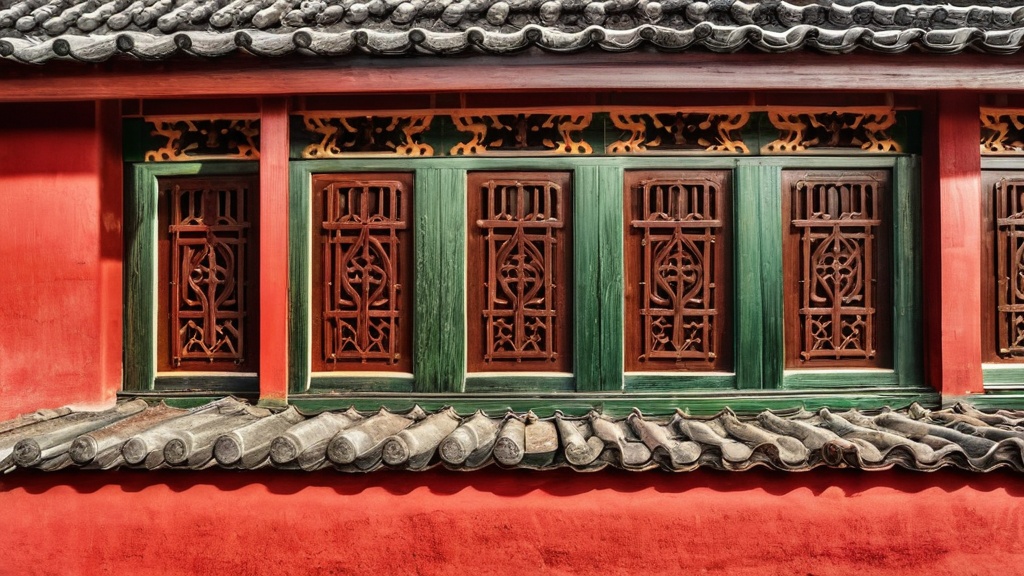
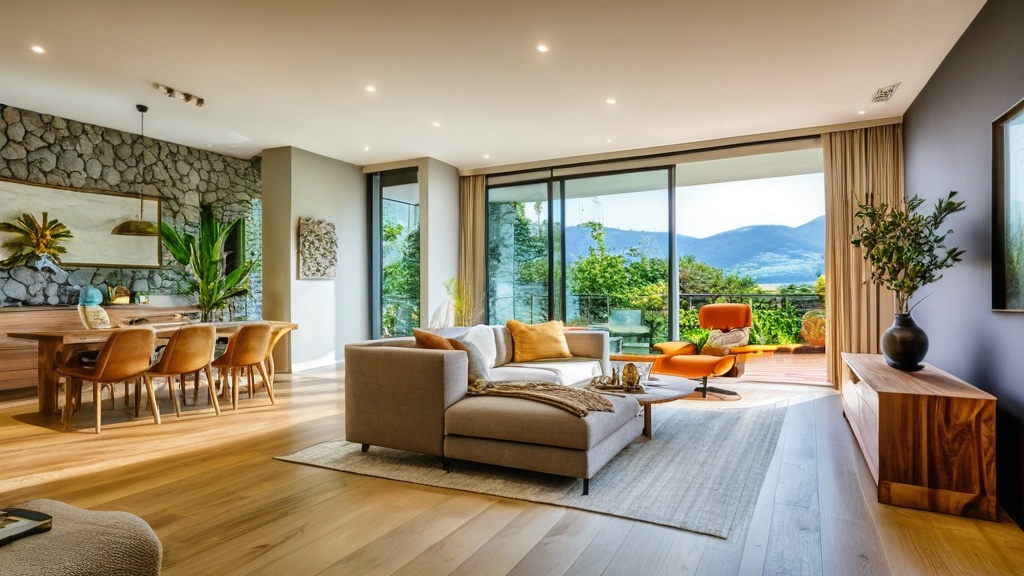
Feng Shui, an ancient Chinese practice, revolves around the belief that the arrangement of your environment can significantly influence your life. At its core, Feng Shui is about harmonizing your surroundings to promote positive energy, or “Chi.” This practice dates back thousands of years and is rooted in the idea that everything in your environment is interconnected. By understanding the principles of Feng Shui, you can create a space that not only feels good but also supports your well-being and aspirations.
As you delve into the world of Feng Shui, you will discover that it encompasses various elements, including the five elements—wood, fire, earth, metal, and water. Each element has its unique characteristics and associations, influencing different aspects of your life. For instance, wood symbolizes growth and vitality, while water represents abundance and flow. By learning how to balance these elements within your home, you can cultivate an environment that nurtures your goals and enhances your overall quality of life.
If you’re looking to create a harmonious and balanced environment in your home, implementing feng shui principles can be a great start. For additional relaxation techniques that can complement your feng shui practices, consider exploring this insightful article on guided meditations. You can find it here: 9 Guided Meditations to Alleviate Anxiety. This resource offers various meditation practices that can help enhance your overall well-being and support the serene atmosphere you aim to achieve through feng shui.
Key Takeaways
- Feng Shui focuses on harmonizing your living space to promote positive energy flow.
- Assessing and improving your home’s energy flow is essential for effective Feng Shui.
- Decluttering and organizing create a clean, balanced environment that supports well-being.
- Selecting appropriate colors, materials, and furniture arrangement enhances balance and flow.
- Incorporating natural light, air circulation, and natural elements sustains a vibrant, healthy space.
Assessing Your Home’s Energy Flow
To effectively apply Feng Shui principles, you must first assess the energy flow within your home. This involves observing how energy moves through your space and identifying any blockages or stagnant areas. Start by walking through each room and paying attention to how you feel in each space. Are there areas that feel heavy or uncomfortable? Do certain rooms invite relaxation while others create tension? By tuning into your feelings, you can begin to understand the energy dynamics at play.
Next, consider the layout of your home. Is it open and inviting, or does it feel cramped and cluttered? The flow of energy is often disrupted by obstacles such as furniture placement or excessive decor. Take note of any areas where energy seems to stagnate, such as dark corners or cluttered spaces. By identifying these problem areas, you can take steps to enhance the overall energy flow in your home.
Decluttering and Organizing

One of the most impactful steps you can take in your Feng Shui journey is decluttering and organizing your space. Clutter not only occupies physical space but also creates mental and emotional blockages that can hinder your progress. Begin by tackling one room at a time, sorting through items to determine what you truly need and what can be released.
As you declutter, ask yourself if each item brings you joy or serves a purpose in your life.
Once you’ve cleared out unnecessary items, focus on organizing what remains. Create designated spaces for everything, ensuring that each item has a home. This not only promotes a sense of order but also allows energy to flow freely throughout your space. Remember that a well-organized environment fosters clarity and peace of mind, enabling you to focus on your goals and aspirations.
Choosing the Right Colors and Materials

Color plays a vital role in Feng Shui, as it can evoke specific emotions and energies. When selecting colors for your home, consider the feelings you want to cultivate in each space. For example, soft blues and greens promote tranquility and relaxation, making them ideal for bedrooms or meditation areas. In contrast, vibrant reds and oranges can energize a space, making them suitable for social areas like living rooms or dining rooms.
In addition to color, the materials you choose for your home can also impact its energy. Natural materials such as wood, stone, and cotton are often favored in Feng Shui because they connect you to nature and promote a sense of grounding. Avoid synthetic materials that may disrupt the natural flow of energy. By thoughtfully selecting colors and materials that resonate with your intentions, you can create a harmonious environment that supports your well-being.
If you’re looking to enhance the energy flow in your living space, you might find it helpful to explore the principles of feng shui. Implementing feng shui at home can create a more harmonious environment that promotes well-being and tranquility. For a deeper understanding of how to unlock spiritual insights and improve your overall energy, you can read this insightful article on palm pain and its connection to personal energy. Check it out here for more information.
Arranging Furniture for Balance and Flow
| Feng Shui Element | Description | Common Placement | Impact on Home | Recommended Colors |
|---|---|---|---|---|
| Wood | Represents growth and vitality | Living room, study, or near windows | Enhances creativity and expansion | Green, Brown |
| Fire | Symbolizes passion and energy | Dining room, kitchen, or south area | Boosts motivation and recognition | Red, Orange, Purple |
| Earth | Represents stability and nourishment | Center of home, living room, or bedroom | Promotes balance and grounding | Yellow, Beige, Light Brown |
| Metal | Symbolizes clarity and precision | Office, bedroom, or west/northwest areas | Enhances focus and efficiency | White, Gray, Silver |
| Water | Represents abundance and flow | Entrance, north area, or bathrooms | Encourages wealth and calmness | Blue, Black |
The arrangement of furniture is crucial in Feng Shui as it directly affects the flow of energy within a space. When arranging furniture, aim for a layout that promotes balance and encourages movement. Start by positioning larger pieces, such as sofas or beds, in a way that allows for easy access while also creating a sense of security. For example, placing a bed against a solid wall with a clear view of the door fosters a feeling of safety and stability.
Consider the pathways within each room as well. Ensure that there is enough space for people to move freely without obstruction. Avoid placing furniture in a way that blocks doorways or pathways, as this can create stagnant energy. Instead, create inviting spaces that encourage conversation and connection. By thoughtfully arranging your furniture, you can enhance the overall energy flow in your home.
Enhancing Natural Light and Air Circulation
Natural light and fresh air are essential components of a healthy living environment. In Feng Shui, both elements are believed to enhance the flow of positive energy throughout your home. To maximize natural light, consider using sheer curtains or blinds that allow sunlight to filter in while maintaining privacy. Position mirrors strategically to reflect light and create a sense of spaciousness in smaller rooms.
Air circulation is equally important for maintaining good energy flow. Open windows whenever possible to let in fresh air and remove stale energy. If outdoor air quality is a concern, consider using air purifiers or incorporating indoor plants that naturally filter toxins from the air. By prioritizing natural light and air circulation, you can create a vibrant atmosphere that supports your health and well-being.
Incorporating Nature and Elements
Bringing elements of nature into your home is a fundamental aspect of Feng Shui. Nature has an innate ability to ground us and connect us to our surroundings. Consider incorporating plants into your decor; they not only purify the air but also add life and vibrancy to your space. Choose plants that resonate with you personally—whether it’s a lush fern or a flowering succulent—and place them strategically throughout your home.
In addition to plants, consider integrating other natural elements such as water features or stones. A small indoor fountain can create soothing sounds while promoting tranquility, while crystals can enhance specific energies based on their properties. By incorporating these natural elements into your home, you create a harmonious environment that fosters balance and well-being.
Maintaining and Adjusting Your Feng Shui Practice
Feng Shui is not a one-time endeavor; it requires ongoing attention and adjustment to maintain its benefits. As your life evolves, so too should your environment. Regularly assess your space to ensure it continues to support your goals and aspirations. This may involve rearranging furniture, refreshing decor, or even decluttering as new items enter your life.
Additionally, be open to experimenting with different Feng Shui techniques as you learn more about this practice. What works for one person may not resonate with another; trust your intuition as you navigate your journey. By maintaining an adaptable approach to Feng Shui, you can create a living environment that continually nurtures your growth and well-being.
In conclusion, embracing Feng Shui principles can transform not only your living space but also your overall quality of life. By understanding the fundamentals of this ancient practice and applying them thoughtfully within your home, you can cultivate an environment that supports harmony, balance, and positive energy flow. Whether you’re decluttering your space or incorporating natural elements, each step you take brings you closer to creating a sanctuary that reflects your true self and aspirations.
FAQs
What is Feng Shui and how does it apply to home design?
Feng Shui is an ancient Chinese practice that focuses on harmonizing individuals with their surrounding environment. In home design, it involves arranging furniture, decor, and spaces to promote positive energy flow, balance, and well-being.
What are the basic principles of Feng Shui to implement at home?
Key principles include decluttering to allow energy flow, positioning furniture to face the main entrance, balancing the five elements (wood, fire, earth, metal, water), and using colors and shapes that correspond to different areas of the home based on the Bagua map.
How can I use the Bagua map to improve Feng Shui in my home?
The Bagua map divides a space into nine areas, each representing different aspects of life such as wealth, health, and relationships. By aligning the map with your home’s floor plan, you can enhance specific areas by adding appropriate elements, colors, or symbols to boost energy in those sectors.
Are there common Feng Shui mistakes to avoid when arranging my home?
Yes, common mistakes include blocking doorways or windows, placing mirrors directly opposite doors, cluttering spaces, neglecting natural light, and ignoring the balance of elements. These can disrupt energy flow and reduce the effectiveness of Feng Shui.
Can Feng Shui principles be applied to any type of home or living space?
Yes, Feng Shui can be adapted to various types of homes, including apartments, houses, and shared living spaces. The principles are flexible and can be tailored to fit different layouts, sizes, and personal preferences to create a harmonious environment.