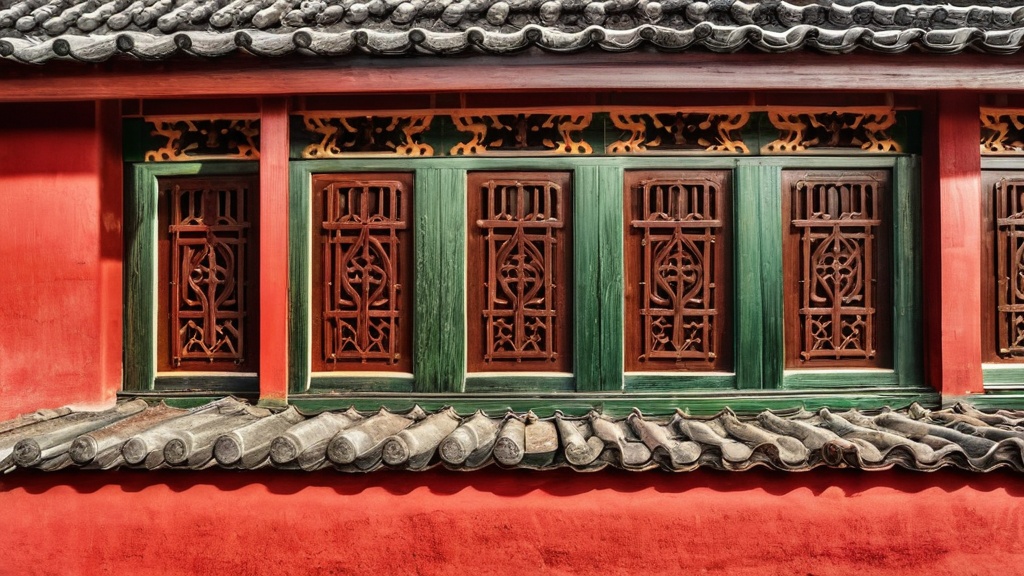
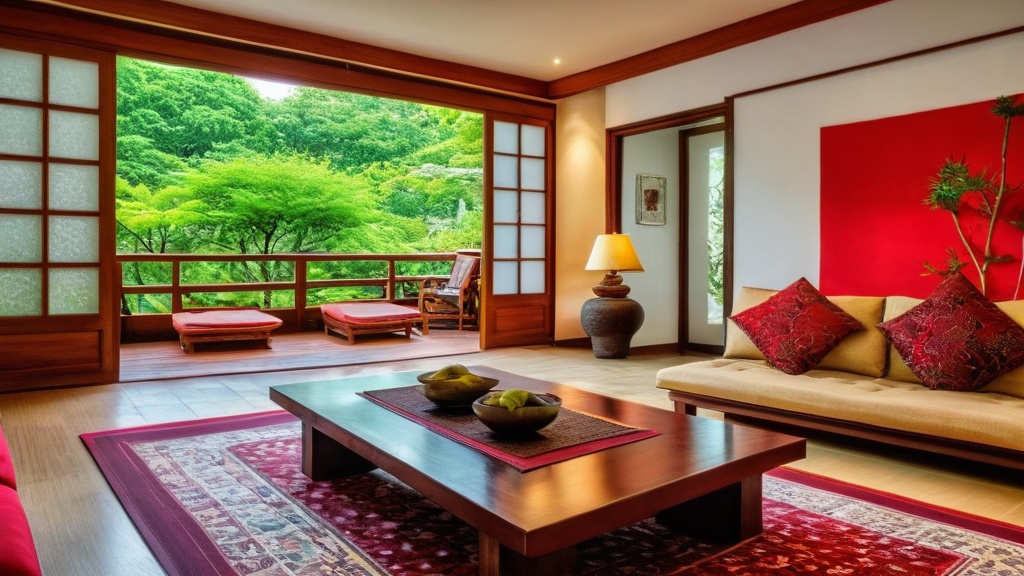
Feng Shui, an ancient Chinese practice, is more than just a method of arranging furniture or choosing colors for your home; it is a holistic approach to creating harmony and balance in your living environment. Rooted in the belief that our surroundings significantly influence our well-being, Feng Shui emphasizes the importance of energy flow, or “Chi.” By understanding and applying its principles, you can transform your space into a sanctuary that promotes health, happiness, and prosperity. As you delve into the world of Feng Shui, you will discover how the arrangement of your home can impact your life in profound ways.
The practice of Feng Shui dates back thousands of years, evolving through various dynasties and cultural influences. It encompasses a wide range of concepts, from the orientation of buildings to the placement of objects within a room. At its core, Feng Shui is about creating a supportive environment that nurtures your physical and emotional needs. Whether you are looking to enhance your career, improve relationships, or simply create a more peaceful atmosphere, understanding the fundamentals of Feng Shui can empower you to make intentional choices that align with your goals.
Feng shui is an ancient practice that emphasizes the importance of arranging your living space to promote harmony and balance.
To further explore the connection between our environment and well-being, you might find the article on social rejection and physical pain insightful.
It delves into how our surroundings can affect our emotional and physical states, which aligns with the principles of feng shui. You can read more about this intriguing relationship in the article here: com/social-rejection-and-physical-pain-the-shocking-connection/’>Social Rejection and Physical Pain: The Shocking Connection.
Key Takeaways
- Feng Shui is an ancient practice focused on harmonizing energy flow in living spaces.
- The Five Elements—wood, fire, earth, metal, and water—are key to balancing your environment.
- Proper home layout and placement of furniture enhance positive energy and well-being.
- Colors and decor choices play a vital role in creating balance and promoting harmony.
- Regular Feng Shui practices help maintain a peaceful, supportive atmosphere in your home.
Understanding the Five Elements in Feng Shui
Central to the practice of Feng Shui are the Five Elements: Wood, Fire, Earth, Metal, and Water. Each element represents different qualities and energies that can influence your environment and well-being. Wood symbolizes growth and vitality, making it essential for fostering creativity and expansion in your life. Fire embodies passion and energy, igniting motivation and enthusiasm. Earth represents stability and nourishment, providing a grounding force that supports emotional balance. Metal signifies clarity and precision, helping you to focus and achieve your goals. Lastly, Water embodies flow and adaptability, encouraging relaxation and reflection.
As you explore these elements, consider how they manifest in your home. For instance, incorporating wooden furniture or plants can enhance the Wood element, promoting creativity and growth. You might choose to add candles or vibrant colors to invoke the Fire element’s energy. Earthy tones and natural materials can create a sense of stability and comfort, while metallic accents can bring clarity and focus to your space. Water features, such as fountains or aquariums, can introduce a calming flow that encourages tranquility. By understanding how these elements interact with one another, you can create a balanced environment that supports your aspirations.
Applying Feng Shui Principles to Your Home Layout
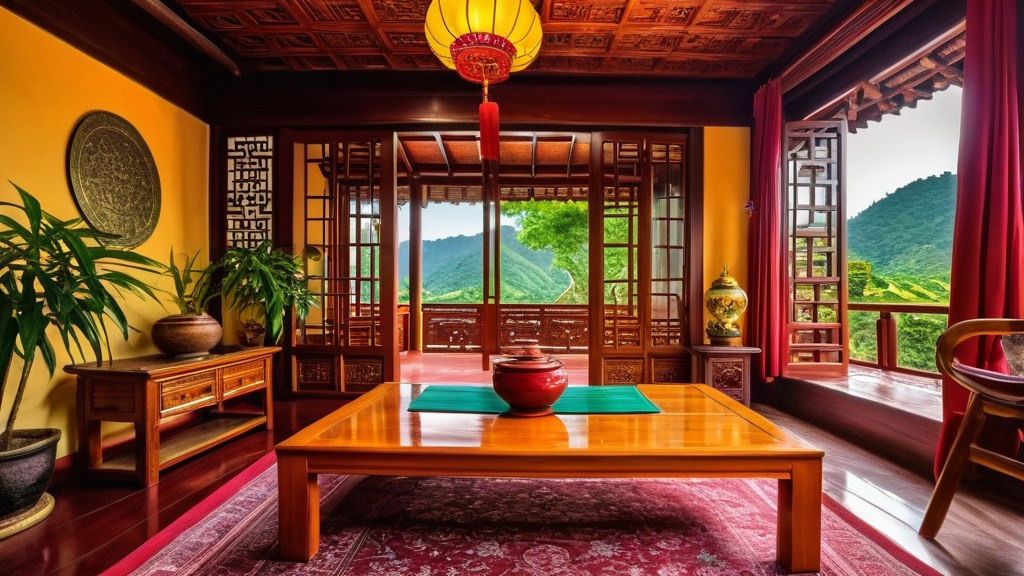
When it comes to applying Feng Shui principles to your home layout, the first step is to assess the flow of energy throughout your space. The concept of “Chi” is central to Feng Shui; it is the life force that permeates everything around you. To promote positive Chi, ensure that pathways are clear and unobstructed. This means decluttering spaces and arranging furniture in a way that allows for easy movement. You may find that simply rearranging a few pieces can significantly enhance the energy flow in a room.
Another important aspect of Feng Shui is the Bagua map, which divides your space into nine areas corresponding to different aspects of life, such as wealth, health, and relationships. By overlaying this map onto your home layout, you can identify which areas need attention. For example, if you want to enhance your career prospects, focus on the area associated with career on the Bagua map. You might consider adding elements that represent ambition and success in that specific zone. By intentionally aligning your home layout with these principles, you can create an environment that supports your personal growth and aspirations.
Using Colors and Decor to Create Balance and Harmony
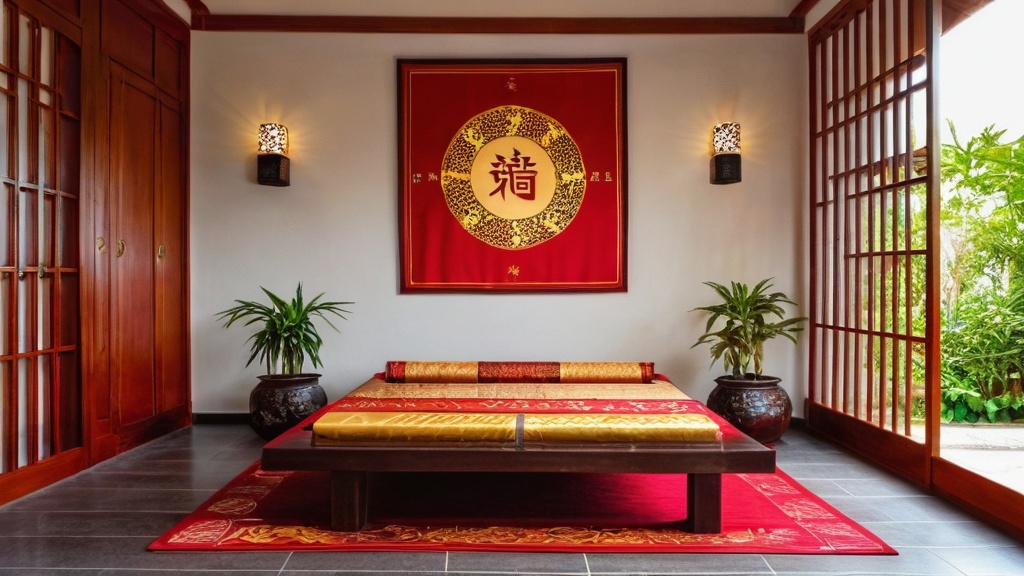
Colors play a vital role in Feng Shui as they carry specific energies that can influence mood and atmosphere. Each color corresponds to one of the Five Elements and can be used strategically to create balance in your home. For instance, greens and browns represent the Wood element and are ideal for promoting growth and vitality. Reds and oranges embody the Fire element, infusing spaces with warmth and energy. Earth tones like beige and terracotta provide stability and grounding, while whites and grays reflect the Metal element’s clarity. Blues and blacks represent Water, encouraging calmness and introspection.
When selecting decor for your home, consider how colors can enhance the energy of each room. You might choose soft blues for a serene bathroom or vibrant reds for a lively dining area. Additionally, incorporating artwork or decor items that resonate with you personally can further enhance the energy of your space. Look for pieces that evoke positive emotions or memories; these will contribute to a harmonious atmosphere that reflects your personality and values.
Feng shui is an ancient practice that emphasizes the arrangement of your living space to promote harmony and balance, which can significantly enhance your overall well-being. For those looking to deepen their understanding of how to create a serene environment, a related article on relaxation techniques can provide valuable insights. You can explore the benefits of relaxation breathing for better digestion and overall health in this informative piece. Discover more about this topic by visiting relaxation breathing and see how it complements the principles of feng shui in fostering a peaceful home atmosphere.
Enhancing Energy Flow with Feng Shui
| Feng Shui Element | Associated Area of Home | Color Recommendations | Impact on Home Harmony | Suggested Enhancements |
|---|---|---|---|---|
| Wood | East (Health & Family) | Green, Brown | Promotes growth, vitality, and family harmony | Place plants or wooden furniture |
| Fire | South (Fame & Reputation) | Red, Orange, Purple | Enhances passion, recognition, and energy | Use candles, lights, or red decor |
| Earth | Center (Health & Balance), Northeast & Southwest | Yellow, Beige, Earth tones | Stabilizes energy and promotes grounding | Add ceramics, crystals, or earth-toned items |
| Metal | West (Creativity & Children), Northwest (Helpful People) | White, Gray, Metallic | Supports clarity, precision, and helpful relationships | Incorporate metal objects or white decor |
| Water | North (Career & Life Path) | Blue, Black | Encourages flow, abundance, and career success | Use fountains, mirrors, or water imagery |
To enhance energy flow in your home using Feng Shui principles, it is essential to create an environment that feels open and inviting. Start by ensuring that natural light can enter each room; sunlight is a powerful source of positive Chi. If certain areas feel dark or cramped, consider using mirrors strategically to reflect light and expand the space visually. Mirrors can also help redirect energy flow, making them valuable tools in Feng Shui.
In addition to light, pay attention to the arrangement of furniture and decor items. Avoid placing large pieces directly in front of doorways or windows, as this can block the flow of Chi. Instead, arrange furniture in a way that encourages movement throughout the space. You might also consider incorporating plants or natural elements to promote vitality and connection with nature. By fostering an environment where energy flows freely, you will create a more vibrant and uplifting atmosphere in your home.
Creating a Peaceful and Calming Bedroom with Feng Shui
Your bedroom should be a sanctuary for rest and rejuvenation; therefore, applying Feng Shui principles here is crucial for creating a peaceful environment. Start by choosing calming colors for your bedroom walls—soft blues or gentle greens can promote relaxation while creating a serene atmosphere. Additionally, consider the placement of your bed; ideally, it should be positioned against a solid wall with a clear view of the door without being directly in line with it. This arrangement fosters a sense of security while allowing for restful sleep.
Decluttering is another essential aspect of creating a calming bedroom environment. Remove any items that do not belong in this space or that evoke negative emotions. Keep surfaces clean and organized to promote tranquility. You might also consider incorporating soft textiles like plush bedding or curtains to create a cozy atmosphere. Finally, adding elements such as soothing scents from essential oils or calming sounds from nature can further enhance the peaceful ambiance of your bedroom.
Improving Relationships and Communication with Feng Shui
Feng Shui can also play a significant role in enhancing relationships and communication within your home. The relationship area on the Bagua map corresponds to partnerships and love; by focusing on this zone, you can create an environment that nurtures connection. Consider incorporating pairs of objects—such as two candles or two decorative pillows—to symbolize harmony and partnership.
In addition to physical items, pay attention to how you arrange spaces where communication occurs most frequently, such as dining areas or living rooms. Ensure seating arrangements encourage conversation by positioning chairs facing one another rather than against walls. This setup fosters openness and connection among family members or guests. You might also consider adding warm colors or soft lighting to create an inviting atmosphere conducive to meaningful conversations.
Maintaining Home Harmony with Regular Feng Shui Practices
To truly benefit from Feng Shui principles, it is essential to maintain harmony within your home through regular practices. Start by conducting seasonal decluttering sessions; this will help keep energy flowing freely while preventing stagnation from accumulating clutter over time. As seasons change, consider refreshing decor elements or rearranging furniture to keep the energy dynamic.
Additionally, take time each month to assess how well your space aligns with your goals and intentions. Are there areas that feel off-balance? Are there elements you wish to enhance? Regularly revisiting these questions will help you stay attuned to your environment’s energy while allowing for adjustments as needed. By committing to ongoing Feng Shui practices, you will cultivate a harmonious living space that continues to support your well-being over time.
In conclusion, embracing Feng Shui principles offers you an opportunity to transform your living environment into one that nurtures balance, harmony, and positive energy flow. By understanding the Five Elements, applying thoughtful layout strategies, utilizing color effectively, enhancing energy flow, creating peaceful spaces like bedrooms, improving relationships through intentional design choices, and maintaining regular practices—you’re not just rearranging furniture; you’re actively shaping an environment that reflects your aspirations and supports your journey toward fulfillment.
FAQs
What is Feng Shui and how does it promote home harmony?
Feng Shui is an ancient Chinese practice that involves arranging your living space to create balance and positive energy flow. By optimizing the placement of furniture, colors, and decor, Feng Shui aims to enhance harmony, health, and prosperity within the home.
Which areas of the home are most important in Feng Shui for harmony?
Key areas include the entrance, living room, bedroom, and kitchen. The entrance should be welcoming and clutter-free to allow positive energy to enter. The living room should promote social interaction, the bedroom should foster rest and relaxation, and the kitchen should support nourishment and vitality.
How can colors influence Feng Shui in the home?
Colors play a significant role in Feng Shui by affecting mood and energy. For example, soft blues and greens promote calmness, reds and oranges stimulate energy, and earth tones provide stability. Choosing colors that align with the desired energy in each room can enhance overall harmony.
What role does clutter play in Feng Shui for home harmony?
Clutter disrupts the flow of positive energy (Qi) and can create feelings of stress and stagnation. Maintaining a clean, organized, and clutter-free environment is essential in Feng Shui to allow energy to circulate freely and support a harmonious atmosphere.
Can Feng Shui principles be applied in any type of home?
Yes, Feng Shui principles can be adapted to any home regardless of size, style, or location. The key is to understand the basic concepts of energy flow and balance, then apply them thoughtfully to your specific living space to enhance harmony and well-being.