Creating an effective relaxation space requires identifying your specific stress relief preferences and relaxation triggers. Research shows that individuals respond differently to various environmental factors and activities when seeking to reduce stress and promote calm. Begin by evaluating your preferred sensory environment.
Some people achieve optimal relaxation in quiet settings, while others benefit from ambient sounds or soft background music. Similarly, consider whether you prefer solitary activities such as reading or more active practices like meditation and mindfulness exercises. Assess the activities that consistently provide you with stress relief and mental restoration.
If you practice yoga or meditation, your space will need sufficient floor area and clearance for movement. For those who find relaxation through creative activities such as art, writing, or crafts, the space should accommodate the necessary materials and workspace. Physical space requirements vary based on your chosen relaxation methods.
Active practices require open areas, while passive activities like reading may only need comfortable seating and appropriate lighting. Understanding these specific needs allows you to design a space that effectively supports your stress reduction goals and promotes mental well-being.
Key Takeaways
- Identify your personal relaxation preferences to tailor your space effectively.
- Select furniture and decor that promote comfort and tranquility.
- Use calming colors, lighting, and scents to enhance the atmosphere.
- Integrate natural elements like plants or water features for added serenity.
- Regularly maintain and personalize your space to keep it inviting and enjoyable.
Designing a Relaxation Space
Once you have a clear understanding of your relaxation needs, the next step is to design a space that embodies those requirements. Start by selecting a location in your home that feels inviting and peaceful. This could be a spare room, a cozy nook in your living room, or even a corner of your bedroom.
The key is to choose a spot that feels separate from the hustle and bustle of daily life, allowing you to escape into your own world of tranquility. As you begin to design your relaxation space, think about the layout and flow of the area. You want to create an environment that feels open and inviting, so consider how furniture placement can enhance this feeling.
Avoid clutter and opt for a minimalist approach, which can help foster a sense of calm. Incorporate elements that resonate with you personally, whether it’s artwork that inspires you or colors that evoke serenity. The design of your space should reflect your personality while promoting relaxation.
Choosing the Right Furniture and Decor
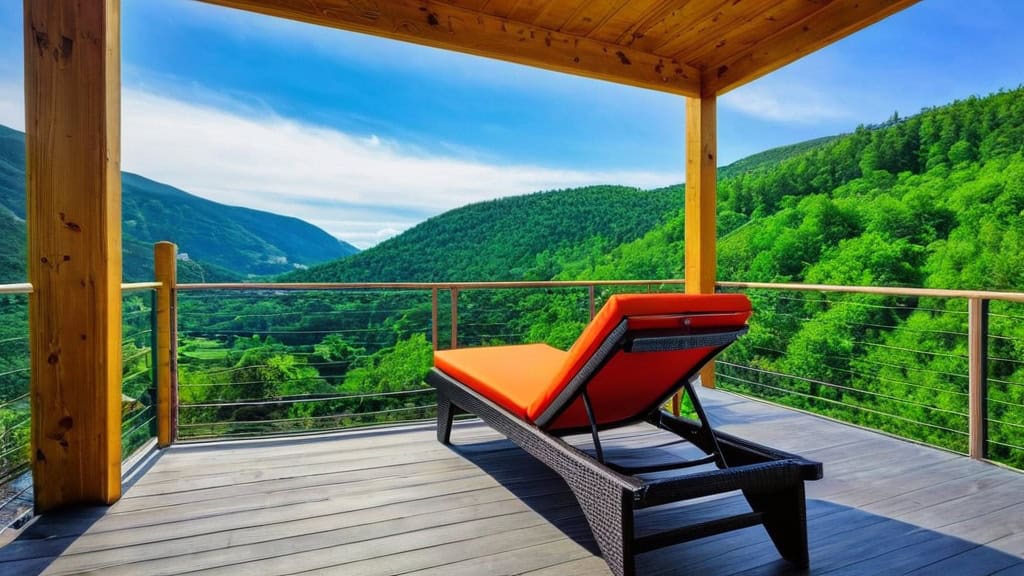
Selecting the right furniture and decor is crucial in establishing a relaxing atmosphere. Comfort should be your top priority when choosing seating options. A plush armchair or a soft chaise lounge can provide the perfect spot for you to sink into with a book or simply enjoy some quiet time.
If space allows, consider adding a small sofa or daybed where you can stretch out and truly unwind.
Soft textiles like throw blankets and cushions can add layers of comfort while also introducing color and texture.
Choose decor items that resonate with you—perhaps framed photographs of cherished memories or calming artwork that inspires peace. The goal is to create an environment that feels both inviting and personal, making it easier for you to slip into relaxation mode.
Creating a Calming Atmosphere
The atmosphere of your relaxation space plays a significant role in how effectively you can unwind. Lighting is one of the most impactful elements in creating a calming environment. Natural light is ideal, so if possible, position your space near a window where sunlight can filter in.
However, when natural light isn’t available, consider using soft, warm lighting options such as floor lamps or string lights to create an inviting glow. Sound is another important factor in establishing a serene atmosphere. You might want to incorporate soothing background music or nature sounds to help drown out distractions.
If silence is what you crave, consider soundproofing elements like heavy curtains or rugs that absorb noise. Additionally, incorporating scents through candles or essential oil diffusers can elevate the calming experience. Scents like lavender or chamomile are known for their relaxing properties and can help set the mood for unwinding after a long day.
Incorporating Nature into Your Space
| Relaxation Spot | Average Time Spent (minutes/day) | Comfort Level (1-10) | Common Activities | Noise Level (1-10) |
|---|---|---|---|---|
| Living Room Sofa | 45 | 8 | Watching TV, Reading, Napping | 4 |
| Bedroom | 60 | 9 | Sleeping, Meditation, Reading | 2 |
| Home Office Chair | 30 | 6 | Working, Listening to Music | 3 |
| Balcony/Patio | 25 | 7 | Gardening, Relaxing, Drinking Coffee | 5 |
| Bathtub | 20 | 9 | Soaking, Aromatherapy | 1 |
| Reading Nook | 35 | 8 | Reading, Journaling | 2 |
Bringing elements of nature into your relaxation space can significantly enhance its calming qualities. Plants not only purify the air but also add life and vibrancy to your environment. Consider incorporating low-maintenance indoor plants like succulents or snake plants if you’re new to gardening.
Their presence can create a sense of tranquility and connection to the outdoors. In addition to live plants, think about incorporating natural materials into your decor. Wooden furniture, stone accents, or woven textiles can evoke a sense of grounding and warmth.
You might also consider adding natural imagery through artwork or photographs that depict serene landscapes or botanical themes. By integrating these elements, you create a harmonious balance between your indoor space and the natural world outside.
Adding Comfort and Coziness
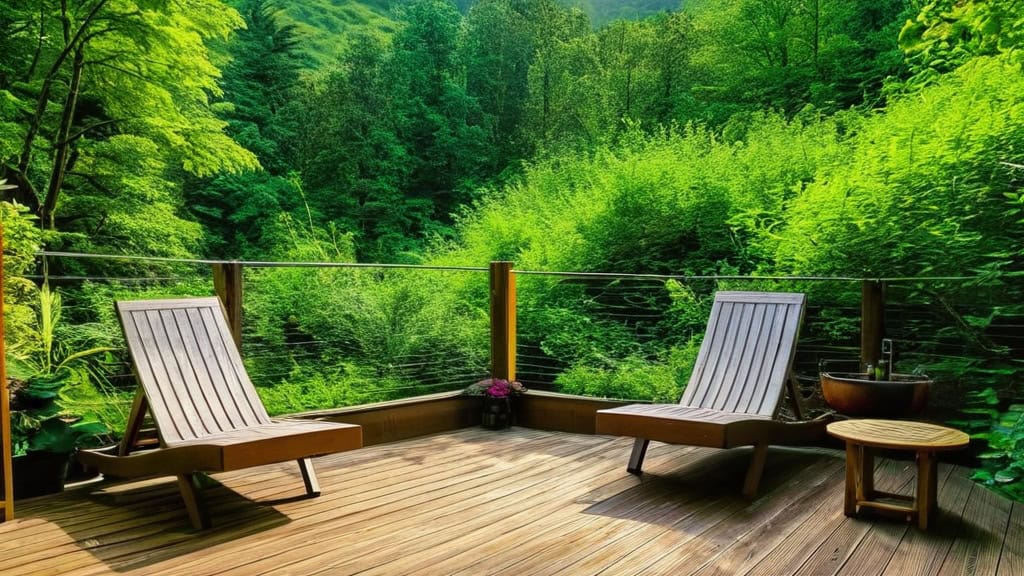
To truly make your relaxation space inviting, focus on adding layers of comfort and coziness. Start with soft textiles—plush rugs underfoot can provide warmth and comfort while also defining the space. Consider draping soft throws over chairs or sofas for an extra touch of warmth on cooler days.
In addition to textiles, think about incorporating personal touches that evoke feelings of comfort. This could be anything from family heirlooms to travel souvenirs that remind you of happy moments. The goal is to create an environment where you feel completely at ease, surrounded by items that bring you joy and comfort.
By layering these elements thoughtfully, you’ll cultivate a space that invites you to relax and recharge.
Personalizing Your Relaxation Spot
Personalization is key when it comes to creating a relaxation space that truly feels like yours. Take the time to curate items that reflect your personality and interests. This could include books from your favorite authors, art supplies for creative expression, or even a collection of candles in scents that soothe you.
Consider creating a vision board or inspiration wall within your space where you can display quotes, images, or anything else that inspires positivity and calmness. This not only adds a personal touch but also serves as a reminder of what brings you joy and peace. By infusing your personality into every aspect of the space, you’ll create an environment that feels uniquely yours—a true sanctuary for relaxation.
Maintaining and Enjoying Your Relaxation Space
Once you’ve created your ideal relaxation space, it’s important to maintain it so that it continues to serve its purpose effectively. Regularly declutter and organize the area to ensure it remains inviting and functional. This might mean setting aside time each week to tidy up or reassess what items are truly necessary in the space.
Equally important is making time to enjoy your relaxation area regularly. Schedule moments throughout your week where you can retreat to this sanctuary—whether it’s for reading, meditating, or simply enjoying a cup of tea in peace. By prioritizing these moments of self-care, you’ll reinforce the importance of relaxation in your life and cultivate a deeper connection with your personal oasis.
In conclusion, creating a relaxation space tailored to your needs involves understanding what helps you unwind, designing an inviting area, choosing comfortable furniture and decor, and incorporating elements that promote calmness and personalization. By maintaining this sanctuary and making time for yourself within it, you’ll foster an environment where relaxation becomes not just an occasional escape but an integral part of your daily routine.
For those looking to deepen their relaxation practices, consider exploring the benefits of guided meditation at home. A related article that delves into this topic is Achieve Deep Relaxation with Guided Meditation at Home, which offers insights and techniques to help you cultivate a peaceful environment and effectively incorporate meditation into your daily routine.
FAQs
What are common home relaxation spots?
Common home relaxation spots include living rooms, bedrooms, balconies, patios, gardens, and dedicated reading nooks or meditation corners.
How can I create a relaxing spot at home?
To create a relaxing spot at home, choose a quiet area, add comfortable seating, incorporate soft lighting, use calming colors, and include elements like plants, cushions, or soothing scents.
Why is having a home relaxation spot important?
Having a home relaxation spot is important because it provides a dedicated space to unwind, reduce stress, improve mental health, and enhance overall well-being.
What furniture is best for a home relaxation spot?
Furniture such as recliners, bean bags, hammocks, cushioned chairs, or sofas with soft throws and pillows are ideal for creating a comfortable home relaxation spot.
Can outdoor areas be used as home relaxation spots?
Yes, outdoor areas like patios, balconies, gardens, or decks can serve as excellent home relaxation spots, especially when furnished with comfortable seating and shaded areas.
How can lighting affect a home relaxation spot?
Lighting plays a crucial role; soft, warm lighting helps create a calming atmosphere, while harsh or bright lights can be stimulating and less conducive to relaxation.
Are there any specific colors recommended for home relaxation spots?
Colors such as soft blues, greens, neutrals, and pastels are often recommended because they promote calmness and relaxation.
What role do plants play in home relaxation spots?
Plants improve air quality, add natural beauty, and create a soothing environment, making them a beneficial addition to home relaxation spots.
Can technology be part of a home relaxation spot?
Technology like sound machines, smart lighting, or devices for playing calming music can enhance relaxation, but it’s best to minimize distractions from phones or work-related devices.
How often should I use my home relaxation spot?
Using your home relaxation spot regularly, even for short periods daily, can help reduce stress and improve mental clarity.