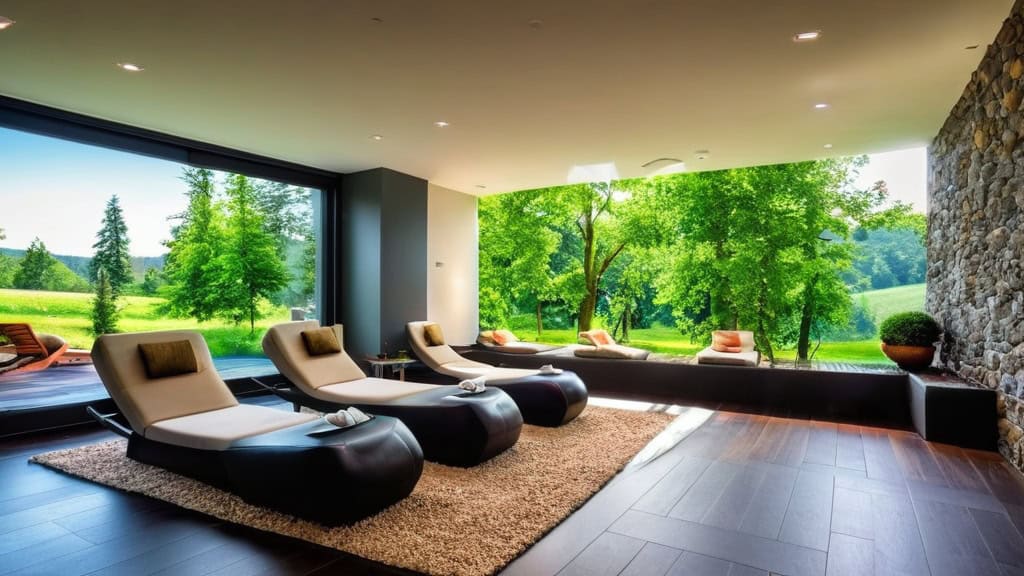
Research indicates that dedicated relaxation spaces contribute significantly to stress reduction and mental well-being. Modern lifestyle demands frequently result in elevated stress levels, making designated areas for decompression a practical necessity rather than a luxury. A relaxation area functions as a controlled environment where individuals can engage in stress-reducing activities away from daily pressures and distractions.
The psychological benefits of having a designated relaxation space are well-documented. Studies show that environmental factors directly influence stress hormone levels and overall mental state. Creating a specific area for relaxation establishes clear boundaries between work or daily responsibilities and personal restoration time.
This physical separation helps trigger mental associations with calm and recovery. Relaxation areas can be customized based on individual preferences and available space. Common configurations include indoor reading corners with comfortable seating, meditation spaces with minimal furnishings, or outdoor areas that incorporate natural elements.
The effectiveness of these spaces depends on their ability to facilitate activities proven to reduce stress, such as deep breathing exercises, mindfulness practices, reading, or quiet reflection. Proper design and consistent use of relaxation areas have been shown to improve sleep quality, reduce anxiety levels, and enhance overall life satisfaction.
Key Takeaways
- Relaxation areas should be designed to promote calm and stress relief.
- Location choice is crucial for comfort and accessibility.
- Furniture and decor must be comfortable and aesthetically pleasing.
- Natural elements and lighting enhance tranquility.
- Privacy, sound, and regular maintenance are key for a lasting relaxing space.
Choosing the Right Location for Your Relaxation Area
Selecting the ideal location for your relaxation area is crucial to its effectiveness. You might want to consider spaces within your home that naturally lend themselves to tranquility. A corner of your living room bathed in sunlight, a quiet bedroom alcove, or even a secluded spot in your garden can all serve as potential candidates.
The key is to choose a location that feels inviting and free from distractions, allowing you to fully immerse yourself in relaxation. As you evaluate different locations, think about the ambiance each space offers. For instance, if you enjoy being outdoors, an area with lush greenery and fresh air can significantly enhance your relaxation experience.
Alternatively, if you prefer indoor settings, look for spaces that are away from high-traffic areas of your home. You may also want to consider factors such as noise levels and accessibility when making your decision. Ultimately, the right location will resonate with you personally, providing a sense of comfort and peace that encourages you to spend time there.
Selecting the Perfect Furniture and Decor
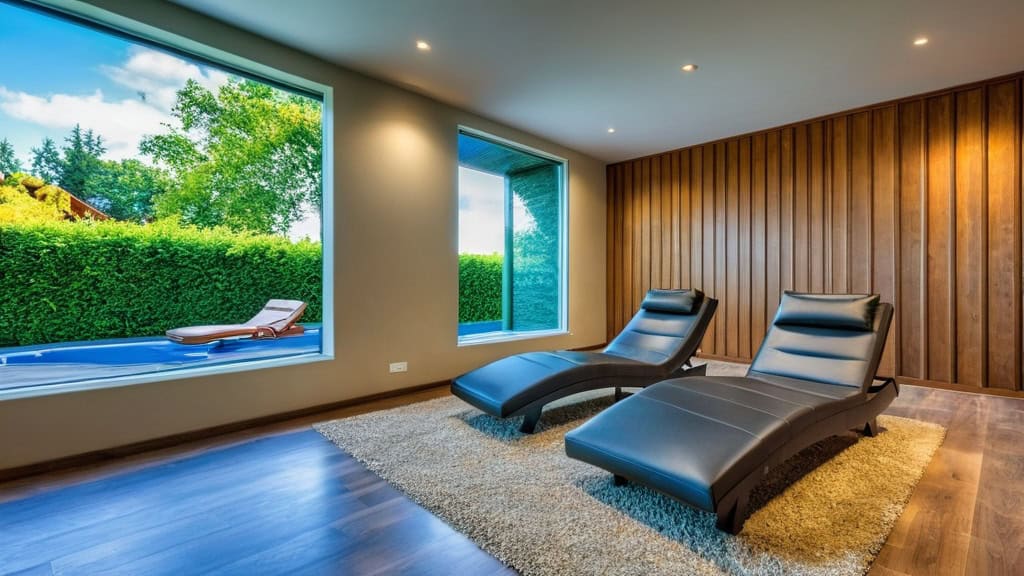
Once you have identified the location for your relaxation area, the next step is to select furniture and decor that align with your vision of comfort and serenity. You might want to start with seating options that invite you to sink in and unwind. A plush armchair, a hammock, or even floor cushions can create an inviting atmosphere where you can lounge for hours.
Consider materials that feel soft against your skin and colors that evoke calmness—think muted tones or earthy shades that promote relaxation. In addition to furniture, decor plays a significant role in setting the mood of your relaxation area. You may want to incorporate elements that reflect your personality and interests.
Artwork that inspires you, soft textiles like throws and pillows, or even personal mementos can add warmth and character to the space. Remember that less is often more; a clutter-free environment can help maintain a sense of peace. By thoughtfully selecting furniture and decor, you can create an inviting oasis that beckons you to take a break from the hustle and bustle of everyday life.
Incorporating Natural Elements for a Calming Atmosphere
Integrating natural elements into your relaxation area can significantly enhance its calming atmosphere. Nature has an innate ability to soothe the mind and body, so consider incorporating plants, natural materials, and outdoor views into your design. Houseplants not only purify the air but also add a touch of life and vibrancy to your space.
You might choose low-maintenance varieties like succulents or ferns if you’re new to plant care. In addition to greenery, think about using natural materials in your furniture and decor. Wooden furniture, stone accents, or woven textiles can create an organic feel that connects you with nature.
If possible, position your relaxation area near windows or doors that open to outdoor views, allowing natural light to flood the space. The sights and sounds of nature can further enhance your experience, making it easier for you to unwind and find peace within yourself.
Utilizing Lighting to Enhance Relaxation
| Metric | Description | Recommended Value/Range | Measurement Method |
|---|---|---|---|
| Space Allocation | Amount of area dedicated to relaxation per person | 5-10 square feet per person | Floor plan analysis |
| Noise Level | Ambient sound level in relaxation area | 30-40 dB | Sound level meter |
| Lighting | Illumination intensity suitable for relaxation | 100-300 lux | Light meter |
| Seating Comfort | Ergonomic rating of seating furniture | Score of 7 or higher (out of 10) | User surveys and ergonomic assessment |
| Air Quality | Concentration of CO2 and pollutants | CO2 below 1000 ppm | Air quality monitor |
| Greenery Presence | Percentage of area covered by plants or natural elements | 10-20% | Visual inspection and area measurement |
| Temperature | Ambient temperature for comfort | 20-24°C (68-75°F) | Thermometer |
| Privacy Level | Degree of visual and acoustic privacy | Moderate to high | User feedback and observation |
Lighting plays a pivotal role in setting the mood of any space, especially in your relaxation area. You may want to consider various lighting options that can be adjusted according to the time of day or your specific needs. Soft, warm lighting can create an inviting atmosphere that encourages relaxation, while brighter lights may be suitable for activities like reading or crafting.
To achieve the perfect lighting balance, think about incorporating multiple sources of light. Floor lamps with dimmers, string lights, or candles can all contribute to a cozy ambiance. You might also want to consider using natural light during the day by keeping curtains open or using sheer fabrics that allow sunlight to filter through gently.
By thoughtfully utilizing lighting in your relaxation area, you can create an environment that feels both comfortable and conducive to unwinding.
Creating Privacy and Seclusion in Your Relaxation Area

For many people, privacy is essential when it comes to truly relaxing. You may find it challenging to unwind if you feel exposed or distracted by others around you. To create a sense of seclusion in your relaxation area, consider using screens, curtains, or even strategically placed furniture to define the space.
This will help establish boundaries that signal it’s time for you to focus on self-care. Additionally, think about incorporating soundproofing elements if noise is an issue in your home. Rugs, heavy drapes, or wall hangings can absorb sound and create a more peaceful environment.
If you’re designing an outdoor relaxation area, consider using landscaping features like hedges or trellises to provide natural barriers from prying eyes. By prioritizing privacy and seclusion in your relaxation area, you can cultivate an environment where you feel safe and free to let go of stress.
Incorporating Sound and Music for Ultimate Relaxation
Sound has a profound impact on our emotional state, making it an essential element in creating a relaxing atmosphere.
Soft instrumental music or ambient playlists can help set the tone for relaxation while drowning out any distracting background noise.
If you prefer natural sounds, consider placing a small water feature like a fountain in your space. The gentle trickle of water can be incredibly calming and create a serene backdrop for meditation or quiet reflection. Additionally, sound machines or apps that offer nature sounds—such as rain falling or birds chirping—can further enhance your experience.
By thoughtfully incorporating sound into your relaxation area, you can create an immersive environment that promotes deep relaxation and rejuvenation.
Maintaining and Upkeeping Your Relaxation Area
Creating a beautiful relaxation area is just the beginning; maintaining it is equally important for ensuring it remains a sanctuary for you over time. Regular upkeep will help preserve the calming atmosphere you’ve worked hard to establish. You might want to set aside time each week for light cleaning—dusting surfaces, fluffing cushions, and watering plants—to keep the space inviting.
Additionally, consider periodically reassessing how well your relaxation area meets your needs. As life changes, so too may your preferences for relaxation. You might find that certain decor items no longer resonate with you or that new activities have emerged that require different furniture arrangements.
By staying attuned to your evolving needs and making adjustments as necessary, you can ensure that your relaxation area continues to serve as a haven for peace and tranquility. In conclusion, creating a dedicated relaxation area is an investment in your well-being that pays dividends in stress reduction and mental clarity. By understanding its purpose and thoughtfully considering elements like location, furniture, natural elements, lighting, privacy, sound, and maintenance, you can craft a space that truly nurtures your spirit.
Embrace this opportunity to prioritize self-care; after all, taking time for yourself is not just beneficial—it’s essential for living a balanced life.
Creating relaxation areas can significantly enhance well-being and productivity in both personal and professional spaces. To further explore the benefits of relaxation techniques, you might find the article on com/breathing-techniques-for-relaxation-and-gratitude/’>breathing techniques for relaxation and gratitude particularly insightful.
This resource offers practical methods to incorporate mindful breathing into your relaxation areas, helping to foster a serene environment conducive to stress relief and mindfulness.
FAQs
What is a relaxation area?
A relaxation area is a designated space designed to promote rest, calmness, and stress relief. It typically includes comfortable seating, soothing decor, and elements that encourage relaxation such as soft lighting, plants, or calming sounds.
Why should I create a relaxation area?
Creating a relaxation area can help reduce stress, improve mental well-being, increase productivity, and provide a peaceful retreat within your home or workplace. It offers a dedicated space to unwind and recharge.
Where is the best place to set up a relaxation area?
The best place for a relaxation area is a quiet, low-traffic spot with minimal distractions. Common locations include a corner of a living room, a spare bedroom, a balcony, or even a section of an office.
What furniture is ideal for a relaxation area?
Comfortable seating such as lounge chairs, bean bags, or recliners are ideal. Adding cushions, soft rugs, and small tables for books or drinks can enhance comfort and functionality.
What elements help create a calming atmosphere?
Elements like soft lighting (e.g., lamps or candles), natural materials, plants, soothing colors, and gentle background sounds (like nature sounds or soft music) contribute to a calming atmosphere.
Can I create a relaxation area in a small space?
Yes, even small spaces can be transformed into relaxation areas by using compact furniture, vertical storage, and focusing on minimalistic design to avoid clutter.
How often should I use my relaxation area?
Using your relaxation area regularly, even for short periods daily, can help maintain mental clarity and reduce stress. The frequency depends on your schedule and personal needs.
Is it necessary to include technology in a relaxation area?
Technology is optional. Some people prefer to include devices like speakers for music or white noise machines, while others opt for a tech-free zone to minimize distractions.
How can I personalize my relaxation area?
Personalize your space with items that bring you comfort and joy, such as favorite books, artwork, scented candles, or meaningful decor. Tailor the space to your preferences to enhance relaxation.
Can relaxation areas be used in workplaces?
Yes, many workplaces incorporate relaxation areas to help employees reduce stress, improve focus, and boost overall productivity. These spaces often include comfortable seating and calming decor.