

Natural light serves as more than illumination, functioning as a significant factor in human well-being. Research demonstrates that exposure to natural light reduces stress and anxiety levels while improving mood and energy. Scientific studies indicate that sunlight exposure enhances focus and productivity during daily activities.
Natural light plays a critical role in regulating circadian rhythms, the biological processes that control sleep-wake cycles. Daytime exposure to sunlight signals the body to maintain alertness, while the absence of light triggers the production of melatonin for sleep preparation. This natural regulation contributes to improved sleep quality and more consistent rest patterns.
The physiological benefits of natural light include vitamin D synthesis, which supports bone health and immune function. Additionally, natural light exposure has been linked to improved cognitive performance and reduced symptoms of seasonal affective disorder. These documented effects highlight the importance of incorporating adequate natural light into indoor environments for optimal health outcomes.
Key Takeaways
- Natural light enhances mood, productivity, and overall well-being.
- Strategic design and use of mirrors can maximize natural light indoors.
- Incorporating plants and light fabrics creates a soothing, airy environment.
- Cozy nooks by windows offer perfect spots for relaxation and reading.
- Outdoor spaces and mindfulness practices in sunlight boost relaxation.
Designing Your Space to Maximize Natural Light
To truly harness the power of natural light, you need to design your space with intention. Start by assessing the layout of your home and identifying areas that receive the most sunlight throughout the day. Consider how you can rearrange furniture or remove obstacles that block light from entering your rooms.
For instance, placing larger pieces of furniture away from windows can create a more open and inviting atmosphere. You might also want to consider using lighter colors for walls and ceilings, as they can reflect light and make your space feel brighter and more expansive. In addition to rearranging furniture, think about the types of window treatments you use.
Heavy drapes can absorb light and create a gloomy environment, while sheer curtains or blinds can allow sunlight to filter through without sacrificing privacy. You may also want to explore skylights or larger windows if you’re planning renovations, as these features can dramatically increase the amount of natural light in your home. By thoughtfully designing your space, you can create an environment that not only looks beautiful but also feels uplifting and energizing.
Incorporating Plants and Greenery for a Relaxing Atmosphere
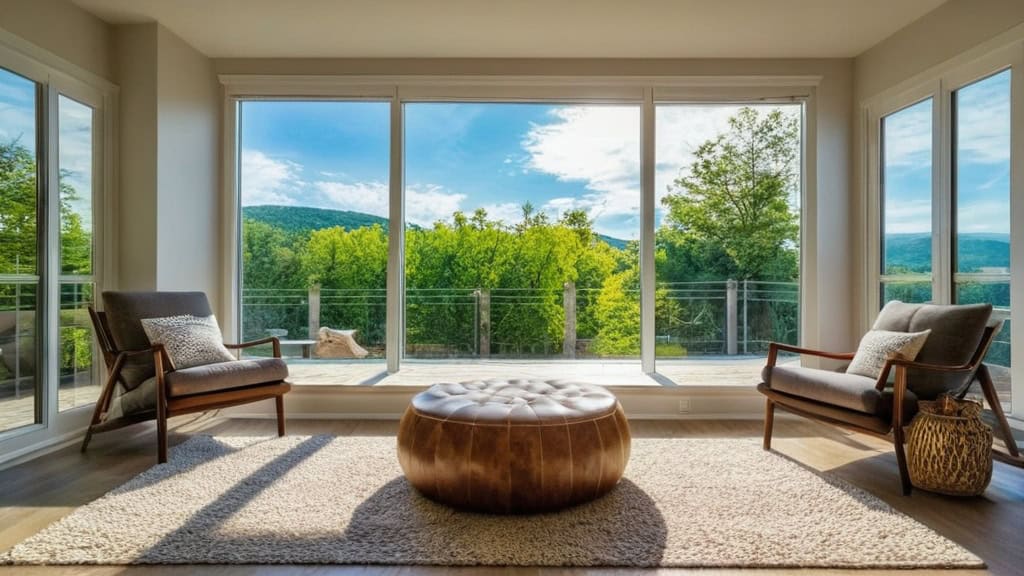
Bringing nature indoors is another effective way to enhance your living space while maximizing natural light. Plants not only purify the air but also create a calming atmosphere that promotes relaxation. You might consider placing potted plants near windows where they can soak up sunlight, allowing them to thrive while simultaneously beautifying your home.
The vibrant greens of foliage can contrast beautifully with the warm tones of sunlight, creating a harmonious balance that soothes the senses. In addition to traditional houseplants, think about incorporating herbs or small vegetable gardens in your kitchen or dining area. Not only do they add a touch of greenery, but they also provide fresh ingredients for your meals.
The act of caring for plants can be therapeutic in itself, offering you a moment of mindfulness amidst a busy day.
Choosing Light, Airy Fabrics and Colors for a Calming Effect
The choice of fabrics and colors in your home can significantly influence how natural light interacts with your space. Opting for light, airy fabrics such as linen or cotton can enhance the feeling of openness and brightness in a room. These materials allow light to filter through while providing comfort and style.
You might consider using these fabrics for curtains, cushions, or throws to create a cohesive look that feels both inviting and serene. Color also plays a vital role in how light is perceived within a space. Soft pastels or neutral tones can reflect natural light beautifully, making rooms feel larger and more inviting.
You may want to paint walls in shades like pale blue or soft beige to create a soothing backdrop that complements the sunlight streaming in. By thoughtfully selecting fabrics and colors, you can cultivate an atmosphere that promotes relaxation and peace, allowing you to fully enjoy the benefits of natural light.
Creating Cozy Nooks for Reading and Relaxing in Natural Light
| Metric | Value/Range | Unit | Notes |
|---|---|---|---|
| Optimal Illuminance for Relaxation | 100 – 300 | lux | Soft natural light levels recommended for calming environments |
| Recommended Exposure Duration | 20 – 30 | minutes per day | Daily exposure to natural light to improve mood and reduce stress |
| Color Temperature | 2700 – 3500 | Kelvin (K) | Warm light tones promote relaxation and comfort |
| Natural Light Percentage in Room | 30 – 50 | % of total lighting | Proportion of natural light recommended for relaxation spaces |
| Reduction in Stress Levels | 15 – 25 | % decrease | Average reduction in cortisol levels with natural light exposure |
| Improvement in Sleep Quality | 20 – 30 | % increase | Better sleep reported with regular natural light exposure |
Designing cozy nooks within your home can provide you with dedicated spaces for relaxation and reflection. Consider placing a comfortable chair or chaise lounge near a window where sunlight pours in during the day. This spot can become your personal retreat for reading, meditating, or simply enjoying a cup of tea while basking in the warmth of natural light.
You might enhance this nook with soft blankets and pillows to create an inviting atmosphere that beckons you to unwind. In addition to seating, think about incorporating shelves filled with books or personal mementos nearby. This not only adds character to your nook but also makes it feel more personalized and special.
You may even want to add a small side table for your favorite beverage or a journal where you can jot down thoughts as they come to you. By creating these cozy corners in your home, you establish spaces that encourage relaxation and mindfulness while embracing the beauty of natural light.
Utilizing Mirrors to Reflect and Amplify Natural Light
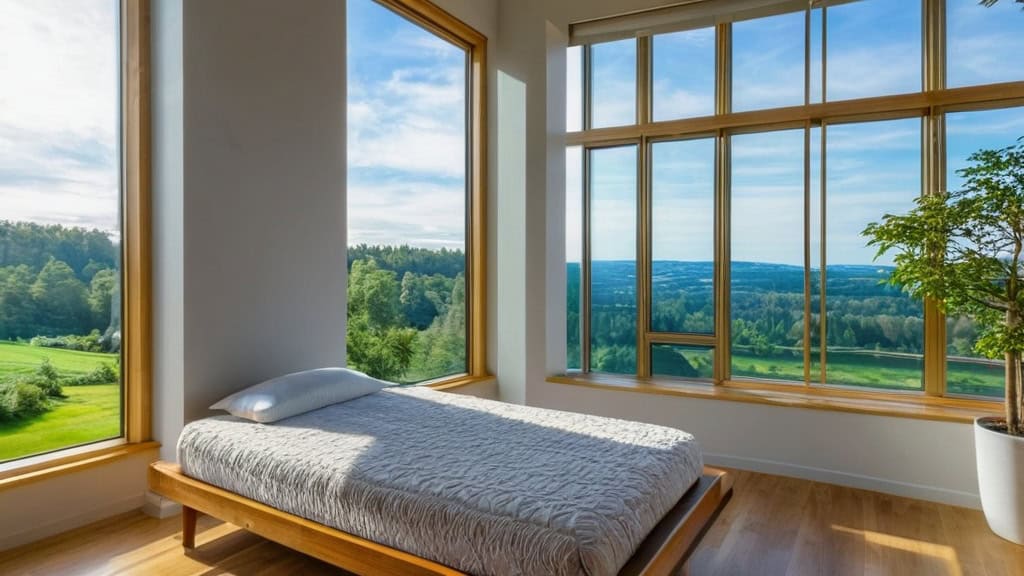
Mirrors are powerful tools when it comes to maximizing natural light in your home. By strategically placing mirrors across from windows or in areas where sunlight enters, you can effectively reflect light throughout the room. This not only brightens up darker corners but also creates an illusion of more space, making your home feel larger and more open.
In addition to their practical benefits, mirrors can also serve as decorative elements that add depth and interest to your decor. Consider using framed mirrors as statement pieces on walls or incorporating smaller mirrors into gallery walls alongside artwork and photographs.
The interplay between mirrors and natural light can create stunning visual effects that elevate the overall ambiance of your home. By utilizing mirrors thoughtfully, you can amplify the beauty of sunlight while enhancing the design of your living spaces.
Embracing Outdoor Spaces for Relaxation and Sunlight
Your outdoor spaces offer an incredible opportunity to soak up natural light while enjoying fresh air and nature’s beauty. Whether you have a balcony, patio, or garden, consider transforming these areas into relaxing retreats where you can unwind under the sun. You might invest in comfortable outdoor furniture such as lounge chairs or hammocks that invite you to spend leisurely afternoons basking in sunlight.
Incorporating elements like outdoor rugs, cushions, or even string lights can enhance the coziness of these spaces, making them perfect for reading or socializing with friends and family. You may also want to create shaded areas with umbrellas or pergolas so that you can enjoy outdoor relaxation even during peak sunlight hours. By embracing outdoor spaces as extensions of your home, you allow yourself to connect with nature while reaping the benefits of natural light.
Practicing Mindfulness and Meditation in Natural Light-filled Spaces
Finally, consider how you can incorporate mindfulness practices into your daily routine within spaces filled with natural light. Setting aside time for meditation or deep breathing exercises in sunlit areas can enhance your sense of calm and clarity. You might choose a quiet corner by a window or even step outside into your garden where sunlight envelops you as you focus on your breath.
Creating a serene environment for mindfulness practices involves minimizing distractions and fostering tranquility. You may want to add soft cushions or mats for comfort while ensuring that your space remains uncluttered and inviting. As you practice mindfulness in these naturally lit areas, you’ll likely find that the combination of sunlight and intentional breathing helps ground you in the present moment, promoting overall well-being.
In conclusion, embracing natural light within your living spaces offers numerous benefits that extend beyond mere aesthetics. By understanding its advantages, designing thoughtfully, incorporating greenery, choosing calming colors and fabrics, creating cozy nooks, utilizing mirrors effectively, embracing outdoor areas, and practicing mindfulness, you can cultivate an environment that nourishes both body and soul. As you embark on this journey toward maximizing natural light in your home, you’ll discover how it transforms not only your space but also your overall quality of life.
Natural light has been shown to significantly enhance relaxation and overall well-being. By incorporating natural light into your daily routine, you can create a calming environment that promotes tranquility and reduces stress. For those looking to deepen their relaxation practices, you might find it beneficial to explore 11 Simple Daily Meditations for New Practitioners, which offers techniques that can be easily integrated into your day, especially in spaces filled with natural light.
FAQs
What is natural light?
Natural light refers to sunlight that comes directly from the sun, as opposed to artificial lighting sources like lamps or bulbs.
How does natural light affect relaxation?
Natural light helps regulate the body’s circadian rhythm, reduces stress, and promotes the production of serotonin, which can enhance mood and relaxation.
Can exposure to natural light improve sleep quality?
Yes, exposure to natural light during the day helps regulate melatonin production, leading to better sleep quality at night.
What are the best times to get natural light for relaxation?
Morning sunlight is particularly beneficial for setting the body’s internal clock, but moderate exposure throughout the day can also promote relaxation.
Is natural light better than artificial light for relaxation?
Natural light is generally more effective for relaxation because it contains the full spectrum of light wavelengths, which positively influence mood and circadian rhythms.
How much natural light is recommended for relaxation?
Experts suggest aiming for at least 20-30 minutes of natural light exposure daily to experience relaxation and mood benefits.
Can natural light help reduce anxiety and depression?
Yes, natural light exposure has been shown to reduce symptoms of anxiety and depression by boosting serotonin levels and improving overall mood.
Are there any risks associated with too much natural light?
Excessive exposure to direct sunlight can lead to skin damage and increase the risk of skin cancer, so it is important to balance light exposure and use sun protection when necessary.
How can I increase natural light in my home for relaxation?
You can increase natural light by opening curtains and blinds, using light-colored interior decor, and placing mirrors to reflect sunlight into darker areas.
Does natural light affect children’s relaxation and development?
Yes, natural light supports healthy sleep patterns, mood regulation, and overall development in children, contributing to better relaxation and well-being.