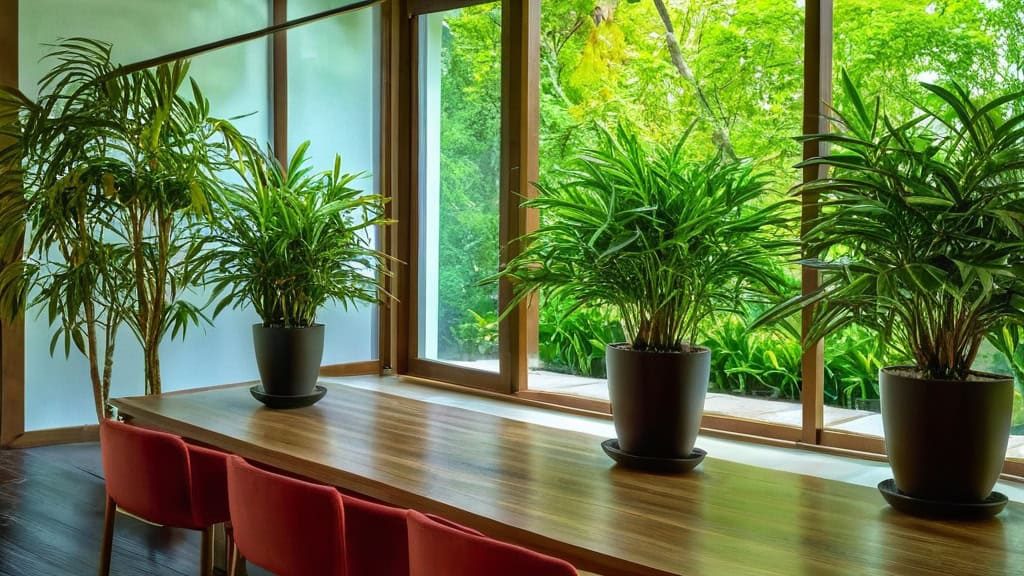
Feng Shui, an ancient Chinese practice, emphasizes the importance of harmonizing individuals with their surrounding environment. One of the most effective ways to achieve this balance is through the strategic use of plants. Feng Shui plants are not merely decorative elements; they are believed to carry specific energies that can enhance your well-being, promote prosperity, and create a serene atmosphere.
By understanding the principles of Feng Shui and how plants can influence your space, you can transform your home or office into a sanctuary of positive energy. Incorporating Feng Shui plants into your environment is not just about aesthetics; it’s about creating a space that nurtures your spirit and supports your goals. Each plant has its unique symbolism and energy, which can be harnessed to attract good fortune, health, and happiness.
As you delve into the world of Feng Shui plants, you will discover how these living elements can serve as powerful tools for personal growth and environmental harmony.
Key Takeaways
- Feng Shui plants enhance energy flow and balance in living and workspaces.
- Choosing plants depends on the area’s energy needs and plant symbolism.
- Proper placement and arrangement are crucial for maximizing Feng Shui benefits.
- Feng Shui plants improve air quality, mood, and overall well-being.
- Regular care ensures plants thrive and maintain positive energy in your environment.
Selecting the Right Plants for Your Space
When it comes to selecting Feng Shui plants, it’s essential to consider both the type of plant and its specific qualities. Certain plants are known for their ability to purify the air, while others are celebrated for their vibrant energy or calming presence. For instance, the peace lily is often recommended for its air-purifying properties and its ability to promote tranquility.
On the other hand, the money tree is associated with prosperity and abundance, making it an excellent choice for areas where you wish to attract wealth. As you choose plants for your space, think about the energy you want to cultivate. If you’re looking to enhance creativity, consider incorporating a snake plant or a pothos, both of which are known for their adaptability and resilience.
Alternatively, if you seek to foster a sense of calm and relaxation, opt for soothing plants like lavender or bamboo. By aligning your plant choices with your intentions, you can create a more harmonious environment that resonates with your personal aspirations.
Placement and Arrangement of Feng Shui Plants
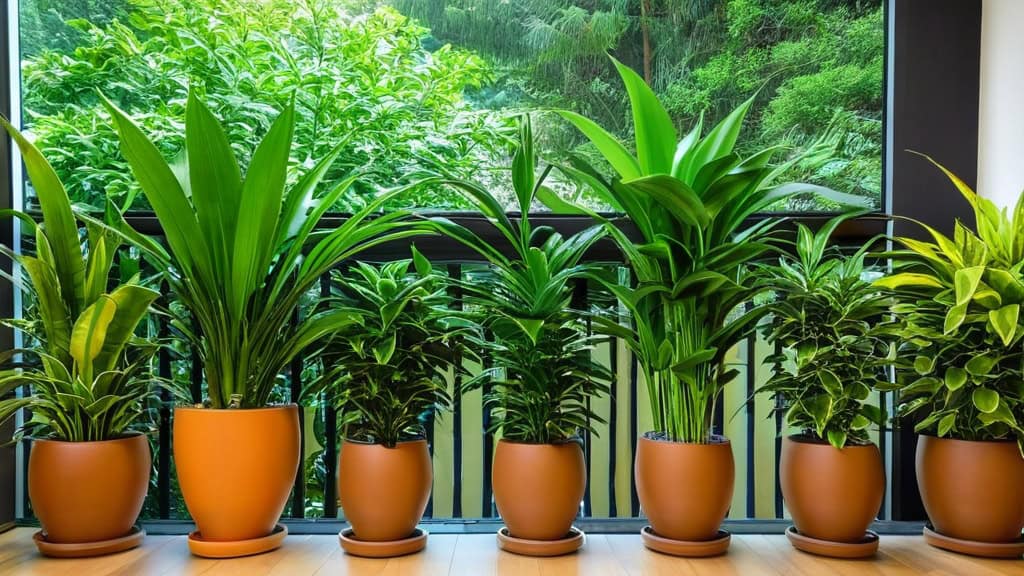
The placement of your Feng Shui plants is just as crucial as the selection process. In Feng Shui, the arrangement of objects within a space can significantly influence the flow of energy, or “chi.” To maximize the benefits of your plants, consider their location in relation to the Bagua map, which divides your space into areas corresponding to different aspects of life, such as wealth, health, and relationships. For example, placing a money tree in the wealth corner of your home can amplify its potential to attract financial abundance.
Additionally, pay attention to the arrangement of your plants. Grouping plants together can create a sense of unity and enhance their collective energy. However, be mindful of overcrowding; each plant should have enough space to thrive without competing for resources.
You might also consider varying the heights and sizes of your plants to create visual interest and balance within your space. By thoughtfully arranging your plants, you can cultivate an environment that feels both inviting and energetically vibrant.
Benefits of Feng Shui Plants in Your Home or Office
Integrating Feng Shui plants into your home or office offers a multitude of benefits that extend beyond mere aesthetics. One of the most significant advantages is their ability to improve air quality. Many common houseplants, such as spider plants and rubber trees, are known for their air-purifying properties, helping to remove toxins and create a healthier indoor environment.
This improvement in air quality can lead to enhanced focus and productivity, making it particularly beneficial in workspaces. Moreover, Feng Shui plants can have a profound impact on your emotional well-being. The presence of greenery has been shown to reduce stress levels and promote feelings of calmness and relaxation.
By surrounding yourself with plants that resonate with positive energy, you can create a nurturing atmosphere that supports mental clarity and emotional balance. Whether you’re working from home or unwinding after a long day, having Feng Shui plants nearby can significantly enhance your overall quality of life.
Caring for Feng Shui Plants
| Plant Name | Feng Shui Element | Symbolism | Best Placement | Care Level |
|---|---|---|---|---|
| Money Tree (Pachira aquatica) | Wood | Wealth, Prosperity | East or Southeast | Moderate |
| Bamboo | Wood | Good Luck, Growth | East or Southeast | Easy |
| Peace Lily | Earth | Harmony, Purity | Southwest or Northeast | Moderate |
| Jade Plant | Wood | Wealth, Prosperity | Southeast | Easy |
| Snake Plant | Earth | Protection, Health | North or East | Easy |
| Orchid | Wood | Fertility, Beauty | East or Southeast | Moderate |
| Lavender | Fire | Calm, Peace | South | Moderate |
Caring for your Feng Shui plants is essential to ensure they thrive and continue to contribute positively to your environment. Each plant has its specific care requirements, including light, water, and humidity levels. Familiarize yourself with these needs to create an optimal growing environment.
For instance, some plants prefer bright indirect light while others thrive in low-light conditions. Understanding these preferences will help you position your plants effectively within your space. Regular maintenance is also crucial for keeping your plants healthy and vibrant.
This includes watering them appropriately—neither overwatering nor underwatering—and providing necessary nutrients through fertilization. Additionally, take time to clean the leaves of your plants to remove dust and debris; this not only enhances their appearance but also allows them to absorb more light. By dedicating time and effort to care for your Feng Shui plants, you ensure they remain powerful allies in creating a harmonious environment.
Feng Shui Plants for Specific Areas of Your Home or Office
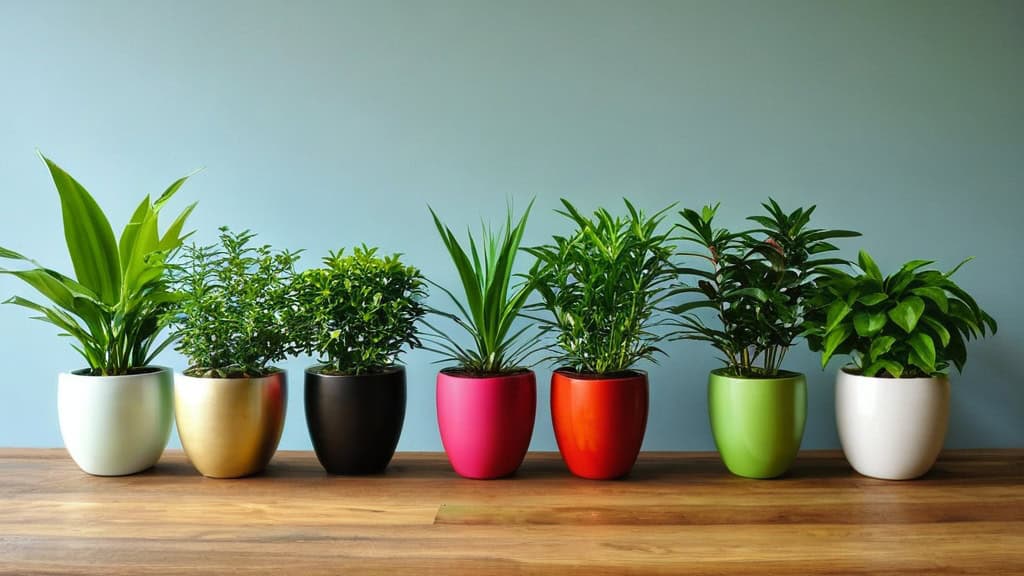
Different areas of your home or office can benefit from specific Feng Shui plants tailored to enhance particular aspects of life. For example, in the wealth corner of your home (the far left corner from the entrance), consider placing a jade plant or a money tree; both are believed to attract prosperity and abundance. In contrast, if you’re looking to improve relationships within your home, incorporating a peace lily or a pink flowered plant can foster harmony and connection among family members.
In workspaces, certain plants can help boost productivity and creativity. The lucky bamboo is often recommended for offices due to its reputation for bringing good fortune and enhancing focus. Similarly, incorporating a small herb garden can stimulate creativity while providing fresh ingredients for cooking.
By strategically placing specific Feng Shui plants in designated areas, you can harness their unique energies to support various aspects of your life.
Using Feng Shui Plants to Create a Harmonious Environment
Creating a harmonious environment with Feng Shui plants involves more than just placement; it requires an understanding of how these living elements interact with one another and with the overall energy of your space.
For instance, pairing tall leafy plants with smaller flowering varieties can create visual balance while enhancing the overall energy flow.
Additionally, consider the colors associated with different plants and how they correspond to various elements in Feng Shui. Green represents growth and vitality, while red symbolizes passion and energy. By thoughtfully combining colors and types of plants, you can create an environment that feels balanced and supportive of your intentions.
This attention to detail will not only enhance the aesthetic appeal of your space but also contribute to a more harmonious atmosphere.
Incorporating Feng Shui Plants into Your Interior Design
Incorporating Feng Shui plants into your interior design allows you to blend functionality with aesthetics seamlessly. When selecting pots or planters for your plants, choose materials and colors that resonate with the overall theme of your space while also aligning with Feng Shui principles. For example, wooden pots can evoke warmth and connection to nature, while ceramic pots may add a touch of elegance.
Consider using plant stands or shelves to elevate your greenery and create visual interest at different heights throughout the room. This not only enhances the design but also allows for better light exposure for each plant. Additionally, integrating plants into focal points—such as near windows or entryways—can draw attention while promoting positive energy flow throughout your home or office.
By thoughtfully incorporating Feng Shui plants into your interior design, you create a space that is not only beautiful but also energetically supportive. In conclusion, embracing Feng Shui plants in your home or office is a powerful way to enhance both aesthetics and energy flow within your environment. By selecting the right plants, placing them thoughtfully, caring for them diligently, and integrating them into your design scheme, you can cultivate a harmonious atmosphere that nurtures well-being and supports personal growth.
As you embark on this journey with Feng Shui plants, remember that each living element contributes uniquely to the energy of your space—creating a sanctuary that reflects your intentions and aspirations.
FAQs
What are feng shui plants?
Feng shui plants are specific types of plants used in the practice of feng shui to enhance the flow of positive energy, or “chi,” within a space. They are believed to bring balance, harmony, and good fortune to homes and workplaces.
Which plants are commonly used in feng shui?
Common feng shui plants include the money tree (Pachira aquatica), lucky bamboo, jade plant, peace lily, and snake plant. Each plant is associated with different elements and energies that can influence various aspects of life.
How do feng shui plants improve energy in a space?
Feng shui plants improve energy by introducing the wood element, which symbolizes growth, vitality, and renewal. Healthy, vibrant plants can absorb negative energy and promote a calming, refreshing atmosphere.
Where should feng shui plants be placed in a home or office?
Placement depends on the desired effect. For example, placing a money tree in the southeast corner is believed to attract wealth, while a peace lily in the bedroom can promote restful sleep. Generally, plants should be placed in areas that need energy enhancement or balance.
Can any plant be used for feng shui purposes?
While many plants can be used, feng shui emphasizes healthy, thriving plants with rounded leaves and vibrant colors. Avoid plants with sharp or spiky leaves, thorny stems, or those that are dying, as they may generate negative energy.
How do I care for feng shui plants?
Proper care includes adequate sunlight, watering, and regular pruning to keep plants healthy. Healthy plants are essential for maintaining positive energy flow according to feng shui principles.
Are artificial plants effective in feng shui?
Artificial plants are generally not recommended in feng shui because they lack the natural energy and vitality of living plants. Real, living plants are preferred to promote genuine positive energy.
Can feng shui plants help with specific issues like health or relationships?
Yes, certain plants are believed to influence specific areas of life. For example, the jade plant is associated with prosperity, while the peace lily is linked to health and harmony. However, these effects are symbolic and part of traditional feng shui beliefs.