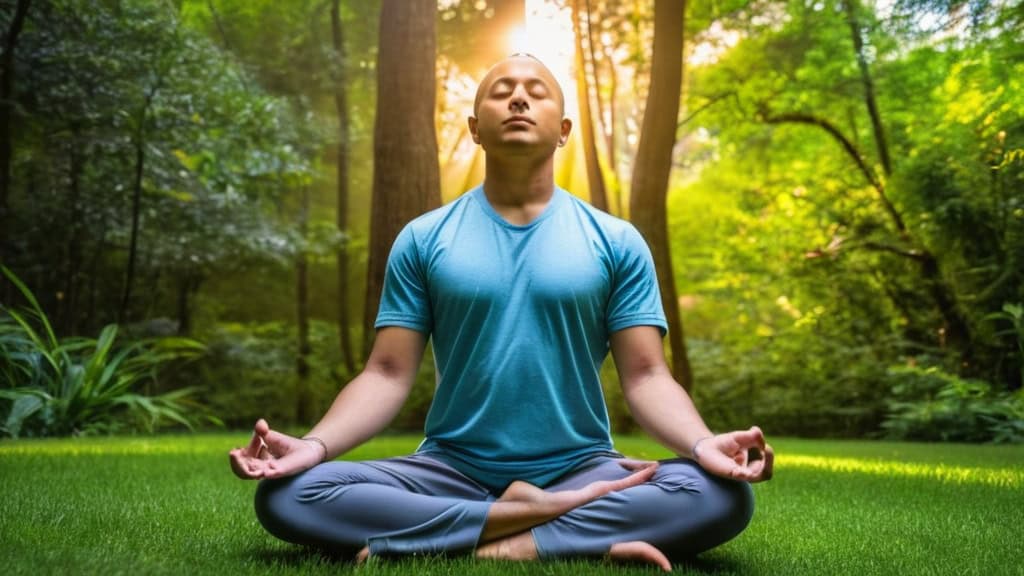
Transcendental Meditation (TM) is a meditation technique developed by Maharishi Mahesh Yogi in the 1950s. The practice involves sitting with closed eyes and silently repeating a personalized mantra for approximately 20 minutes, twice daily. Unlike meditation methods that require concentration or mindfulness, TM is designed to be performed without effort.
TM is taught through a standardized instructional process, typically requiring four sessions with a certified teacher who provides a specific mantra based on factors such as the student’s age. TM is structured to be accessible to individuals regardless of their meditation experience or background.
Research on TM has examined its potential effects on stress reduction, cognitive function, and cardiovascular health, though scientific consensus varies regarding the magnitude and specificity of these effects compared to other relaxation techniques.
Key Takeaways
- Transcendental Meditation (TM) is a simple, natural technique for relaxation and self-development.
- Scientific studies show TM reduces stress and improves brain function.
- Practicing TM offers physical benefits like lower blood pressure and enhanced heart health.
- TM supports mental and emotional well-being by reducing anxiety and promoting emotional stability.
- Regular TM practice can deepen relationships and foster spiritual growth.
The Science Behind Transcendental Meditation
The scientific community has taken a keen interest in Transcendental Meditation, leading to numerous studies that explore its effects on the brain and body. Research has shown that TM can lead to significant changes in brain activity, particularly in areas associated with stress reduction and emotional regulation. When you practice TM, your brain enters a unique state of restful alertness, which is characterized by increased coherence in brainwave patterns.
This state is often associated with improved cognitive function and emotional stability. Moreover, studies have indicated that TM can lead to physiological changes as well. For instance, regular practitioners often experience lower blood pressure, reduced levels of cortisol (the stress hormone), and improved cardiovascular health.
These findings suggest that TM not only promotes mental clarity but also contributes to physical well-being. As you delve deeper into the science behind TM, you may find it fascinating how this ancient practice aligns with modern scientific understanding of stress management and overall health.
Physical Benefits of Transcendental Meditation

Engaging in Transcendental Meditation can yield a plethora of physical benefits that enhance your overall health. One of the most notable advantages is its ability to lower blood pressure. Research has shown that individuals who practice TM regularly often experience significant reductions in systolic and diastolic blood pressure.
This effect can be particularly beneficial for those who struggle with hypertension or are at risk for cardiovascular diseases. By incorporating TM into your daily routine, you may find that your heart health improves over time. In addition to cardiovascular benefits, TM has been linked to improved immune function.
Regular meditation can enhance your body’s ability to fight off illness by boosting the immune system’s response. This means that as you practice TM, you may find yourself feeling more resilient against common ailments like colds and flu. Furthermore, many practitioners report experiencing better sleep quality and increased energy levels throughout the day.
By fostering a state of deep relaxation, TM allows your body to recharge and rejuvenate, leading to a more vibrant and energetic lifestyle.
Mental and Emotional Benefits of Transcendental Meditation
The mental and emotional benefits of Transcendental Meditation are profound and far-reaching. One of the most significant advantages is its ability to reduce anxiety and promote a sense of calm. As you engage in TM, the repetitive nature of the mantra helps quiet the mind, allowing you to let go of racing thoughts and worries.
This process can lead to a greater sense of emotional stability and resilience in the face of life’s challenges. Many practitioners report feeling more centered and balanced after incorporating TM into their daily routine. Additionally, TM can enhance your overall cognitive function.
As you practice TM, you may find that your ability to focus on tasks improves significantly, making it easier for you to navigate both personal and professional challenges. This heightened mental clarity can lead to increased productivity and creativity, allowing you to approach life with renewed enthusiasm and purpose.
How Transcendental Meditation Can Improve Relationships
| Metric | Value | Unit | Source/Study |
|---|---|---|---|
| Average Reduction in Anxiety | 30 | Percent | Journal of Clinical Psychology, 2014 |
| Average Reduction in Blood Pressure | 5 | mm Hg | American Heart Association, 2012 |
| Increase in Alpha Brain Waves | 40 | Percent | Neuroscience Letters, 2010 |
| Average Session Duration | 20 | Minutes | TM Organization Guidelines |
| Reported Improvement in Sleep Quality | 25 | Percent | Sleep Medicine Reviews, 2016 |
| Typical Daily Practice Frequency | 2 | Sessions per day | TM Organization Guidelines |
Transcendental Meditation not only benefits you as an individual but can also have a positive impact on your relationships with others. When you practice TM regularly, you cultivate a greater sense of inner peace and emotional stability, which can translate into more harmonious interactions with those around you. As you become more centered and less reactive to stressors, you may find that your communication improves, leading to deeper connections with friends, family, and colleagues.
Moreover, TM fosters empathy and compassion by helping you develop a greater understanding of your own emotions. As you learn to navigate your feelings through meditation, you become more attuned to the emotions of others as well. This heightened awareness can lead to more meaningful conversations and stronger bonds with loved ones.
By incorporating TM into your life, you may discover that your relationships flourish as you approach them with a renewed sense of patience and understanding.
The Impact of Transcendental Meditation on Stress and Anxiety

One of the most compelling reasons people turn to Transcendental Meditation is its remarkable ability to alleviate stress and anxiety. In today’s fast-paced world, many individuals find themselves overwhelmed by daily pressures and responsibilities. TM offers a sanctuary from this chaos by providing a structured method for relaxation and mental clarity.
As you practice TM, your body enters a state of deep rest that counteracts the physiological effects of stress, such as elevated heart rate and increased muscle tension. Research has consistently shown that individuals who practice TM experience lower levels of anxiety compared to those who do not meditate. The technique helps regulate the body’s stress response system, allowing you to respond more calmly to challenging situations.
Over time, this can lead to a significant reduction in overall anxiety levels, enabling you to approach life’s challenges with greater confidence and composure. By making TM a regular part of your routine, you may find that stress becomes more manageable and less overwhelming.
Incorporating Transcendental Meditation into Daily Life
Integrating Transcendental Meditation into your daily life doesn’t have to be complicated or time-consuming. The beauty of this practice lies in its simplicity; all it requires is a commitment to set aside time for yourself each day. Ideally, you should aim for two sessions of 20 minutes each—one in the morning and one in the evening—when you can sit comfortably without distractions.
Creating a designated space for meditation can enhance your experience; consider finding a quiet corner in your home where you feel at ease. To make the most out of your TM practice, consistency is key. Establishing a routine will help reinforce the habit over time.
You might also consider joining a local TM group or community where you can connect with fellow practitioners for support and encouragement. Sharing experiences with others can deepen your understanding of the practice and motivate you to stay committed. As you incorporate TM into your daily life, you’ll likely notice its positive effects ripple through various aspects of your existence.
Exploring the Spiritual Benefits of Transcendental Meditation
Beyond its physical and mental benefits, Transcendental Meditation offers profound spiritual advantages that can enrich your life on multiple levels. Many practitioners report experiencing a deeper connection to themselves and the world around them through regular meditation practice. This sense of interconnectedness can foster feelings of peace, purpose, and fulfillment as you navigate life’s complexities.
As you delve into the spiritual aspects of TM, you may find that it encourages self-discovery and personal growth. The practice allows you to explore your inner landscape without judgment or distraction, leading to greater self-awareness and insight into your values and beliefs. This journey inward can help clarify your life’s purpose and guide you toward making choices that align with your true self.
Ultimately, by embracing the spiritual benefits of Transcendental Meditation, you open yourself up to a richer, more meaningful existence filled with joy and connection. In conclusion, Transcendental Meditation is more than just a relaxation technique; it is a holistic approach to enhancing your physical health, mental clarity, emotional stability, relationships, and spiritual well-being. By committing to this practice, you embark on a transformative journey that can profoundly impact every aspect of your life.
Whether you’re seeking relief from stress or looking for deeper connections with others, TM offers valuable tools for navigating life’s challenges with grace and resilience.