
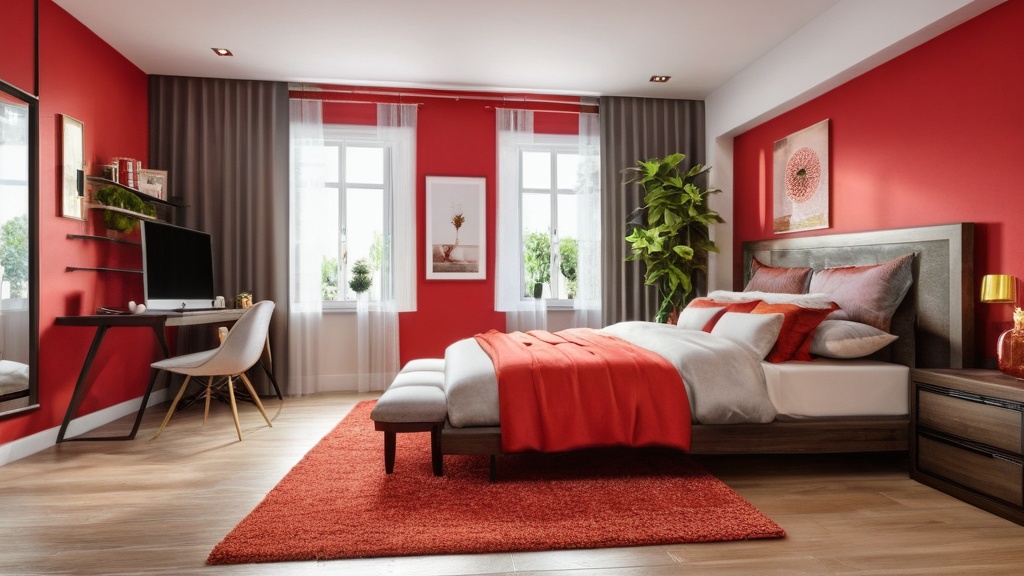
Feng Shui, an ancient Chinese practice, emphasizes the importance of harmony and balance in your environment. One of the key elements of Feng Shui is color, which plays a significant role in influencing energy, or “Chi,” within a space.
Each color is believed to carry its own unique energy and symbolism, affecting your mood, emotions, and overall well-being.
By understanding the meanings behind different colors, you can create a space that not only looks aesthetically pleasing but also promotes positive energy flow.
When you delve into the world of Feng Shui colors, you will discover that they are categorized into five main elements: wood, fire, earth, metal, and water. Each element corresponds to specific colors that can enhance various aspects of your life. For instance, greens and browns represent the wood element, symbolizing growth and vitality. Reds and oranges are associated with fire, igniting passion and enthusiasm. Earth tones like yellows and beiges promote stability and nourishment, while metallic shades like silver and gold bring clarity and precision. Lastly, blues and blacks represent water, embodying calmness and introspection. By understanding these associations, you can make informed choices about the colors you incorporate into your living spaces.
Key Takeaways
- Feng Shui colors influence energy flow and mood in your bedroom.
- Select colors that promote relaxation and balance based on Feng Shui principles.
- Balance yin (calm) and yang (active) energies through thoughtful color combinations.
- Use specific colors to enhance different bedroom areas, like rest or creativity.
- Avoid colors that disrupt harmony to improve sleep quality and overall well-being.
Choosing the Right Feng Shui Colors for Your Bedroom
Selecting the right colors for your bedroom is crucial, as this is a space dedicated to rest and rejuvenation. In Feng Shui, the bedroom should be a sanctuary that fosters relaxation and intimacy. Soft, soothing colors are often recommended to create a tranquil atmosphere conducive to sleep. Light blues, soft greens, and gentle lavenders are excellent choices for promoting calmness and serenity. These colors not only help to reduce stress but also encourage a peaceful mindset, allowing you to unwind after a long day.
In addition to promoting relaxation, consider the emotional aspects of color when choosing hues for your bedroom. For example, if you seek to enhance romance and intimacy in your relationship, incorporating shades of pink or warm reds can be beneficial. These colors evoke feelings of love and connection, creating an inviting environment for you and your partner. On the other hand, if you prefer a more serene atmosphere focused on personal reflection and self-care, opt for cooler tones that encourage tranquility. Ultimately, the key is to select colors that resonate with you personally while aligning with the principles of Feng Shui.
Creating a Balanced and Harmonious Color Scheme
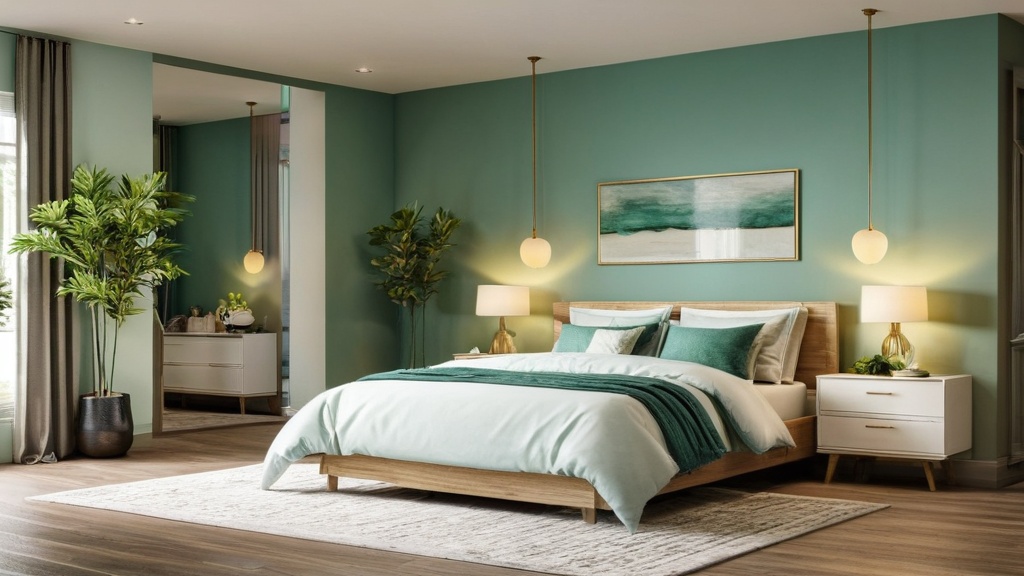
Once you have identified the colors that resonate with you, the next step is to create a balanced and harmonious color scheme in your bedroom. A well-thought-out color palette can significantly impact the overall energy of the space. To achieve balance, consider using a combination of primary colors along with complementary shades. For instance, if you choose a soft blue as your primary color, you might incorporate accents of white or light gray to create contrast without overwhelming the senses.
In Feng Shui, it’s essential to maintain a sense of equilibrium between warm and cool tones. Too much warmth can create an overly stimulating environment, while excessive coolness may lead to feelings of detachment or coldness. Strive for a blend that feels inviting yet calming. You might use warm accents like golden yellows or soft peach alongside cooler shades to create a dynamic yet harmonious atmosphere. This balance not only enhances the visual appeal of your bedroom but also promotes a sense of well-being.
Incorporating Yin and Yang Energies through Color
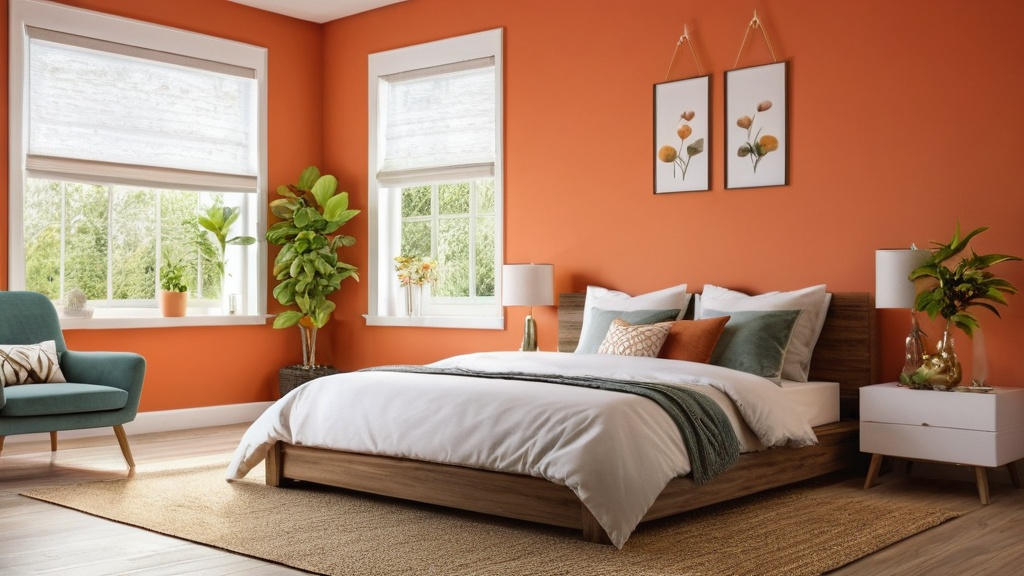
In Feng Shui philosophy, the concept of Yin and Yang represents the duality of energies present in all aspects of life. Yin is associated with qualities such as softness, receptivity, and tranquility, while Yang embodies strength, activity, and brightness. When selecting colors for your bedroom, it’s essential to incorporate both Yin and Yang energies to create a balanced environment.
To achieve this balance through color, consider using softer hues for larger areas like walls or bedding—these represent Yin energy. For instance, light pastels or muted tones can create a soothing backdrop that encourages relaxation. In contrast, you can introduce Yang energy through bolder accents such as decorative pillows or artwork featuring vibrant colors. This interplay between soft and bold elements fosters a dynamic yet harmonious atmosphere that supports both restfulness and vitality.
Enhancing Different Areas of the Bedroom with Feng Shui Colors
| Color | Element | Effect in Bedroom | Best For | Colors to Avoid |
|---|---|---|---|---|
| Soft Blue | Water | Promotes calmness and relaxation | Restful sleep, stress relief | Bright reds, harsh yellows |
| Light Green | Wood | Encourages growth and renewal | Healing, balance, harmony | Dark browns, grays |
| Soft Pink | Earth | Enhances love and romance | Couples, emotional connection | Black, dark blue |
| Lavender | Fire | Promotes peace and spiritual awareness | Meditation, relaxation | Bright oranges, reds |
| Beige | Earth | Creates a warm and stable environment | Neutral, grounding | Bright neon colors |
| White | Metal | Brings clarity and purity | Cleanliness, simplicity | Dark, heavy colors |
Feng Shui principles suggest that different areas of your bedroom correspond to various aspects of your life—such as love, health, and career—based on the Bagua map. By strategically applying specific colors to these areas, you can enhance their corresponding energies. For example, if you want to focus on love and relationships, consider incorporating shades of pink or red in the southwest corner of your bedroom. This area is associated with romance and partnership.
Similarly, if you wish to enhance your health and well-being, focus on the east corner of your bedroom by using greens or earthy tones that symbolize growth and vitality. These colors can help create an environment that nurtures both physical and emotional health. By being intentional about where you place certain colors in your bedroom according to Feng Shui principles, you can effectively channel positive energy into different areas of your life.
Avoiding Negative Feng Shui Colors in the Bedroom
While many colors can enhance positive energy in your bedroom, some hues may have adverse effects on your well-being according to Feng Shui principles. It’s essential to be mindful of these negative colors when designing your space. For instance, overly bright or harsh colors like neon shades can create an overwhelming atmosphere that disrupts tranquility and relaxation. Such colors may lead to increased anxiety or restlessness—qualities that are counterproductive in a space meant for rest.
Additionally, dark or heavy colors like deep browns or blacks can evoke feelings of heaviness or sadness if overused in a bedroom setting. While these colors can be grounding when used sparingly as accents, they should not dominate the space. Instead, aim for lighter shades that promote openness and positivity while using darker tones judiciously to maintain balance.
Using Feng Shui Color Psychology to Improve Sleep and Relaxation
Color psychology plays a significant role in how we perceive our environment and can greatly influence our ability to relax and sleep well. In Feng Shui practice, understanding how different colors affect mood is crucial for creating a restful bedroom atmosphere. Soft blues are known for their calming properties; they mimic the sky and water elements that promote tranquility. Incorporating these shades into your bedding or wall color can help signal your brain that it’s time to unwind.
Similarly, gentle greens evoke feelings of renewal and balance—qualities essential for restful sleep. By surrounding yourself with these soothing hues, you create an environment conducive to relaxation and restorative sleep cycles. Additionally, consider using warm neutrals like beige or soft taupe as they provide a comforting backdrop without being overly stimulating. By thoughtfully applying color psychology principles within the context of Feng Shui, you can significantly enhance your sleep quality.
Maintaining Balance and Harmony in Your Bedroom with Feng Shui Colors
To maintain balance and harmony in your bedroom using Feng Shui colors requires ongoing attention to detail. Regularly assess how the colors in your space make you feel; if certain hues begin to feel overwhelming or stale over time, don’t hesitate to refresh them. You might consider seasonal changes—incorporating lighter shades during springtime or warmer tones during winter months—to keep your environment feeling vibrant yet balanced.
Moreover, remember that balance extends beyond just color; it encompasses all elements within your bedroom design—from furniture placement to decor choices.
Ensure that each aspect contributes positively to the overall energy flow in the space.
By remaining mindful of both color choices and their impact on your emotional well-being over time, you can cultivate an inviting sanctuary that promotes relaxation while fostering positive energy flow throughout your life.
In conclusion, understanding Feng Shui colors allows you to create a harmonious bedroom environment tailored to your needs. By choosing appropriate hues based on their meanings and effects on energy flow while maintaining balance between Yin and Yang energies through thoughtful design choices—you can transform your bedroom into a sanctuary that nurtures both body and mind.
FAQs
What are the best colors for a feng shui bedroom?
The best colors for a feng shui bedroom are soft, calming hues such as light blues, greens, and earth tones. These colors promote relaxation, balance, and restful energy, which are essential for a good night’s sleep.
Why should bright or bold colors be avoided in a feng shui bedroom?
Bright or bold colors like red, bright orange, or neon shades can create excessive energy and restlessness in a bedroom. Feng shui emphasizes calm and tranquility in sleeping spaces, so these intense colors are generally avoided to maintain a peaceful environment.
How do colors affect the energy flow in a feng shui bedroom?
Colors influence the flow of chi (energy) by either calming or stimulating the senses. Soft, muted colors encourage a smooth, gentle energy flow conducive to relaxation, while harsh or overly vibrant colors can disrupt this flow and cause tension or restlessness.
Can neutral colors be used effectively in feng shui bedroom design?
Yes, neutral colors like beige, cream, soft gray, and taupe are excellent choices in feng shui bedrooms. They create a balanced, grounding atmosphere that supports restful sleep and complements other feng shui elements in the room.
Are there specific colors recommended for different feng shui elements in the bedroom?
Yes, feng shui associates colors with the five elements: wood (green, brown), fire (red, orange), earth (yellow, beige), metal (white, gray), and water (blue, black). Choosing bedroom colors that correspond to these elements can enhance harmony and balance, depending on the individual’s needs and the room’s orientation.