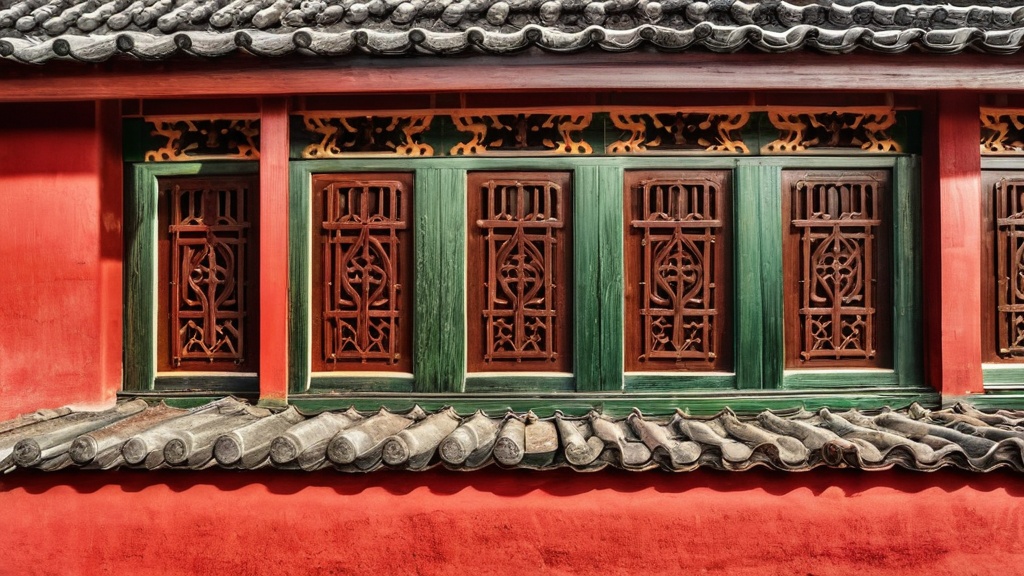
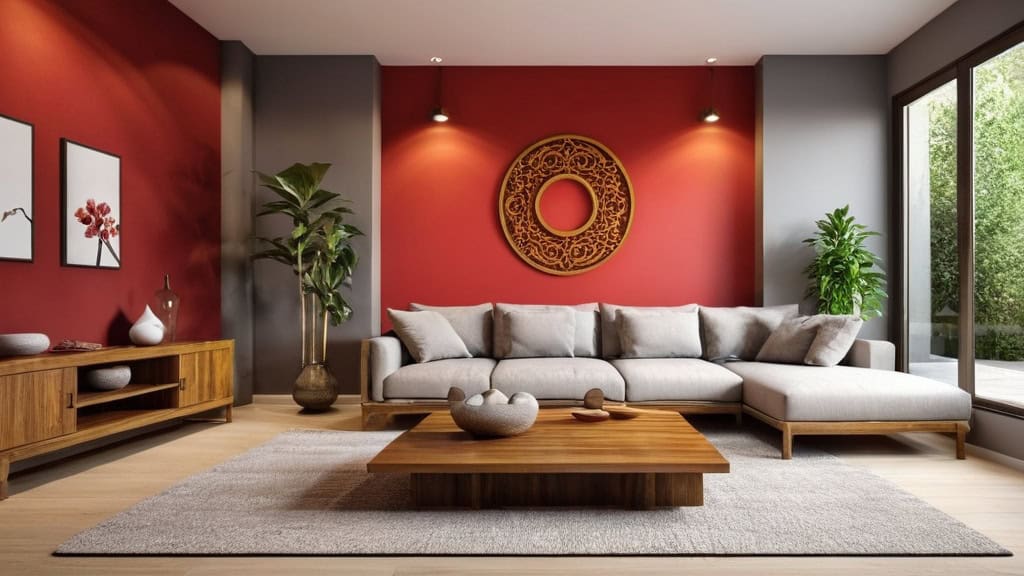
Feng Shui, an ancient Chinese practice, is a holistic approach to creating spaces that promote well-being and harmony. The arrangement of living environments can significantly impact mood, health, and overall quality of life. This practice emphasizes the balance and energy flow, known as “Chi,” in surroundings.
By understanding and applying Feng Shui principles, homes can be transformed into sanctuaries that nurture the spirit and enhance daily experiences. Incorporating Feng Shui into interior design extends beyond aesthetics to create spaces that resonate with positive energy. The positioning of furniture, color selection, and use of natural elements can influence a home’s atmosphere.
This approach helps identify areas that may block energy flow and provides practical solutions to enhance environmental vibrancy. Feng Shui encourages a deeper connection with living spaces, allowing them to reflect personal values and aspirations.
Key Takeaways
- Feng Shui interior design focuses on creating balance and harmony within living spaces.
- The Five Elements (wood, fire, earth, metal, water) play a crucial role in Feng Shui principles.
- Proper furniture placement and organized spaces enhance the flow of positive energy, or Chi.
- Color, lighting, mirrors, and artwork are used strategically to promote positive energy flow.
- Regular cleansing and maintenance are essential to sustain a harmonious and grounded home environment.
Understanding the Five Elements in Feng Shui
At the heart of Feng Shui are the Five Elements: Wood, Fire, Earth, Metal, and Water. Each element embodies unique qualities and energies that can be harnessed to create a balanced environment. As you explore these elements, you will begin to understand how they interact with one another and how they can be integrated into your home design.
For instance, Wood represents growth and vitality, while Fire symbolizes passion and transformation. By incorporating these elements thoughtfully, you can evoke specific feelings and intentions within your space. To effectively utilize the Five Elements in your interior design, consider how each element can be represented through colors, materials, and shapes.
For example, you might introduce wooden furniture or plants to embody the Wood element, while vibrant reds or oranges can evoke the Fire element. Earthy tones and ceramic materials can ground your space with the Earth element, while metallic accents can bring in the Metal element. Lastly, incorporating water features or blue hues can invite the calming energy of Water into your home.
By thoughtfully balancing these elements, you can create an environment that feels harmonious and supportive.
Creating Balance and Harmony with Furniture Placement
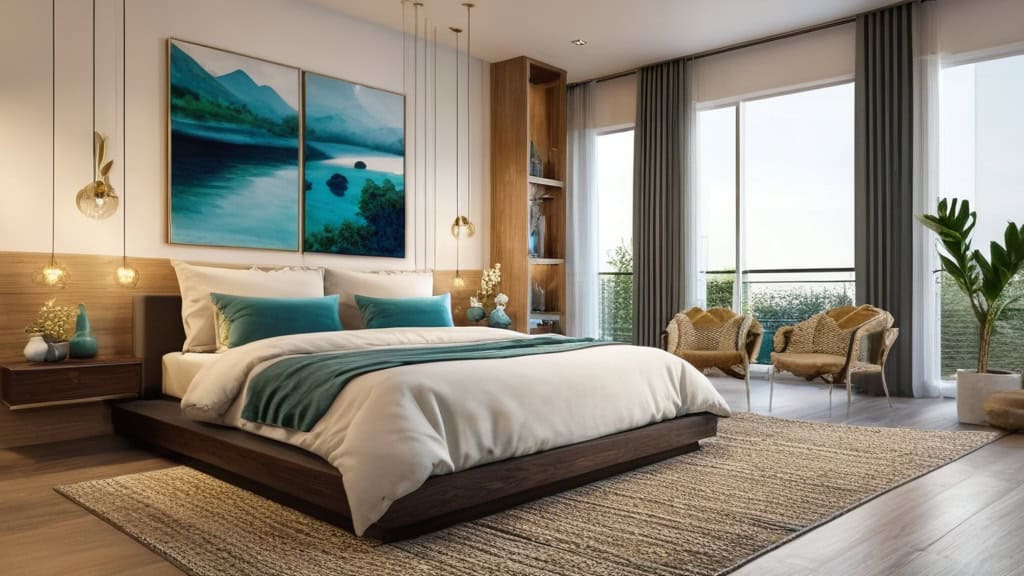
Furniture placement is a crucial aspect of Feng Shui interior design that directly influences the flow of Chi in your space. As you arrange your furniture, consider how each piece interacts with others and the overall layout of the room. You may want to avoid placing furniture in a way that obstructs pathways or creates sharp angles, as these can disrupt the flow of energy.
Instead, aim for a layout that encourages movement and connection among family members and guests. One effective strategy is to create a focal point in each room, such as a fireplace or a piece of artwork. Positioning furniture around this focal point fosters a sense of unity and encourages social interaction.
Additionally, consider the balance between heavy and light furniture; mixing different sizes and shapes can create visual interest while maintaining harmony. As you experiment with different arrangements, pay attention to how each configuration affects the energy in the room. You may find that certain layouts feel more inviting and comfortable than others, guiding you toward an arrangement that resonates with your personal style.
Utilizing Color and Lighting for Positive Energy Flow
Color plays a vital role in Feng Shui interior design, as it has the power to evoke emotions and influence energy flow within a space. Each color corresponds to specific elements and energies; for instance, greens and browns represent the Wood element, while reds and yellows are associated with Fire. As you select colors for your walls, furniture, and decor, consider how they align with your intentions for each room.
You might choose calming blues for a bedroom to promote relaxation or vibrant yellows for a kitchen to inspire creativity. Lighting is equally important in creating a harmonious environment. Natural light is ideal for enhancing Chi flow, so consider maximizing windows or using sheer curtains to allow sunlight to filter through.
In areas where natural light is limited, opt for warm artificial lighting that mimics daylight. Layering different types of lighting—ambient, task, and accent—can also create depth and warmth in your space. As you experiment with color and lighting, observe how these elements affect your mood and energy levels; this awareness will guide you in making choices that foster a positive atmosphere.
Incorporating Natural Elements for a Grounded Space
| Feng Shui Element | Associated Colors | Common Interior Use | Effect on Space | Recommended Placement |
|---|---|---|---|---|
| Wood | Green, Brown | Plants, Wooden Furniture | Promotes Growth and Vitality | East, Southeast areas |
| Fire | Red, Orange, Purple | Lighting, Candles, Electronics | Increases Energy and Passion | South area |
| Earth | Yellow, Beige, Light Brown | Clay Pots, Ceramics, Stones | Stability and Nourishment | Center, Northeast, Southwest |
| Metal | White, Gray, Metallic | Metal Furniture, Frames, Sculptures | Clarity and Precision | West, Northwest |
| Water | Blue, Black | Fountains, Mirrors, Aquariums | Calmness and Abundance | North area |
Bringing natural elements into your home is an essential aspect of Feng Shui that helps create a grounded and nurturing environment. Nature has an innate ability to soothe the mind and spirit, making it an invaluable resource for enhancing your living space. You might start by incorporating plants into your decor; they not only purify the air but also symbolize growth and vitality.
Choose plants that thrive in your environment and resonate with your personal style—whether it’s lush ferns or elegant succulents.
These materials connect you to the Earth element and promote a sense of stability within your home.
You might choose wooden furniture or stone accents to create a warm and inviting atmosphere. Additionally, incorporating water features—such as fountains or aquariums—can further enhance the calming energy of your space. By embracing natural elements, you will cultivate an environment that feels balanced and rejuvenating.
Enhancing the Flow of Chi with Organized Spaces
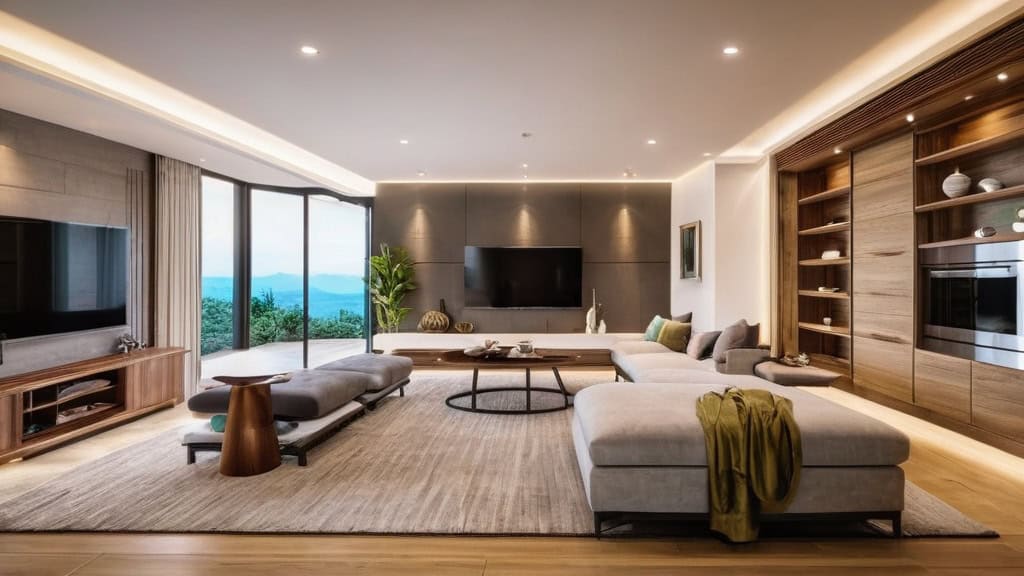
A cluttered space can obstruct the flow of Chi, leading to feelings of stress and overwhelm. To create a harmonious environment, it is essential to prioritize organization and decluttering in your home. Begin by assessing each room; identify items that no longer serve you or contribute positively to your life.
As you declutter, consider donating or recycling items that are no longer needed—this not only clears physical space but also creates emotional clarity. Once you’ve decluttered, focus on organizing your belongings in a way that promotes ease of movement and accessibility. Utilize storage solutions that keep items neatly tucked away while still being easy to reach when needed.
You might invest in decorative baskets or shelving units that blend seamlessly with your decor while providing functional storage options. By maintaining organized spaces, you will enhance the flow of Chi throughout your home, creating an atmosphere that feels open and inviting.
Using Mirrors and Artwork to Reflect Positive Energy
Mirrors are powerful tools in Feng Shui interior design; they can amplify light and energy within a space while also serving as decorative elements. When strategically placed, mirrors can enhance the flow of Chi by reflecting positive energy back into the room. Consider positioning mirrors across from windows or light sources to maximize natural light and create an illusion of spaciousness.
However, be mindful of where you place mirrors; avoid positioning them directly facing doors or beds, as this can create an unsettling energy. Artwork also plays a significant role in shaping the energy of your home. Choose pieces that resonate with you personally—whether they depict serene landscapes or vibrant abstract designs—and display them prominently throughout your space.
Art has the power to evoke emotions and inspire creativity; surrounding yourself with pieces that uplift your spirit will contribute positively to the overall atmosphere of your home.
Maintaining a Harmonious Home with Regular Cleansing and Maintenance
Creating a harmonious home is an ongoing process that requires regular attention and care. Just as you would tend to a garden to ensure its growth, maintaining a balanced living environment involves periodic cleansing and upkeep. Start by establishing a routine for cleaning; this not only keeps your space tidy but also helps clear stagnant energy that may have accumulated over time.
Consider incorporating rituals such as smudging with sage or using essential oils to cleanse the air and invite positive energy into your home. In addition to physical cleaning, take time to assess the overall energy of your space regularly. Pay attention to areas that may feel heavy or stagnant; these may require additional decluttering or rearranging to restore balance.
You might also consider seasonal changes—refreshing decor or introducing new elements that align with the changing energies throughout the year can invigorate your home’s atmosphere. By committing to regular maintenance and cleansing practices, you will cultivate an environment that remains vibrant and supportive of your well-being. In conclusion, embracing Feng Shui interior design offers you an opportunity to transform your living space into a sanctuary of balance and harmony.
By understanding the principles behind this ancient practice—such as the Five Elements, furniture placement, color selection, natural elements, organization, mirrors, artwork, and regular maintenance—you can create an environment that nurtures both body and spirit. As you embark on this journey toward a more harmonious home, remember that every choice you make contributes to the overall energy flow within your space. With intention and mindfulness, you can cultivate a living environment that reflects your values while promoting well-being for yourself and those who share it with you.
FAQs
What is Feng Shui interior design?
Feng Shui interior design is the ancient Chinese practice of arranging living spaces to promote harmony, balance, and positive energy flow. It involves the strategic placement of furniture, colors, and decor to enhance well-being and create a supportive environment.
How does Feng Shui affect interior design?
Feng Shui affects interior design by guiding the layout, color schemes, and choice of materials to optimize energy flow (known as “Qi”). This can improve health, relationships, and prosperity by creating a balanced and inviting space.
What are the basic principles of Feng Shui in interior design?
The basic principles include the five elements (wood, fire, earth, metal, water), the Bagua map (energy map of a space), proper furniture placement, clutter reduction, and the use of natural light and air flow to maintain positive energy.
Can Feng Shui be applied to any room in the house?
Yes, Feng Shui can be applied to any room, including living rooms, bedrooms, kitchens, and offices. Each room has specific Feng Shui considerations based on its function and the energy it should support.
What colors are commonly used in Feng Shui interior design?
Colors in Feng Shui are chosen based on the five elements and the desired energy. For example, red represents fire and passion, blue and black represent water and calmness, green represents wood and growth, yellow and beige represent earth and stability, and white and metallic colors represent metal and clarity.
Is Feng Shui interior design compatible with modern decor styles?
Yes, Feng Shui principles can be integrated with modern decor styles. The focus is on balance, natural elements, and energy flow, which can complement minimalist, contemporary, and eclectic designs.
Do I need a Feng Shui expert to design my interior?
While a Feng Shui expert can provide personalized guidance, many basic Feng Shui principles can be applied by homeowners through research and simple adjustments to furniture placement, color choices, and decluttering.
How does clutter affect Feng Shui in interior design?
Clutter disrupts the flow of positive energy (Qi) and can create stagnation and stress. Keeping spaces clean and organized is essential in Feng Shui to maintain a healthy and vibrant environment.
What role does natural light play in Feng Shui interior design?
Natural light is important in Feng Shui as it brings positive energy into a space. Maximizing natural light helps to energize rooms and improve mood and well-being.
Can Feng Shui interior design improve health and well-being?
Many people believe that Feng Shui interior design can improve health and well-being by creating a balanced and harmonious environment that supports relaxation, reduces stress, and promotes positive energy flow.