
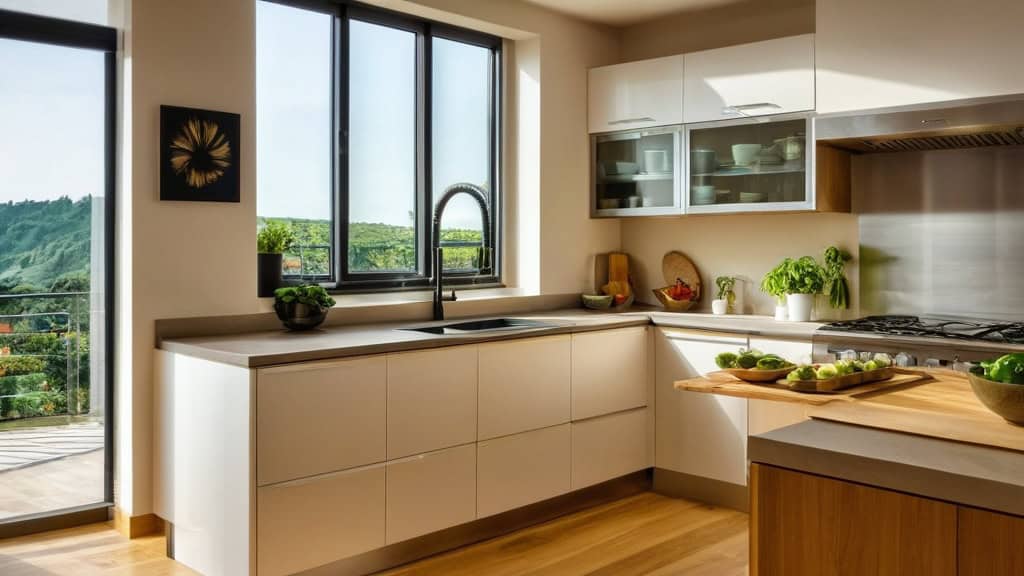
Feng Shui is a traditional Chinese practice that focuses on arranging physical spaces to optimize energy flow and create balanced environments. In residential settings, the kitchen holds particular importance within Feng Shui philosophy as it represents nourishment, health, and abundance. This room serves multiple functions including food preparation, storage, and often social gathering, making it a central hub of household activity.
The application of Feng Shui principles in kitchen design involves the strategic placement of appliances, furniture, and decorative elements to promote what practitioners believe is positive energy circulation. Key considerations include the positioning of the stove, sink, and refrigerator in relation to each other and to the room’s entrance, as well as the use of specific colors, materials, and lighting. Practitioners maintain that proper arrangement of these elements can influence the occupants’ well-being, though scientific evidence supporting these claims is limited.
Feng Shui kitchen design typically addresses several core elements: the balance of the five elements (wood, fire, earth, metal, and water), the avoidance of conflicting placements, and the maintenance of clear pathways for movement. Common recommendations include keeping the cooking area clean and organized, ensuring adequate lighting, and incorporating natural materials where possible. These practices aim to create what adherents describe as a harmonious environment that supports both practical cooking activities and overall household energy.
Key Takeaways
- Feng Shui in the kitchen promotes balance and harmony for better energy flow.
- Proper kitchen layout and design are essential to apply Feng Shui principles effectively.
- Using specific colors and natural materials enhances the kitchen’s positive energy.
- Organizing and decluttering the kitchen supports a smooth and healthy energy circulation.
- Regular Feng Shui practices help maintain a balanced and harmonious kitchen environment.
The Importance of Balance and Harmony in the Kitchen
In Feng Shui, balance and harmony are paramount. The kitchen is a dynamic space where various energies converge, and achieving equilibrium is essential for fostering a positive atmosphere. When you think about it, the kitchen is not just a place for cooking; it is where families gather, conversations flow, and memories are created.
A balanced kitchen can enhance these experiences, making them more enjoyable and fulfilling. You may notice that when your kitchen feels harmonious, it encourages you to spend more time there, whether you are preparing meals or sharing them with loved ones. To achieve this balance, consider the arrangement of your kitchen elements.
Each item should have its place, contributing to an overall sense of order.
By ensuring that your kitchen is organized and harmonious, you create an inviting space that promotes creativity and connection.
This balance extends beyond physical items; it also encompasses the emotional energy within the space. A harmonious kitchen fosters positive interactions among family members, encouraging collaboration and togetherness.
Applying Feng Shui Principles to Kitchen Layout and Design
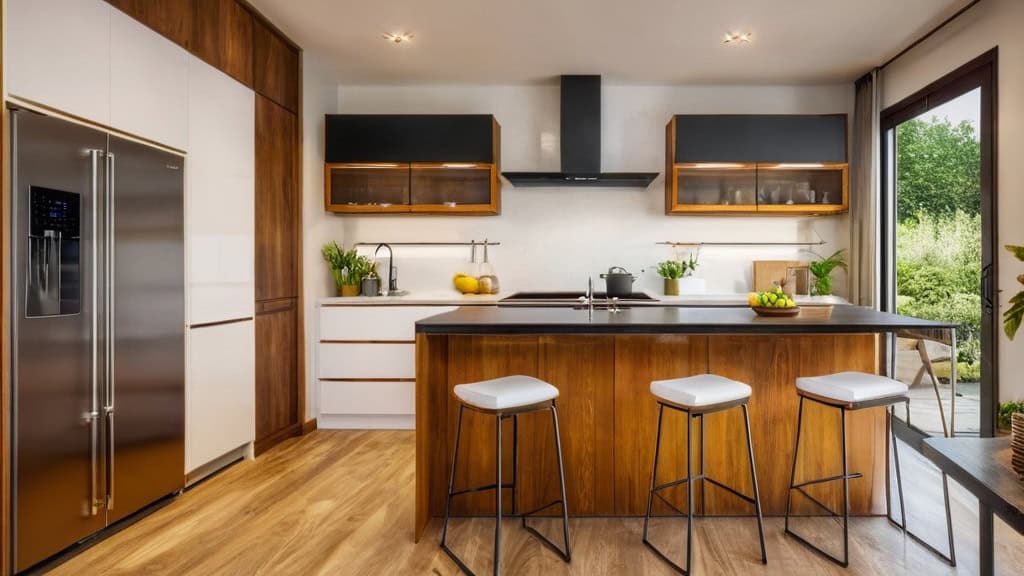
When it comes to applying Feng Shui principles to your kitchen layout and design, there are several key considerations to keep in mind. First and foremost, the placement of major appliances plays a crucial role in determining the energy flow within the space. Ideally, the stove should be positioned in a way that allows you to see the entrance while cooking.
This positioning not only enhances your sense of security but also symbolizes control over your culinary environment. You may want to experiment with different layouts to find what feels most comfortable and inviting for you. Another important aspect of Feng Shui in kitchen design is the concept of the “work triangle,” which refers to the optimal distance between the stove, sink, and refrigerator.
This triangle should be efficient yet spacious enough to allow for easy movement while cooking. By ensuring that these key areas are well-connected, you can create a seamless flow that enhances your cooking experience. Additionally, consider incorporating rounded edges in your design elements to promote a softer energy flow, as sharp corners can create tension and disrupt harmony.
Enhancing Energy Flow with Feng Shui in the Kitchen
To enhance energy flow in your kitchen, it is essential to focus on both physical and energetic aspects of the space. One effective way to promote positive energy is by ensuring that there is ample natural light. Sunlight not only brightens up the room but also invigorates the energy within it.
If your kitchen lacks windows or natural light sources, consider adding bright lighting fixtures or mirrors to reflect light and create an illusion of openness. You may find that a well-lit kitchen feels more inviting and energizing. In addition to lighting, consider incorporating elements that promote movement within the space.
For instance, keeping pathways clear and ensuring that furniture is arranged in a way that allows for easy navigation can significantly improve energy flow.
By being mindful of how energy flows through your kitchen, you can create an environment that feels vibrant and alive.
Choosing Colors and Materials for a Harmonious Kitchen
| Feng Shui Kitchen Element | Recommended Practice | Purpose/Benefit | Common Metrics |
|---|---|---|---|
| Kitchen Location | Place kitchen in the back or side of the house, avoid center | Promotes family harmony and health | Distance from main entrance (meters), position relative to center |
| Stove Placement | Stove should not face the main door or be directly opposite the sink | Balances fire and water elements, prevents energy conflict | Angle of stove relative to door (degrees), distance between stove and sink (cm) |
| Colors | Use warm colors like red, orange, or earth tones | Enhances energy flow and appetite | Color temperature (Kelvin), percentage of warm colors in kitchen |
| Clutter Management | Keep countertops clean and organized | Improves energy flow and reduces stress | Number of items on countertop, frequency of cleaning (times/week) |
| Lighting | Use bright, natural or soft white lighting | Supports positive energy and visibility | Illuminance level (lux), hours of natural light per day |
| Ventilation | Ensure good airflow with windows or exhaust fans | Removes negative energy and odors | Air changes per hour (ACH), window size (sq. meters) |
The colors and materials you choose for your kitchen can significantly impact its energy and ambiance. In Feng Shui, colors are associated with different elements and emotions, so selecting hues that resonate with your intentions is crucial. For example, warm colors like red and orange can stimulate appetite and creativity, making them ideal for kitchens where meals are prepared and shared.
On the other hand, cooler colors like blue and green promote calmness and tranquility, which can be beneficial if you seek a peaceful cooking environment. When it comes to materials, consider incorporating natural elements such as wood or stone. These materials not only add warmth but also connect your kitchen to nature, fostering a sense of grounding and stability.
You might also want to avoid overly synthetic materials that can disrupt the natural energy flow in your space. By thoughtfully selecting colors and materials that align with Feng Shui principles, you can create a harmonious kitchen that reflects your personal style while promoting positive energy.
Organizing and Decluttering the Kitchen with Feng Shui
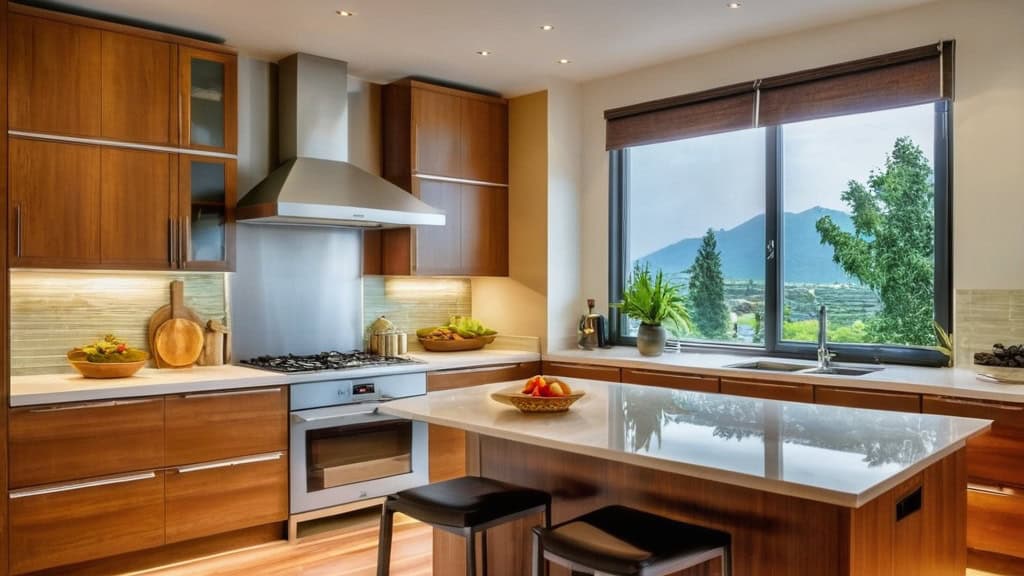
A cluttered kitchen can stifle creativity and hinder positive energy flow. To embrace Feng Shui principles effectively, organizing and decluttering your kitchen should be a priority. Start by assessing each item in your kitchen—ask yourself if it serves a purpose or brings you joy.
If not, consider donating or discarding it. This process not only clears physical space but also creates mental clarity, allowing you to focus on what truly matters in your culinary endeavors. Once you’ve decluttered, implement organizational systems that promote efficiency and ease of use.
Group similar items together—utensils with utensils, pots with pots—to create a sense of order. You might also want to utilize storage solutions that maximize vertical space or hidden compartments to keep surfaces clear. By maintaining an organized kitchen, you foster an environment where creativity can flourish, making cooking an enjoyable experience rather than a chore.
Incorporating Natural Elements for a Balanced Kitchen
Incorporating natural elements into your kitchen design is an essential aspect of achieving balance according to Feng Shui principles. Nature has an innate ability to ground us and promote well-being; therefore, bringing these elements into your kitchen can significantly enhance its energy. Consider adding plants or herbs that thrive indoors; not only do they purify the air, but they also add life and vibrancy to your space.
You might find that having fresh herbs on hand inspires you to cook more often. Additionally, think about integrating natural materials into your kitchen design. Wooden cabinets or stone countertops can create a warm and inviting atmosphere while connecting you to nature’s beauty.
You may also want to incorporate water features or images of water—such as paintings or decorative items—to symbolize abundance and nourishment. By embracing natural elements in your kitchen, you cultivate an environment that feels balanced and harmonious.
Maintaining a Harmonious Kitchen with Regular Feng Shui Practices
Creating a harmonious kitchen is not just a one-time effort; it requires ongoing attention and care. To maintain this balance, consider incorporating regular Feng Shui practices into your routine. Start by performing seasonal decluttering sessions—this will help you stay on top of any buildup of items that no longer serve you or your space.
Additionally, take time each week to clean surfaces thoroughly; this not only keeps your kitchen looking its best but also clears stagnant energy. You might also want to establish rituals that promote positive energy flow in your kitchen. For instance, lighting candles or incense while cooking can create a calming atmosphere and enhance focus on your culinary tasks.
Regularly rearranging items or introducing new elements can also refresh the energy in your space. By committing to these practices, you ensure that your kitchen remains a sanctuary of balance and harmony—a place where nourishment is prepared with love and shared with joy. In conclusion, embracing Feng Shui principles in your kitchen can lead to profound changes in both energy flow and overall atmosphere.
By focusing on balance, organization, natural elements, and regular maintenance practices, you can transform this essential space into a harmonious haven that nurtures both body and spirit. As you embark on this journey toward creating a balanced kitchen environment, remember that every small change contributes to a larger sense of well-being within your home.
FAQs
What is Feng Shui in the kitchen?
Feng Shui in the kitchen refers to the practice of arranging and organizing the kitchen space to promote positive energy flow, balance, and harmony. It involves the placement of appliances, colors, and objects to enhance health, prosperity, and well-being.
Why is the kitchen important in Feng Shui?
The kitchen is considered the heart of the home in Feng Shui because it is where food is prepared, symbolizing nourishment and wealth. A well-balanced kitchen can attract good health, abundance, and positive energy to the household.
How should the stove be positioned according to Feng Shui?
In Feng Shui, the stove should be placed in a commanding position where the cook can see the kitchen entrance without being directly in line with the door. It should not share a wall with the sink or refrigerator to avoid conflicting energy between fire and water elements.
What colors are recommended for a Feng Shui kitchen?
Colors that promote warmth and vitality, such as red, orange, yellow, and earth tones, are often recommended for a Feng Shui kitchen. These colors can stimulate appetite and create a welcoming atmosphere. However, the choice of colors should also balance the five Feng Shui elements.
Can clutter affect Feng Shui in the kitchen?
Yes, clutter can block the flow of positive energy (Chi) in the kitchen. Keeping the kitchen clean, organized, and free of unnecessary items helps maintain good energy flow and supports health and prosperity.
Is the placement of the sink important in Feng Shui?
Yes, the sink represents the water element and should be positioned away from the stove, which represents fire, to avoid energy conflict. Ideally, the sink should be placed where it is easily accessible and allows for smooth workflow.
Are mirrors beneficial in a Feng Shui kitchen?
Mirrors can be used in Feng Shui kitchens to expand the space and reflect positive energy. However, they should not reflect the stove directly, as this can double the fire element and create imbalance.
How can lighting affect Feng Shui in the kitchen?
Good lighting is essential in a Feng Shui kitchen as it energizes the space and enhances visibility. Natural light is preferred, but if not available, bright and warm artificial lighting can be used to create a vibrant and inviting environment.
What role do plants play in Feng Shui kitchens?
Plants bring the wood element into the kitchen, promoting growth, vitality, and fresh energy. Small, healthy plants or herbs can be placed in the kitchen to improve air quality and add a natural touch.
Can the shape and layout of the kitchen impact Feng Shui?
Yes, the shape and layout influence how energy flows through the kitchen. A well-designed kitchen with a clear, open layout encourages smooth movement and positive energy circulation, while awkward or cramped spaces can create stagnant energy.