
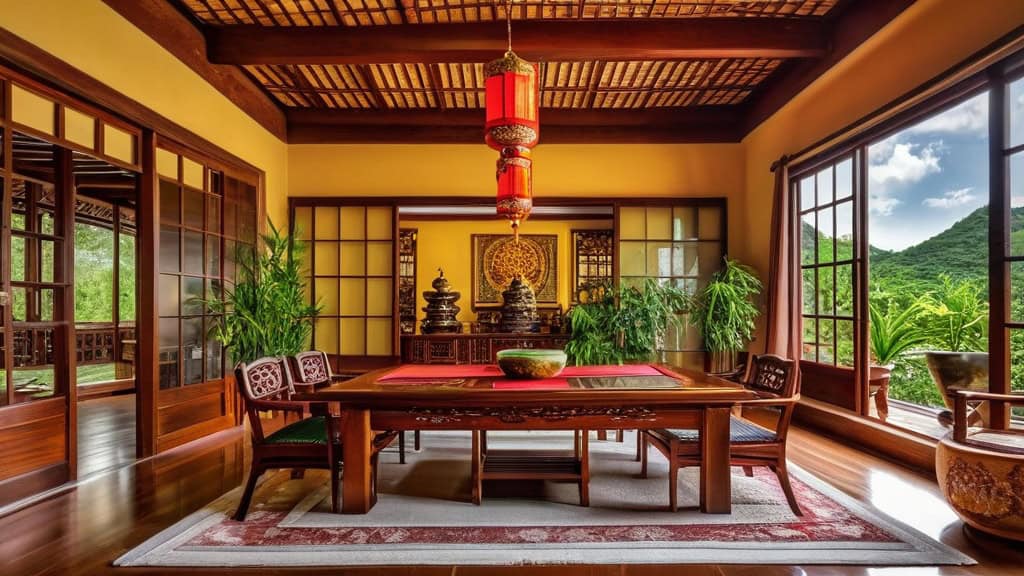
Feng Shui and Vastu are ancient practices rooted in the belief that the arrangement of space can significantly influence the energy flow within an environment. You may find it fascinating that both systems originated in different parts of the world—Feng Shui in China and Vastu in India—yet they share a common goal: to create harmonious living spaces that promote well-being and prosperity. As you delve into these practices, you will discover that they are not merely about aesthetics; they are deeply intertwined with the philosophy of energy, or “chi” in Feng Shui and “prana” in Vastu.
Understanding these concepts can be a transformative experience. You might begin to see your surroundings in a new light, recognizing how the placement of furniture, colors, and even the orientation of your home can affect your mood and overall quality of life. Both Feng Shui and Vastu emphasize the importance of aligning your living space with natural elements and cosmic energies, encouraging you to create an environment that nurtures your spirit and enhances your daily experiences.
Key Takeaways
- Feng Shui and Vastu are ancient practices that focus on creating harmony and balance in living spaces.
- The principles of Feng Shui and Vastu emphasize the importance of energy flow and the placement of objects in a space.
- Applying Feng Shui and Vastu in interior design involves considering the layout, colors, and materials used in a space.
- Creating balance and harmony in living spaces with Feng Shui and Vastu involves decluttering and organizing the environment.
- Enhancing energy flow with Feng Shui and Vastu can be achieved by incorporating natural elements and using specific symbols and objects.
Principles of Feng Shui and Vastu
At the heart of both Feng Shui and Vastu lie fundamental principles that guide their application. In Feng Shui, the concept of the Bagua map is essential. This tool divides your space into nine areas, each corresponding to different aspects of life, such as wealth, health, and relationships. You may find it intriguing how this map helps you identify which areas of your home need attention to enhance specific life aspects. For instance, if you seek to improve your career prospects, focusing on the north area of your home could be beneficial.
On the other hand, Vastu is grounded in the five elements: earth, water, fire, air, and space. Each element plays a crucial role in creating balance within a structure. You might consider how the placement of rooms in relation to these elements can affect your well-being. For example, having a kitchen in the southeast corner is believed to harness the fire element effectively, promoting health and prosperity. By understanding these principles, you can begin to make informed decisions about how to arrange your living space for optimal energy flow.
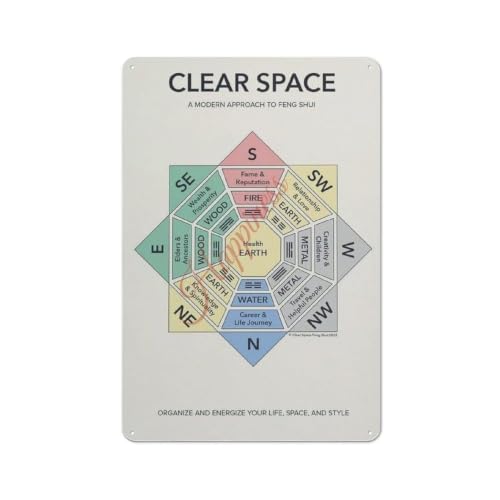
【Perfect Size & Eye-Catching Design】 Carefully designed in popular sizes 8×12 inch , this metal sign offers the perfect balance between visibility and decoration. The clear artwork and stylish design make the message easy to notice while adding a unique decorative touch without overwhelming your space.

NOTE: All poster prints may vary slightly from what you see on your screen due to the resolution and colour profile of your device. These prints look AMAZING when displayed in a frame or straight on the wall.

Applying Feng Shui and Vastu in Interior Design
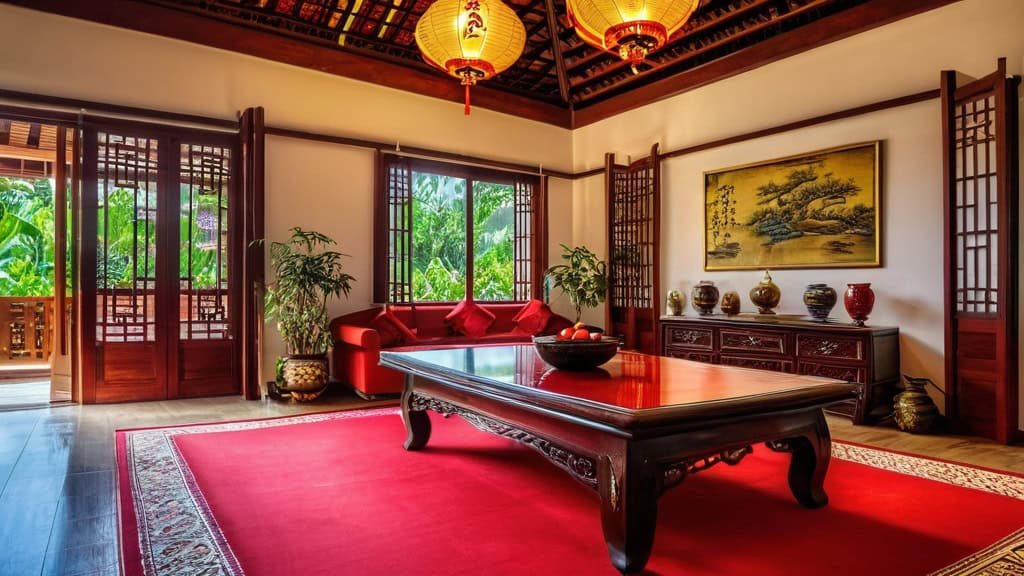
When it comes to interior design, integrating Feng Shui and Vastu principles can elevate your space from merely functional to truly harmonious. You may start by assessing your current layout and identifying areas that could benefit from a fresh perspective. In Feng Shui, for instance, decluttering is often the first step toward creating a more positive environment. By removing unnecessary items, you allow energy to flow freely, making your space feel more inviting and vibrant.
Incorporating Vastu principles into your design can also be a rewarding endeavor. You might consider the orientation of your furniture and decor elements. For example, placing your bed in a position that allows you to see the door while not being directly in line with it is a common Vastu recommendation. This arrangement fosters a sense of security and control over your environment. By thoughtfully applying these principles, you can create a space that not only looks beautiful but also feels balanced and supportive.
Creating Balance and Harmony in Living Spaces
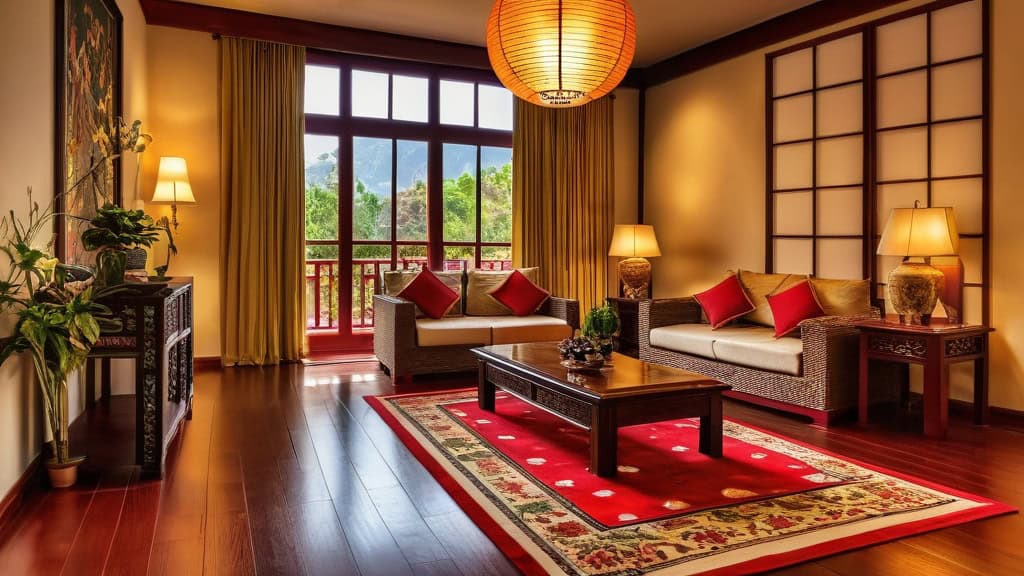
Creating balance and harmony in your living spaces is essential for fostering a sense of peace and well-being. You may find that small adjustments can lead to significant changes in how you feel within your home. In Feng Shui, achieving balance often involves considering the yin and yang energies present in your space. You might explore incorporating soft textures and calming colors alongside vibrant accents to create a dynamic yet soothing atmosphere.
Similarly, Vastu emphasizes the importance of symmetry and proportion in design. You could experiment with arranging furniture in pairs or using balanced decor elements to evoke a sense of stability. By paying attention to these details, you can cultivate an environment that resonates with tranquility and encourages relaxation. As you create balance in your living spaces, you may notice an improvement in your mood and overall quality of life.
Enhancing Energy Flow with Feng Shui and Vastu
| Aspect | Feng Shui | Vastu |
|---|---|---|
| Main Goal | Harmonize energy flow | Align with natural forces |
| Key Elements | Bagua map, Five elements | Vastu Purusha Mandala, Five elements |
| Color | Used to balance energy | Each direction has specific colors |
| Direction | Emphasizes cardinal directions | Emphasizes cardinal and intercardinal directions |
| Room Layout | Emphasizes furniture placement | Emphasizes room shape and placement |
Enhancing energy flow is a central tenet of both Feng Shui and Vastu practices. You might begin by evaluating how energy moves through your home. In Feng Shui, this involves identifying areas where energy may become stagnant or blocked. You could consider using mirrors strategically to reflect light and energy into darker corners or incorporating plants to bring life into underutilized spaces.
In Vastu, ensuring that pathways are clear and unobstructed is crucial for maintaining positive energy flow. You may want to assess the layout of your rooms and corridors, making sure they allow for easy movement throughout your home. By prioritizing energy flow, you create an environment that feels alive and invigorating, ultimately enhancing your overall well-being.
Feng Shui and Vastu for Business Spaces
The principles of Feng Shui and Vastu extend beyond residential spaces; they can also be applied effectively in business environments.
You may find that creating a harmonious workspace can lead to increased productivity and employee satisfaction.
In Feng Shui, positioning desks to face the entrance can foster a sense of control and openness among employees, encouraging collaboration and communication.
Vastu principles can also play a significant role in business success. For instance, placing the reception area in the northeast corner is believed to attract positive energy and create a welcoming atmosphere for clients and visitors. By implementing these practices in your business space, you can cultivate an environment that not only supports your employees but also enhances customer experiences.
Tips for Implementing Feng Shui and Vastu in Your Home
As you embark on your journey to implement Feng Shui and Vastu principles in your home, there are several practical tips you can follow. Start by decluttering each room; this simple act can significantly improve energy flow. You might also consider using color strategically—soft blues or greens can promote tranquility, while vibrant reds or oranges can energize a space.
Another effective tip is to incorporate natural elements into your decor. Plants not only purify the air but also bring life into your home, aligning with both Feng Shui and Vastu philosophies. Additionally, pay attention to lighting; natural light is essential for creating a positive atmosphere. By following these tips, you can gradually transform your home into a sanctuary that reflects balance and harmony.
Consultation and Professional Services for Feng Shui and Vastu
If you find yourself feeling overwhelmed by the intricacies of Feng Shui and Vastu, seeking professional consultation can be an excellent option.
Experts in these fields can provide personalized assessments of your space, offering tailored recommendations based on their knowledge and experience.
You may discover that working with a professional allows you to gain deeper insights into how to optimize your environment effectively.
Consultants often conduct thorough evaluations of both residential and commercial spaces, considering factors such as layout, orientation, and energy flow. They can guide you through the process of implementing changes that align with your goals—whether it’s improving relationships at home or enhancing productivity at work. By investing in professional services, you empower yourself to create spaces that truly resonate with harmony and balance.
In conclusion, understanding and applying Feng Shui and Vastu principles can profoundly impact your living environment. As you explore these ancient practices, you will likely find new ways to enhance your well-being through thoughtful design choices that promote balance, harmony, and positive energy flow. Whether you’re looking to transform your home or business space, embracing these philosophies can lead to a more fulfilling life experience.
FAQs
What is feng shui and vastu?
Feng shui is a Chinese practice that focuses on arranging the environment to create harmony and balance. Vastu, on the other hand, is an ancient Indian science that focuses on creating a harmonious living space by balancing the five elements of nature.
What are the key principles of feng shui and vastu?
The key principles of feng shui include the use of the bagua map, the placement of furniture and objects, and the balance of yin and yang energies. Vastu principles include the orientation of the building, the placement of rooms, and the use of specific materials and colors.
What are the benefits of feng shui and vastu?
The benefits of feng shui and vastu include improved energy flow, better health, increased prosperity, and overall well-being. These practices are believed to create a positive and harmonious environment for the inhabitants.
How can feng shui and vastu be applied in a home or office?
Feng shui and vastu can be applied by arranging furniture and objects according to their principles, using specific colors and materials, and paying attention to the orientation and layout of the space. It is important to consult with a feng shui or vastu expert for personalized guidance.
Are there any cultural or religious considerations when applying feng shui and vastu?
Both feng shui and vastu have cultural and religious roots in Chinese and Indian traditions, respectively. It is important to be respectful of these cultural and religious aspects when applying these practices, and to seek guidance from practitioners who are knowledgeable about the cultural and religious significance of feng shui and vastu.