
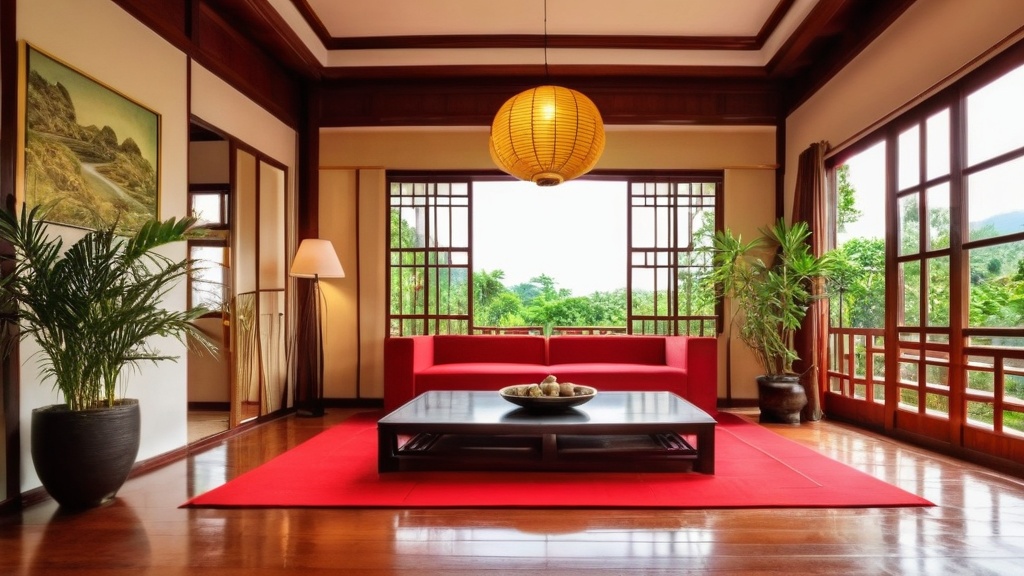
Feng Shui, an ancient Chinese practice, revolves around the idea that our surroundings significantly influence our well-being and energy levels. At its core, Feng Shui is about creating a harmonious environment that promotes balance and positive energy, known as “Chi.” You may find it fascinating that this practice dates back thousands of years, rooted in the belief that everything in your environment is interconnected. By understanding the principles of Feng Shui, you can begin to transform your living space into a sanctuary that nurtures your mind, body, and spirit.
To grasp the fundamentals of Feng Shui, you should familiarize yourself with key concepts such as the Bagua map, which serves as a guide to understanding how different areas of your space correspond to various aspects of your life. For instance, the wealth corner of your home is linked to prosperity and abundance, while the relationship area focuses on love and partnerships. By identifying these zones within your space, you can make intentional adjustments that align with your personal goals and aspirations. Embracing these principles can empower you to create an environment that not only looks good but also feels good, enhancing your overall quality of life.
Incorporating feng shui elements into your home decor can significantly enhance the energy flow and overall ambiance of your living space. For those looking to create a harmonious environment, understanding the balance of the five elements—wood, fire, earth, metal, and water—is essential. To further complement your journey towards a serene home, you might find it helpful to explore daily habits that promote relaxation and reduce stress. A related article that offers valuable insights on this topic can be found here: 6 Daily Habits That Melt Away Stress Without a Single Pill.
Key Takeaways
- Feng Shui focuses on balancing energy to create harmonious living spaces.
- Proper furniture arrangement promotes good flow and balance in a room.
- Using natural elements like plants enhances positive energy and vitality.
- Decluttering and organizing are essential for maintaining a peaceful environment.
- Incorporating meaningful symbols and artwork supports positive vibes and well-being.
Creating a Balanced and Harmonious Space
Creating a balanced and harmonious space involves more than just aesthetics; it requires a thoughtful approach to how you arrange and utilize your environment. You might start by assessing the energy flow in your home. Is there a sense of openness, or do certain areas feel cramped and cluttered? To foster a sense of balance, consider rearranging furniture or removing obstacles that disrupt the natural flow of energy. This might mean moving a large piece of furniture away from a doorway or ensuring that pathways are clear and inviting.
In addition to physical arrangements, think about the emotional atmosphere you wish to cultivate. You can achieve this by incorporating elements that resonate with you personally. Perhaps you enjoy soft lighting or soothing scents; these can significantly enhance the ambiance of your space. By consciously selecting items that evoke positive feelings, you create an environment that not only looks appealing but also nurtures your emotional well-being. Remember, the goal is to create a sanctuary where you feel at ease and inspired.
Choosing the Right Colors and Materials
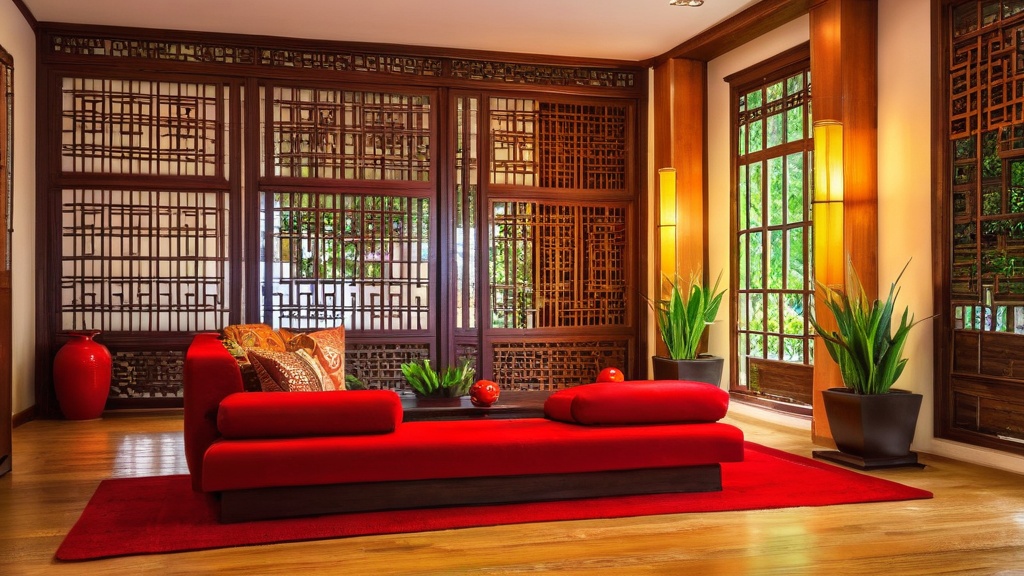
The colors and materials you choose for your space play a crucial role in shaping its energy. Each color carries its own vibrational frequency and can evoke specific emotions or responses. For instance, warm colors like red and orange can stimulate energy and creativity, while cool colors such as blue and green promote calmness and relaxation. As you consider your color palette, think about how each hue aligns with the atmosphere you want to create in your home. You might find it helpful to experiment with different shades in smaller areas before committing to larger spaces.
Materials also contribute significantly to the overall energy of your environment. Natural materials like wood, stone, and cotton can foster a sense of grounding and connection to nature. On the other hand, synthetic materials may not provide the same level of comfort or warmth. When selecting furnishings and decor, prioritize items that resonate with you on a personal level. This could mean choosing a wooden dining table that feels inviting or selecting textiles that are soft to the touch. By being intentional about your choices, you can create a space that feels authentic and nurturing.
Arranging Furniture for Flow and Balance
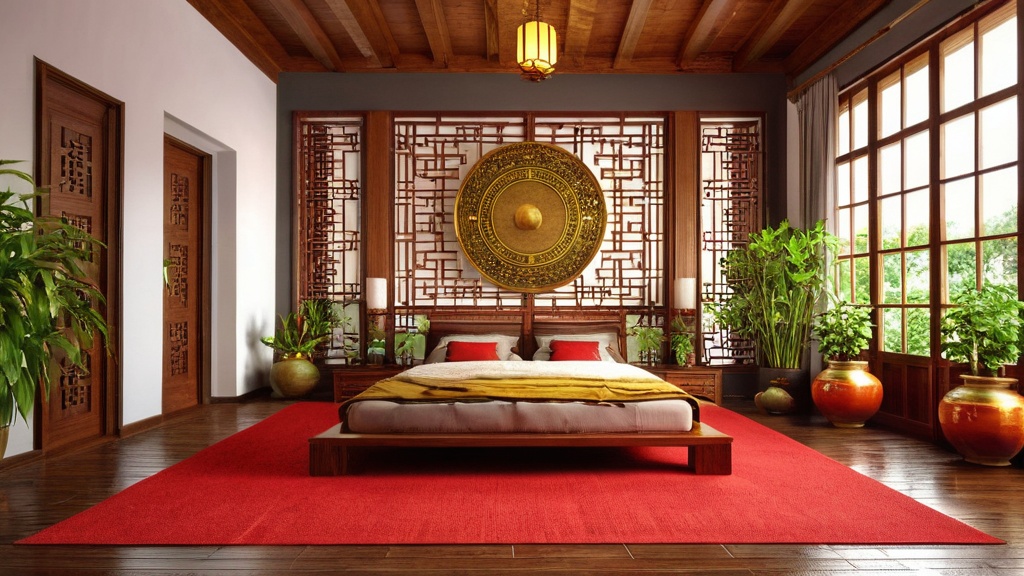
The arrangement of furniture in your home is pivotal in promoting a sense of flow and balance. You may want to start by considering the layout of each room and how it affects movement within the space. Ideally, furniture should be arranged in a way that encourages easy navigation while also creating cozy conversation areas. Avoid placing large pieces in direct pathways; instead, opt for arrangements that invite people to gather comfortably without feeling cramped.
In addition to functionality, think about how furniture placement impacts the overall energy of the room. For example, positioning your bed or desk in a “commanding position”—where you can see the door without being directly in line with it—can instill a sense of security and control. Similarly, arranging seating to face one another fosters connection and communication among family members or guests. By being mindful of these details, you can create an environment that feels both welcoming and balanced.
Incorporating feng shui elements into your home decor can create a harmonious and balanced environment that promotes well-being. For those looking to enhance their living spaces, understanding the principles of feng shui is essential. A related article discusses various breathing techniques that can further complement your efforts in creating a serene atmosphere. You can explore these techniques in detail by visiting this informative resource, which offers insights on relaxation methods that align beautifully with the calming effects of feng shui.
Enhancing Energy with Plants and Natural Elements
| Feng Shui Element | Associated Colors | Common Materials | Best Placement in Home | Symbolic Meaning |
|---|---|---|---|---|
| Wood | Green, Brown | Wood, Plants | East, Southeast | Growth, Vitality, Health |
| Fire | Red, Orange, Purple | Candles, Lamps, Electronics | South | Passion, Energy, Fame |
| Earth | Yellow, Beige, Light Brown | Clay, Ceramics, Stones | Center, Northeast, Southwest | Stability, Nourishment, Balance |
| Metal | White, Gray, Silver | Metal, Iron, Aluminum | West, Northwest | Clarity, Precision, Efficiency |
| Water | Blue, Black | Water features, Mirrors, Glass | North | Calm, Abundance, Flow |
Incorporating plants and natural elements into your space is an excellent way to enhance its energy and vitality. Plants not only purify the air but also bring life and color into your home. You might consider adding a few potted plants in strategic locations—such as near windows or in corners—to promote positive energy flow. Each plant has its own unique qualities; for instance, bamboo is believed to attract good luck, while succulents are low-maintenance options that add greenery without overwhelming your space.
Beyond plants, consider integrating other natural elements like water features or stones into your decor.
A small fountain can create soothing sounds that promote relaxation, while crystals can be placed around your home to amplify positive energy.
By surrounding yourself with nature-inspired elements, you cultivate an environment that feels refreshing and invigorating. This connection to nature can significantly enhance your mood and overall sense of well-being.
Incorporating feng shui elements into your home decor can create a harmonious and balanced environment, enhancing both your well-being and the aesthetic appeal of your space. For those looking to further enrich their living areas, exploring the calming effects of nature sounds can be a wonderful complement to feng shui principles. You can discover more about this soothing aspect of home ambiance in the article on calming nature sounds, which offers insights on how to escape the chaos of daily life.