

Feng Shui, an ancient Chinese practice, revolves around the idea that the arrangement of your environment can significantly influence your life. At its core, Feng Shui is about creating a harmonious balance between you and your surroundings. You may find that this practice is not merely about aesthetics; it’s deeply rooted in the belief that everything in your space carries energy, or “Qi.” By understanding the principles of Feng Shui, you can begin to harness this energy to promote well-being, prosperity, and peace in your life.
To truly grasp the essence of Feng Shui, you should familiarize yourself with its fundamental concepts. The practice emphasizes the importance of orientation, layout, and the flow of energy within a space. You might consider how the placement of furniture, colors, and even the materials used in your home can affect your mood and overall energy. By learning to read the energy in your environment, you can make informed decisions that enhance your living space and, consequently, your life.
Key Takeaways
- Feng Shui is the ancient Chinese practice of arranging your environment to enhance the flow of energy, or qi, to promote harmony and balance in your life.
- Each room in your home should be designed to create balance and harmony, with careful consideration of furniture placement, color schemes, and lighting.
- The five elements of wood, fire, earth, metal, and water can be utilized to enhance energy flow and create a harmonious environment in your home.
- Your home’s entrance is a crucial area for promoting positive qi, and can be enhanced through the use of mirrors, plants, and good lighting.
- Symbolism and meaningful decor can be incorporated into your home to promote positive energy and create a sense of tranquility.
Creating Balance and Harmony in Each Room
Creating balance and harmony in each room is essential for fostering a peaceful atmosphere. You may want to start by assessing the purpose of each space. For instance, your bedroom should evoke tranquility and restfulness, while your living room might be designed for social interaction and comfort. By aligning the function of each room with its design, you can cultivate an environment that supports your daily activities and emotional needs.
Consider the arrangement of furniture and decor in each room. You might find that certain layouts promote better energy flow than others. For example, placing your bed in a commanding position—where you can see the door without being directly in line with it—can create a sense of security and control. Similarly, ensuring that seating areas encourage conversation and connection can enhance the social dynamics of your living space. By thoughtfully curating each room, you can create a sanctuary that nurtures both body and spirit.

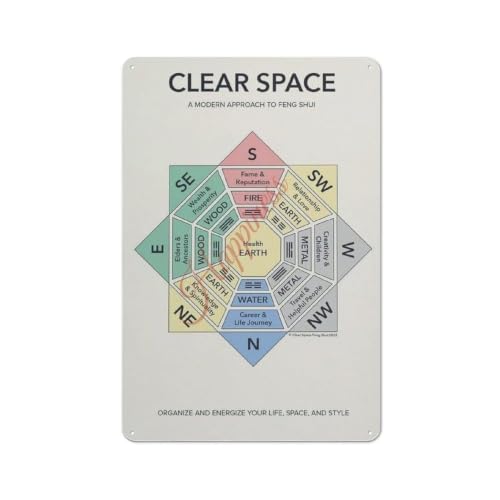
【Perfect Size & Eye-Catching Design】 Carefully designed in popular sizes 8×12 inch , this metal sign offers the perfect balance between visibility and decoration. The clear artwork and stylish design make the message easy to notice while adding a unique decorative touch without overwhelming your space.

Utilizing the Five Elements for Energy Flow
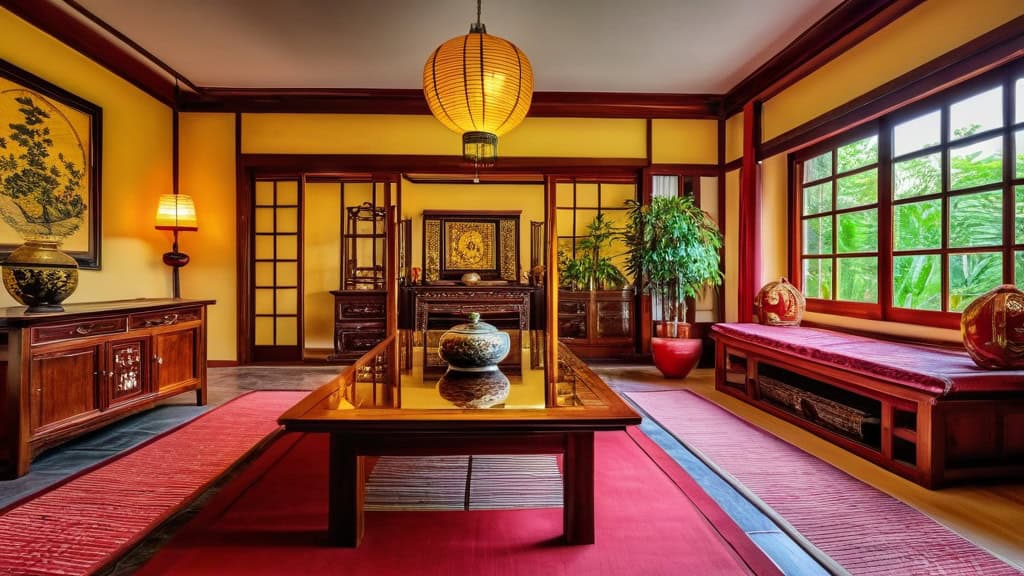
The Five Elements—Wood, Fire, Earth, Metal, and Water—are fundamental to Feng Shui and play a crucial role in creating a balanced environment. Each element represents different qualities and energies that can influence your space. You may want to incorporate these elements into your home to enhance energy flow and promote harmony. For instance, Wood symbolizes growth and vitality; you could introduce plants or wooden furniture to bring this energy into your living space.
Fire represents passion and transformation. You might consider adding candles or warm lighting to evoke this element’s energy. Earth fosters stability and nourishment; incorporating earthy colors or ceramic decor can help ground your environment. Metal signifies clarity and precision; metallic accents or sculptures can enhance focus and organization. Lastly, Water embodies flow and abundance; you could introduce fountains or mirrors to reflect this element’s qualities. By thoughtfully integrating these elements into your home, you can create a dynamic environment that supports your aspirations.
Enhancing Your Home’s Entrance for Positive Qi
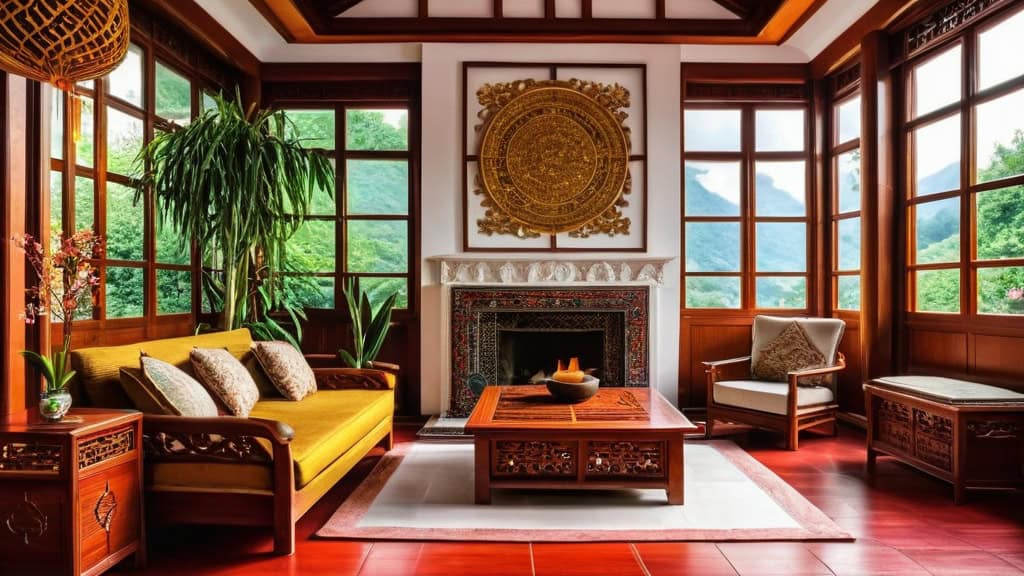
The entrance of your home is often referred to as the “mouth of Qi,” as it is where energy enters your space. You may want to pay special attention to this area to ensure that it welcomes positive energy into your home. A clean, well-lit entrance can create an inviting atmosphere that sets the tone for the rest of your living space. Consider adding plants or flowers near the door to symbolize growth and vitality.
Additionally, you might want to ensure that the pathway leading to your entrance is clear and unobstructed.
A cluttered or dark entryway can hinder the flow of positive Qi, making it difficult for good energy to enter your home.
You could also consider using a welcoming color palette or decorative elements that resonate with you personally. By enhancing your entrance, you create a powerful first impression that invites positivity into your life.
Incorporating Symbolism and Meaningful Decor
| Aspect | Metric |
|---|---|
| Health | Improvement in overall well-being |
| Wealth | Enhancement of financial prosperity |
| Relationships | Harmonious interactions with others |
| Career | Advancement and success in professional life |
| Home Environment | Creation of a peaceful and balanced living space |
In Feng Shui, symbolism plays a significant role in shaping the energy of your space. You may want to incorporate decor items that hold personal meaning or represent specific intentions you wish to manifest in your life. For example, if you seek abundance, consider displaying symbols such as coins or images of prosperity in areas associated with wealth in your home.
Artworks can also serve as powerful tools for enhancing energy flow. You might choose pieces that evoke feelings of joy or inspiration, ensuring they resonate with your personal values and aspirations. Additionally, incorporating meaningful decor items from different cultures can enrich your environment while promoting diversity and inclusivity. By surrounding yourself with symbols that reflect your intentions, you create a nurturing atmosphere that supports your journey.
Arranging Furniture and Layout for Optimal Energy Flow
The arrangement of furniture plays a crucial role in Feng Shui, as it directly impacts the flow of Qi within your space. You may want to consider how each piece interacts with others and how they contribute to the overall energy of the room. For instance, in a living room, arranging seating in a circular or semi-circular formation can encourage conversation and connection among family members or guests.
You might also want to avoid placing furniture in a way that blocks pathways or creates sharp corners pointing toward seating areas, as this can create negative energy flow. Instead, aim for a layout that promotes openness and accessibility. Additionally, consider the height of furniture; low furniture can create a sense of spaciousness while tall pieces may provide privacy and security. By thoughtfully arranging furniture, you can cultivate an environment that fosters positive interactions and enhances overall well-being.
Clearing Clutter and Organizing Spaces for Tranquility
Clutter can significantly disrupt the flow of Qi in your home, leading to feelings of stress and overwhelm.
You may find it beneficial to regularly assess your belongings and let go of items that no longer serve you or bring you joy.
This process not only creates physical space but also allows for mental clarity and emotional release.
Organizing spaces thoughtfully can further enhance tranquility in your home. You might consider using storage solutions that are both functional and aesthetically pleasing, ensuring that everything has its designated place. By maintaining an organized environment, you create a sense of calm that supports relaxation and focus. Remember that a clutter-free space is not just about aesthetics; it’s about creating an atmosphere conducive to peace and well-being.
Maintaining and Adjusting Feng Shui Practices for Long-Term Harmony
Feng Shui is not a one-time endeavor; it requires ongoing attention and adjustment to maintain harmony in your living space. You may want to periodically reassess your environment as seasons change or as new life circumstances arise. This practice allows you to adapt your space to reflect your current needs and aspirations.
You might also consider incorporating regular rituals into your routine to keep energy flowing positively throughout your home. This could include simple practices like smudging with sage or using essential oils to refresh the atmosphere. Additionally, staying attuned to how different areas of your home feel can guide you in making necessary adjustments over time. By committing to maintaining and adjusting your Feng Shui practices, you create a dynamic environment that continues to support you on your journey toward balance and harmony.
In conclusion, embracing Feng Shui principles can transform not only your living space but also your overall well-being. By understanding its basics, creating balance in each room, utilizing the Five Elements, enhancing entrances, incorporating meaningful decor, arranging furniture thoughtfully, clearing clutter, and maintaining practices over time, you cultivate an environment rich with positive energy. As you embark on this journey toward harmony, remember that every small change contributes to a more vibrant and fulfilling life.
FAQs
What is feng shui?
Feng shui is a traditional Chinese practice that involves arranging the environment to create harmony and balance. It is based on the belief that the arrangement of objects and spaces can affect the flow of energy, or “qi,” and influence a person’s health, wealth, and happiness.
What are the key principles of feng shui?
The key principles of feng shui include the use of the bagua map to identify different areas of a space and their corresponding elements, the importance of decluttering and organizing to promote positive energy flow, and the use of specific colors, materials, and symbols to enhance the energy in a space.
How can feng shui be applied in a home or office?
Feng shui can be applied in a home or office by arranging furniture and decor to promote positive energy flow, using specific colors and materials to enhance the energy in different areas, and incorporating symbols and elements that represent the five feng shui elements (wood, fire, earth, metal, and water) to create balance and harmony.
What are the benefits of feng shui?
The benefits of feng shui include creating a more harmonious and balanced environment, promoting a sense of well-being and tranquility, and potentially improving various aspects of life such as health, relationships, and prosperity.
Are there any scientific studies supporting the effectiveness of feng shui?
While there is limited scientific evidence to support the specific claims of feng shui, some studies have shown that certain feng shui principles, such as decluttering and organizing, can have a positive impact on mental well-being and stress levels. However, more research is needed to fully understand the effects of feng shui on a broader scale.