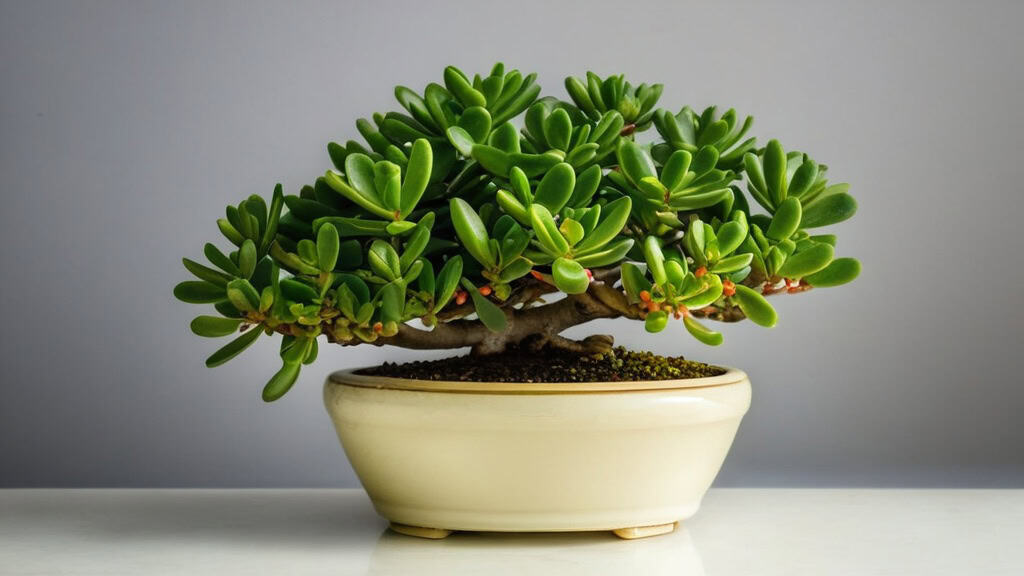
The jade plant (Crassula ovata) originated in South Africa and has a centuries-old history. It was introduced to Europe in the late 18th century, where it became popular due to its aesthetic qualities. The plant’s thick leaves and sturdy branches contribute to its resilience as a houseplant, allowing it to adapt to various environments.
Over time, the jade plant has spread globally across different cultures and regions. In numerous societies, the jade plant holds symbolic significance beyond decoration. Chinese culture designates it as the “money tree” or “friendship tree,” believing it attracts wealth and positive energy.
This association with prosperity has made it a common fixture in homes and businesses worldwide, where it is thought to promote financial success and harmony. The plant’s cultural importance spans multiple traditions and belief systems internationally.
Key Takeaways
- Jade plants have a rich history and cultural significance dating back centuries.
- Proper care includes adequate sunlight, minimal watering, and well-draining soil.
- The jade plant symbolizes prosperity, good luck, and friendship in many cultures.
- Feng Shui principles use jade plants to attract positive energy and wealth.
- Displaying jade plants strategically in the home can enhance good fortune and dispel myths.
How to Care for a Jade Plant
Caring for a jade plant is relatively straightforward, making it an excellent choice for both novice and experienced gardeners. One of the most important aspects of jade plant care is ensuring that it receives adequate sunlight. Ideally, you should place your jade plant in a location where it can bask in bright, indirect light for several hours each day.
If you notice the leaves stretching or becoming leggy, it may be a sign that your plant is not receiving enough light. On the other hand, too much direct sunlight can scorch the leaves, so finding the right balance is key. Watering is another crucial element in jade plant care.
These succulents are drought-tolerant and prefer to dry out between waterings. You should allow the top inch of soil to dry before giving your plant a thorough watering. Overwatering can lead to root rot, which is one of the most common issues jade plants face.
When you do water, ensure that excess water can drain freely from the pot to prevent soggy soil. By following these simple guidelines, you can help your jade plant thrive and flourish in your home.
The Symbolism of the Jade Plant
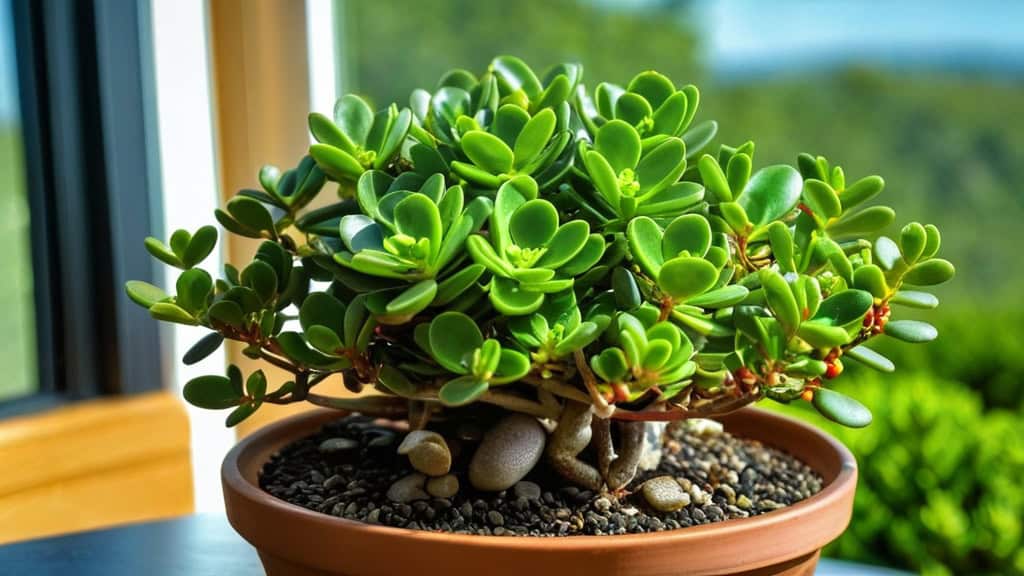
The symbolism of the jade plant extends far beyond its physical beauty. In many cultures, it is seen as a harbinger of good luck and prosperity. The round leaves of the jade plant are often likened to coins, reinforcing its association with wealth and abundance.
When you bring a jade plant into your home, you are not just adding a touch of greenery; you are inviting positive energy and good fortune into your life. This symbolism has made the jade plant a popular gift for housewarmings and other celebrations, as it conveys wishes for prosperity and happiness. Moreover, the jade plant is also associated with friendship and love.
In some traditions, gifting a jade plant signifies a wish for lasting relationships and mutual support among friends and family. As you nurture your jade plant, you may find that it serves as a reminder of the connections you hold dear in your life. Its enduring nature reflects the strength of these bonds, making it a meaningful addition to any home.
Feng Shui and the Jade Plant
In the practice of Feng Shui, the jade plant holds a special place due to its auspicious qualities. It is believed that placing a jade plant in your home can enhance the flow of positive energy, or “chi,” creating a harmonious environment. According to Feng Shui principles, positioning your jade plant in specific areas of your home can amplify its beneficial effects.
For instance, placing it near the entrance is thought to attract wealth and good fortune into your space. Additionally, the jade plant’s rounded leaves symbolize abundance and prosperity in Feng Shui. You might consider incorporating it into your home decor by placing it on a windowsill or a prominent shelf where it can be easily seen.
By doing so, you not only beautify your space but also invite positive energy that can influence various aspects of your life, including health, relationships, and financial success.
Bringing Good Luck into Your Home with a Jade Plant
| Metric | Details | Significance |
|---|---|---|
| Common Name | Jade Plant | Widely recognized as a symbol of good luck and prosperity |
| Scientific Name | Crassula ovata | Botanical identification |
| Symbolism | Wealth, prosperity, good fortune | Believed to attract positive energy and financial success |
| Feng Shui Placement | Near entrance or in wealth corner (southeast) | Enhances flow of positive energy and abundance |
| Growth Rate | Moderate | Represents steady growth in wealth and luck |
| Care Requirements | Bright light, minimal watering | Easy to maintain, symbolizing resilience and stability |
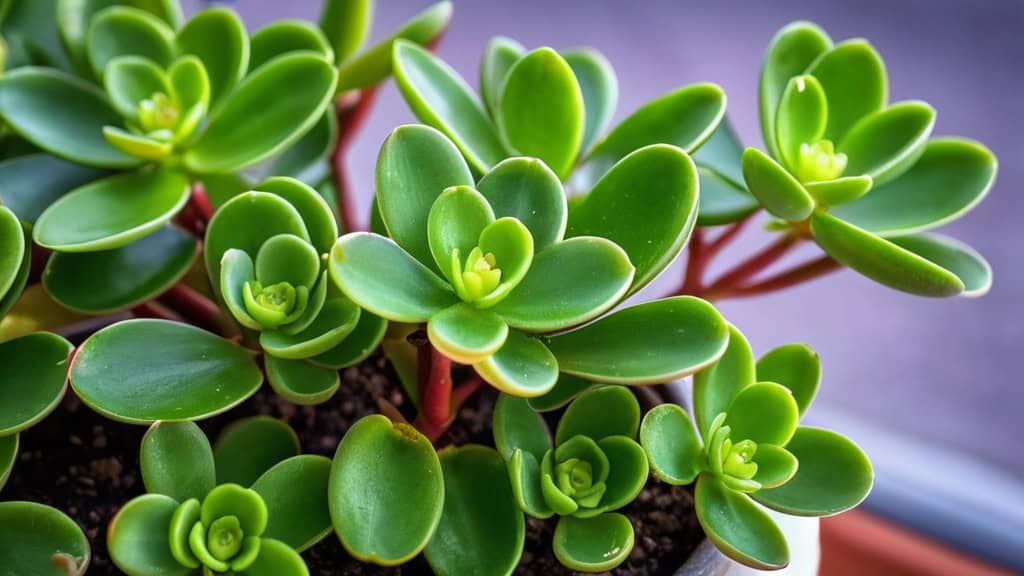
| Leaf Shape | Rounded, fleshy | Resembles coins, reinforcing wealth symbolism |
| Common Uses | Home decor, office plant, gift for good luck | Used to invite prosperity and positive vibes |
If you’re looking to infuse your living space with good luck, introducing a jade plant is an excellent choice. Its reputation as a bringer of prosperity makes it an ideal addition to any home environment. You might consider placing your jade plant in areas associated with wealth and abundance, such as your home office or dining room.
By doing so, you create an atmosphere that encourages financial growth and success. Moreover, caring for a jade plant can also be a meditative practice that enhances your overall well-being. As you tend to its needs—watering, pruning, and repotting—you cultivate mindfulness and patience.
This nurturing process not only benefits the plant but also fosters a sense of tranquility within yourself. By integrating this practice into your daily routine, you may find that the positive energy associated with the jade plant extends beyond its physical presence in your home.
Other Ways to Use Jade for Good Luck
While the jade plant is a popular choice for attracting good luck, there are other ways to incorporate jade into your life for similar benefits. Jade gemstones have long been revered for their protective qualities and ability to promote harmony and balance. You might consider wearing jade jewelry or carrying small jade stones in your pocket as talismans for good fortune.
These practices can serve as constant reminders of your intentions to attract positivity into your life. Additionally, incorporating jade-colored decor or accessories into your home can also enhance feelings of tranquility and abundance. Whether it’s through artwork, textiles, or decorative items, surrounding yourself with shades of green can create an uplifting atmosphere that resonates with the energy of growth and prosperity.
By exploring various ways to integrate jade into your life, you can cultivate an environment that supports your aspirations for good luck and success.
How to Choose and Display a Jade Plant
When selecting a jade plant for your home, there are several factors to consider to ensure you choose a healthy specimen. Look for plants with vibrant green leaves that are firm to the touch; avoid those with yellowing or wilting leaves, as these may indicate underlying issues such as overwatering or disease. Additionally, consider the size of the pot; a well-draining container will help prevent root rot while allowing for proper growth.
Once you’ve chosen your jade plant, displaying it thoughtfully can enhance its beauty while maximizing its positive energy. You might opt for decorative pots that complement your home decor or choose a simple terracotta pot for a more rustic look. Positioning your jade plant on a windowsill or near natural light sources will not only showcase its lush foliage but also provide it with the sunlight it needs to thrive.
By thoughtfully selecting and displaying your jade plant, you create an inviting atmosphere that reflects both style and intention.
Common Myths and Misconceptions about Jade Plants
Despite their popularity, there are several myths and misconceptions surrounding jade plants that can lead to confusion among new owners. One common myth is that jade plants require constant watering due to their succulent nature; however, this is far from true. As mentioned earlier, these plants thrive on neglect when it comes to watering—overwatering is one of the leading causes of their decline.
Another misconception is that jade plants are toxic to pets; while they are not considered highly toxic, they can cause mild gastrointestinal upset if ingested in large quantities. It’s always wise to keep any houseplants out of reach of curious pets just in case. By debunking these myths and understanding the true nature of jade plants, you can approach their care with confidence and ensure they flourish in your home.
In conclusion, the jade plant is more than just an attractive houseplant; it carries deep historical significance and cultural symbolism that resonates with many people around the world. By learning how to care for this resilient succulent and understanding its associations with good luck and prosperity, you can create an inviting atmosphere in your home that nurtures both personal growth and positive energy. Whether through Feng Shui practices or simply enjoying its beauty, incorporating a jade plant into your life can be a rewarding experience filled with meaning and intention.
FAQs
What is a jade plant?
A jade plant (Crassula ovata) is a succulent houseplant known for its thick, fleshy leaves and tree-like appearance. It is native to South Africa and Mozambique and is popular for its low maintenance and attractive look.
Why is the jade plant considered a symbol of good luck?
The jade plant is often associated with good luck, prosperity, and wealth, especially in Feng Shui and various cultural traditions. Its coin-shaped leaves are believed to attract financial success and positive energy.
How should I care for a jade plant to keep it healthy?
Jade plants require bright, indirect sunlight, well-draining soil, and infrequent watering. Overwatering can cause root rot, so it’s best to let the soil dry out between waterings. They thrive in temperatures between 65-75°F (18-24°C).
Can jade plants be grown indoors?
Yes, jade plants are commonly grown indoors as houseplants. They adapt well to indoor environments as long as they receive sufficient light and proper care.
How often should I water my jade plant?
Water your jade plant approximately every 2-3 weeks, allowing the soil to dry out completely between waterings. During winter, reduce watering frequency as the plant’s growth slows down.
Is the jade plant toxic to pets or humans?
Jade plants are mildly toxic to pets such as cats and dogs if ingested, potentially causing vomiting or lethargy. They are generally safe for humans but should not be consumed.
Can jade plants be propagated easily?
Yes, jade plants can be propagated easily from leaf or stem cuttings. Allow the cuttings to dry and callous over before planting them in soil to encourage root growth.
Where should I place a jade plant for good luck?
In Feng Shui, placing a jade plant near the entrance of a home or office, or in the southeast corner (wealth area) of a room, is believed to enhance prosperity and attract positive energy.