
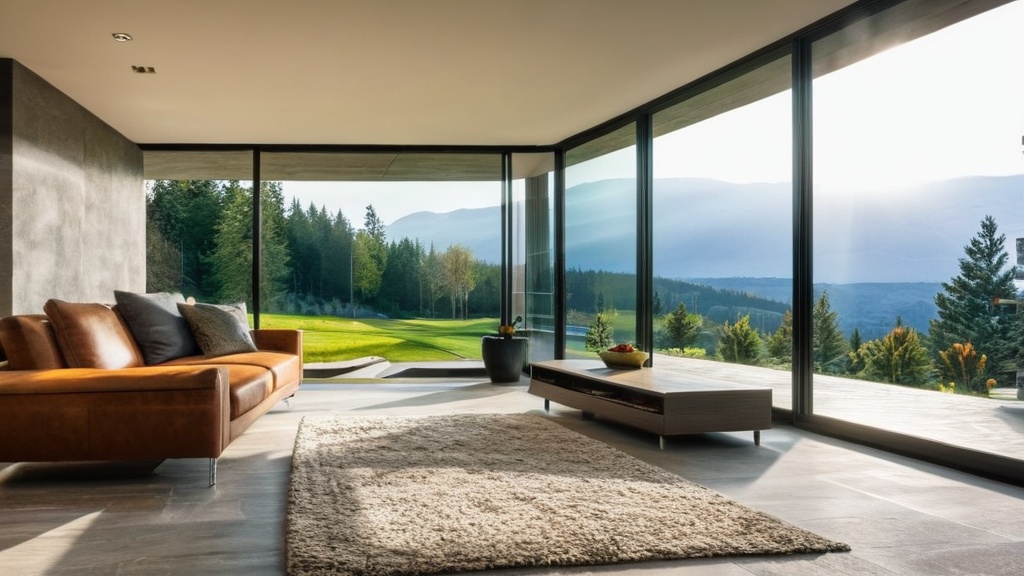
Natural light is more than just a source of illumination; it plays a crucial role in enhancing your overall well-being and the ambiance of your home. When you allow sunlight to flood your living spaces, you create an environment that feels more open and inviting.
The warmth of natural light can uplift your mood, reduce stress, and even improve your productivity.
Studies have shown that exposure to natural light can help regulate your circadian rhythms, leading to better sleep patterns and increased energy levels throughout the day. By harnessing the power of sunlight, you can transform your home into a sanctuary that promotes both physical and mental health.
Moreover, natural light can significantly impact the aesthetic appeal of your home. It highlights colors, textures, and architectural features, making spaces feel more vibrant and alive. When you strategically position your furniture and decor to take advantage of sunlight, you create a dynamic interplay of light and shadow that adds depth to your interiors. Additionally, natural light can reduce your reliance on artificial lighting, leading to lower energy bills and a smaller carbon footprint. Embracing natural light not only enhances your living environment but also contributes to a more sustainable lifestyle.
Key Takeaways
- Natural light improves mood, energy, and home ambiance.
- Evaluate your home’s layout and window placement for light potential.
- Use reflective surfaces and light-colored decor to amplify sunlight.
- Opt for sheer or adjustable window treatments to control light flow.
- Add skylights, sun tunnels, and smart lighting to brighten darker spaces.
Assessing Your Home’s Natural Light Potential
To fully benefit from natural light, it’s essential to assess the potential of your home. Start by observing how sunlight enters your space at different times of the day. Take note of which rooms receive the most light and during what hours. This will help you identify areas that may benefit from enhancements or adjustments. Consider factors such as the orientation of your home, the size and placement of windows, and any obstructions like trees or neighboring buildings that may block sunlight. By understanding these elements, you can make informed decisions about how to maximize natural light in your home.
Additionally, think about the layout of your rooms. Open floor plans often allow for better light distribution, while closed-off spaces may feel darker and more confined. If you have rooms that are consistently dim, consider whether you can make changes to improve their light exposure. This might involve rearranging furniture, removing heavy drapes, or even knocking down walls to create a more open flow. By taking the time to assess your home’s natural light potential, you can develop a tailored strategy that enhances brightness and creates a more inviting atmosphere.

3 Lighting Modes Fence Solar Lights: Our solar lights for fence offer 3 lighting modes: warm white/ Neutral White/ Cool White mode. suitable for daily lighting, illuminating your fence or courtyard. If you're looking for an environmentally friendly and economical way to light up your yard, this solar-powered option is sure to impress you

【DYNAMIC GLITTERING DISPLAY】The shimmer backdrop will move with the wind, presenting a sparkling effect.Due to lighting and angle, the backdrop's sequins may display slight color variations, adding to its unique and ever-changing charm.It is the perfect backdrop for party photos and videos

3 Lighting Modes Fence Solar Lights: Our solar lights for fence offer 3 lighting modes: warm white/ Neutral White/ Cool White mode. suitable for daily lighting, illuminating your fence or courtyard. This solar-powered option provides efficient lighting for your yard
Utilizing Reflective Surfaces to Enhance Natural Light
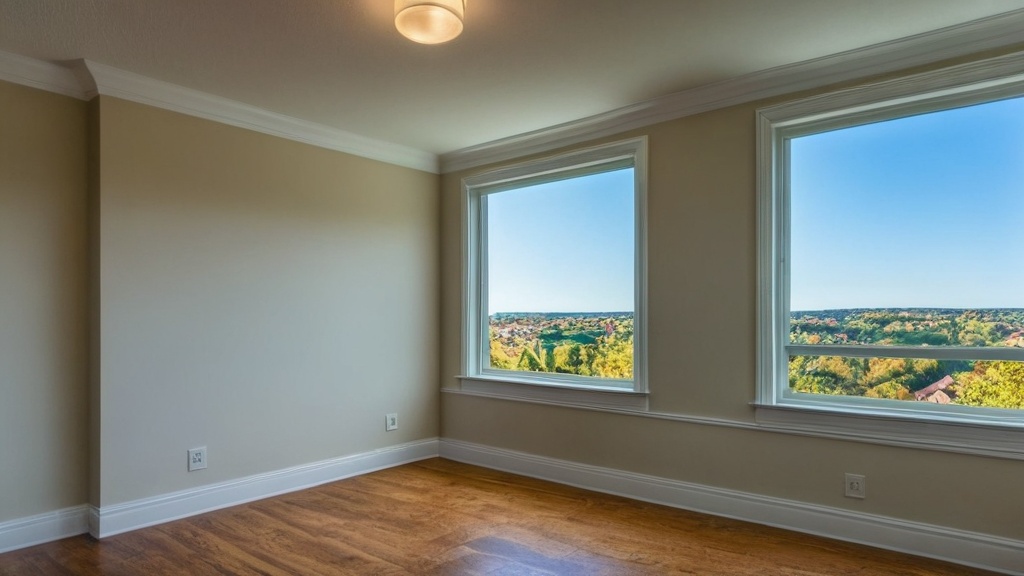
One effective way to amplify natural light in your home is by incorporating reflective surfaces. Mirrors are a classic choice; they not only serve as decorative elements but also bounce light around the room, making spaces feel larger and brighter. Positioning mirrors opposite windows or in areas where they can capture sunlight will help distribute light more evenly throughout your home. You might also consider using glossy finishes on walls or furniture, as these surfaces can reflect light similarly to mirrors, enhancing the overall brightness of a room.
In addition to mirrors, think about incorporating other reflective materials into your decor. Metallic accents, glass furniture, and high-gloss paint can all contribute to a lighter atmosphere. For instance, a glass coffee table or metallic light fixtures can catch and reflect sunlight, creating a shimmering effect that adds visual interest. By strategically placing these reflective surfaces throughout your home, you can create a harmonious balance between natural light and design elements that enhance the overall aesthetic.
Choosing the Right Window Treatments to Maximize Light
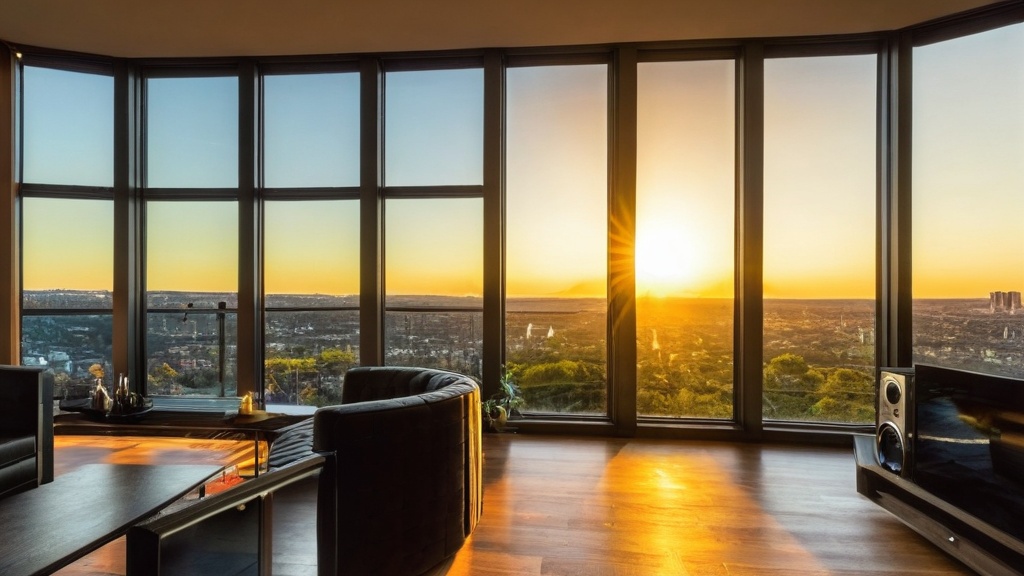
Window treatments play a significant role in controlling the amount of natural light that enters your home. When selecting curtains or blinds, consider options that allow for maximum light while still providing privacy when needed. Sheer fabrics are an excellent choice for this purpose; they filter sunlight gently while maintaining an airy feel in the room. You might also explore adjustable blinds or shades that can be easily opened or closed depending on the time of day and your lighting needs.
Another option is to opt for lighter colors in your window treatments. Light-colored fabrics reflect sunlight rather than absorb it, helping to brighten up your space even when the sun isn’t shining directly through the windows. Additionally, consider using treatments that can be mounted higher than the window frame; this allows more light to enter from above and creates an illusion of taller ceilings. By thoughtfully choosing window treatments that maximize natural light, you can enhance both the functionality and beauty of your living spaces.
Incorporating Skylights and Sun Tunnels for Additional Light
| Strategy | Description | Expected Impact on Natural Light | Implementation Tips |
|---|---|---|---|
| Window Size and Placement | Increase window size and position windows to face the sun’s path. | Up to 40% increase in natural light penetration. | Use south-facing windows in northern hemisphere; avoid obstructions outside. |
| Use of Skylights | Install skylights to bring light from above. | Can increase daylight by 20-30% in rooms without exterior walls. | Choose energy-efficient glazing to reduce heat loss/gain. |
| Light-Colored Interior Surfaces | Paint walls and ceilings with light-reflective colors. | Reflects up to 80% of incoming light, enhancing brightness. | Use matte or satin finishes to reduce glare. |
| Mirrors and Reflective Decor | Place mirrors strategically to bounce light deeper into rooms. | Can increase perceived light by 10-15%. | Position opposite windows or light sources. |
| Minimal Window Treatments | Use sheer curtains or blinds that allow light through. | Maintains 70-90% of natural light compared to heavy drapes. | Choose light fabrics and keep treatments open during the day. |
| Open Floor Plan | Reduce interior walls to allow light flow between rooms. | Improves light distribution by up to 25%. | Use glass partitions if privacy is needed without blocking light. |
If you’re looking for innovative ways to increase natural light in your home, skylights and sun tunnels are excellent options to consider. Skylights are windows installed in the roof that allow sunlight to pour into your space from above. They can dramatically change the atmosphere of a room, making it feel more open and connected to the outdoors. When planning for skylights, think about their placement carefully; positioning them in areas where they can capture direct sunlight will yield the best results.
Sun tunnels are another fantastic solution for bringing light into darker areas of your home.
These tubular devices channel sunlight from the roof down into your living spaces through reflective tubes.
They are particularly useful in hallways, bathrooms, or any room where traditional windows may not be feasible. Both skylights and sun tunnels not only enhance natural lighting but also add an architectural element that can elevate the overall design of your home. By incorporating these features, you can create bright, inviting spaces that feel connected to nature.
Selecting Light-Colored and Transparent Furniture and Decor
The colors and materials you choose for furniture and decor can significantly influence how light interacts with your space. Light-colored furniture tends to reflect rather than absorb light, making rooms feel brighter and more spacious. Consider opting for pieces in shades of white, beige, or pastels to enhance the overall luminosity of your home. Additionally, transparent materials like glass or acrylic can create an illusion of openness while allowing light to flow freely throughout the room.
When selecting decor items, think about incorporating elements that complement natural light rather than compete with it. For example, choose artwork with bright colors or reflective surfaces that catch the eye without overwhelming the space. You might also consider using lightweight fabrics for cushions or throws that allow light to filter through while adding texture and warmth to your decor. By thoughtfully selecting light-colored and transparent furniture and decor, you can create an airy atmosphere that maximizes the benefits of natural light.
Maintaining Clean Windows and Clearing Obstructions
To fully enjoy the benefits of natural light in your home, it’s essential to keep your windows clean and free from obstructions. Dirty windows can significantly diminish the amount of sunlight that enters your space, creating a dull atmosphere even on bright days. Regularly cleaning your windows inside and out will ensure that they remain clear and allow maximum light penetration. Consider establishing a cleaning schedule or using professional services if needed; maintaining clean windows is a simple yet effective way to enhance brightness in your home.
In addition to window cleanliness, take time to assess any obstructions outside that may be blocking sunlight from entering your home. Overgrown trees or shrubs can cast shadows on your windows, reducing natural light significantly. If possible, trim back any foliage that may be hindering sunlight access. You might also consider planting new trees or shrubs strategically to enhance privacy without sacrificing light exposure. By maintaining clean windows and addressing external obstructions, you can create a brighter living environment that fully embraces natural light.
Implementing Smart Lighting Solutions for Darker Areas
While maximizing natural light is essential for creating an inviting atmosphere in your home, there will inevitably be areas that remain darker even with all efforts made. In these cases, implementing smart lighting solutions can help bridge the gap between daylight and artificial illumination. Smart lighting systems allow you to control brightness levels based on time of day or personal preference, ensuring that every corner of your home feels well-lit when needed.
Consider using LED lights with adjustable color temperatures; these can mimic natural daylight during the day while providing warmer tones in the evening for a cozy ambiance. Additionally, strategically placing floor lamps or wall sconces in darker areas can help illuminate spaces without overwhelming them with harsh lighting. By combining smart lighting solutions with your existing natural light strategies, you can create a balanced environment that feels bright and welcoming at all times.
In conclusion, embracing natural light in your home offers numerous benefits for both well-being and aesthetics. By assessing your space’s potential for sunlight exposure and implementing thoughtful design choices—such as reflective surfaces, appropriate window treatments, skylights, and smart lighting—you can create an inviting atmosphere that enhances both comfort and style. With these strategies in mind, you’ll be well on your way to transforming your living spaces into bright havens filled with warmth and positivity.
FAQs
1. What are the benefits of maximizing natural light in a house?
Maximizing natural light in a house can improve mood, increase energy efficiency by reducing the need for artificial lighting, enhance the aesthetic appeal of interiors, and promote better health by regulating circadian rhythms.
2. How can I increase natural light in rooms with small or few windows?
You can increase natural light by using mirrors to reflect light, choosing light-colored or reflective surfaces, installing skylights or solar tubes, and keeping window treatments minimal or using sheer curtains.
3. What types of window treatments are best for maximizing natural light?
Sheer curtains, light-colored blinds, and shades that can be fully retracted are ideal for maximizing natural light. Avoid heavy drapes or dark-colored treatments that block sunlight.
4. How does the orientation of a house affect natural light availability?
A house oriented with large windows facing south (in the Northern Hemisphere) or north (in the Southern Hemisphere) typically receives the most consistent natural light throughout the day, while east-facing windows capture morning light and west-facing windows capture afternoon light.
5. Can landscaping impact the amount of natural light entering a home?
Yes, landscaping elements like trees, shrubs, and fences can either block or filter natural light. Strategically placing or trimming vegetation can help maximize sunlight exposure inside the house.