

Natural light serves as a fundamental element in residential design, affecting both visual aesthetics and occupant health. Sunlight exposure within interior spaces creates environments that can positively influence mood and energy levels. Research demonstrates that natural light exposure contributes to improved mental health outcomes, stress reduction, and increased productivity.
Effective home design requires careful consideration of window placement and building orientation to optimize sunlight penetration throughout living areas. Natural light also enhances spatial functionality within residential environments. Adequate daylight can create the perception of increased space in smaller rooms while emphasizing architectural details and interior design elements.
Incorporating sufficient natural light produces environments that appear more spacious and dynamic. This integration of outdoor elements into interior spaces improves the overall living experience and establishes a connection with the natural environment, which research indicates is beneficial for psychological well-being in contemporary urban settings.
Key Takeaways
- Natural light enhances home design by improving mood and energy efficiency.
- Selecting appropriate window treatments maximizes the amount of natural light entering rooms.
- Mirrors and reflective surfaces effectively amplify and distribute natural light indoors.
- Light-colored paints and finishes brighten spaces by reflecting more sunlight.
- Strategic furniture placement ensures unobstructed light flow throughout living areas.
Choosing the Right Window Treatments for Maximum Light
When it comes to maximizing natural light in your home, the choice of window treatments is crucial. You want to select options that allow sunlight to filter through while still providing privacy and style. Sheer curtains are an excellent choice, as they soften the harshness of direct sunlight while allowing a gentle glow to fill the room.
You might also consider lightweight roller shades that can be easily adjusted to control the amount of light entering your space without completely blocking it out. Another option is to use blinds that can be tilted to direct light where you want it most. This flexibility allows you to customize the ambiance throughout the day, depending on the position of the sun.
Additionally, consider the color and material of your window treatments; lighter colors will reflect more light, enhancing the brightness of your rooms. By thoughtfully selecting window treatments, you can create a balance between light control and aesthetic appeal, ensuring that your home remains bright and inviting.
Utilizing Mirrors and Reflective Surfaces to Amplify Natural Light
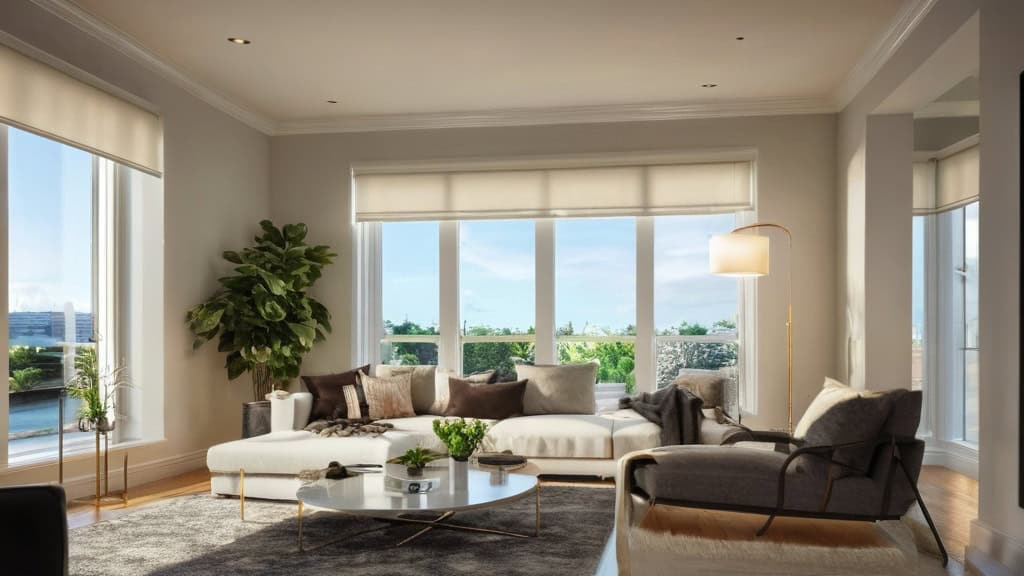
Mirrors are one of the most effective tools for amplifying natural light in your home. By strategically placing mirrors across from windows or in areas where light is abundant, you can create an illusion of depth and brightness. The reflective surfaces bounce light around the room, making even the dimmest spaces feel more open and airy.
You might experiment with different sizes and shapes of mirrors to find what works best for your design aesthetic while maximizing light. In addition to mirrors, consider incorporating other reflective surfaces into your decor. Glossy finishes on furniture or metallic accents can also help to enhance the flow of natural light throughout your home.
For instance, a glass coffee table or metallic picture frames can catch and reflect sunlight, adding an extra layer of brightness to your space. By being intentional about how you use mirrors and reflective materials, you can create a dynamic interplay of light that transforms your home into a radiant sanctuary.
Incorporating Light-Colored Paints and Finishes to Brighten Rooms
The colors you choose for your walls and finishes can have a profound impact on how light interacts with your space. Light-colored paints, such as soft whites, pale blues, or gentle pastels, can help to reflect natural light rather than absorb it. This reflection creates a brighter atmosphere that feels more expansive and inviting.
When selecting paint colors, consider how they will work with the natural light in each room throughout different times of the day. In addition to wall colors, think about the finishes you use on furniture and cabinetry. High-gloss finishes can reflect light beautifully, while matte finishes may absorb it.
By opting for lighter hues and reflective finishes, you can enhance the overall brightness of your home. This approach not only elevates the aesthetic appeal but also contributes to a more uplifting environment that promotes relaxation and creativity.
Strategic Placement of Furniture to Allow Light to Flow Freely
| Enhancement Method | Average Increase in Natural Light (%) | Energy Savings Potential (%) | Impact on Indoor Comfort | Typical Application Areas |
|---|---|---|---|---|
| Skylights | 30-50 | 15-25 | Improves mood and reduces eye strain | Residential, commercial roofs |
| Light Shelves | 20-40 | 10-20 | Distributes light deeper into rooms | Office buildings, classrooms |
| Clerestory Windows | 25-45 | 12-22 | Enhances daylight without glare | Homes, studios, galleries |
| Reflective Interior Surfaces | 10-30 | 5-15 | Increases light diffusion | All indoor spaces |
| Light Tubes (Solar Tubes) | 15-35 | 8-18 | Brings light to interior rooms | Bathrooms, hallways, basements |
The arrangement of furniture in your home can significantly influence how natural light flows through each room. To maximize brightness, consider placing larger pieces away from windows or in a way that does not obstruct light pathways.
Additionally, think about how furniture placement affects sightlines within a room. Open layouts often benefit from furniture that encourages movement and flow, allowing light to travel freely from one area to another. You might also consider using furniture with legs or open bases that create a sense of space and airiness.
By being mindful of how you arrange your furniture, you can create an environment that feels bright and welcoming while allowing natural light to permeate every corner.
Installing Skylights and Solar Tubes for Additional Natural Light

If you’re looking for innovative ways to bring more natural light into your home, installing skylights or solar tubes can be an excellent solution. Skylights are windows installed in the roof that allow sunlight to flood into rooms below, creating a dramatic effect that enhances both brightness and ambiance. They are particularly effective in areas like kitchens or bathrooms where additional light can make a significant difference in functionality and mood.
Solar tubes are another fantastic option for introducing natural light into spaces that may not have traditional windows. These tubular devices capture sunlight from the roof and channel it down through reflective tubes into your living areas. They are especially useful in hallways or closets where conventional windows may not be feasible.
By incorporating skylights or solar tubes into your home design, you can dramatically increase the amount of natural light available, transforming dark spaces into bright havens.
Using Light-Filtering and Sheer Fabrics for Window Coverings
When selecting window coverings, consider using light-filtering fabrics that allow soft sunlight to enter while still providing some level of privacy. Sheer drapes or lightweight shades can create a dreamy atmosphere by diffusing harsh sunlight into a gentle glow that fills the room with warmth. These types of fabrics not only enhance the aesthetic appeal but also contribute to a cozy ambiance that invites relaxation.
In addition to sheer fabrics, consider layering window treatments for added versatility. For example, combining sheer curtains with heavier drapes allows you to control light levels throughout the day while adding depth to your decor. This approach enables you to enjoy bright mornings filled with sunlight while still having the option for privacy during evenings or when needed.
By thoughtfully selecting window coverings made from light-filtering materials, you can strike a perfect balance between style and functionality.
Creating Outdoor Living Spaces to Extend Natural Light into the Home
Finally, consider how outdoor living spaces can enhance the flow of natural light into your home. Patios, decks, or gardens can serve as extensions of your indoor living areas, blurring the lines between inside and outside.
Incorporating elements like pergolas or awnings can provide shade while still allowing dappled sunlight to filter through, creating a beautiful interplay of light and shadow. Additionally, outdoor lighting can enhance these spaces during evening hours, making them usable at all times of day while maintaining a connection with nature. By thoughtfully designing outdoor living areas, you not only increase your home’s natural light but also create inviting spaces that enhance your lifestyle and enjoyment of your surroundings.
Natural light enhancements can significantly improve our well-being and productivity, making it essential to incorporate them into our living spaces. For those looking to create a more relaxing environment at home, exploring various relaxation techniques can be beneficial. One such technique is discussed in the article on