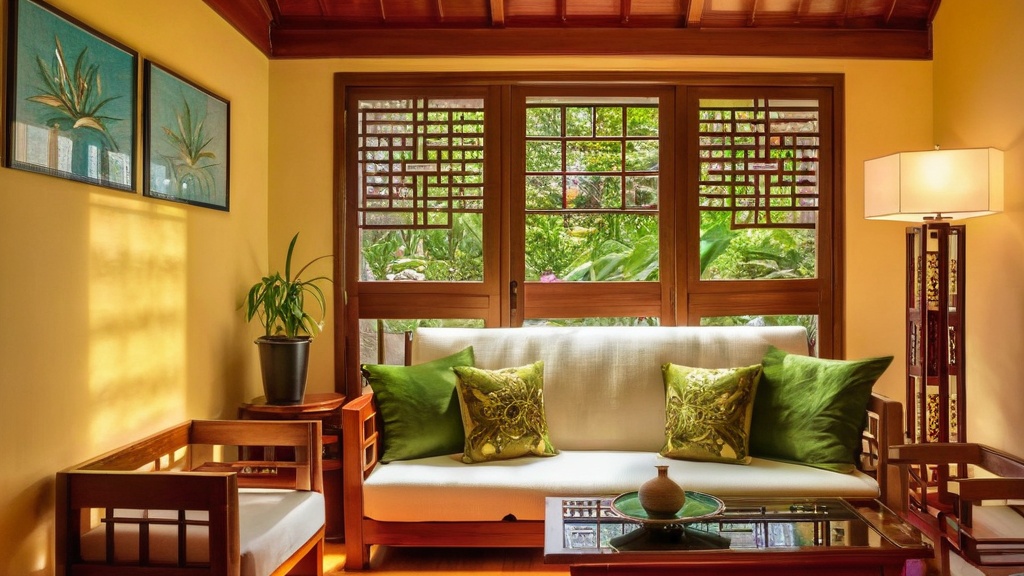
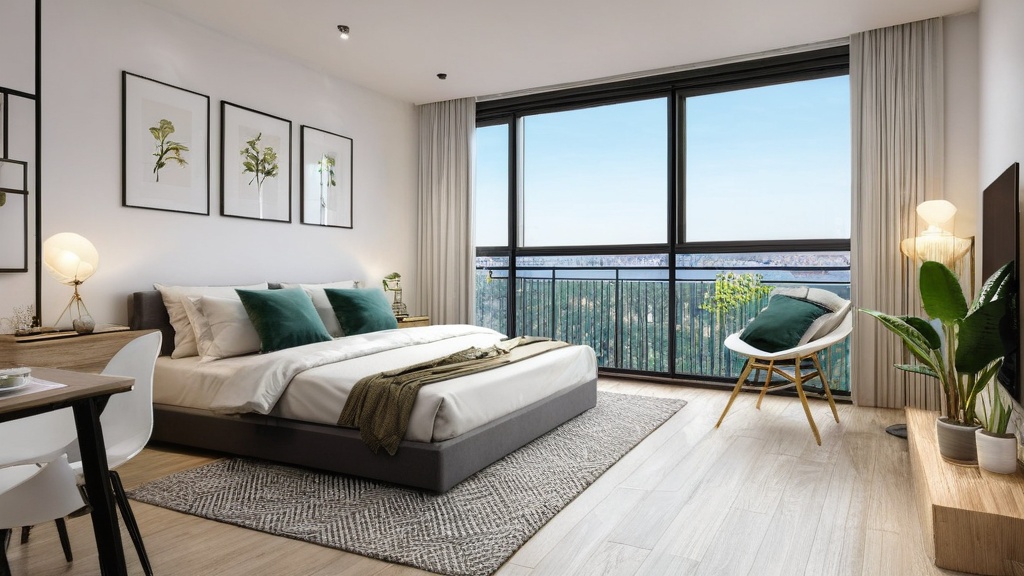
Feng Shui, an ancient Chinese practice, revolves around the idea of harmonizing individuals with their surrounding environment. In a studio apartment, where space is often limited, understanding the basics of Feng Shui can significantly enhance your living experience. You may find that the arrangement of your furniture, the colors you choose, and even the placement of your belongings can influence your mood and energy levels. By embracing these principles, you can create a sanctuary that promotes relaxation, productivity, and overall well-being.
At its core, Feng Shui emphasizes the flow of energy, or “Chi,” within a space. In a studio apartment, where every square foot counts, it’s essential to ensure that this energy flows freely. You might start by assessing the layout of your space and identifying areas that feel cluttered or stagnant. By making small adjustments—like repositioning furniture or removing unnecessary items—you can create a more inviting atmosphere. Understanding the fundamentals of Feng Shui will empower you to transform your studio into a harmonious haven that reflects your personal style while promoting positive energy.
Key Takeaways
- Feng Shui principles help optimize energy flow and functionality in studio apartments.
- Multi-functional furniture and strategic layouts maximize limited space effectively.
- Mirrors and proper lighting create the illusion of a larger, more open area.
- Decluttering and organized spaces promote harmony and positive energy.
- Natural elements and balanced colors enhance tranquility and energy balance.
Creating a Functional Layout with Feng Shui Principles
When it comes to studio apartments, creating a functional layout is paramount. You want to ensure that each area serves its purpose while maintaining a sense of flow throughout the space. Begin by considering the “Bagua,” a Feng Shui map that divides your living area into nine sections, each representing different aspects of life such as wealth, health, and relationships. By identifying which areas correspond to your goals, you can strategically arrange your furniture to enhance those energies.
For instance, if you desire to improve your career prospects, you might position your desk in the “career” section of the Bagua map.
This could mean placing it near the entrance or in a spot that allows you to face the door while working.
Additionally, consider the pathways within your studio; ensure that there is enough room to move freely without obstruction. A well-thought-out layout not only maximizes functionality but also fosters a sense of balance and tranquility in your living space.
Utilizing Multi-functional Furniture to Maximize Space
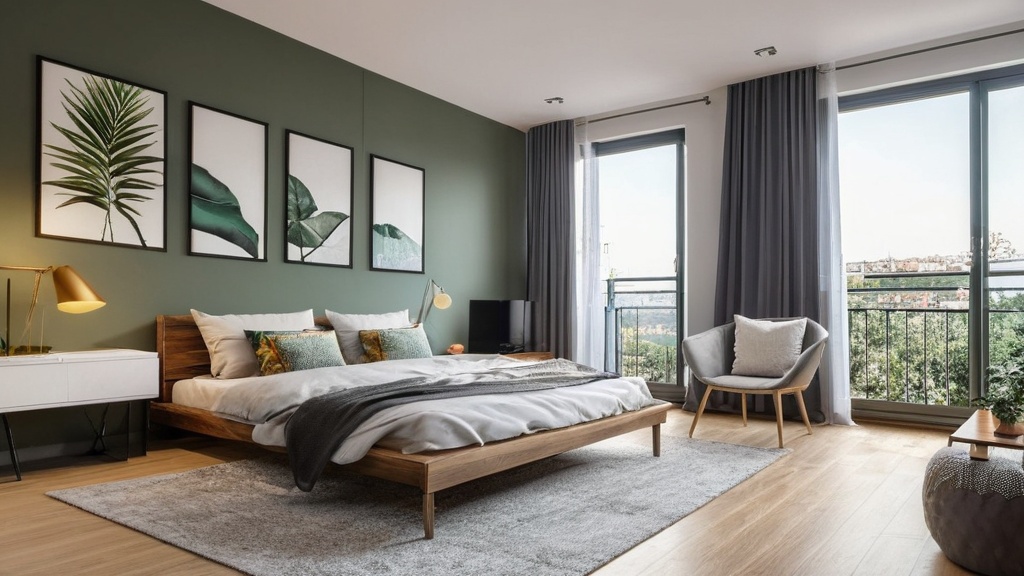
In a studio apartment, every inch matters, and multi-functional furniture can be your best ally in maximizing space. You may want to invest in pieces that serve dual purposes—like a sofa bed that transforms into a comfortable sleeping area or an ottoman that doubles as storage. This approach not only saves space but also aligns with Feng Shui principles by reducing clutter and promoting a sense of order.
When selecting multi-functional furniture, consider how each piece contributes to the overall energy flow in your studio. For example, a coffee table with built-in storage can help keep your living area tidy while providing a surface for relaxation and socializing.
By thoughtfully choosing furniture that meets multiple needs, you can create a versatile environment that feels spacious and inviting, allowing for both functionality and harmony.
Incorporating Mirrors and Lighting to Create the Illusion of Space
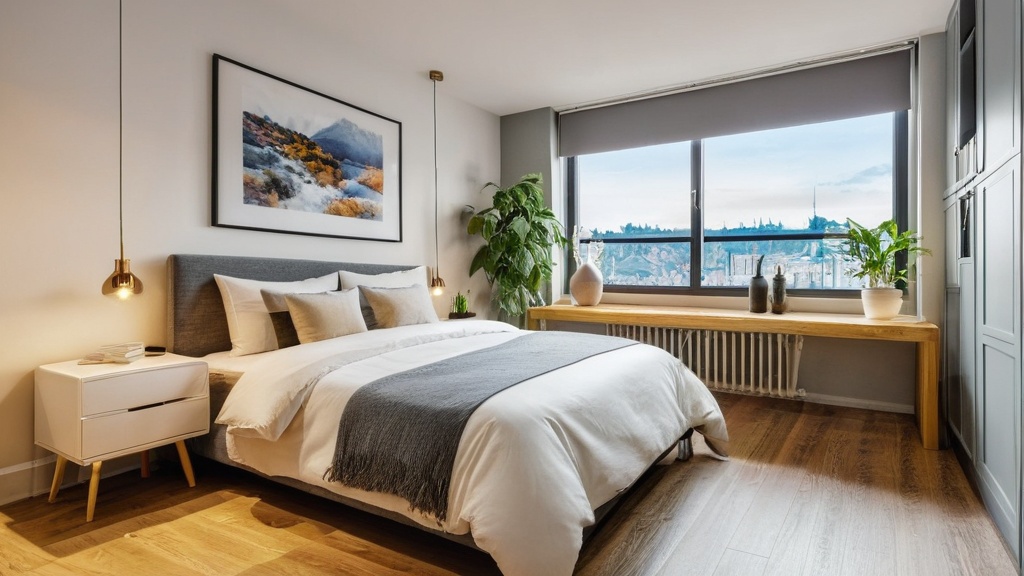
Mirrors and lighting play crucial roles in enhancing the perception of space within a studio apartment. Strategically placing mirrors can create an illusion of depth and openness, making your living area feel larger than it is. You might consider positioning a mirror opposite a window to reflect natural light, which not only brightens the room but also invites positive energy into your home.
Lighting is equally important in Feng Shui; it can influence mood and energy levels significantly. Opt for layered lighting solutions—such as floor lamps, table lamps, and wall sconces—to create a warm and inviting atmosphere. Soft, ambient lighting can help you unwind after a long day, while brighter task lighting is essential for activities like reading or working. By combining mirrors and thoughtful lighting choices, you can enhance both the aesthetic appeal and energy flow of your studio apartment.
Organizing and Decluttering for a Harmonious Living Environment
| Feng Shui Element | Recommendation | Purpose/Benefit | Example for Studio Apartment |
|---|---|---|---|
| Entrance | Keep clear and clutter-free | Allows positive energy (Chi) to flow freely | Use a small shoe rack and avoid placing bulky items near the door |
| Bed Placement | Position bed diagonally opposite to the door, not in direct line | Promotes restful sleep and security | Place bed against a solid wall, avoid alignment with entrance |
| Mirrors | Avoid placing mirrors directly facing the bed | Prevents energy disturbance during sleep | Use mirrors on walls away from the bed or in the living area |
| Lighting | Use soft, layered lighting | Creates balanced and calming atmosphere | Combine floor lamps, table lamps, and natural light sources |
| Colors | Use light and neutral colors with accent tones | Enhances space perception and energy flow | Soft beige walls with blue or green accents in decor |
| Plants | Incorporate small healthy plants | Brings vitality and purifies air | Place succulents or peace lilies on shelves or windowsills |
| Storage | Use hidden or multi-functional storage | Reduces clutter and maintains energy flow | Storage ottomans or under-bed drawers |
| Kitchen Area | Keep clean and organized | Promotes health and prosperity | Regularly clear countertops and avoid blocked stove |
A cluttered space can lead to stagnant energy, making it essential to prioritize organization and decluttering in your studio apartment. Start by evaluating each item you own; ask yourself whether it serves a purpose or brings you joy. If not, consider donating or discarding it. This process not only frees up physical space but also creates mental clarity, allowing positive energy to flow more freely throughout your home.
Once you’ve decluttered, implement organizational systems that work for you. Use baskets or decorative boxes to store items out of sight while maintaining easy access when needed. Consider vertical storage solutions like shelves or wall-mounted organizers to maximize floor space. By creating an organized environment, you foster a sense of calm and balance that aligns with Feng Shui principles, ultimately enhancing your overall living experience.
Choosing the Right Colors and Textures for a Balanced Energy Flow
Color plays a significant role in Feng Shui, as different hues can evoke various emotions and energies. In a studio apartment, selecting the right colors can help create a balanced atmosphere that promotes relaxation and positivity. You might opt for soft neutrals like beige or light gray as a base color for walls and larger furniture pieces, as these shades create a calming backdrop.
To add depth and interest, incorporate accent colors through accessories like cushions, artwork, or decorative items. For instance, warm tones like reds or oranges can stimulate energy and creativity, while cool colors like blues and greens promote tranquility and relaxation. Additionally, consider the textures of your furnishings; mixing materials such as wood, fabric, and metal can create visual interest while maintaining harmony within the space. By thoughtfully choosing colors and textures, you can cultivate an environment that feels both inviting and balanced.
Incorporating Natural Elements to Bring a Sense of Tranquility
Bringing natural elements into your studio apartment can significantly enhance its ambiance and promote tranquility. Plants are an excellent way to introduce life into your space; they not only purify the air but also symbolize growth and vitality in Feng Shui. Consider incorporating low-maintenance plants like succulents or snake plants if you’re new to gardening or have limited sunlight.
In addition to plants, you might explore other natural materials such as wood or stone in your decor. Wooden furniture or decorative items can add warmth and grounding energy to your studio, while stone accents can evoke stability and strength. By integrating these elements into your living space, you create a serene environment that fosters relaxation and connection with nature.
Maintaining a Clean and Balanced Energy Flow in a Small Living Space
Once you’ve established a harmonious environment in your studio apartment using Feng Shui principles, it’s essential to maintain that balance over time. Regular cleaning is crucial; dusting surfaces, vacuuming floors, and organizing belongings should become part of your routine to ensure that energy continues to flow freely throughout your home.
Additionally, periodically reassess your space to identify any areas that may have become cluttered or stagnant again. As life changes—whether through new possessions or shifting priorities—your living environment may need adjustments to maintain its positive energy flow. By staying mindful of these aspects and making necessary changes as they arise, you can enjoy a consistently harmonious living space that supports your well-being and enhances your quality of life.
In conclusion, applying Feng Shui principles in your studio apartment can transform it into a sanctuary that promotes balance and positivity. By understanding the basics of Feng Shui, creating functional layouts, utilizing multi-functional furniture, incorporating mirrors and lighting effectively, organizing thoughtfully, choosing appropriate colors and textures, integrating natural elements, and maintaining cleanliness, you can cultivate an environment that nurtures both body and spirit. Embrace these practices to enhance not only your living space but also your overall quality of life.
FAQs
What is Feng Shui and how does it apply to a studio apartment?
Feng Shui is an ancient Chinese practice that focuses on harmonizing individuals with their surrounding environment. In a studio apartment, Feng Shui principles help optimize the flow of energy (chi) to create a balanced, comfortable, and functional living space despite limited square footage.
How can I arrange furniture in a studio apartment using Feng Shui?
To apply Feng Shui in a studio apartment, place larger furniture pieces like the bed or sofa against solid walls for support. Avoid blocking pathways and ensure there is a clear flow of movement. Use room dividers or rugs to define different areas, and keep the space clutter-free to allow positive energy to circulate.
What colors are recommended for a Feng Shui studio apartment?
Feng Shui color choices depend on the desired energy and the apartment’s orientation. Generally, soft, neutral colors like beige, light gray, or pastels promote calmness and openness. Incorporating elements of the five Feng Shui elements (wood, fire, earth, metal, water) through colors like green, red, yellow, white, and blue can balance the space.
How can I enhance natural light and air flow in a studio apartment according to Feng Shui?
Maximize natural light by using sheer curtains or keeping windows unobstructed. Mirrors can also reflect light and make the space feel larger. For air flow, keep windows open when possible and avoid placing large furniture near vents or windows to ensure fresh energy circulates freely.
Are there any Feng Shui tips for storage in a small studio apartment?
Yes, effective storage is crucial in Feng Shui to reduce clutter and maintain positive energy. Use multi-functional furniture with hidden storage, keep items organized, and regularly declutter. Avoid storing items under the bed or in front of doors, as this can block energy flow.