
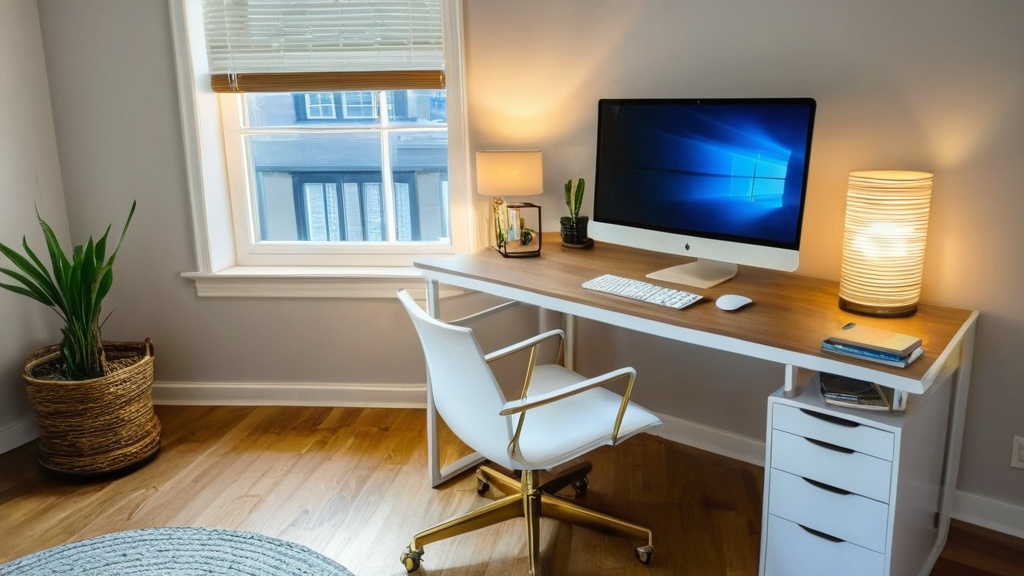
Energy flow is a fundamental concept that permeates various aspects of life, from personal well-being to the environments we inhabit. In essence, energy flow refers to the movement and circulation of energy within a space, influencing how you feel and function in that environment. When energy flows freely, it creates a sense of harmony and balance, allowing you to be more productive and focused. Conversely, when energy is stagnant or blocked, it can lead to feelings of discomfort, distraction, and even stress. Understanding this concept is crucial for optimizing your workspace, as it can significantly impact your overall productivity and mental clarity.
To harness the benefits of positive energy flow, you must first become aware of how your surroundings affect you. This awareness involves tuning into the sensations you experience in different spaces and recognizing how they influence your mood and motivation. For instance, a cluttered desk may create a sense of chaos, while an organized and thoughtfully arranged workspace can foster creativity and concentration. By acknowledging the importance of energy flow, you can take proactive steps to create an environment that supports your goals and enhances your well-being.
Key Takeaways
- Proper desk placement influences the flow of energy and overall workspace harmony.
- Natural light and plants boost positive energy and improve mood at the desk.
- Feng shui principles help optimize desk location for better focus and productivity.
- Keeping the workspace clutter-free enhances energy flow and reduces stress.
- Ergonomic setup and balancing work with relaxation support sustained positive energy.
Factors to consider when choosing a desk location
When selecting a location for your desk, several factors come into play that can significantly influence your productivity and comfort.
One of the primary considerations is the layout of the room.
Ideally, you want to position your desk in a way that allows for a clear line of sight to the entrance. This arrangement not only provides a sense of security but also promotes a feeling of control over your environment. Being able to see who enters the room can help you feel more at ease and focused on your tasks.
Another important factor to consider is the proximity to distractions. If you place your desk near high-traffic areas or noisy appliances, you may find it challenging to concentrate on your work. Instead, seek out quieter corners or areas with minimal foot traffic. Additionally, think about the overall ambiance of the space. Natural elements, such as windows or views of greenery, can enhance your mood and contribute to a more positive energy flow. By carefully evaluating these factors, you can create a workspace that not only meets your functional needs but also nurtures your mental well-being.
The impact of natural light on energy flow
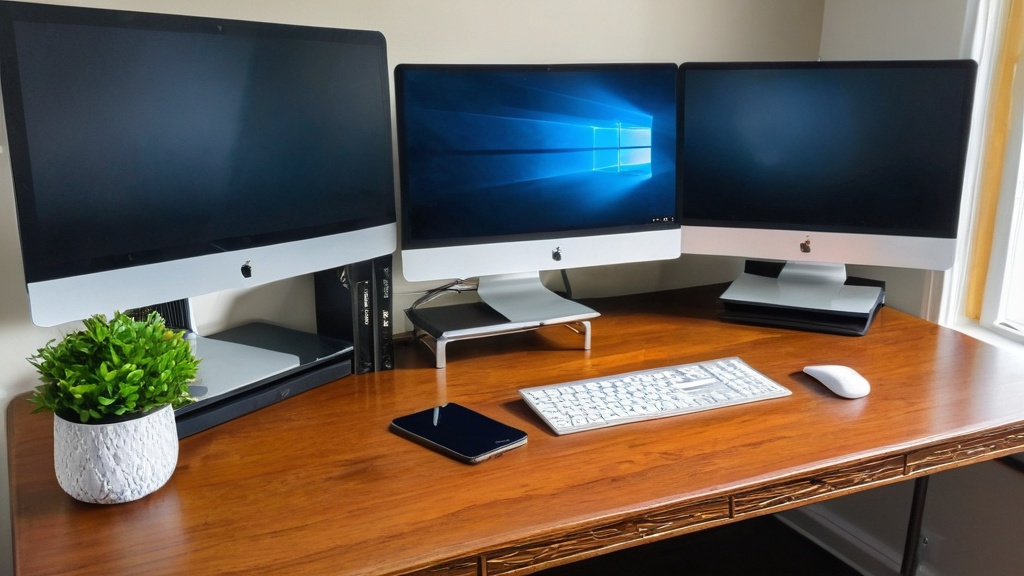
Natural light plays a pivotal role in shaping the energy flow within your workspace. Exposure to natural light has been shown to improve mood, increase alertness, and enhance overall productivity. When you position your desk near a window or in a well-lit area, you allow sunlight to flood the space, creating an uplifting atmosphere that encourages creativity and focus. The warmth of natural light can invigorate your senses and help regulate your circadian rhythms, leading to better sleep patterns and increased energy levels throughout the day.
However, it’s essential to consider how natural light interacts with your workspace throughout the day. The angle of sunlight changes as the day progresses, which can create glare on screens or cause discomfort if not managed properly. To mitigate these issues, consider using adjustable blinds or curtains that allow you to control the amount of light entering the room. Additionally, incorporating reflective surfaces or light-colored decor can help bounce light around the space, maximizing its benefits. By thoughtfully integrating natural light into your workspace design, you can cultivate an environment that promotes positive energy flow and enhances your overall productivity.
Incorporating feng shui principles into desk placement
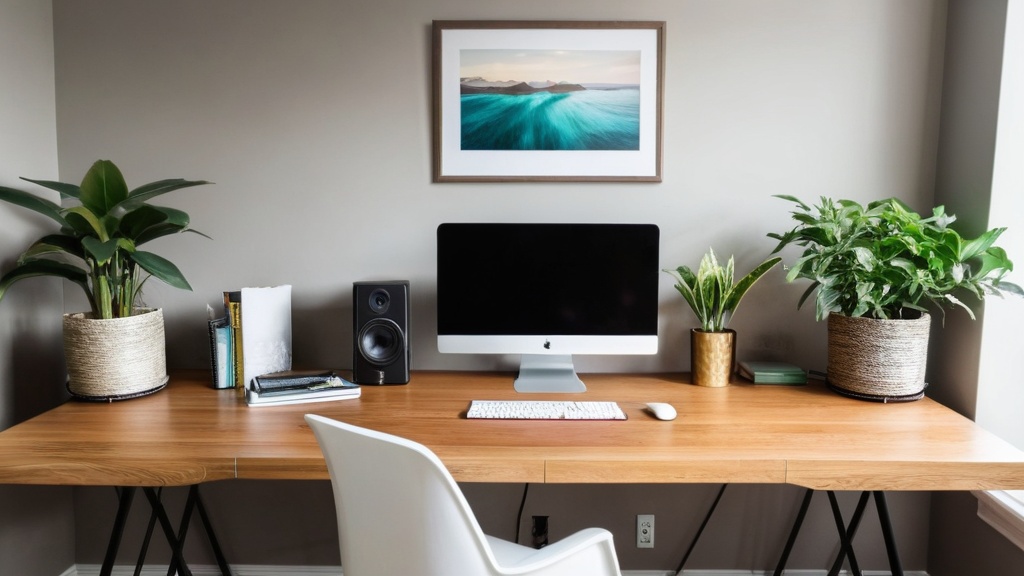
Feng shui is an ancient Chinese practice that emphasizes the arrangement of space to promote harmony and balance. When it comes to desk placement, incorporating feng shui principles can significantly enhance the energy flow in your workspace. One key aspect is the “command position,” which suggests positioning your desk so that you can see the entrance while seated. This placement not only provides a sense of security but also allows for better focus and decision-making.
Another important feng shui principle is to avoid placing your desk directly in line with a door or window. This alignment can create a disruptive energy flow known as “sha chi,” which may lead to feelings of anxiety or distraction. Instead, aim for a diagonal position that allows for a clear view of the entrance while maintaining a sense of stability. Additionally, consider incorporating elements such as mirrors or artwork that resonate with positive energy to further enhance the ambiance of your workspace. By embracing feng shui principles in your desk placement, you can create an environment that fosters creativity, productivity, and overall well-being.
Creating a clutter-free and organized workspace
| Desk Placement Aspect | Feng Shui Principle | Recommended Practice | Impact on Productivity |
|---|---|---|---|
| Command Position | Visibility and control over the room | Place desk facing the door but not directly in line with it | Enhances focus and reduces stress |
| Back Support | Stability and support in career | Desk backed by a solid wall, avoid windows behind | Increases confidence and security |
| Natural Light | Energy and vitality | Position desk near a window but avoid glare | Boosts mood and energy levels |
| Clutter-Free Space | Clear energy flow | Keep desk organized and free of unnecessary items | Improves mental clarity and efficiency |
| Desk Shape | Energy flow and creativity | Prefer rectangular or rounded edges over sharp corners | Encourages creativity and smooth workflow |
| Plants and Decor | Positive energy and growth | Add healthy plants and meaningful decor items | Enhances inspiration and reduces stress |
A clutter-free workspace is essential for maintaining positive energy flow and enhancing productivity. When your desk is filled with unnecessary items or disorganized papers, it can create mental clutter that distracts you from your tasks. To combat this issue, start by decluttering your workspace regularly. Set aside time each week to assess what items are essential and what can be removed or stored away. This practice not only clears physical space but also helps clear mental space, allowing you to focus more effectively on your work.
In addition to decluttering, implementing organizational systems can further enhance the functionality of your workspace. Consider using storage solutions such as drawer organizers, file folders, or desktop trays to keep items neatly arranged and easily accessible. Labeling these storage solutions can also streamline your workflow by ensuring that everything has its designated place. By creating an organized workspace, you not only improve energy flow but also cultivate a sense of calm and control that can positively impact your productivity.
Utilizing plants and natural elements to enhance energy flow
Incorporating plants and natural elements into your workspace is an effective way to enhance energy flow and create a more inviting atmosphere. Plants not only add aesthetic appeal but also contribute to improved air quality and increased feelings of well-being. Studies have shown that having greenery in your environment can reduce stress levels and boost creativity. When selecting plants for your workspace, consider low-maintenance options such as succulents or snake plants that thrive in various lighting conditions.
In addition to plants, integrating natural materials into your workspace design can further promote positive energy flow. Wooden furniture, stone accents, or textiles made from natural fibers can create a warm and inviting atmosphere that fosters relaxation and focus. You might also consider incorporating elements like water features or natural light sources to amplify the calming effects of nature in your workspace. By surrounding yourself with plants and natural elements, you create an environment that nurtures both your physical and mental well-being.
The importance of ergonomic desk setup for positive energy flow
An ergonomic desk setup is crucial for maintaining positive energy flow while working. When your workspace is designed with ergonomics in mind, it promotes comfort and reduces physical strain, allowing you to focus on your tasks without distraction. Start by ensuring that your chair provides adequate support for your back and encourages good posture. Your feet should rest flat on the floor or on a footrest while keeping your knees at a 90-degree angle.
Additionally, pay attention to the height of your desk and monitor placement. Your computer screen should be at eye level to prevent neck strain, while your keyboard should be positioned so that your wrists remain straight while typing. Investing in ergonomic accessories such as keyboard trays or adjustable monitor stands can further enhance comfort and productivity.
By prioritizing an ergonomic setup in your workspace, you not only improve physical well-being but also create an environment conducive to positive energy flow.
Maintaining a balance between productivity and relaxation in the workspace
Creating a harmonious workspace involves finding a balance between productivity and relaxation. While it’s essential to cultivate an environment that encourages focus and efficiency, it’s equally important to incorporate elements that promote relaxation and rejuvenation. Consider designating specific areas within your workspace for breaks or moments of reflection—this could be a cozy chair by a window or a small corner with calming decor.
Incorporating mindfulness practices into your daily routine can also help maintain this balance. Taking short breaks for deep breathing exercises or stretching can refresh your mind and body, allowing you to return to work with renewed focus. Additionally, consider adding personal touches such as inspirational quotes or calming artwork that resonates with you emotionally. By intentionally creating spaces for both productivity and relaxation within your workspace, you foster an environment that supports overall well-being and enhances positive energy flow throughout your day.
FAQs
What is desk placement feng shui?
Desk placement feng shui is the practice of arranging your desk and workspace according to the principles of feng shui, an ancient Chinese art that aims to harmonize individuals with their environment. The goal is to create a balanced, positive energy flow that enhances productivity, focus, and well-being.
Where is the best location to place a desk according to feng shui?
The best location for a desk in feng shui is typically the “command position,” where you can see the door without being directly in line with it. This placement allows you to feel secure and in control, which can improve concentration and reduce stress.
Should a desk face a wall or a window in feng shui?
In feng shui, it is generally recommended that a desk faces the door or an open space rather than a wall, to allow for a clear view and positive energy flow. Facing a window can be beneficial if it provides natural light and a pleasant view, but avoid having your back to the door or window to prevent distractions and vulnerability.
How does clutter affect desk placement feng shui?
Clutter negatively impacts feng shui by blocking the flow of positive energy (chi) and creating a sense of chaos and distraction. Keeping your desk organized and free of unnecessary items helps maintain a smooth energy flow, promoting clarity and productivity.
Can desk placement feng shui improve work performance?
Yes, proper desk placement according to feng shui principles can improve work performance by creating a supportive and balanced environment. It helps reduce stress, increase focus, and foster a sense of control, all of which contribute to better productivity and job satisfaction.