

Across numerous cultures worldwide, plants hold significance beyond their decorative value or oxygen production capacity. These plants frequently serve as symbols representing good fortune and positive energy. Many cultures incorporate specific plants into gift-giving traditions during celebrations and place them in residential and commercial spaces with the intention of promoting prosperity, health, and happiness.
The association between certain plants and good luck stems from established traditional and spiritual belief systems, positioning these plants as important elements in various cultural rituals and practices. The cultural appeal of these plants derives from their dual function as natural elements that simultaneously enhance living and working environments. Plant enthusiasts and newcomers alike can benefit from understanding the cultural significance attributed to these species.
Different plants carry distinct symbolic meanings within various traditions. The jade plant is commonly associated with wealth attraction, while bamboo is recognized for its connection to good fortune. These plants serve both aesthetic and symbolic purposes, with many people reporting that their presence contributes to feelings of optimism and hope in their daily environments.
Key Takeaways
- Lucky plants have deep historical and cultural roots symbolizing positive energy and fortune.
- Selecting the right plants depends on their traditional meanings and your personal environment.
- Proper placement of lucky plants in your home enhances their beneficial effects.
- Regular care and maintenance are essential to keep lucky plants thriving and effective.
- Combining plants with other positive energy practices can amplify good luck in your living space.
The History and Cultural Significance of Lucky Plants
The history of lucky plants is rich and varied, spanning across different cultures and time periods. In ancient China, for instance, the practice of Feng Shui emphasized the importance of harmonizing one’s environment with natural elements, including plants. You might be intrigued to learn that certain plants were specifically chosen for their auspicious meanings.
The money tree, or Pachira aquatica, is often associated with prosperity and is commonly found in homes and businesses as a symbol of wealth. Similarly, in Japanese culture, the bonsai tree represents patience and harmony, embodying the idea that good things come to those who nurture their surroundings. In addition to their historical roots, lucky plants have also played significant roles in various cultural rituals.
In many African traditions, for example, certain herbs and plants are used in ceremonies to invoke blessings and protection. You may find it fascinating that in some cultures, the placement of specific plants is believed to ward off negative energy or attract positive influences. This deep-seated belief in the power of nature reflects a universal desire for connection and balance, reminding you that the natural world can offer solace and support in times of uncertainty.
Choosing the Right Plants for Positive Energy
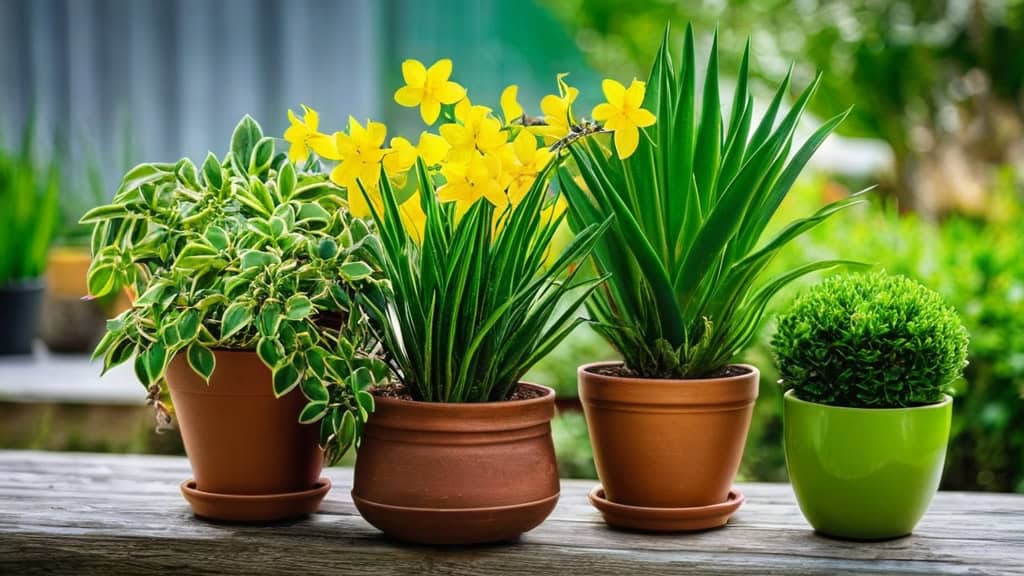
When it comes to selecting plants that resonate with positive energy, it’s essential to consider both their symbolism and your personal preferences. You may want to start by reflecting on what aspects of your life you wish to enhance—be it love, prosperity, or health. For instance, if you seek to attract abundance, the jade plant could be an excellent choice due to its association with wealth and success.
Alternatively, if you are looking to cultivate a sense of tranquility and peace in your home, consider incorporating lavender or peace lilies, both known for their calming properties. As you explore various options, it’s also important to think about the conditions in which these plants will thrive. You might find that some lucky plants require more sunlight or humidity than others.
For example, the snake plant is not only considered a symbol of protection but is also incredibly resilient and easy to care for, making it a perfect choice for beginners. By choosing plants that align with both your intentions and your living conditions, you can create an environment that fosters positive energy and growth.
The Best Placement for Lucky Plants in Your Home
Once you’ve chosen your lucky plants, the next step is determining where to place them in your home for maximum benefit. According to Feng Shui principles, the placement of plants can significantly influence the flow of energy within a space.
For instance, placing a money plant near the front door is believed to invite prosperity into your life. Additionally, consider the specific areas of your home that correspond with different aspects of life. For example, if you wish to enhance relationships and love, placing a flowering plant in the southwest corner of your living room could be beneficial.
This not only enhances their visual appeal but also creates a serene environment that encourages relaxation and reflection.
Caring for Lucky Plants: Tips for Success
| Plant Name | Type | Symbolism | Care Level | Common Placement |
|---|---|---|---|---|
| Bamboo (Lucky Bamboo) | Grass | Good fortune, prosperity, and health | Easy | Home, office desk |
| Money Tree (Pachira aquatica) | Tree | Wealth, financial success | Moderate | Living room, office |
| Jade Plant (Crassula ovata) | Succulent | Good luck, prosperity, friendship | Easy | Entrance, windowsill |
| Peace Lily (Spathiphyllum) | Flowering plant | Peace, harmony, good luck | Moderate | Bedroom, living room |
| Snake Plant (Sansevieria) | Succulent | Protection, positive energy | Easy | Office, bedroom |
| Four-Leaf Clover | Herbaceous plant | Luck, faith, hope, love | Moderate | Garden, pot |
Caring for your lucky plants is crucial to ensuring they thrive and continue to bring positive energy into your life. You may find that each plant has its own unique care requirements, so it’s essential to familiarize yourself with their specific needs. Regular watering is vital; however, overwatering can lead to root rot, so it’s important to strike a balance.
You might consider using well-draining soil and pots with drainage holes to help prevent excess moisture buildup. In addition to watering, providing adequate light is another key factor in plant care. You may want to observe how much natural light different areas of your home receive throughout the day and position your plants accordingly.
Fertilizing during the growing season can also promote healthy growth; using organic fertilizers can enhance the vitality of your lucky plants without introducing harmful chemicals into your home environment. By dedicating time and attention to their care, you can cultivate a thriving indoor garden that continues to radiate good luck.
Other Ways to Bring Good Luck and Positive Energy into Your Home
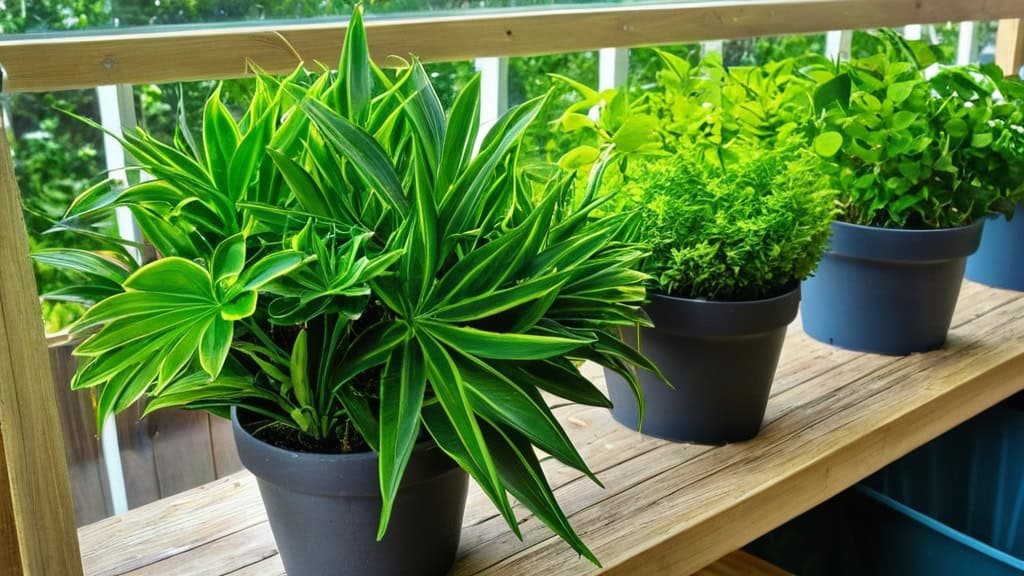
While incorporating lucky plants into your home is an excellent way to attract positive energy, there are several other practices you can adopt to enhance this atmosphere further. You might consider decluttering your space as a means of inviting fresh energy into your life. A tidy environment not only promotes mental clarity but also allows positive vibrations to flow freely throughout your home.
Another effective method is incorporating elements of nature beyond just plants. You could introduce natural materials such as wood or stone into your decor or use colors associated with positivity—like greens and yellows—to create an uplifting ambiance. Additionally, engaging in mindfulness practices such as meditation or yoga can help you cultivate a sense of inner peace that complements the positive energy brought by your lucky plants.
Common Misconceptions About Lucky Plants
Despite their popularity, there are several misconceptions surrounding lucky plants that may lead to confusion or disappointment. One common myth is that simply having a lucky plant in your home will automatically bring good fortune without any effort on your part. While these plants can certainly enhance positive energy, it’s essential to remember that they work best when combined with intention and action on your part.
You may need to actively engage with your plants through care and nurturing while also pursuing your goals. Another misconception is that all lucky plants require extensive care or specific conditions to thrive. In reality, many lucky plants are quite resilient and adaptable, making them suitable for various living situations.
For instance, while some believe that only certain types of cacti can survive in low-light conditions, many other species are equally hardy and can flourish with minimal attention. By educating yourself about the diverse range of lucky plants available, you can find options that fit seamlessly into your lifestyle.
Embracing the Power of Plants for Good Luck
Incorporating lucky plants into your life offers a unique opportunity to connect with nature while inviting positive energy into your home. As you explore the rich history and cultural significance behind these plants, you may find yourself inspired by their symbolism and potential impact on your well-being. By carefully selecting the right plants for your intentions and providing them with proper care, you can create an environment that nurtures both personal growth and prosperity.
Ultimately, embracing the power of lucky plants is about more than just aesthetics; it’s about fostering a mindset of positivity and hope. As you cultivate these living symbols of good fortune in your home, remember that they serve as reminders of the beauty and resilience found in nature—and within yourself. By integrating these practices into your daily life, you can create a sanctuary filled with good luck and positive energy that supports you on your journey toward fulfillment and happiness.
FAQs
What are some common plants believed to bring good luck?
Common plants believed to bring good luck include the money tree (Pachira aquatica), lucky bamboo, jade plant, four-leaf clover, and peace lily. These plants are often associated with prosperity, positive energy, and good fortune in various cultures.
Why are certain plants considered lucky?
Certain plants are considered lucky due to cultural beliefs, symbolism, and traditional practices. For example, the money tree is thought to attract wealth and financial success, while the four-leaf clover is a rare natural variation symbolizing good luck and protection.
Can keeping lucky plants improve my well-being?
While there is no scientific proof that lucky plants directly improve luck, many people find that caring for plants can reduce stress, improve mood, and enhance indoor air quality, which contributes to overall well-being.
How should I care for lucky plants to keep their positive effects?
Proper care varies by plant species but generally includes adequate sunlight, appropriate watering, and suitable soil conditions. Healthy plants are believed to maintain positive energy, so regular maintenance is important.
Are lucky plants suitable for indoor environments?
Yes, many lucky plants such as lucky bamboo, jade plant, and peace lily thrive indoors. They are popular choices for homes and offices because they require minimal care and can adapt to indoor lighting conditions.
Can I gift lucky plants to someone?
Yes, gifting lucky plants is a common practice to wish someone good fortune, prosperity, or happiness. It is important to consider the recipient’s preferences and any potential allergies before giving plants as gifts.
Do lucky plants have any cultural significance?
Yes, many lucky plants hold cultural significance in different parts of the world. For example, lucky bamboo is important in Feng Shui, and the four-leaf clover is a symbol of luck in Irish tradition.
Are there any plants that should be avoided despite being considered lucky?
While many lucky plants are safe, some may be toxic to pets or children. For example, peace lilies are considered lucky but can be harmful if ingested. It is important to research plant safety before bringing them into your home.