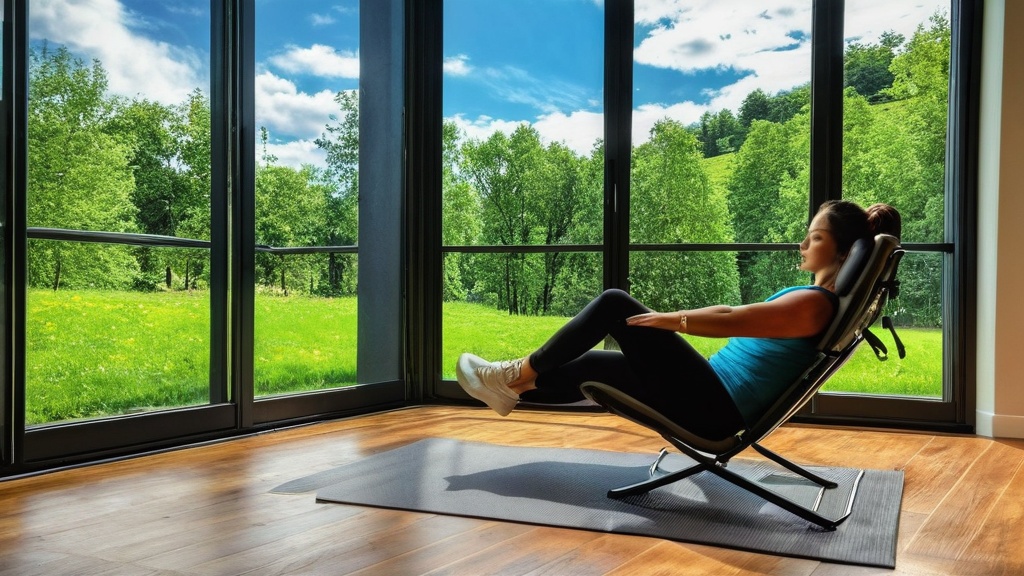
In today’s fast-paced world, the significance of relaxation and exercise cannot be overstated. You may find yourself juggling multiple responsibilities, from work commitments to family obligations, leaving little time for self-care. However, creating a sanctuary at home where you can unwind and engage in physical activity is essential for your mental and physical well-being. By incorporating relaxation techniques and exercise into your daily routine, you can enhance your mood, reduce stress, and improve your overall health.
Establishing a home routine that prioritizes both relaxation and exercise allows you to take control of your well-being. You don’t need a gym membership or expensive equipment to achieve your fitness goals or find peace of mind. With just a little creativity and commitment, you can transform your living space into a haven for both physical activity and relaxation. This article will explore various methods you can adopt at home, including yoga, Pilates, breathing techniques, stretching, meditation, and cardio workouts, all designed to help you cultivate a balanced lifestyle.
For those looking to enhance their home relaxation routine, incorporating breathing exercises can be incredibly beneficial. A related article that delves into this topic is available at As you engage in Pilates, concentrate on your breath and the alignment of your body. This mindful approach not only enhances the effectiveness of the exercises but also contributes to a sense of relaxation and focus. Over time, you may find that your core strength increases significantly, leading to improved performance in other physical activities. Deep breathing is a simple yet effective technique that can help you achieve relaxation in moments of stress or anxiety. By focusing on your breath, you can activate your body’s relaxation response, which counteracts the effects of stress hormones. To practice deep breathing at home, find a comfortable seated position or lie down in a quiet space. Close your eyes and take a slow, deep breath in through your nose, allowing your abdomen to expand fully. As you exhale slowly through your mouth, visualize any tension leaving your body with each breath out. Repeat this process for several minutes, allowing yourself to become fully immersed in the rhythm of your breath. You may also want to try counting your breaths or incorporating visualization techniques to enhance the experience further. Regular practice of deep breathing can lead to reduced anxiety levels and an increased sense of calm throughout your day. For those looking to enhance their home relaxation routine, exploring effective exercises can be incredibly beneficial. A great resource to consider is an article that outlines five simple steps to create a relaxed home environment. You can read more about it in this informative piece on how to transform your space into a sanctuary for relaxation by visiting this link. Incorporating these strategies can significantly improve your overall well-being and help you unwind after a long day. Breathing Techniques: How to Practice Deep Breathing for Relaxation
" class="wbl-product-image" loading="lazy"></a></div><div class="wbl-product-content"><div class="wbl-product-title"><a href="https://www.amazon.com/dp/B07JQCVBBZ?tag=reviewify0f-20" target="_blank" rel="nofollow sponsored">Yoga Mat Non Slip, Eco Friendly Fitness Exercise Mat with Carrying Strap,Pro Yoga Mats for Women,Workout Mats for Home, Pilates and Floor Exercises (Matcha Green/Black, Thickness-6mm)</a></div><div class="wbl-product-description"><p>NEW ECO FRIENDLY MATERIAL: The upgraded Gruper Yoga mat is made with premium friendly material. It costs more to make, but it is safer and more soft than traditional non-green PVC and EVA yoga mats.The exercise mats are suitable for many forms of Yoga, Pilates and fitness.</p></div><div class="wbl-product-footer"><a href="https://www.amazon.com/dp/B07JQCVBBZ?tag=reviewify0f-20" class="wbl-cta-button" target="_blank" rel="nofollow sponsored">VIEW LATEST PRICE</a><p class="wbl-disclaimer">As an affiliate, we earn on qualifying purchases.</p></div></div></div></div>
<div class="wbl-product-box wbl-template-default"><div class="wbl-product-box-inner"><div class="wbl-product-image-wrapper"><a href="https://www.amazon.com/dp/B0B74MRJS3?tag=reviewify0f-20" target="_blank" rel="nofollow sponsored"><img decoding="async" src="https://m.media-amazon.com/images/I/31nTDmkvxhL._SL500_.jpg" alt="KEEP Non-Slip Large Yoga Mat,Extra Long and Wide Exercise & Fitness Mat( 72"Lx32"Wx7mm Thick) with Free Carrying Strap,Professional TPE Workout Mat for All Types of Yoga, 7mm, Pale Green" class="wbl-product-image" loading="lazy"></a></div><div class="wbl-product-content"><div class="wbl-product-title"><a href="https://www.amazon.com/dp/B0B74MRJS3?tag=reviewify0f-20" target="_blank" rel="nofollow sponsored">KEEP Non-Slip Large Yoga Mat,Extra Long and Wide Exercise & Fitness Mat( 72"Lx32"Wx7mm Thick) with Free Carrying Strap,Professional TPE Workout Mat for All Types of Yoga, 7mm, Pale Green</a></div><div class="wbl-product-description"><p>Wider, Thicker, and Ready for Anything: Upgrade your yoga practice with our 32-inch Extra Wide Yoga Mat, designed to provide you with ample space for every pose. With its 0.28-inch (7mm) thick padding, this mat offers superior cushioning, ensuring that your knees, elbows, and joints are well protected during your workout</p></div><div class="wbl-product-footer"><a href="https://www.amazon.com/dp/B0B74MRJS3?tag=reviewify0f-20" class="wbl-cta-button" target="_blank" rel="nofollow sponsored">VIEW LATEST PRICE</a><p class="wbl-disclaimer">As an affiliate, we earn on qualifying purchases.</p></div></div></div></div>
<div class="wbl-product-box wbl-template-default"><div class="wbl-product-box-inner"><div class="wbl-product-image-wrapper"><a href="https://www.amazon.com/dp/B092XMWXK7?tag=reviewify0f-20" target="_blank" rel="nofollow sponsored"><img decoding="async" src="https://m.media-amazon.com/images/I/312Hucvgc-L._SL500_.jpg" alt="Retrospec Solana Yoga Mat Extra Thick 1" Exercise Mat, Fitness, with Strap | 72" x 24" x 1", Home Workout, for Women and Men, Floor Stretching, Padded, Cushioned, Pilates, Training, Non Slip, Latex Free" class="wbl-product-image" loading="lazy"></a></div><div class="wbl-product-content"><div class="wbl-product-title"><a href="https://www.amazon.com/dp/B092XMWXK7?tag=reviewify0f-20" target="_blank" rel="nofollow sponsored">Retrospec Solana Yoga Mat Extra Thick 1" Exercise Mat, Fitness, with Strap | 72" x 24" x 1", Home Workout, for Women and Men, Floor Stretching, Padded, Cushioned, Pilates, Training, Non Slip, Latex Free</a></div><div class="wbl-product-description"><p>EXTRA THICK FOR COMFORT & BALANCE: Solana firm 1-inch extra thick fitness mat w/ mat strap alleviates stress on pressure points such as joints, hips, hands, and knees. Solana measures 72" X 24" X 1".</p></div><div class="wbl-product-footer"><a href="https://www.amazon.com/dp/B092XMWXK7?tag=reviewify0f-20" class="wbl-cta-button" target="_blank" rel="nofollow sponsored">VIEW LATEST PRICE</a><p class="wbl-disclaimer">As an affiliate, we earn on qualifying purchases.</p></div></div></div></div>
</div>
</div>
<button class="wbl-carousel-button wbl-carousel-next" aria-label="Next product">❯</button>
</div>
</div>
<!-- /Auto-inserted -->
<h2> Pilates: Core Strengthening Exercises for Beginners</h2>
<p><img decoding="async" src="https://informedrelaxation.com/wp-content/uploads/2026/02/abcdhe.jpg" id="3" alt="relaxation exercises" style="max-width:100%;display:block;margin-left:auto;margin-right:auto;width:90%;"></p>
<p>Pilates is another excellent option for those looking to strengthen their core while enjoying the comfort of home. This low-impact exercise method focuses on building strength, flexibility, and body awareness through controlled movements. You don’t need any special equipment to get started; a mat is often sufficient for performing many Pilates exercises. </p>
<p>Begin with foundational exercises such as the Hundred, Roll-Up, and Leg Circles. These movements target your abdominal muscles and help improve posture while promoting stability throughout your body.</p>
<blockquote style=)
Stretching: Easy Stretches to Improve Flexibility and Reduce Tension
Exercise
Duration
Benefits
Recommended Frequency
Difficulty Level
Deep Breathing
5-10 minutes
Reduces stress, lowers heart rate
Daily
Easy
Progressive Muscle Relaxation
10-15 minutes
Relieves muscle tension, improves sleep
3-4 times per week
Moderate
Guided Imagery
10-20 minutes
Enhances mental calmness, reduces anxiety
2-3 times per week
Easy
Yoga Stretching
15-30 minutes
Improves flexibility, reduces muscle stiffness
3-5 times per week
Moderate
Meditation
10-20 minutes
Increases focus, reduces stress hormones
Daily
Easy to Moderate
Tai Chi
20-30 minutes
Enhances balance, promotes relaxation
3-4 times per week
Moderate
Incorporating stretching into your daily routine is an excellent way to improve flexibility and alleviate tension in your muscles. You can perform simple stretches at home without any special equipment or extensive time commitment. Focus on areas that often hold tension, such as the neck, shoulders, back, and legs. Stretches like the Neck Stretch, Shoulder Rolls, and Hamstring Stretch can be easily integrated into your day.
To maximize the benefits of stretching, aim to hold each stretch for 15-30 seconds while breathing deeply. This practice not only helps lengthen tight muscles but also encourages relaxation by promoting blood flow and reducing stiffness. Consider setting aside time each morning or evening for a dedicated stretching session to help you unwind after a long day or prepare for the day ahead. Over time, you may notice increased flexibility and reduced discomfort in your body.
Meditation: Mindfulness Practices for Inner Peace and Calm
Meditation is a powerful tool for cultivating inner peace and calm amidst the chaos of daily life. By dedicating just a few minutes each day to meditation, you can create a sense of stillness that allows you to reconnect with yourself. To begin meditating at home, find a quiet space where you won’t be disturbed. Sit comfortably with your back straight and close your eyes.
Focus on your breath or choose a mantra that resonates with you. As thoughts arise, acknowledge them without judgment and gently return your focus to your breath or mantra. You might start with just five minutes of meditation each day and gradually increase the duration as you become more comfortable with the practice. Over time, meditation can help reduce anxiety, improve concentration, and foster a greater sense of well-being.
Cardio: Fun and Effective Home Workouts for Cardiovascular Health
Cardiovascular exercise is essential for maintaining heart health and overall fitness levels. Fortunately, there are plenty of fun and effective cardio workouts you can do at home without any special equipment. Activities like dancing, jumping rope, or following along with online workout videos can get your heart rate up while keeping things enjoyable.
Consider setting aside time each week for dedicated cardio sessions that fit into your schedule. You might try high-energy dance workouts or follow along with bodyweight exercises like burpees or jumping jacks. The key is to find activities that you genuinely enjoy so that staying active feels less like a chore and more like a fun part of your day. With consistent effort, you’ll not only improve your cardiovascular health but also boost your mood and energy levels.
Creating a Relaxing and Active Home Routine
Incorporating relaxation techniques and exercise into your home routine is not only beneficial but also essential for maintaining balance in today’s hectic world. By exploring practices such as yoga, Pilates, deep breathing, stretching, meditation, and cardio workouts, you can create a personalized regimen that promotes both physical fitness and mental well-being.
As you embark on this journey toward a more relaxed and active lifestyle at home, remember that consistency is key. Start small by integrating one or two practices into your daily routine and gradually build upon them as you become more comfortable. With dedication and mindfulness, you’ll cultivate an environment that nurtures both relaxation and activity—ultimately leading to a healthier and happier you.
FAQs
What are home relaxation exercises?
Home relaxation exercises are activities or techniques performed at home designed to reduce stress, promote calmness, and improve overall mental and physical well-being. These can include breathing exercises, stretching, meditation, and gentle yoga.
How often should I do home relaxation exercises?
It is generally recommended to practice relaxation exercises daily or several times a week. Consistency helps maximize benefits such as reduced anxiety, improved sleep, and better stress management.
Do I need any special equipment for home relaxation exercises?
Most home relaxation exercises require little to no special equipment. Comfortable clothing and a quiet space are usually sufficient. Some people may use yoga mats, cushions, or guided audio recordings to enhance their practice.
Can home relaxation exercises help with anxiety and stress?
Yes, home relaxation exercises are effective tools for managing anxiety and stress. Techniques like deep breathing, progressive muscle relaxation, and mindfulness meditation can help calm the nervous system and reduce tension.
Are home relaxation exercises suitable for all ages?
Yes, home relaxation exercises can be adapted for all age groups. Children, adults, and seniors can benefit from age-appropriate techniques that promote relaxation and mental clarity. It is advisable to choose exercises that match individual physical abilities.