
Stress is a universal human experience that significantly impacts both mental and physical health. When individuals encounter stressful situations, the body activates the “fight or flight” response, a physiological state characterized by heightened alertness. This response triggers measurable changes in the body, including increased heart rate, elevated blood pressure, and the release of stress hormones such as cortisol.
Prolonged exposure to stress can result in chronic health conditions. Research has established links between persistent stress and cardiovascular disease, obesity, type 2 diabetes, and autoimmune disorders. Cognitive function may also decline under stress, with individuals experiencing reduced concentration, impaired decision-making abilities, and increased anxiety levels.
The psychological effects of stress are equally significant. Common manifestations include mood changes such as irritability, depression, and feelings of hopelessness. Stress can negatively affect interpersonal relationships, often causing individuals to become socially withdrawn or experience communication difficulties.
These psychological and physical effects frequently reinforce each other, creating a cycle where declining mental health exacerbates physical symptoms, and vice versa. Recognition of the bidirectional relationship between stress and health outcomes is essential for developing evidence-based interventions and coping mechanisms that support overall well-being.
Key Takeaways
- Stress negatively affects both mental and physical health, making management crucial.
- Relaxation techniques can significantly improve mental well-being and reduce anxiety and depression.
- Regular relaxation supports physical health by boosting immune function and reducing stress-related symptoms.
- Incorporating personalized relaxation methods into daily routines enhances overall well-being and sleep quality.
- Professional guidance can be beneficial for effective stress and relaxation management when self-help is insufficient.
The Benefits of Relaxation Techniques for Mental Well-being
Incorporating relaxation techniques into your daily routine can significantly improve your mental well-being. These practices help counteract the effects of stress by promoting a state of calm and tranquility. When you engage in relaxation techniques, you activate your body’s natural relaxation response, which can lower heart rate and blood pressure while reducing levels of stress hormones.
This physiological shift not only helps you feel more at ease but also enhances your ability to cope with life’s challenges. You may find that regular practice leads to improved mood, greater emotional resilience, and a more positive outlook on life. Additionally, relaxation techniques can foster a deeper connection with yourself.
By taking time to unwind and reflect, you create space for self-awareness and mindfulness. This process allows you to better understand your thoughts and feelings, enabling you to respond to stressors with greater clarity and intention. As you cultivate this awareness, you may discover that you are better equipped to manage negative emotions and navigate difficult situations.
Ultimately, the benefits of relaxation extend beyond mere stress relief; they contribute to a more balanced and fulfilling life.
The Role of Relaxation in Managing Anxiety and Depression

For many individuals grappling with anxiety and depression, relaxation techniques can serve as powerful tools for management. These practices provide a means to interrupt the cycle of negative thoughts and feelings that often accompany these conditions. When you engage in relaxation exercises such as deep breathing or progressive muscle relaxation, you create a momentary pause in the relentless stream of anxious thoughts.
This break allows you to regain control over your mind and emotions, fostering a sense of peace that can be incredibly beneficial in times of distress. Moreover, relaxation techniques can enhance your overall emotional regulation. By regularly practicing these methods, you may find that you become more adept at recognizing the early signs of anxiety or depressive episodes.
This heightened awareness enables you to implement coping strategies before these feelings escalate. As a result, relaxation not only alleviates immediate symptoms but also empowers you to take proactive steps toward maintaining your mental health. In this way, relaxation becomes an essential component of a comprehensive approach to managing anxiety and depression.
How Relaxation Affects Physical Health and Immune Function
The benefits of relaxation extend beyond mental well-being; they also play a crucial role in supporting your physical health and immune function. When you experience stress, your body is in a constant state of alertness, which can suppress immune responses and make you more susceptible to illness. However, by incorporating relaxation techniques into your routine, you can help mitigate these effects.
Research has shown that practices such as meditation and yoga can enhance immune function by reducing inflammation and promoting overall health. Furthermore, relaxation techniques can improve your body’s ability to recover from illness or injury. When you are relaxed, your body is better equipped to heal itself, as the stress response is diminished.
This healing process is facilitated by improved circulation and oxygen flow throughout the body, which are enhanced during periods of relaxation. You may notice that when you prioritize relaxation in your life, not only do you feel better mentally, but your physical health also improves significantly.
Incorporating Relaxation into Daily Life for Overall Well-being
| Metric | Explanation | Impact of Relaxation |
|---|---|---|
| Stress Levels | Measured by cortisol hormone concentration in the body | Regular relaxation reduces cortisol levels by up to 30%, lowering stress |
| Heart Rate | Beats per minute (bpm) indicating cardiovascular strain | Relaxation techniques can decrease resting heart rate by 5-10 bpm |
| Sleep Quality | Duration and depth of sleep cycles | Relaxation improves sleep quality, increasing deep sleep by 20% |
| Productivity | Output or efficiency in tasks completed | Taking breaks to relax can boost productivity by 15-20% |
| Mental Health | Levels of anxiety and depression symptoms | Relaxation reduces anxiety symptoms by 25% and improves mood |
| Immune Function | Effectiveness of immune response | Relaxation enhances immune markers, reducing illness frequency |
To reap the benefits of relaxation for your overall well-being, it is essential to incorporate these practices into your daily life. You might start by setting aside dedicated time each day for relaxation—whether it’s in the morning before starting your day or in the evening as a way to unwind. Creating a calming environment can enhance this experience; consider dimming the lights, playing soft music, or using essential oils to set the mood.
Additionally, integrating small moments of relaxation throughout your day can be incredibly effective. Simple practices such as taking a few deep breaths during a busy workday or stepping outside for a brief walk can help ground you in the present moment. You may also find it beneficial to engage in activities that bring you joy and relaxation—whether that’s reading a book, practicing mindfulness meditation, or spending time in nature.
By making relaxation a priority in your daily routine, you’ll cultivate a greater sense of balance and well-being.
Exploring Different Relaxation Techniques and Finding What Works for You
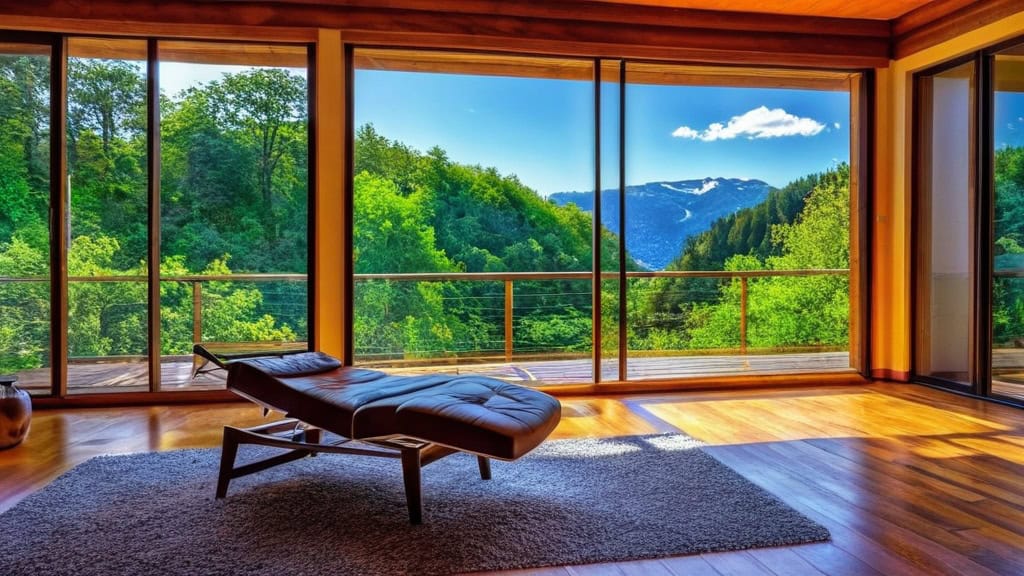
There is no one-size-fits-all approach to relaxation; different techniques resonate with different individuals. Exploring various methods can help you discover what works best for you. For instance, some people find solace in mindfulness meditation, where they focus on their breath and observe their thoughts without judgment.
Others may prefer physical activities like yoga or tai chi that combine movement with mindfulness. You might also consider incorporating creative outlets into your relaxation routine. Activities such as painting, writing, or playing music can serve as powerful forms of self-expression that promote relaxation and emotional release.
As you explore these options, pay attention to how each practice makes you feel; this awareness will guide you toward the most effective methods for achieving relaxation.
The Connection Between Relaxation and Improved Sleep Quality
One of the most significant benefits of relaxation is its positive impact on sleep quality. Stress often leads to sleep disturbances, making it difficult for you to fall asleep or stay asleep throughout the night. By incorporating relaxation techniques into your bedtime routine, you can signal to your body that it’s time to wind down and prepare for rest.
Moreover, establishing a consistent relaxation routine before bed can create a sense of predictability that signals to your body that it’s time for rest. You may find that engaging in these practices helps reduce racing thoughts and anxiety that often keep you awake at night.
As a result, not only will you fall asleep more easily, but you’ll also experience deeper and more restorative sleep cycles. Improved sleep quality has far-reaching effects on your overall health—enhancing mood, cognitive function, and physical well-being.
Seeking Professional Help for Stress and Relaxation Management
While self-directed relaxation techniques can be incredibly beneficial, there are times when seeking professional help is essential for managing stress effectively. If you find that stress is overwhelming or persistent despite your efforts to relax, consider reaching out to a mental health professional who specializes in stress management or anxiety disorders. They can provide tailored guidance and support that addresses your unique needs.
Therapists may introduce you to additional relaxation strategies or therapeutic modalities such as cognitive-behavioral therapy (CBT), which focuses on changing negative thought patterns associated with stress and anxiety. They can also help you develop coping mechanisms that are specifically designed for your situation. Remember that seeking help is not a sign of weakness; rather, it demonstrates strength and commitment to improving your mental health and overall well-being.
In conclusion, understanding the impact of stress on both mental and physical health is crucial for developing effective coping strategies. By incorporating relaxation techniques into your daily life, you can enhance your mental well-being while also supporting physical health and immune function. Exploring different methods allows you to find what resonates with you personally, while prioritizing relaxation can lead to improved sleep quality and overall life satisfaction.
If needed, don’t hesitate to seek professional help; it can be an invaluable resource on your journey toward greater peace and resilience in the face of life’s challenges.
Taking time to relax is essential for maintaining both mental and physical well-being, as it allows individuals to recharge and reduce stress. For those looking to explore effective relaxation techniques, a related article on calming guided meditations can be particularly beneficial. You can read more about this in the article titled 8 Calming Guided Meditations for Anxiety Relief, which offers various methods to help ease anxiety and promote relaxation.
FAQs
Why is it important to have time to relax?
Taking time to relax is essential for maintaining both physical and mental health. It helps reduce stress, improve mood, and enhance overall well-being.
How does relaxation affect mental health?
Relaxation helps lower levels of stress hormones, reduces anxiety, and can improve concentration and cognitive function. It also promotes better sleep and emotional balance.
What are the physical benefits of relaxation?
Relaxing can lower blood pressure, reduce muscle tension, and decrease the risk of stress-related illnesses such as heart disease. It also supports the immune system.
Can relaxation improve productivity?
Yes, taking breaks to relax can increase focus, creativity, and efficiency. It prevents burnout and helps maintain sustained performance over time.
What are common ways to relax?
Common relaxation methods include deep breathing exercises, meditation, yoga, listening to music, spending time in nature, and engaging in hobbies.
How often should one take time to relax?
It is recommended to incorporate short relaxation periods daily and longer breaks regularly to maintain optimal health and well-being.
Is relaxation important for children and teenagers?
Absolutely. Relaxation helps young people manage stress, improve learning, and develop healthy coping mechanisms.
Can relaxation help with chronic health conditions?
Yes, relaxation techniques can alleviate symptoms of chronic conditions such as anxiety, depression, and chronic pain by reducing stress and promoting healing.