
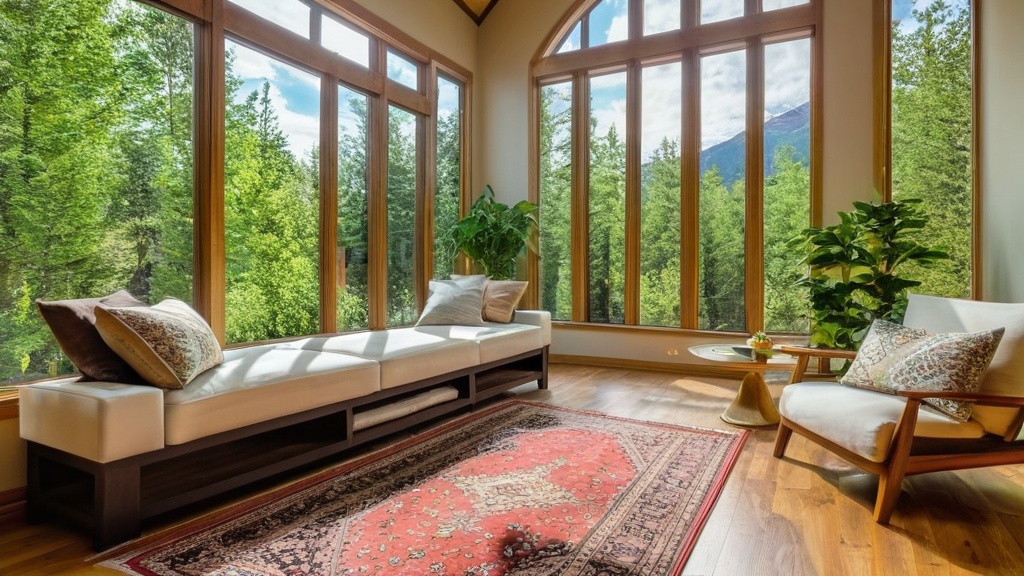
When you think about creating a calm environment in your home, consider the impact of your surroundings on your mental state. Start by decluttering your space; a tidy room can significantly reduce feelings of anxiety and stress. You might find that removing unnecessary items from your living area not only clears physical space but also creates a sense of mental clarity. Choose a few meaningful decorations that resonate with you, such as photographs or artwork, and arrange them thoughtfully. This way, you can cultivate an atmosphere that feels personal and inviting, allowing you to unwind after a long day.
Lighting plays a crucial role in establishing a tranquil ambiance. You may want to experiment with different types of lighting, such as soft lamps or candles, to create a warm glow in your space. Natural light is also essential; consider opening your curtains during the day to let sunlight stream in. If you have the option, position your furniture to take advantage of the view outside, whether it’s a garden or a cityscape. By harmonizing your environment with soothing colors and gentle lighting, you can create a sanctuary that encourages relaxation and peace.
Key Takeaways
- Set up a tranquil space at home by minimizing clutter and using calming colors to create a peaceful environment.
- Practice mindful deep breathing techniques to effectively reduce stress and enhance relaxation.
- Use essential oils in aromatherapy to foster a soothing and calming atmosphere in your living space.
- Disconnect from technology regularly by scheduling screen-free time to recharge and reduce digital overload.
- Establish a daily relaxation routine that includes meditation and self-care practices to boost overall well-being.
Mindful Breathing Techniques: How to use deep breathing to reduce stress and promote relaxation
Mindful breathing is a powerful tool that you can easily incorporate into your daily routine to combat stress. When you feel overwhelmed, take a moment to focus on your breath. Start by finding a comfortable position, either sitting or lying down, and close your eyes if it feels right. Inhale deeply through your nose, allowing your abdomen to expand fully. Hold that breath for a few seconds before exhaling slowly through your mouth. This simple practice can help ground you in the present moment and alleviate feelings of anxiety.
As you become more familiar with mindful breathing, try to extend the duration of your inhales and exhales gradually. You might find it helpful to count to four as you breathe in, hold for four, and then exhale for six or eight counts. This technique not only calms your nervous system but also enhances your lung capacity over time. By dedicating just a few minutes each day to mindful breathing, you can cultivate a sense of inner peace that permeates other aspects of your life.
The Power of Aromatherapy: Using essential oils to create a soothing atmosphere
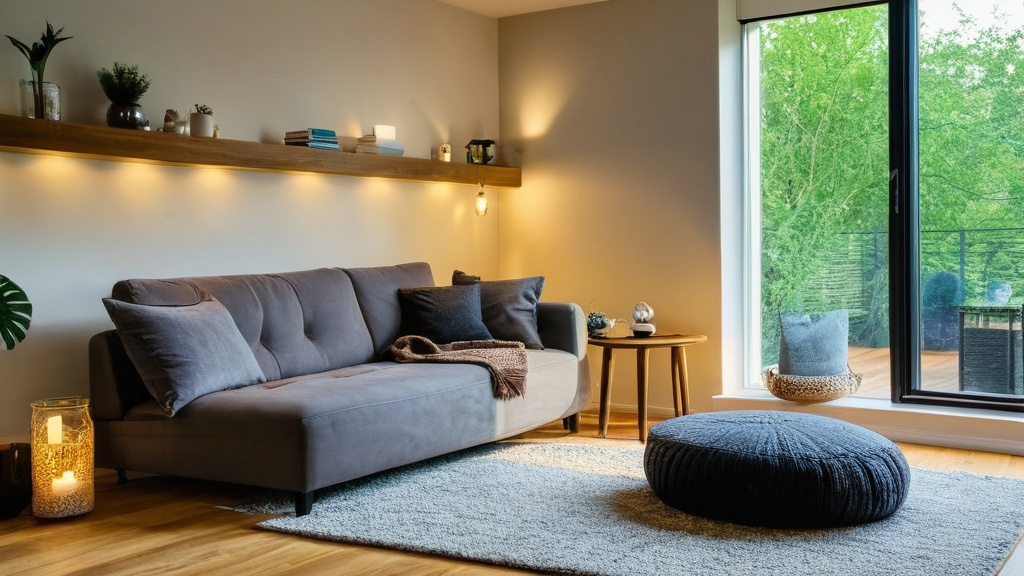
Aromatherapy is an effective way to enhance your home’s tranquility through the use of essential oils. You can start by selecting oils that resonate with you personally; lavender, chamomile, and eucalyptus are popular choices known for their calming properties. Consider investing in a diffuser to disperse these scents throughout your space. As the gentle mist fills the air, you may find that it helps to create an inviting atmosphere conducive to relaxation.
In addition to diffusing oils, you can also incorporate them into your self-care routine. For instance, adding a few drops of essential oil to your bathwater can transform an ordinary soak into a luxurious experience. Alternatively, you might mix essential oils with carrier oils for a soothing massage after a long day. By integrating aromatherapy into your daily life, you can create an environment that not only smells delightful but also promotes emotional well-being.
Unplugging and Digital Detox: Tips for disconnecting from technology and enjoying some screen-free time
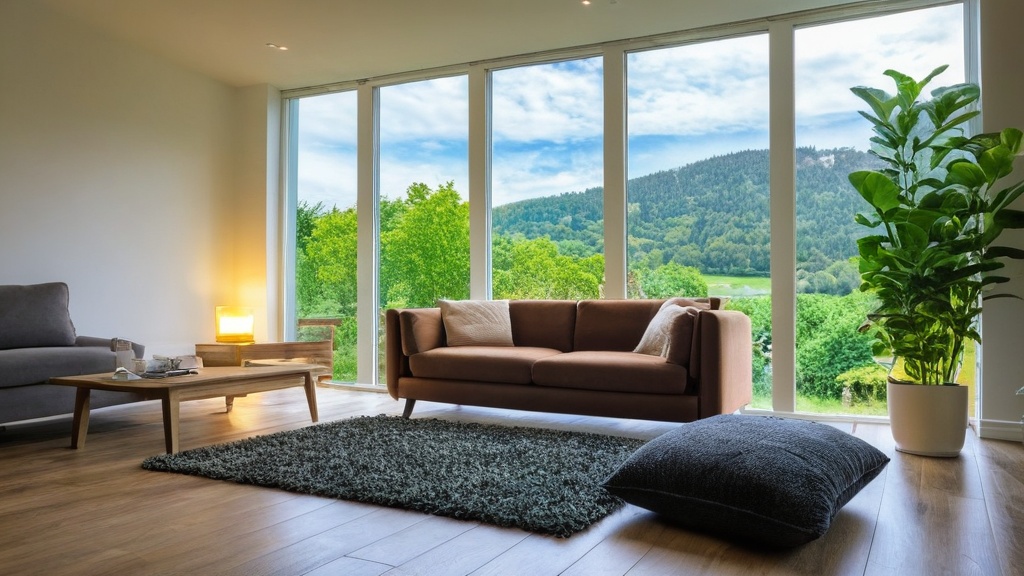
In our hyper-connected world, taking time to unplug from technology is essential for maintaining mental health. You might start by designating specific times during the day when you will disconnect from screens entirely. For example, consider implementing a “no phone” rule during meals or before bedtime. This practice allows you to be more present in the moment and fosters deeper connections with those around you.
You could also explore alternative activities that don’t involve screens. Reading a book, going for a walk in nature, or engaging in creative hobbies like painting or knitting can provide fulfilling ways to spend your time without digital distractions. By consciously choosing to step away from technology, you’ll likely find that you feel more relaxed and rejuvenated, allowing for greater enjoyment of life’s simple pleasures.
The Art of Meditation: How to incorporate meditation into your daily routine for ultimate relaxation
| Practice | Recommended Duration | Benefits | Tools/Items Needed |
|---|---|---|---|
| Meditation | 10-20 minutes daily | Reduces stress, improves focus, enhances emotional health | Quiet space, meditation cushion or chair |
| Reading | 30-60 minutes | Improves mental stimulation, reduces stress, enhances knowledge | Books, e-reader, comfortable seating |
| Aromatherapy | 15-30 minutes | Promotes relaxation, reduces anxiety, improves sleep quality | Essential oils, diffuser, candles |
| Gentle Yoga | 20-40 minutes | Increases flexibility, reduces muscle tension, calms the mind | Yoga mat, comfortable clothing |
| Listening to Music | 30-60 minutes | Elevates mood, reduces stress, improves sleep | Speakers or headphones, relaxing playlist |
| Warm Bath | 15-30 minutes | Relaxes muscles, improves circulation, reduces tension | Bathtub, bath salts or bubbles, towel |
| Deep Breathing Exercises | 5-10 minutes | Reduces anxiety, lowers blood pressure, improves oxygen flow | Quiet space |
Meditation is an ancient practice that has gained popularity for its numerous benefits in promoting relaxation and mental clarity.
To incorporate meditation into your daily routine, start by setting aside just five to ten minutes each day.
Find a quiet space where you won’t be disturbed, and sit comfortably with your back straight. Focus on your breath or choose a mantra that resonates with you; this will help anchor your thoughts and bring you back when distractions arise.
As you become more comfortable with meditation, consider exploring different techniques such as guided meditations or mindfulness practices. There are numerous apps and online resources available that can assist you in this journey. Over time, you may find that meditation not only enhances your ability to relax but also improves your overall emotional resilience and well-being.
Indulging in Self-Care: Ideas for pampering yourself at home to promote relaxation and rejuvenation
Self-care is an essential aspect of maintaining balance in your life, and it doesn’t have to be extravagant or time-consuming. You can create a self-care ritual at home that allows you to unwind and recharge. Start by setting aside dedicated time for yourself each week—this could be as simple as enjoying a long bath with soothing music or indulging in a favorite hobby.
Consider treating yourself to homemade spa treatments as well. You might create a facial mask using natural ingredients like honey and yogurt or prepare an herbal foot soak with Epsom salts and essential oils. These small acts of self-pampering can significantly enhance your mood and promote relaxation, reminding you of the importance of taking care of yourself amidst life’s demands.
Creating a Relaxation Routine: Tips for establishing a daily relaxation practice to promote overall well-being
Establishing a daily relaxation routine can be transformative for both your mental and physical health. Start by identifying specific activities that help you unwind—this could include reading, journaling, or practicing yoga. Once you’ve pinpointed these activities, try to schedule them into your day consistently. For instance, you might dedicate the first 15 minutes after waking up to stretching or meditation.
As you develop this routine, pay attention to how it impacts your overall well-being. You may find that having designated time for relaxation helps reduce stress levels throughout the day and improves your focus on tasks at hand. By prioritizing relaxation as part of your daily life, you’ll cultivate resilience against stressors while enhancing your overall quality of life.
Incorporating Relaxation into Your Home Decor: Ideas for incorporating calming elements into your home design to promote relaxation
Your home decor can significantly influence how relaxed you feel within your space. To create an environment conducive to tranquility, consider incorporating calming elements into your design choices. Soft colors like pastels or earth tones can evoke feelings of serenity; painting walls in these shades or adding decorative accents can make a noticeable difference.
Additionally, consider integrating natural elements into your decor. Houseplants not only purify the air but also bring life into your home while promoting relaxation through their presence. You might also explore incorporating textures like soft fabrics or natural materials such as wood and stone into your furnishings. By thoughtfully curating these elements within your home, you’ll create an inviting atmosphere that encourages relaxation and rejuvenation every time you step inside.
In conclusion, creating a tranquil environment at home involves multiple facets—from mindful breathing techniques and aromatherapy to self-care rituals and thoughtful decor choices. By implementing these strategies into your daily life, you can cultivate an oasis of calm that nurtures both body and mind, allowing you to navigate life’s challenges with greater ease and grace.
FAQs
What are some effective home relaxation practices?
Effective home relaxation practices include deep breathing exercises, meditation, gentle yoga, listening to calming music, and creating a comfortable environment with soft lighting and minimal distractions.
How can I create a relaxing atmosphere at home?
To create a relaxing atmosphere at home, use soft lighting such as candles or lamps, play soothing music, keep the space clean and clutter-free, incorporate calming scents like lavender or chamomile, and arrange comfortable seating or cushions.
How often should I practice relaxation techniques at home?
It is beneficial to practice relaxation techniques daily or at least several times a week. Consistency helps reduce stress, improve mental clarity, and promote overall well-being.
Can relaxation practices at home improve sleep quality?
Yes, relaxation practices such as meditation, deep breathing, and gentle stretching before bedtime can help calm the mind and body, making it easier to fall asleep and improving overall sleep quality.
Are there any tools or apps that can assist with home relaxation?
Yes, there are many apps available that offer guided meditation, breathing exercises, and calming sounds. Popular options include Headspace, Calm, and Insight Timer, which can support and enhance home relaxation routines.