
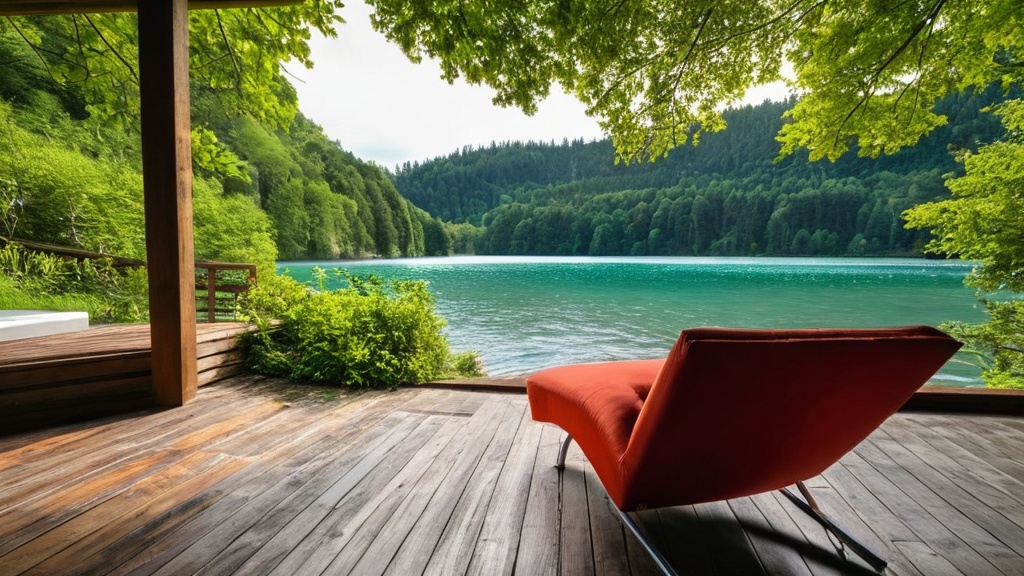
When you think about relaxation, the environment around you plays a crucial role in setting the mood. To create a calming atmosphere at home, start by decluttering your space. A tidy room can significantly reduce stress and promote a sense of peace. Consider organizing your belongings and removing items that no longer serve a purpose. You might find that a clean, minimalist space allows your mind to breathe, making it easier to unwind after a long day.
Next, focus on the sensory elements of your home. Soft lighting can transform a room from harsh and uninviting to warm and cozy. You might want to invest in dimmable lamps or candles that emit a soft glow. Additionally, consider incorporating natural elements like plants or flowers. Not only do they add beauty, but they also improve air quality and create a connection to nature, which can be incredibly grounding. By curating your environment with intention, you can foster a sanctuary that invites relaxation and tranquility.
Creating a home relaxation routine can significantly enhance your well-being, especially in today’s fast-paced world. Incorporating practices such as meditation, deep breathing, and mindful movement can help reduce stress and promote a sense of calm. For those interested in exploring the benefits of stillness, a related article titled “3 Genuine Benefits of Stillness Practices for Students” provides valuable insights into how these techniques can improve focus and mental clarity. You can read more about it by visiting this link: 3 Genuine Benefits of Stillness Practices for Students.
Key Takeaways
- Create a calming home environment to enhance relaxation.
- Use mindfulness meditation and breathing exercises to reduce stress.
- Incorporate yoga and stretching daily for physical and mental well-being.
- Utilize aromatherapy and essential oils to promote calmness.
- Develop bedtime rituals to improve sleep quality.
Mindfulness Meditation and Breathing Techniques
Mindfulness meditation is an effective way to cultivate inner peace and clarity. You can start by setting aside just a few minutes each day to focus on your breath. Find a quiet spot where you won’t be disturbed, sit comfortably, and close your eyes. As you inhale deeply through your nose, allow your abdomen to expand fully. Then, exhale slowly through your mouth, releasing any tension you may be holding onto. This simple practice can help ground you in the present moment, allowing worries about the past or future to fade away.
Incorporating breathing techniques into your daily routine can also enhance your overall sense of well-being. For instance, try the 4-7-8 technique: inhale for four counts, hold for seven counts, and exhale for eight counts.
This method not only calms the mind but also helps regulate your heart rate and reduce anxiety.
You may find that dedicating just a few minutes to these practices each day can lead to profound changes in your mental state, making it easier to navigate life’s challenges with grace and composure.
Incorporating Yoga and Stretching into Your Daily Routine
Yoga is a powerful tool for relaxation and stress relief that you can easily incorporate into your daily routine.
You don’t need to be an expert; even a few simple poses can help release tension in your body and calm your mind.
Start with gentle stretches that focus on areas where you typically hold stress, such as your neck, shoulders, and back. As you move through these stretches, pay attention to your breath, allowing it to guide your movements and deepen your experience.
Consider setting aside time each morning or evening for a short yoga session. You might find that this practice not only enhances your flexibility but also provides a moment of mindfulness in your busy day. As you flow through each pose, visualize any stress or negativity melting away with each exhale. By making yoga a regular part of your routine, you create a dedicated space for self-care that nurtures both your body and mind.
The Benefits of Aromatherapy and Essential Oils

Aromatherapy is an ancient practice that harnesses the power of scent to promote relaxation and well-being. You can easily incorporate essential oils into your home environment to create a soothing atmosphere. For instance, lavender oil is renowned for its calming properties and can help reduce anxiety and improve sleep quality. You might consider using a diffuser to disperse the scent throughout your space or adding a few drops to your bathwater for an indulgent experience.
In addition to lavender, there are numerous other essential oils that can enhance your relaxation routine. Chamomile is another excellent choice for its soothing effects, while eucalyptus can help clear the mind and promote respiratory health. Experiment with different oils to discover which scents resonate with you the most. By integrating aromatherapy into your daily life, you can create an olfactory sanctuary that supports relaxation and emotional balance.
Creating a soothing home relaxation routine can significantly enhance your well-being, and exploring various practices can be beneficial. For instance, incorporating elements of yoga into your daily life can help you unwind and find inner peace. If you’re interested in understanding the transformative power of yoga, you might find this article on the journey of yoga masters insightful. It delves into their experiences and teachings, which can inspire your own relaxation practices. You can read more about it here.
Indulging in a Luxurious Bath or Shower Experience
| Relaxation Activity | Average Duration (minutes) | Frequency per Week | Common Benefits | Recommended Time of Day |
|---|---|---|---|---|
| Meditation | 15-30 | 5 | Reduces stress, improves focus | Morning or Evening |
| Reading | 20-60 | 4 | Enhances relaxation, mental stimulation | Evening |
| Listening to Music | 30-45 | 6 | Improves mood, lowers anxiety | Anytime |
| Yoga | 30-60 | 3 | Increases flexibility, reduces tension | Morning or Evening |
| Warm Bath | 20-30 | 2 | Relaxes muscles, promotes sleep | Evening |
| Journaling | 10-20 | 3 | Emotional release, clarity | Night |
| Deep Breathing Exercises | 5-10 | 7 | Reduces stress, lowers heart rate | Anytime |
Taking time for a luxurious bath or shower can be one of the most rejuvenating self-care rituals you engage in. Set the stage by dimming the lights and playing soft music or nature sounds to create an inviting atmosphere. If you’re opting for a bath, consider adding bath salts or essential oils to enhance the experience further. The warm water enveloping you can help soothe sore muscles while providing a moment of escape from daily stresses.
If showers are more your style, think about transforming them into a mini spa experience. Use fragrant body washes or scrubs that invigorate your senses while cleansing your skin. You might also want to invest in a shower head with adjustable settings for a more personalized experience. As the water cascades over you, take deep breaths and allow yourself to let go of any lingering tension. This simple act of self-care can leave you feeling refreshed and revitalized.
Creating a soothing home relaxation routine can significantly enhance your overall well-being, and incorporating meditation into your daily practice is a great way to achieve this. For those looking to explore the benefits of meditation further, you might find this insightful article on meditation particularly helpful. It discusses how regular meditation can serve as a powerful tool for reducing stress and promoting a sense of calm, making it an ideal addition to your relaxation rituals at home.
Unwinding with a Good Book or Calming Music
In our fast-paced world, taking time to unwind with a good book or calming music can be incredibly restorative. Choose a book that captivates your imagination or transports you to another world; this escape can provide much-needed relief from daily stressors. Create a cozy reading nook in your home where you can curl up with a blanket and lose yourself in the pages of a story. The act of reading not only stimulates your mind but also allows you to disconnect from technology and immerse yourself in something truly enriching.
Alternatively, consider curating a playlist of calming music that resonates with you. Whether it’s classical compositions, nature sounds, or soft acoustic melodies, music has the power to shift your mood and promote relaxation. Set aside time each day to listen mindfully; perhaps while sipping tea or during moments of quiet reflection. By integrating these practices into your routine, you create opportunities for relaxation that nourish both your mind and spirit.
Practicing Self-Care and Pampering Rituals
Self-care is essential for maintaining balance in our busy lives, yet it often gets overlooked amidst daily responsibilities. Make it a priority to carve out time for pampering rituals that make you feel cherished and valued. This could be as simple as applying a nourishing face mask while enjoying a cup of herbal tea or treating yourself to a manicure at home. The key is to engage in activities that bring you joy and allow you to reconnect with yourself.
Consider creating a self-care schedule that includes various activities throughout the week—perhaps dedicating Sundays for relaxation rituals like journaling or meditating while Fridays could be reserved for indulging in skincare routines or enjoying a favorite hobby. By intentionally setting aside time for self-care, you reinforce the importance of nurturing yourself amidst life’s demands, ultimately leading to greater emotional resilience and well-being.
Establishing a Bedtime Ritual for Better Sleep
A restful night’s sleep is vital for overall health and well-being, yet many struggle with achieving quality rest. Establishing a bedtime ritual can signal to your body that it’s time to wind down and prepare for sleep. Start by creating an environment conducive to rest—dim the lights, lower the temperature slightly, and eliminate distractions like screens or loud noises.
Incorporate calming activities into your bedtime routine, such as reading a few pages of a book or practicing gentle stretches before lying down. You might also consider journaling about your day or writing down any thoughts that may be lingering in your mind; this practice can help clear mental clutter and promote relaxation. By consistently following this ritual each night, you train your body to recognize when it’s time to sleep, leading to improved sleep quality and overall well-being.
In conclusion, creating an oasis of relaxation at home involves intentional practices that nurture both body and mind. From mindfulness meditation to indulging in luxurious baths, each element contributes to an overall sense of peace and well-being. By prioritizing self-care rituals and establishing calming routines, you empower yourself to navigate life’s challenges with greater ease and grace. Embrace these practices as part of your daily life, allowing them to transform your home into a sanctuary of tranquility where you can recharge and thrive.
FAQs
What are some common activities included in home relaxation routines?
Common activities in home relaxation routines include reading, meditation, listening to music, taking warm baths, practicing yoga, and engaging in hobbies like painting or gardening.
How can I create an effective home relaxation routine?
To create an effective home relaxation routine, choose activities that you enjoy and that help reduce stress, set aside a specific time each day for relaxation, create a comfortable environment, and minimize distractions such as electronic devices.
What are the benefits of having a home relaxation routine?
Benefits of a home relaxation routine include reduced stress and anxiety, improved sleep quality, enhanced mood, increased focus and productivity, and overall better mental and physical health.
How long should a home relaxation routine last?
The length of a home relaxation routine can vary depending on individual preferences and schedules, but typically 15 to 30 minutes daily is sufficient to experience noticeable benefits.
Can home relaxation routines help improve sleep?
Yes, incorporating relaxation techniques such as meditation, deep breathing, or gentle stretching into a home routine can help calm the mind and body, making it easier to fall asleep and improving overall sleep quality.