
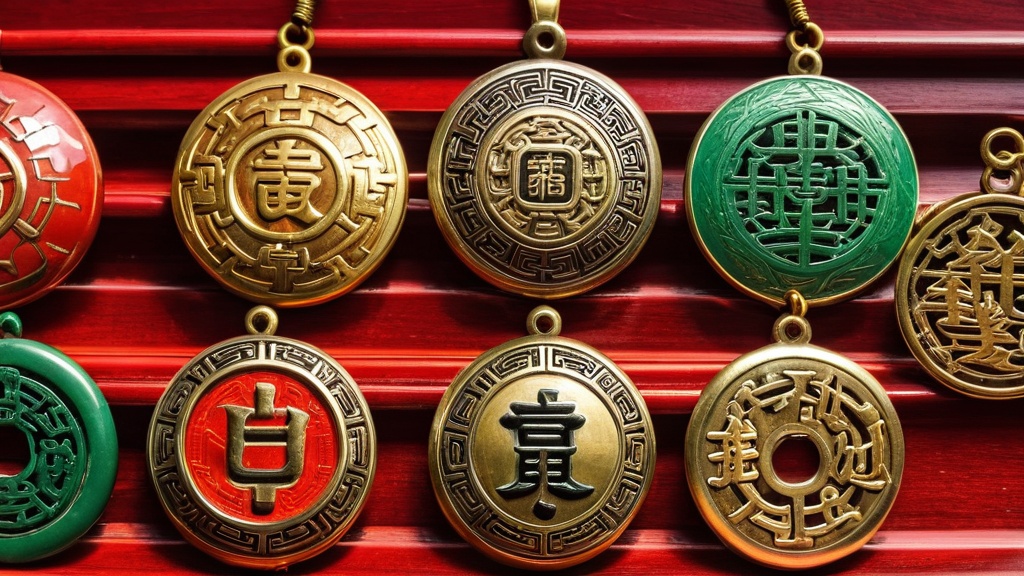
The history of Chinese charms is a rich tapestry woven through centuries of cultural evolution, belief systems, and artistic expression. Originating in ancient China, these charms were initially crafted for practical purposes, such as protection against evil spirits and misfortune. You might find it fascinating that the earliest charms date back to the Shang Dynasty (1600-1046 BC), where they were often made from jade, bronze, or other materials believed to possess protective qualities.
As you delve deeper into this history, you will discover that these charms were not merely decorative; they were imbued with spiritual significance and were often used in rituals and ceremonies.
As dynasties rose and fell, the use of charms evolved, reflecting the changing beliefs and practices of the time. During the Han Dynasty (206 BC-220 AD), for instance, charms became more intricate and were often inscribed with auspicious symbols or characters. You may be intrigued to learn that these inscriptions were thought to enhance the charm’s power, making it a conduit for good fortune. By the time of the Tang Dynasty (618-907 AD), charms had become a popular form of personal adornment, with people wearing them as jewelry or carrying them as talismans. This evolution highlights how deeply embedded the concept of charms is in Chinese culture, serving as a bridge between the material and spiritual worlds.
Key Takeaways
- Chinese charms have a rich history rooted in ancient traditions and beliefs.
- Each charm carries specific symbolism representing luck, protection, and prosperity.
- Various types of charms serve different purposes, from health to wealth to happiness.
- Choosing and using charms correctly can enhance their effectiveness in attracting good fortune.
- Chinese charms continue to hold cultural significance and are integrated into modern daily life for positive energy.
Understanding the Symbolism Behind Chinese Charms
To truly appreciate Chinese charms, it is essential to understand the symbolism that underpins them. Each charm is often associated with specific meanings, drawn from centuries of folklore, philosophy, and religious beliefs. For instance, you might encounter charms featuring the dragon, a symbol of power and strength in Chinese culture. The dragon is not merely a mythical creature; it represents auspiciousness and is believed to bring good luck and prosperity. When you see a charm adorned with a dragon, it serves as a reminder of the strength and resilience you can embody in your own life.
Another common symbol found in Chinese charms is the phoenix, which represents rebirth and renewal. This duality of the dragon and phoenix reflects the balance of yin and yang, a fundamental concept in Chinese philosophy. You may find it enlightening that many charms are designed to harmonize these opposing forces, promoting balance in your life. Additionally, charms featuring characters like “fu” (福), meaning good fortune, or “shou” (寿), symbolizing longevity, are prevalent. These symbols serve as daily affirmations of your desires for happiness and health, reminding you to focus on positive outcomes.
Different Types of Chinese Charms and Their Meanings
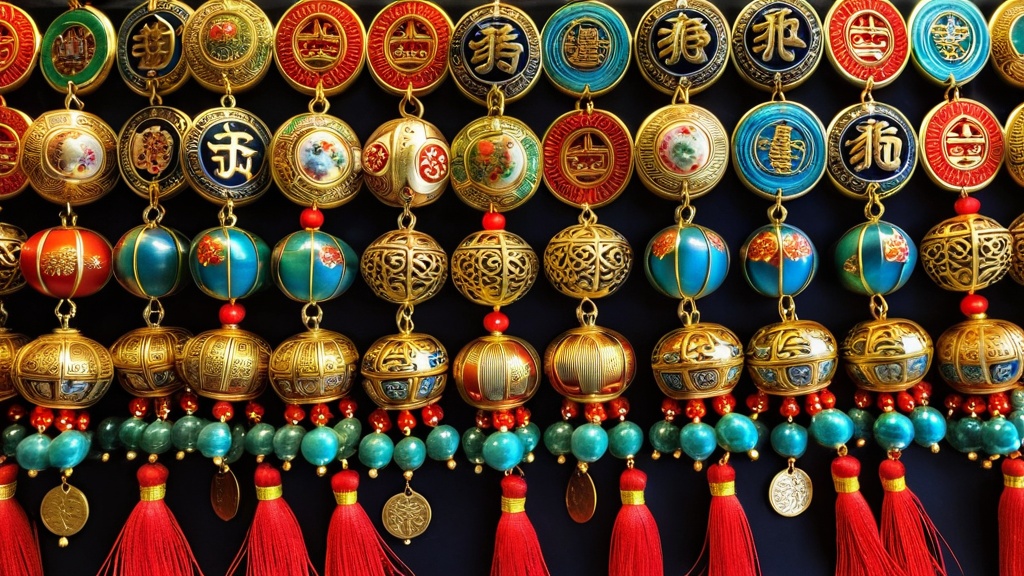
As you explore the diverse world of Chinese charms, you’ll encounter various types, each with its unique significance. One popular category is the zodiac charm, which corresponds to the twelve animals of the Chinese zodiac. For example, if you were born in the Year of the Rat, you might choose a charm featuring this animal to enhance your luck and align with your inherent traits. Each zodiac sign carries its own attributes and energies, allowing you to select a charm that resonates with your personality and aspirations.
Another fascinating type of charm is the “money frog” or “three-legged toad,” often depicted holding coins in its mouth. This charm symbolizes wealth and prosperity, making it a popular choice for those seeking financial success. You may find it interesting that many people place these charms in their homes or offices to attract abundance. Similarly, charms featuring coins or ingots are also prevalent, representing wealth and good fortune. By understanding these different types of charms and their meanings, you can make informed choices that align with your personal goals and desires.
How to Choose and Use Chinese Charms for Good Luck
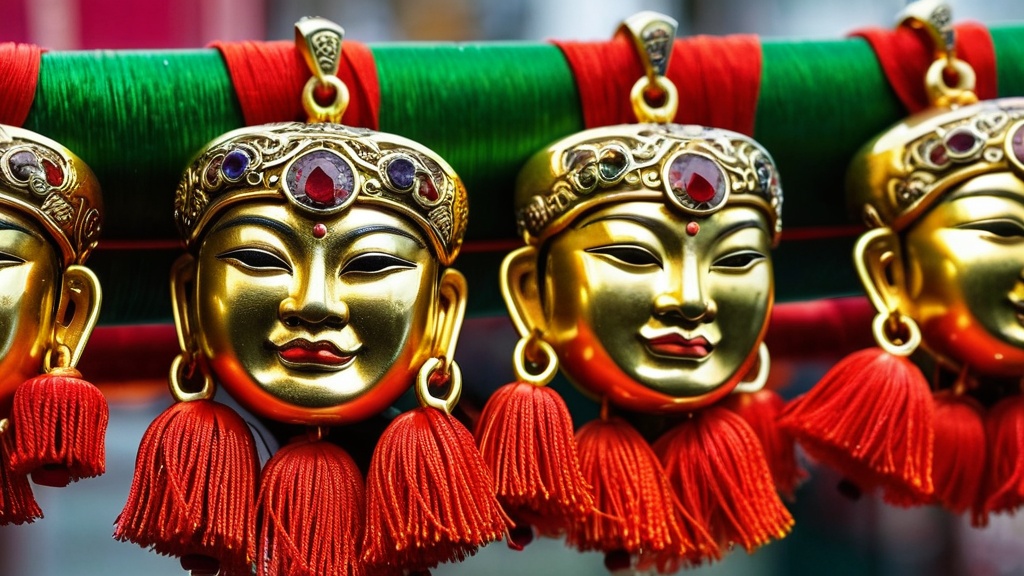
Choosing the right Chinese charm for good luck involves more than just aesthetics; it requires an understanding of your intentions and desires. When selecting a charm, take a moment to reflect on what you hope to attract into your life—be it love, success, health, or protection. You might find it helpful to consult with someone knowledgeable about Chinese culture or symbolism to guide your selection process. This way, you can ensure that the charm you choose resonates with your personal journey.
Once you’ve selected your charm, how you use it can significantly impact its effectiveness. Many people believe that charging a charm with your intentions enhances its power. You can do this by holding the charm in your hands and visualizing your desires while focusing on positive energy. Some individuals also incorporate rituals or prayers into their practice, further amplifying the charm’s potential. Whether you wear it as jewelry or keep it in your home or workspace, remember that your belief in its power plays a crucial role in manifesting good luck.
The Cultural Significance of Chinese Charms in Modern Society
| Charm Name | Description | Symbolism | Common Use | Material |
|---|---|---|---|---|
| Fu Character | Chinese character “福” meaning good fortune or happiness | Good luck, blessings, prosperity | Displayed on doors or walls during Chinese New Year | Paper, fabric, wood |
| Laughing Buddha | Figurine of a smiling, chubby Buddha | Happiness, wealth, contentment | Placed in homes or businesses for positive energy | Jade, ceramic, metal |
| Red Knot | Decorative knot made from red cord | Longevity, unity, good luck | Used as ornaments or gifts during festivals | Silk or nylon cord |
| Pi Yao (Pi Xiu) | Mythical creature charm | Wealth attraction, protection from evil | Worn as amulet or placed in homes/offices | Jade, metal, stone |
| Eight Treasures | Set of eight auspicious symbols | Prosperity, happiness, longevity | Used in jewelry, decorations, and art | Various materials including metal and jade |
In today’s fast-paced world, the cultural significance of Chinese charms remains strong despite modernization. You may notice that many people still turn to these symbols for guidance and support in their daily lives. As society becomes increasingly complex, individuals often seek comfort in traditions that connect them to their heritage. Chinese charms serve as tangible reminders of cultural identity and continuity, allowing you to embrace your roots while navigating contemporary challenges.
Moreover, the global fascination with Eastern philosophies has led to a resurgence in interest in Chinese charms among diverse populations. You might find that many non-Chinese individuals are drawn to these symbols for their aesthetic appeal or spiritual significance. This cross-cultural exchange enriches our understanding of these charms and highlights their universal themes of hope, protection, and prosperity. As you incorporate these elements into your life, you contribute to a broader appreciation of cultural diversity and shared human experiences.
The Science Behind the Power of Chinese Charms
While many people attribute the power of Chinese charms to spiritual beliefs and cultural traditions, there is also an intriguing scientific perspective worth exploring. Research in psychology suggests that belief plays a significant role in shaping our experiences and outcomes. When you carry or wear a charm imbued with positive intentions, it can serve as a psychological anchor that reinforces your mindset. This phenomenon aligns with concepts like the placebo effect—where belief in a treatment’s efficacy leads to real changes in health or well-being.
Additionally, the act of focusing on positive symbols can influence your behavior and decision-making processes. When you surround yourself with objects that represent good fortune or protection, you may find yourself more attuned to opportunities that align with those qualities. This heightened awareness can lead to increased motivation and proactive behavior in pursuing your goals. By understanding this interplay between belief and behavior, you can harness the power of Chinese charms more effectively in your life.
Stories and Legends of Chinese Charms Bringing Good Luck
Throughout history, countless stories and legends have emerged surrounding Chinese charms and their ability to bring good luck. One popular tale involves a humble farmer who discovered an ancient charm buried in his field.
After he began carrying it with him, he experienced an unprecedented series of fortunate events—his crops flourished, his livestock thrived, and he found love unexpectedly.
This story illustrates how belief in a charm’s power can transform one’s life circumstances.
Another captivating legend tells of a young scholar who struggled to pass his imperial examinations despite his hard work and dedication. In desperation, he sought out an elderly sage who gifted him a charm inscribed with auspicious symbols. With renewed confidence and focus, he approached his studies differently and ultimately succeeded in passing the exams with flying colors. This tale serves as a reminder that sometimes all we need is a little encouragement—whether from within ourselves or through external symbols—to achieve our dreams.
Incorporating Chinese Charms into Your Daily Life for Positive Energy
Incorporating Chinese charms into your daily life can be a simple yet powerful way to invite positive energy into your surroundings. You might start by selecting a few charms that resonate with your intentions—perhaps one for protection at work and another for love at home. Consider placing them strategically around your living space; for instance, hanging a charm near your front door can symbolize welcoming good fortune into your home.
Additionally, wearing charms as jewelry can serve as a constant reminder of your aspirations throughout the day. Whether it’s a bracelet adorned with auspicious symbols or a pendant featuring your zodiac animal, these pieces can help keep you grounded in positivity as you navigate life’s challenges. You may also want to create a small altar or designated space where you can display your charms along with other meaningful objects—this can become a focal point for meditation or reflection on your goals.
By consciously integrating Chinese charms into your life, you not only honor their rich cultural heritage but also empower yourself to cultivate an environment filled with hope and positivity. As you embrace these symbols’ meanings and energies, you’ll likely find that they inspire you to take action toward manifesting your dreams while fostering a deeper connection to both yourself and the world around you.
FAQs
What are Chinese charms for good luck?
Chinese charms for good luck are traditional amulets or talismans believed to bring fortune, protection, and positive energy to the owner. They often feature symbols, characters, or images rooted in Chinese culture and folklore.
What symbols are commonly found on Chinese good luck charms?
Common symbols include the Fu character (福) meaning fortune or happiness, the dragon representing power and strength, the phoenix symbolizing renewal, the koi fish for perseverance, and the number eight, which is considered very auspicious in Chinese culture.
How are Chinese good luck charms typically used?
These charms are often worn as jewelry, hung in homes or businesses, or carried in wallets or bags. They are used to attract good fortune, ward off negative energy, and enhance prosperity and health.
Are Chinese good luck charms connected to any specific festivals or traditions?
Yes, many Chinese good luck charms are especially popular during the Lunar New Year, when people seek to invite prosperity and happiness for the coming year. They are also used in weddings, births, and other significant life events.
Can anyone use Chinese good luck charms, or are they specific to Chinese culture?
While Chinese good luck charms originate from Chinese culture and traditions, people from all backgrounds can use and appreciate them. They are often embraced worldwide for their symbolic meanings and aesthetic appeal.