Hold it for a moment and then exhale. Do you feel more relaxed? Breathing exercises are one way to relax. Learn how to relax your body and mind here. Being relaxed can help relieve stress.
It can also relieve anxiety, depression and sleep problems. Chronic stress can be harmful to your body and mind. It can increase the risk of health problems such as high blood pressure, stomach aches, headaches, anxiety and depression. Using relaxation techniques can help you feel calm.
These exercises can also help you manage stress and relieve the effects of stress on your body. Many people swear by exercise to reduce stress in their daily lives. The thought of exercising may not sound particularly calming, but rhythmic exercises that put you into a flow of repetitive movements can bring about the relaxation response. The longer and the more frequently you practise these relaxation techniques, the greater the benefits and the more you can reduce stress.
Some of the studies discussed in this fact sheet compare relaxation techniques with cognitive behavioural therapy. Sometimes it takes time and practice to get the full benefits of relaxation techniques like meditation. Relaxation techniques can help with pain after surgery, headaches, lower back pain and arthritis-related pain. However, if you are not normally active, have health problems or suffer from a painful or disabling condition, these relaxation techniques may be too much of a challenge.
This holiday season alone, millions of people will turn to HelpGuide for free mental health advice and support. One way is to elicit the relaxation response, using a technique first developed at Harvard Medical School in the 1970s by cardiologist Dr J H H. Relaxation has many benefits for mental and physical health, and the techniques can be used almost anywhere.
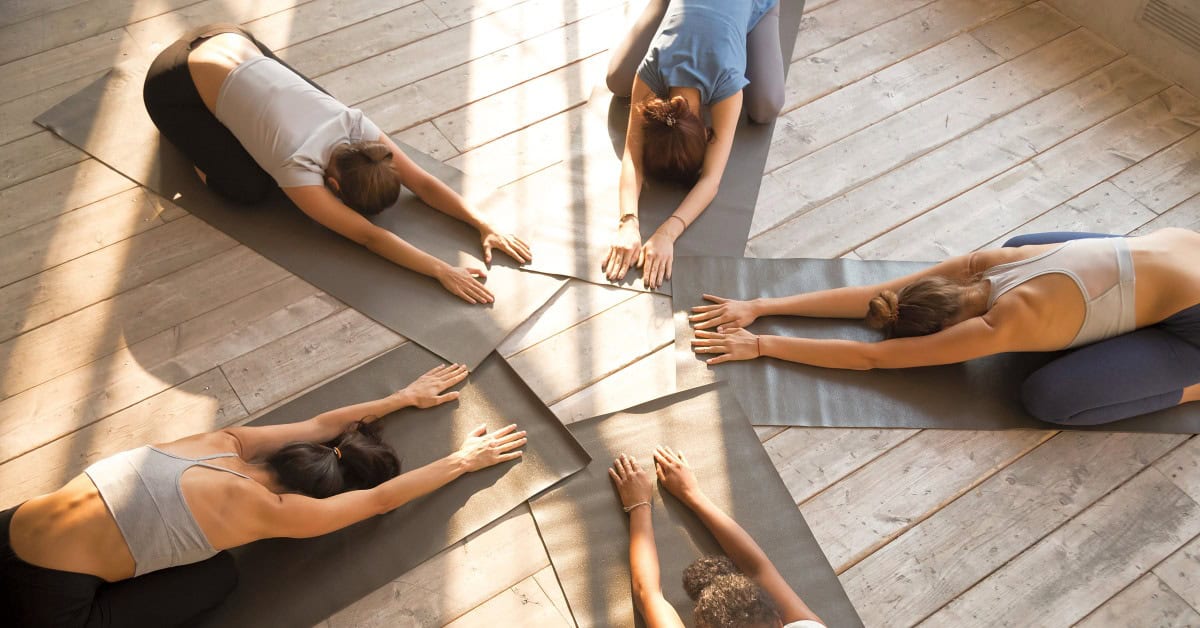
Rather, it is about activating the body’s natural relaxation response, a state of deep calm that slows stress, slows breathing and heart rate, lowers blood pressure and rebalances body and mind. Although almost all yoga classes end with a relaxation pose, classes that emphasise slow, steady movement, deep breathing and gentle stretching are best for stress relief. Below are six relaxation techniques that can help you elicit the relaxation response and reduce stress. Some relaxation techniques can help children and young people with pain, anxiety and depression, headaches or difficulties with needles.
If you master some relaxation exercises, you can use them anytime and anywhere during the day.