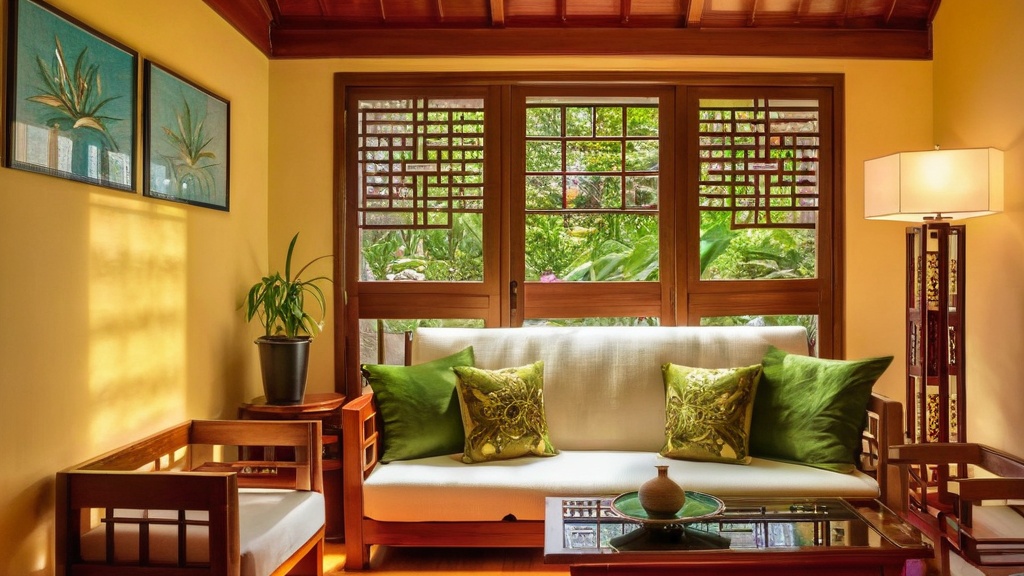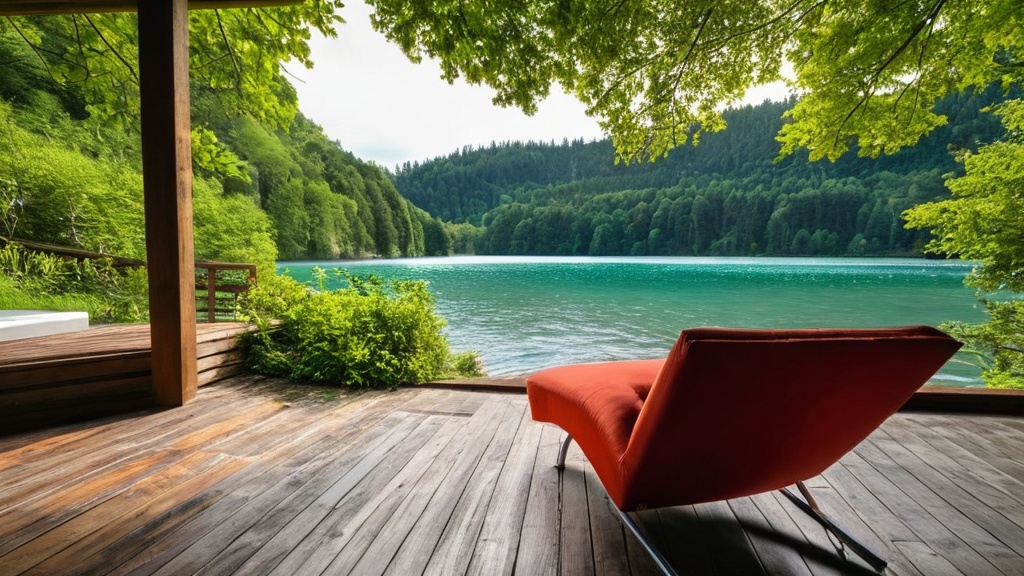
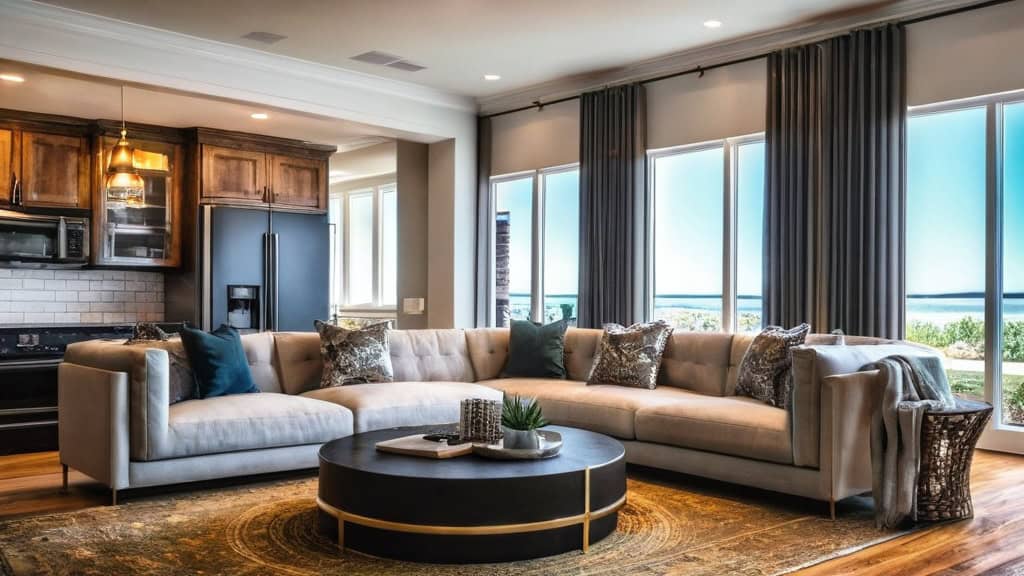
In recent years, incorporating natural elements into home design has become increasingly popular. Modern interior design now frequently features natural materials and elements, creating spaces that are both aesthetically pleasing and psychologically beneficial. Research demonstrates that natural elements in living spaces can reduce stress, improve mood, and enhance overall well-being.
Natural design connects indoor spaces with outdoor environments through specific design strategies. Common methods include incorporating houseplants, using natural materials such as wood and stone, and maximizing natural light through windows and skylights. These elements work together to create environments that support physical health and mental clarity.
The effectiveness of natural design stems from its ability to reduce stress and create a sense of calm. Studies show that exposure to natural elements indoors can lower cortisol levels, improve air quality through plants, and create more restorative living spaces. By strategically integrating plants, natural materials, and adequate lighting, homeowners can create functional spaces that support both aesthetic goals and health objectives.
Key Takeaways
- Integrate plants and greenery to enhance indoor air quality and aesthetics.
- Use natural materials like wood and stone to add warmth and texture.
- Maximize natural light and outdoor views to create an open, airy feel.
- Include indoor water features to promote relaxation and tranquility.
- Balance earthy colors and outdoor-inspired decor for a cohesive design.
Incorporating Plants and Greenery into Interior Spaces
One of the most effective ways to bring nature indoors is by incorporating plants and greenery into your interior spaces. You might start by selecting a variety of houseplants that suit your lifestyle and aesthetic preferences. From low-maintenance succulents to lush ferns, there is a plant for every type of home and every level of care you are willing to provide.
Not only do these plants enhance the visual appeal of your space, but they also improve air quality and create a calming atmosphere. Consider placing plants in strategic locations throughout your home. For instance, a tall potted plant can serve as a stunning focal point in a living room, while smaller plants can be grouped on shelves or windowsills to create a layered effect.
You may also want to explore vertical gardens or hanging planters if you are short on floor space. By thoughtfully integrating greenery into your design, you can cultivate a vibrant environment that fosters relaxation and rejuvenation.
Using Natural Materials such as Wood and Stone in Home Decor
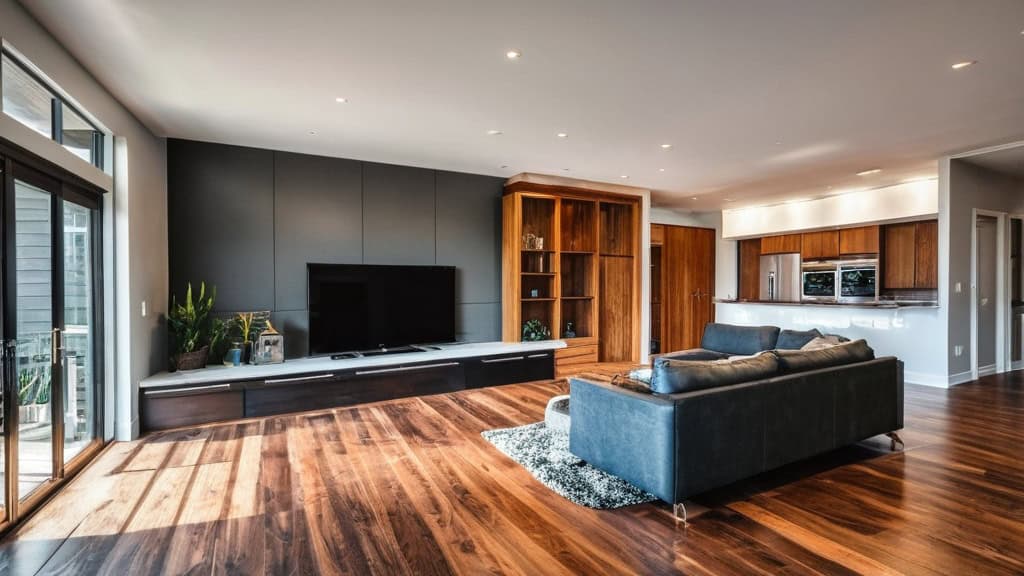
Natural materials like wood and stone play a crucial role in creating a warm and inviting atmosphere in your home. When you choose to incorporate these elements, you are not only enhancing the aesthetic appeal of your space but also adding texture and depth. Wood, with its rich grains and warm tones, can be used in various applications, from flooring to furniture to decorative accents.
You might consider reclaimed wood for a rustic touch or sleek hardwood for a more contemporary look. Stone, on the other hand, brings an earthy quality that can ground your design. Whether you opt for a stunning marble countertop in the kitchen or a rugged stone fireplace in the living room, these materials can create a sense of permanence and stability.
As you select natural materials for your home decor, think about how they can complement each other and contribute to an overall cohesive design. The combination of wood and stone can evoke a sense of harmony that resonates throughout your living spaces.
Bringing in Natural Light and Views from the Outdoors
Natural light is one of the most powerful elements you can incorporate into your home design. It not only brightens your space but also enhances your mood and well-being. You may want to consider large windows or sliding glass doors that open up to outdoor views, allowing sunlight to flood your interiors.
Skylights are another excellent option for bringing in light from above, especially in areas where traditional windows may not be feasible. In addition to maximizing natural light, framing views of the outdoors can create a seamless connection between your indoor and outdoor spaces. You might choose to position furniture in a way that encourages you to enjoy the scenery outside or use window treatments that allow for flexibility in controlling light while still showcasing beautiful views.
By prioritizing natural light and outdoor vistas, you can create an uplifting environment that feels expansive and connected to nature.
Creating Indoor Water Features for a Tranquil Atmosphere
| Natural Element | Common Use in Home Design | Benefits | Typical Materials | Impact on Ambiance |
|---|---|---|---|---|
| Wood | Flooring, furniture, wall paneling | Warmth, durability, natural texture | Oak, pine, walnut, bamboo | Cozy, inviting, organic feel |
| Stone | Countertops, fireplaces, accent walls | Strength, longevity, natural beauty | Granite, marble, slate, limestone | Elegant, timeless, grounding |
| Plants | Indoor greenery, vertical gardens, terrariums | Improved air quality, stress reduction | Ferns, succulents, palms, ivy | Fresh, lively, calming |
| Water | Indoor fountains, aquariums, water features | Relaxation, humidity control, sound masking | Natural stone basins, glass aquariums | Tranquil, soothing, peaceful |
| Natural Light | Large windows, skylights, glass doors | Energy savings, mood enhancement | Glass, open layouts | Bright, airy, uplifting |
| Natural Fibers | Rugs, upholstery, curtains | Breathability, sustainability | Cotton, wool, jute, linen | Soft, textured, eco-friendly |
Water features can add an element of serenity to your home design, creating a tranquil atmosphere that soothes the senses. You might consider incorporating a small indoor fountain or a wall-mounted water feature that gently trickles water, providing both visual interest and calming sounds. The presence of water can evoke feelings of peace and relaxation, making it an ideal addition to spaces like living rooms or meditation areas.
The gentle movement of water can create a dynamic element within your home while promoting a sense of harmony with nature. As you design your indoor water feature, think about how it can enhance your overall aesthetic while providing a soothing backdrop for daily life.
Utilizing Earthy Colors and Textures in Home Design
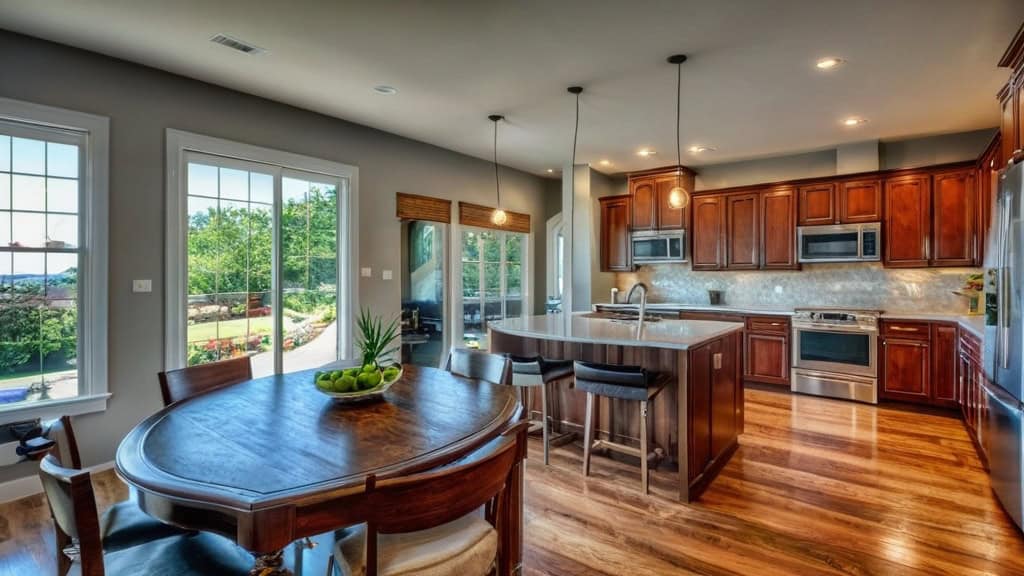
The colors and textures you choose for your home can significantly impact its overall ambiance. Earthy tones—such as browns, greens, and soft neutrals—can evoke feelings of warmth and comfort while connecting you to the natural world. You might consider painting walls in soft taupes or muted greens to create a calming backdrop for your decor.
These colors can serve as a canvas for showcasing natural materials like wood and stone. Textures also play an essential role in creating depth within your design. You may want to incorporate woven textiles, such as jute rugs or linen curtains, which add warmth and tactile interest to your space.
Layering different textures—like pairing smooth wooden furniture with plush cushions—can create a cozy atmosphere that invites relaxation. By thoughtfully selecting earthy colors and textures, you can cultivate an environment that feels grounded and harmonious.
Incorporating Outdoor-Inspired Art and Decor
Art and decor inspired by the outdoors can further enhance the natural elements within your home design. You might consider selecting artwork that features landscapes, botanical themes, or wildlife to bring the beauty of nature indoors. These pieces can serve as conversation starters while reinforcing the connection between your living space and the natural world outside.
In addition to traditional artwork, you could explore incorporating decorative items made from natural materials—such as driftwood sculptures or stone accents—that echo the beauty of nature. Textiles featuring botanical prints or earthy patterns can also add visual interest while maintaining the theme of natural inspiration. By curating outdoor-inspired art and decor, you can create an environment that celebrates nature’s beauty while reflecting your personal style.
Tips for Maintaining a Harmonious Balance between Indoor and Outdoor Spaces
Achieving a harmonious balance between indoor and outdoor spaces is essential for creating a cohesive home design that feels connected to nature. One effective strategy is to ensure that your outdoor areas are just as inviting as your indoor spaces. You might consider adding comfortable seating, outdoor rugs, or decorative lighting to create an inviting atmosphere on patios or balconies.
Another important aspect is to maintain continuity in design elements between the two spaces. You could use similar color palettes or materials both indoors and outdoors to create a seamless transition. For instance, if you have wooden furniture inside, consider using similar wood finishes for outdoor seating or decking.
By thoughtfully designing both indoor and outdoor areas with complementary elements, you can foster a sense of unity that enhances your overall living experience. In conclusion, incorporating natural elements into home design is not just about aesthetics; it’s about creating spaces that nurture well-being and foster connections with nature.
As you embark on this journey of design, remember that each choice contributes to an environment that supports relaxation, rejuvenation, and harmony with the world around you.
Incorporating natural elements into home design can significantly enhance the overall ambiance and promote a sense of tranquility. For those looking to create a serene environment, exploring the benefits of guided meditation can be a great addition to your home space. You can learn more about this practice and how it contributes to ultimate relaxation at home in the article What Guided Meditation Brings: Ultimate Relaxation at Home.
FAQs
What are natural elements in home design?
Natural elements in home design refer to materials and features derived from nature, such as wood, stone, plants, water, and natural light, incorporated into interior and exterior spaces to create a harmonious and organic environment.
Why should I incorporate natural elements into my home design?
Incorporating natural elements can improve indoor air quality, enhance aesthetic appeal, promote relaxation and well-being, and create a connection between indoor spaces and the outdoors.
What are common natural materials used in home design?
Common natural materials include wood, stone, bamboo, cork, clay, wool, cotton, leather, and natural fibers, all of which add texture, warmth, and authenticity to a space.
How can plants be used as natural elements in home design?
Plants can be used as decorative accents, living walls, indoor gardens, or air purifiers. They add color, texture, and life to interiors while improving air quality and creating a calming atmosphere.
Can natural light be considered a natural element in home design?
Yes, natural light is a key natural element. Designing spaces to maximize sunlight through windows, skylights, and open layouts enhances mood, reduces energy consumption, and highlights other natural materials.
Are natural elements suitable for all interior design styles?
Natural elements can complement a wide range of styles, including rustic, modern, minimalist, Scandinavian, and bohemian. They add warmth and texture that can balance various design aesthetics.
How do natural elements impact sustainability in home design?
Using natural, renewable, and locally sourced materials reduces environmental impact. Natural elements often require less processing and can be more durable, contributing to sustainable and eco-friendly home design.
What are some tips for integrating natural elements into small spaces?
Use light-colored wood, incorporate plants in vertical or hanging arrangements, maximize natural light with mirrors and sheer curtains, and choose natural textiles for upholstery and decor to create an open and inviting atmosphere.
How can water be incorporated as a natural element in home design?
Water features such as indoor fountains, aquariums, or small ponds can add tranquility and a soothing ambiance. Reflective surfaces like glass or mirrors can also mimic the calming effect of water.
Are there any maintenance considerations when using natural elements in home design?
Yes, natural materials may require specific care, such as sealing wood to prevent damage, regular watering and pruning of plants, and cleaning stone surfaces properly. Proper maintenance ensures longevity and preserves their natural beauty.