
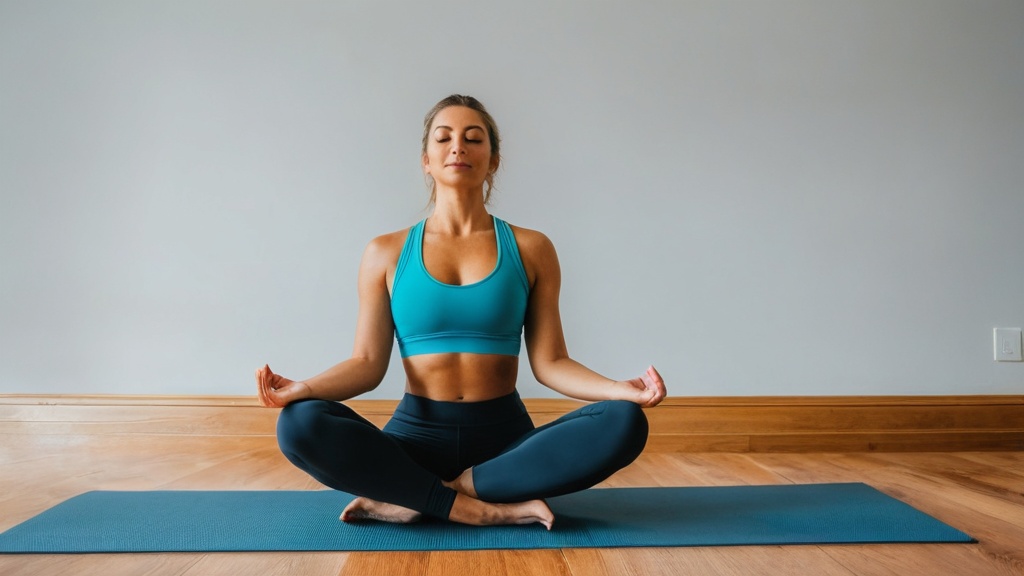
In the whirlwind of modern life, your mind often feels like a browser with too many tabs open – constantly processing, often overwhelmed. You yearn for a sense of calm, a moment to breathe, a way to quiet the incessant chatter. You’ve heard the whispers, seen the serene faces, and perhaps even considered it yourself: yoga. But with so many styles and promises, how do you choose the best yoga for your mental well-being? This guide is for you, designed to help you navigate the landscape of yoga and find the practice that truly nourishes your mind.
Understanding the Yoga-Mental Health Connection
Before you even step on a mat, it’s crucial to understand why yoga works. It’s not just about flexibility or striking impressive poses; it’s a holistic practice that integrates mind, body, and spirit. You engage in physical postures (asanas), breathing exercises (pranayama), and meditation, all of which contribute to a profound sense of mental well-being.
The Science of Serenity
You might wonder, what’s happening at a physiological level? When you practice yoga, you’re actively engaging your parasympathetic nervous system – your body’s “rest and digest” system. This contrasts with the sympathetic nervous system, your “fight or flight” response, which is often overactive in times of stress and anxiety. By activating your parasympathetic nervous system through controlled breathing and mindful movement, you effectively lower your heart rate, reduce muscle tension, and decrease the production of stress hormones like cortisol. This shift is crucial for mitigating feelings of anxiety and depression.
Beyond the Mat: Long-Term Impacts
The benefits of yoga extend far beyond the immediate post-practice calm. Regular practice trains your mind to be more present and less reactive. You develop a greater awareness of your thoughts and emotions, allowing you to observe them without judgment rather than being swept away by them. This enhanced self-awareness is a cornerstone of good mental health, empowering you to better manage life’s challenges. You’ll find yourself less easily irritated, more resilient in the face of setbacks, and generally more at peace.
Exploring Effective Yoga Styles for Mental Well-being
With a growing body of research, you now have clear guidance on which yoga styles are particularly potent for improving mental health. It’s not a one-size-fits-all, but you can certainly narrow down your choices based on your specific needs and preferences.
Kundalini Yoga: Boosting Brain Power and Battling Decline
If you’re looking for a practice that goes beyond stress reduction and actively supports your cognitive functions, Kundalini yoga might be your ideal match. Recent findings specifically highlight its potential to enhance cognitive benefits and even help prevent dementia by maintaining brain health and counteracting cognitive decline.
The Kriyas and Cognitive Clarity
Kundalini yoga often involves specific sets of exercises called “kriyas,” which combine physical postures, breathing techniques, chanting, and meditation in precise sequences. These kriyas are designed to awaken and circulate energy (kundalini) within your body, leading to profound mental and spiritual experiences. For your brain health, the combination of intricate postures, focused breathing, and meditative elements provides a multifaceted workout for your mind, improving concentration, memory, and executive function. You’ll notice an enhanced ability to focus and a greater sense of mental sharpness.
Meditation at its Core
A significant aspect of Kundalini yoga is its strong emphasis on meditation. You’ll often spend considerable time in seated meditation, sometimes with specific breath patterns or mantras. This meditative component is key to its positive impact on cognitive function, as meditation itself has been shown to alter brain structure and function in ways that enhance cognitive abilities and emotional regulation.
Sudarshan Kriya Yoga (SKY): A Breath of Fresh Air for Stress and Connection
If you’re feeling overwhelmed by stress and a sense of isolation, Sudarshan Kriya Yoga (SKY) offers a powerful and scientifically validated solution. This unique breathing-based practice has a profound impact on your stress levels and your ability to connect with others.
The Rhythmic Breath of Relief
The core of SKY is its rhythmic breathing technique, which involves specific cycles of slow, medium, and fast breaths. This controlled breathing directly influences your autonomic nervous system, rapidly shifting you from a state of stress to one of calm. You’ll find that even a single session can bring immediate relief from anxiety. Research shows that SKY significantly reduces stress, and these benefits continue to deepen and improve with regular practice, leading to a sustained sense of peace.
Fostering Social Bonds
Beyond individual stress reduction, SKY also dramatically increases social connectedness. The practice is often done in groups, creating a shared experience of calm and vulnerability. This communal aspect, combined with the inner peace you cultivate, makes you more open and empathetic towards others. You’ll find yourself feeling less isolated and more a part of a larger community, which is a vital factor in overall mental well-being.
Isha Yoga: Cultivating Calm and Boosting Well-being
For those seeking a comprehensive system that promotes deep relaxation, mental clarity, and an elevated sense of well-being, Isha Yoga stands out. It emphasizes inner exploration and offers tools to achieve profound states of peace.
From Stress to Serenity
Isha Yoga practices are designed to systematically reduce mental distress and elevate your overall well-being. Studies have shown that practitioners of Isha Yoga experience notably lower stress and mental distress levels compared to non-practitioners, along with significantly higher levels of well-being. This isn’t just about feeling better; it’s about a fundamental shift in your internal state.
Holistic Approach to Inner Engineering
Isha Yoga is often presented as a path of “Inner Engineering,” providing you with practical tools to manage your body, mind, emotions, and energy. Through specific meditation techniques, breathing practices, and simple yet powerful postures, you learn to harmonize these different aspects of yourself. This holistic approach ensures that the benefits you experience are deep-seated and sustainable, transforming your relationship with yourself and the world around you.
Emphasizing the Power of Breath-Work and Meditation
While all yoga involves some degree of breath awareness, specific styles and approaches truly maximize the mental health benefits by spotlighting pranayama (breathing techniques) and meditation. This is where you’ll find the strongest evidence for transformative change.
Breath: Your Secret Weapon Against Anxiety and Depression
You might underestimate the power of your breath, but it is one of the most direct pathways to influencing your nervous system. Yoga styles that heavily incorporate breathing techniques are particularly effective for addressing anxiety, depression, and PTSD.
Activating the Parasympathetic Response
Deep, slow, and controlled breathing sends signals to your brain that you are safe, allowing your parasympathetic nervous system to take over. This is why practices like diaphragmatic breathing (belly breathing), alternate nostril breathing (Nadi Shodhana), and coherent breathing (equal inhale and exhale) are so potent. You’re not just taking air in; you’re actively recalibrating your body’s stress response. You’ll find your heart rate slows, your blood pressure stabilizes, and your mind begins to quiet.
Beyond Simple Relaxation: Lasting Effects
It’s important to note that yoga with breath-work doesn’t just offer temporary relaxation; it creates lasting changes. Research indicates that
yoga outperforms other relaxation techniques, such as massage, music therapy, and progressive muscle relaxation, when it comes to long-lasting effects on depression and anxiety, especially in older adults. This suggests that the combination of postures and conscious breathing creates a deeper, more enduring shift in your mental and emotional landscape.
Meditation: The Core of Mental Transformation
You’ll discover that virtually any yoga practice geared for mental health will have a strong meditative component. Meditation-based yoga interventions, in particular, show the strongest evidence for mental health benefits compared to other approaches.
Cultivating Mindfulness
Meditation in yoga often involves cultivating mindfulness – paying attention to the present moment without judgment. This can be achieved through focusing on your breath, bodily sensations, or even specific sounds or mantras. By regularly practicing mindfulness, you train your brain to be less reactive to negative thoughts and emotions. You learn to observe your thoughts as fleeting phenomena rather than getting entangled in them, leading to a greater sense of inner peace and emotional regulation.
Different Meditative Approaches
Within yoga, meditation can take many forms:
- Sitting Meditation: This is the classic image of meditation, where you sit comfortably and focus your attention.
- Walking Meditation: Mindfully paying attention to each step, the sensations in your feet, and your surroundings.
- Movement-based Meditation: Practices like slow, flowing Vinyasa or Tai Chi can be meditative in themselves, where the focus on movement becomes a form of moving meditation.
- Yoga Nidra (Yogic Sleep): A guided meditation practice that systematically relaxes your body and mind, leading to a profound state of rest and awareness. This is particularly effective for anxiety and insomnia.
Tailoring Yoga for Specific Mental Health Conditions
Understanding that yoga is not a generic cure-all but a powerful therapeutic tool, you can target specific conditions with a tailored approach. The evidence is robust for yoga aiding a wide range of mental health challenges.
Depression and Anxiety: Finding Your Inner Anchor
If you grapple with depression or anxiety, yoga offers a powerful pathway to managing symptoms and fostering resilience. The combination of physical movement, breath-work, and mindfulness directly addresses the physiological and psychological aspects of these conditions.
Rebalancing Neurotransmitters
Regular yoga practice has been shown to influence the production of neurotransmitters that regulate mood, such as serotonin, GABA, and dopamine. By elevating these “feel-good” chemicals, you can experience a natural uplift in mood and a reduction in anxious thoughts.
Building Emotional Regulation Skills
You’ll learn to observe your feelings without being consumed by them, gradually developing a greater capacity for emotional regulation. This means when surges of anxiety or sadness arise, you have a toolkit of techniques – from specific breathing patterns to mindful awareness – to navigate them more effectively.
PTSD: Healing Trauma Through Embodiment
For individuals living with Post-Traumatic Stress Disorder (PTSD), yoga can be incredibly therapeutic. Trauma often leaves individuals feeling disconnected from their bodies, and yoga provides a safe and gentle way to reintegrate body and mind.
Grounding and Presence
Yoga encourages you to be present in your body, focusing on sensations and movement. This grounding effect can be vital for those with PTSD who often experience dissociation or a feeling of being unsafe in their own skin. Trauma-informed yoga teachers are trained to create a safe space, offering choices and modifications to empower practice without triggering past traumatic experiences.
Regulating the Nervous System
As discussed, targeted breathing techniques are especially powerful for PTSD. By consistently activating your parasympathetic nervous system, yoga helps to dial down the hyper-vigilance and ‘fight-or-flight’ response that are hallmarks of PTSD. Over time, you can effectively re-pattern your nervous system.
ADHD: Cultivating Focus and Calm
If you experience ADHD, the challenges of sustained attention and hyperactivity can be significant. Yoga, particularly practices that emphasize mindfulness and breath control, can be a valuable tool.
Sharpening Focus
Yoga requires you to bring your attention to your body, your breath, and your movements. This sustained focus acts as a gentle yet effective training for your attention span. Practices that involve balancing postures or intricate sequences can be particularly beneficial in developing sustained concentration.
Quieting the Busy Mind
The meditative aspects of yoga, especially practices that encourage observing thoughts without judgment, help to quiet the internal chatter often associated with ADHD. You learn to create mental space, reducing impulsivity and increasing self-awareness.
Schizophrenia and Dementia: Supportive and Accessible Practices
Even for more complex conditions like schizophrenia and dementia, yoga offers significant benefits, particularly when programs are designed with accessibility and simplicity in mind.
For Schizophrenia: Reducing Symptoms and Improving Well-being
Studies suggest that yoga can help reduce the severity of symptoms in individuals with schizophrenia, improve cognitive function, and enhance overall well-being. The structured nature of yoga, combined with its calming effects, can provide a sense of control and stability.
For Dementia: Cognitive Preservation and Emotional Support
For older adults, particularly those with cognitive impairment or dementia-related mental health symptoms, yoga can play a crucial role. Kundalini yoga, for instance, has shown promise in offsetting cognitive decline. The key here is to opt for shorter, simpler programs that are easier to follow and less overwhelming. Practices that incorporate caregiver involvement and technological reminders (like visual cues or simple audio instructions) improve outcomes, making the practice more accessible and engaging. The gentle movements and breathing exercises can also alleviate anxiety and improve mood, enhancing quality of life.
Finding Your Fit: Practical Considerations
Now that you understand the powerful scientific backing and the variety of effective yoga styles, how do you actually start your journey? You’ll want to consider your personal preferences, physical limitations, and what truly resonates with your inner self.
The Importance of a Qualified Instructor
Regardless of the style you choose, the quality of instruction is paramount. A good teacher will guide you safely through postures, offer modifications, and help you deepen your understanding of the philosophical and breath-work aspects of yoga. For mental health, specifically, look for instructors who are trauma-informed or have experience working with mental health clients. They will create a supportive environment where you feel safe and empowered. Don’t be afraid to try a few different classes or studios until you find a teacher whose style and demeanor truly click with you.
Starting Small and Being Consistent
You don’t need to commit to an hour-long practice every day from the outset. In fact, starting with shorter, simpler programs often yields better results, especially if you’re new to yoga or have specific challenges. Even 15-20 minutes of conscious breathing and gentle movement a few times a week can make a significant difference. Consistency is far more important than intensity. Think of it as a sustained investment in your mental well-being, rather than a crash course.
Listen to Your Body and Mind
Yoga is a deeply personal practice. What works for one person might not work for another. Pay close attention to how different styles and sequences make you feel, both physically and mentally. If a particular posture feels uncomfortable or creates anxiety, don’t push yourself. The goal is to cultivate a sense of inner peace, not to achieve perfect poses. Your yoga journey is about self-discovery and honoring your unique needs.
Integrating Yoga into Your Daily Life
Ultimately, the goal is to weave the principles of yoga – mindfulness, conscious breathing, and self-awareness – into your everyday life. The calmness you cultivate on the mat can extend to your interactions, your work, and your moments of solitude. You’ll find yourself pausing to take a conscious breath before reacting, observing your thoughts with less judgment, and approaching challenges with a greater sense of equanimity. Your yoga practice becomes a powerful tool, not just for your mental health, but for living a more balanced, peaceful, and present life. Unroll your mat, breathe deep, and discover the profound transformation awaiting your mental well-being.
FAQs
What are the different types of yoga that can benefit mental health?
There are several types of yoga that can benefit mental health, including Hatha yoga, Vinyasa yoga, Kundalini yoga, and Yin yoga. Each type offers unique benefits for mental well-being.
How does yoga benefit mental health?
Yoga can benefit mental health by reducing stress, anxiety, and depression. It can also improve mood, increase mindfulness, and promote relaxation. The combination of physical movement, breathwork, and meditation in yoga can have a positive impact on mental well-being.
Which type of yoga is best for reducing stress and anxiety?
Yin yoga and Kundalini yoga are often recommended for reducing stress and anxiety. Yin yoga involves holding passive poses for an extended period, which can help release tension and calm the nervous system. Kundalini yoga incorporates breathwork, meditation, and dynamic movements to reduce stress and anxiety.
Is there a specific type of yoga that can help with depression?
Vinyasa yoga, which focuses on linking breath with movement, can be beneficial for managing depression. The flowing sequences and emphasis on breath can help elevate mood and increase energy levels, which can be particularly helpful for individuals dealing with depression.
Can yoga be used as a complementary treatment for mental health conditions?
Yes, yoga can be used as a complementary treatment for mental health conditions. It is often used in conjunction with traditional therapy and medication to support overall mental well-being. However, it is important to consult with a healthcare professional before using yoga as a sole treatment for mental health conditions.