
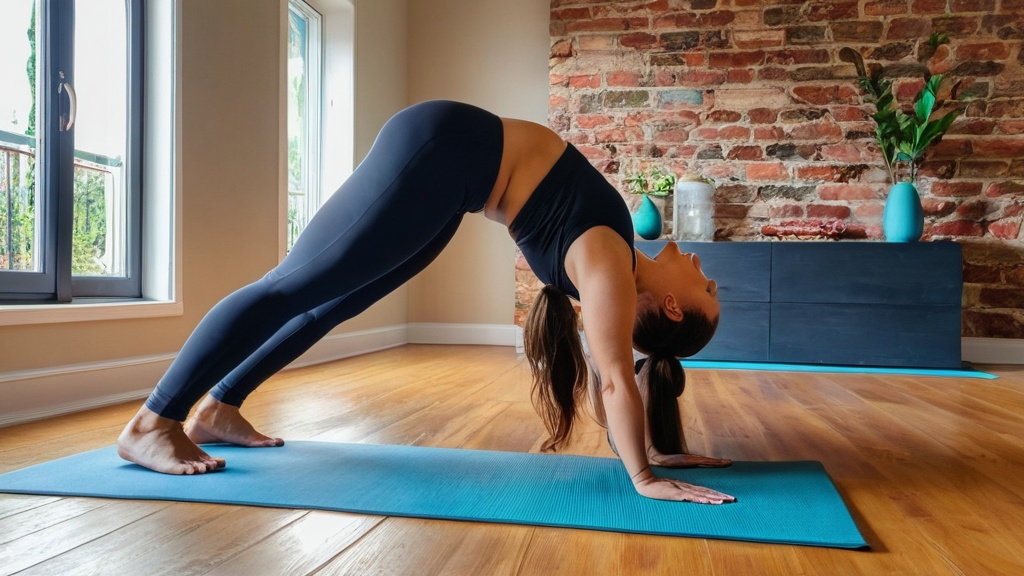
You’re looking for a sanctuary, a pocket of calm in the relentless hum of modern life. The demands of work, relationships, and the sheer constant go-go-go can leave you feeling frayed, like a marionette with tangled strings. You’ve tried things, perhaps. A brisk walk, a good book, maybe even a session with a therapist. But there’s a persistent whisper, a gnawing sense of unease that you can’t quite shake. And then you hear it, a gentle suggestion, almost an invitation: yoga, at home. It might sound like just another trend, another thing to add to your already overflowing to-do list. But what if it’s more? What if it’s a potent, accessible, and deeply personal solution to the mental well-being challenges you’re facing? What if, with just a mat and a little space, you can unlock a profound sense of peace and resilience?
The Unseen Weight: Understanding Your Mental Landscape
You feel it, don’t you? That subtle but pervasive pressure. It’s the accumulation of stress, the constant barrage of information, the anxieties that slither in during quiet moments. You might experience it as a persistent low-grade worry, a feeling of being overwhelmed, or a general lack of joy. It’s easy to dismiss these feelings, to push them aside and tell yourself you’re just “stressed” or “tired.” But these aren’t just fleeting moods; they are signals from your body and mind that something needs attention.
The Erosion of Inner Peace
- The Constant Connectivity Paradox: You live in an era of unprecedented connection, yet paradoxically, many feel more isolated than ever. The curated perfection of social media can fuel feelings of inadequacy, while the never-ending stream of notifications can hijack your attention and create a sense of perpetual distraction. This constant digital engagement, while offering convenience, can chip away at your ability to be present and find genuine peace within yourself.
- The Burden of Modern Expectations: The pressure to succeed, to always be productive, to juggle multiple responsibilities – it’s a heavy load to carry. You might feel like you’re constantly running on a treadmill, never quite reaching your destination, always striving for an elusive standard. This relentless pursuit can lead to burnout, anxiety, and a deep-seated feeling of not being “good enough.”
- Unprocessed Emotions as Baggage: Life inevitably brings its share of challenges, disappointments, and losses. Without healthy outlets for processing these experiences, emotions can become like heavy baggage you carry around. This unseen weight can manifest as irritability, fatigue, difficulty sleeping, and a general sense of being weighed down.
Yoga’s Whisper: A Gentle Recalibration
You might picture yoga as pretzel-like poses and hushed studios filled with impossibly flexible people. But the reality, especially when you bring it into your own home, is far more accessible and adaptable. Yoga, at its core, is about connecting your body, breath, and mind. It’s a practice that invites you to slow down, to tune in, and to cultivate a deeper understanding of your own inner landscape. And for you, right now, it can be a powerful antidote to the mental clutter.
The Science-Backed Sanctuary
- The Neurochemical Shift: Yoga isn’t just about feeling good in the moment; it actively influences your brain chemistry. Studies, like those emerging from Australia in March 2026, highlight how even home-based yoga practice can significantly reduce cortisol, your body’s primary stress hormone. Simultaneously, it boosts mood-enhancing neurotransmitters like serotonin and GABA. This isn’t just anecdotal; it’s a measurable shift towards a more balanced and positive mental state. Think of it as consciously recalibrating your internal chemistry, moving away from a state of alarm and towards one of well-being.
- Cortisol and the Chronic Stress Cycle: You likely know the feeling of being constantly “on edge.” This is often linked to elevated cortisol levels, a natural response to stress. However, chronic stress keeps cortisol high, leading to a cascade of negative effects on your mental and physical health, including anxiety, depression, and impaired cognitive function. Yoga, through its gentle movements and mindful breathing, helps to interrupt this cycle, signaling to your nervous system that it’s safe to relax and release tension.
- The Power of Serotonin and GABA: Serotonin is often dubbed the “feel-good” neurotransmitter, playing a crucial role in mood regulation, sleep, and appetite. GABA (gamma-aminobutyric acid) is an inhibitory neurotransmitter that calms the nervous system, reducing feelings of anxiety and promoting relaxation. By engaging in yoga, you are actively supporting the production and release of these vital compounds, fostering a more stable and positive emotional foundation.
Unrolling Your Mat: Setting the Stage for Home Practice
The beauty of yoga at home lies in its simplicity and its inherent adaptability to your needs. You don’t need a dedicated yoga studio or expensive equipment. All you truly need is a willingness to show up for yourself, a small space, and a quiet intention. This is your personal retreat, a place where you can nurture your mental well-being without external pressures or judgments.
Creating Your Sacred Space
- The Power of “Just Enough” Space: You don’t need a sprawling room. A corner of your living room, your bedroom, or even a quiet spot on a balcony can be transformed into your yoga sanctuary. The key is to find a place where you feel safe, comfortable, and free from distractions. Clear away clutter, both physical and mental, to create an atmosphere of calm.
- Essential Tools for Your Journey: Your most crucial tool is your mat. It provides a stable surface and a defined boundary for your practice. Beyond that, consider soft lighting – a lamp or candlelight can set a soothing mood. Perhaps a comfortable cushion for seated meditation or a cozy blanket for Savasana (final relaxation). The goal is to create an environment that signals relaxation and self-care.
- The Gift of Time: Scheduling Your Solace: Life is busy, you know. But even ten to fifteen minutes of dedicated practice can make a difference. Treat your yoga time with the same respect you would a doctor’s appointment or an important meeting. Schedule it into your day, and protect that time fiercely. It’s not a luxury; it’s a necessity for your mental resilience. Perhaps an early morning session to set a calm tone for the day, or an evening practice to wind down and release the day’s stresses.
Beyond the Poses: The Mindful Flow
While the physical postures (asanas) are a significant part of yoga, the true magic often lies in the integration of breathwork (pranayama) and mindful awareness. These elements work synergistically to calm the nervous system, quiet the racing mind, and foster a deeper connection with yourself.
The Breath: Your Anchor in the Storm
- Pranayama for Peace: Your breath is your most accessible tool for managing stress and anxiety. Simple breathing exercises, even just a few minutes of conscious diaphragmatic breathing, can shift your physiological state from fight-or-flight to rest-and-digest. You’ll learn to deepen your inhales, lengthen your exhales, and find a rhythm that soothes your nervous system. This is an immediate and powerful way to regain a sense of control when you feel overwhelmed.
- The Asynchronous Advantage: Asynchronous yoga, like the remote Hatha yoga pilot study mentioned recently from PMC, proves that you can gain significant benefits from pre-recorded video sessions. This means you can practice on your own schedule, at your own pace, without the pressure of a live class. This flexibility is crucial for individuals dealing with chronic pain or those who find social interaction challenging, allowing for a safe and effective way to reduce anxiety, improve sleep quality, and alleviate depression.
- Intentional Inhale, Mindful Exhale: Focus on the quality of your breath. As you inhale, imagine drawing in calm and resilience. As you exhale, visualize releasing tension, worries, and any physical discomfort. This simple act of mindful breathing is a powerful way to anchor yourself in the present moment, pulling you away from rumination about the past or apprehension about the future.
Cultivating Present Moment Awareness
- The “Now” is All You Have: Your mind is likely to wander. That’s natural. The practice of yoga, especially at home, is about gently noticing those thoughts without judgment and then guiding your attention back to your breath, your body, or the gentle sensations of your poses. This consistent return to the present moment is what builds mental strength and resilience.
- Body Scan for Insight: During your practice, pay attention to the physical sensations in your body. Where do you hold tension? What feels tight or achy? Yoga allows you to acknowledge these sensations without needing to fix them immediately. This body awareness can provide valuable insights into your emotional state, as our physical and emotional selves are deeply intertwined.
- Mindful Movement as Meditation: Even the simplest movements, performed with awareness, can become a form of meditation. When you’re transitioning between poses or holding a particular asana, focus on the feeling of your muscles engaging, the stretch in your limbs, the way your body supports itself. This mindful engagement transforms physical activity into a deeply contemplative experience.
Yoga’s Long Reach: Mental Health Benefits for All Stages of Life
The versatility of yoga means its benefits extend across a wide spectrum of needs and age groups. You might be surprised at its profound impact on various mental health challenges, offering a sustainable and long-lasting path to well-being.
Addressing Specific Mental Health Needs
- A Beacon for Dementia Patients: Recent research from McGill University (March 2026) has illuminated the remarkable impact of yoga on dementia patients. Shorter, coach-supported, and social classes, whether in-person or online, have been shown to significantly boost mood, reduce stress, and alleviate anxiety. This indicates that even a modified and supported yoga practice can be a powerful tool for improving the quality of life for individuals facing cognitive decline.
- Nurturing Brain Health: Emerging research, like that highlighted in September 2025, is increasingly positioning yoga as a proactive tool for protecting brain health. Through its integration of breathing techniques, mindful movements, and meditation, yoga can help offset cognitive decline and potentially reduce the risk of developing dementia. This suggests that by investing in your mental well-being through yoga, you are also investing in the long-term health of your brain.
- A Superior Solution for Depression and Anxiety: For older adults, in particular, a Harvard Health review has indicated that yoga is the most effective and long-lasting method for reducing depression and anxiety, outperforming other relaxation techniques like music or massage. This longevity of effect is a testament to yoga’s ability to address the root causes of these conditions, fostering deeper and more sustainable emotional balance.
- Managing the Burdens of Chronic Pain: As highlighted by the PMC study on remote Hatha yoga, the practice can be a crucial tool for individuals managing chronic pain. The immediate improvements in anxiety, depression, and sleep quality experienced by participants demonstrate yoga’s ability to not only address the emotional toll of pain but also to promote physical comfort and restoration.
Embracing the Journey: Consistency is Your Compass
You might not experience a dramatic shift overnight. Mental well-being is a journey, not a destination. The true power of yoga at home lies in its consistency. By showing up regularly, even for short periods, you are building a foundation of resilience, self-awareness, and inner peace that will serve you for years to come.
Cultivating a Sustainable Practice
- Small Steps, Big Impact: Don’t strive for perfection. Celebrate small victories. Acknowledge the days you simply show up, even if your mind is racing. These are the days that build character and foster true commitment to your well-being.
- Listen to Your Body, Honor Your Needs: Some days you might feel energized and ready for a more dynamic practice. Other days, gentle stretching and restorative poses will be what your body and mind crave. Yoga is about self-compassion, so honor what you need in each moment. There’s no “right” way to feel.
- The Ripple Effect of Calm: As you cultivate inner peace through your home yoga practice, you’ll likely notice a positive ripple effect in other areas of your life. Your relationships may improve, your focus at work might sharpen, and your overall sense of well-being will deepen. You are not just doing yoga for yourself; you are becoming a more calm and resilient version of yourself, which positively impacts everyone around you.
You have the power to create your own sanctuary, to find your own peace, right within the walls of your home. Yoga at home is not just an exercise; it’s an invitation to connect with yourself, to nurture your mind, and to build a resilient inner landscape. Unroll your mat, take a deep breath, and begin. The journey inwards is the most rewarding one you’ll ever take.
FAQs
What are the mental health benefits of practicing yoga at home?
Practicing yoga at home can help reduce stress, anxiety, and depression. It can also improve mood, increase feelings of relaxation, and enhance overall mental well-being.
What are some recommended yoga poses for mental health?
Yoga poses such as child’s pose, downward-facing dog, warrior II, and corpse pose are recommended for improving mental health. These poses can help release tension, calm the mind, and promote relaxation.
How often should one practice yoga at home for mental health benefits?
For mental health benefits, it is recommended to practice yoga at home for at least 20-30 minutes, 3-5 times per week. Consistency is key in reaping the mental health benefits of yoga.
Can yoga at home be a substitute for professional mental health treatment?
While yoga at home can be a helpful tool for managing mental health, it is not a substitute for professional mental health treatment. It can be used as a complementary practice alongside therapy and medication.
Are there any specific tips for practicing yoga at home for mental health?
Some tips for practicing yoga at home for mental health include creating a peaceful and comfortable space, focusing on deep breathing, and listening to your body’s needs. It’s also important to set realistic goals and be patient with yourself.