
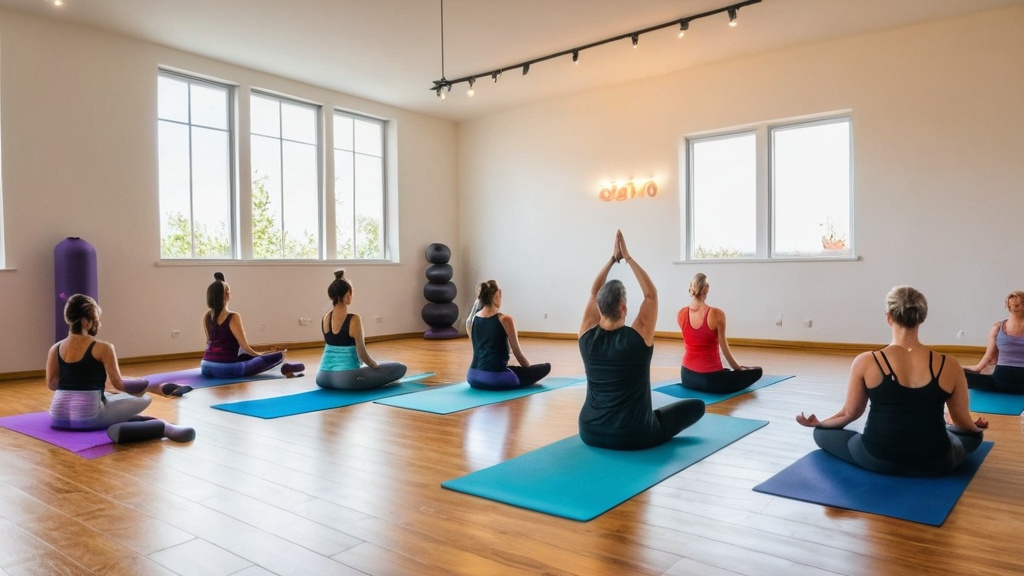
You’ve decided to explore the world of yoga, and that’s a great first step toward a more balanced you. Before you even think about finding a studio or an online session, you need to spend a little time with yourself. Think about why you want to practice yoga. Are you seeking a way to unwind after a stressful day? Perhaps you’re looking to improve your flexibility and strength, or maybe you want to find a more mindful approach to your daily life. Your reasons will help guide you toward the right kind of yoga and, importantly, the right class.
Self-Reflection: Your Personal “Why”
Take a moment to jot down your thoughts. Is your primary goal physical conditioning, or is it mental clarity? Do you have any existing physical limitations or injuries that might influence the types of poses you can comfortably do? Understanding these personal factors is paramount. For instance, if you’re dealing with chronic back pain, a gentle class focusing on alignment and core strengthening would be more appropriate than a vigorous power yoga session. Consider your general fitness level as well. If you’re accustomed to regular physical activity, you might feel ready for a slightly more dynamic beginner class. Conversely, if you’re new to exercise, starting with something incredibly gentle is wise.
Assessing Your Current Physical Condition
Be honest with yourself about your body. Do you have tight hamstrings? Stiff shoulders? A sensitive lower back? Yoga is about working with your body, not against it. Recognizing these areas of tension or weakness allows you to communicate with your instructor and make appropriate adjustments. You might find that certain poses feel challenging initially, and that’s perfectly fine. Your teacher can offer modifications to help you work within your current range of motion safely.
Identifying Your Mental and Emotional Goals
Beyond the physical, yoga offers profound mental and emotional benefits. Are you hoping to reduce anxiety? Improve your focus? Cultivate patience? Different yoga styles lend themselves to different mental outcomes. Restorative yoga, for example, is deeply calming and aimed at stress reduction. A more active Hatha class might help you feel more energized while still promoting a sense of inner peace. Pinpointing these desires will help you connect with a practice that truly nourishes you.
Exploring Foundational Yoga Styles for Beginners
Once you have a clearer picture of your personal objectives, you can begin to look at the various types of yoga available. For those just starting out, it’s highly recommended to begin with styles that prioritize foundational poses, slower pacing, and a focus on proper alignment. This approach builds a strong understanding of the basics, prevents injury, and creates a positive initial experience. Rushing into more advanced or faster-paced classes can be discouraging and may lead to a misunderstanding of what yoga truly is.
Hatha Yoga: The Classic Approach
Hatha yoga is often considered the parent of many modern yoga styles. It typically involves holding poses for several breaths, allowing you time to feel the alignment and the sensations in your body. Classes are generally moderate in pace, making them accessible for most beginners. You will learn fundamental postures like Downward-Facing Dog, Warrior poses, and Triangle Pose, along with foundational breathing techniques (pranayama). This style emphasizes the physical postures and breathing exercises as a way to prepare the body for meditation.
The Benefits of a Slower Pace
The deliberate speed of Hatha yoga allows you to truly inhabit each pose. You’re not just moving from one posture to the next; you’re exploring the depth of each movement, focusing on breath and subtle adjustments. This mindful engagement cultivates body awareness and helps you learn the correct mechanics of each posture, which is invaluable as you progress.
Focus on Basic Poses and Breathing
In a Hatha class, you can expect a clear explanation of each pose. The instructor will guide you through the setup, common alignment cues, and how to breathe within the posture. You’ll likely spend time learning fundamental breathing exercises, which are as important as the physical poses in yoga practice. Learning to control your breath is a cornerstone of yoga and contributes greatly to its calming effects.
Restorative Yoga: Deep Relaxation and Healing
Restorative yoga is designed for deep relaxation and healing. It uses props such as bolsters, blankets, and blocks to support the body in gentle poses, allowing you to hold them for extended periods without effort. The aim is to trigger the parasympathetic nervous system, promoting a state of rest and digestion. This style is exceptionally beneficial if you are feeling stressed, fatigued, or recovering from illness or injury.
Utilizing Props for Support
You will find a variety of props in a Restorative yoga class. These are not for making poses harder but for making them easier and more comfortable. Bolsters cradle your spine, blankets cushion your knees, and blocks support your head. The instructor will guide you in arranging these props to fully support your body, allowing you to release tension and feel completely at ease.
Cultivating a Sense of Calm
The profound stillness and gentle support of Restorative yoga create a powerful sense of calm. Holding poses for minutes at a time, with no muscular effort, allows your mind to quiet down. This practice is an excellent tool for managing stress, improving sleep, and fostering emotional well-being.
Yin Yoga: Targeting Deeper Connective Tissues
Yin yoga is a more passive style that targets the deep connective tissues of the body, such as fascia, ligaments, and joints. Poses are held for longer durations, typically three to five minutes or even longer, and are mostly seated or lying down. The muscles are intended to be relaxed, allowing gravity to do the work. This can feel intense, but it’s a different kind of intensity than muscular effort.
The Importance of Pauses in Yin
The extended holds in Yin yoga are key to its effectiveness. These long pauses allow the tissues to soften and release. It’s a practice that requires patience and inner observation. You’ll learn to sit with discomfort and observe the sensations without pushing yourself. This builds mental resilience and a deeper understanding of your body’s subtle changes.
Benefits for Flexibility and Joint Health
While it may seem less active, Yin yoga can significantly improve flexibility and joint mobility over time. By applying gentle stress to these deeper tissues, you encourage hydration and healthy circulation, which can lead to increased range of motion. It’s a valuable complement to more active forms of exercise.
What to Look for in a Beginner-Friendly Class
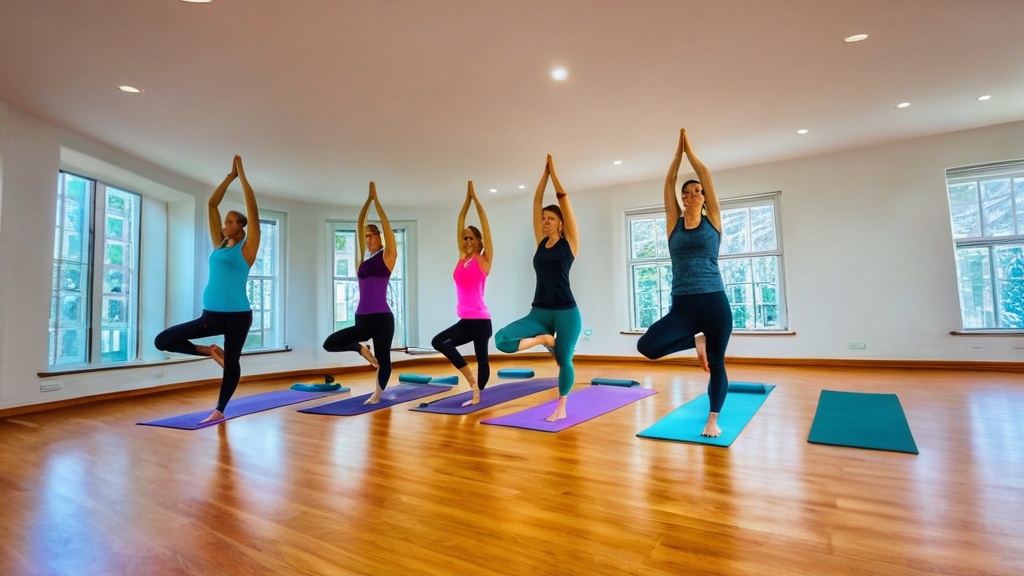
Finding the right class is about more than just the style of yoga. The atmosphere, the instructor’s communication, and their approach to modifications are all critical factors that contribute to a positive and productive beginner experience. A supportive environment is paramount, especially when you are just starting to explore your body’s capabilities and limitations on the mat.
Clear and Concise Instruction
A good instructor for beginners will provide clear, step-by-step instructions for each pose. They will explain how to get into the pose, what to focus on, and common alignment cues to help you find the correct form. You should feel guided rather than just told what to do. The language used should be accessible and avoid overly technical jargon.
Verbal Cues and Demonstrations
Listen for instructors who use descriptive verbal cues to help you understand the sensations you should be feeling in a pose. Effective teachers will also frequently demonstrate the poses, offering visual examples of proper alignment. This combination of auditory and visual learning caters to different learning styles and reinforces understanding.
Encouraging a Mindful Approach
Beyond the mechanics of the pose, a good teacher will encourage you to be mindful. They might suggest focusing on your breath, noticing sensations in your body, or observing your thoughts without judgment. This cultivates the mental aspect of yoga, which is just as important as the physical.
Offering Modifications and Variations
No two bodies are alike, and what feels comfortable for one person may not for another. A truly beginner-friendly class will offer modifications or variations for poses. This allows you to adjust the intensity or the shape of the pose to suit your body’s needs on any given day. Don’t be afraid to ask for modifications if you need them.
Adapting Poses to Your Body
Your instructor might suggest placing a block under your hands in certain standing poses to bring the floor closer, or using a blanket to pad your knees in seated positions. These simple adjustments can make a world of difference in your comfort and ability to hold a pose correctly. A good teacher will anticipate where modifications might be needed and offer them proactively.
Respecting Your Limits
A supportive environment means respecting your personal limits. The instructor should never push you to do something that feels unsafe or painful. They will encourage you to listen to your body and work within your own capabilities. This fosters self-trust and prevents injury, allowing you to build confidence in your practice.
Choosing the Right Class Format and Schedule
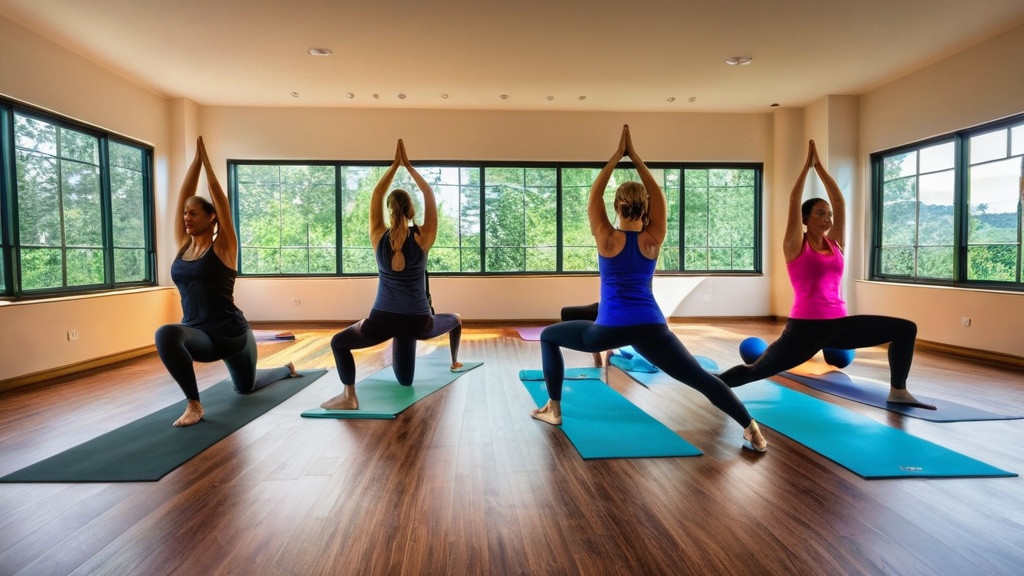
Once you have a grasp of the styles and what to look for in an instructor, you need to consider the practical aspects of class selection: the format and the schedule. These elements can greatly impact your ability to establish a consistent practice, which is key to seeing the benefits of yoga.
“Beginner,” “Fundamentals,” or “Slow Flow” Classes
Many studios and online platforms offer classes specifically labeled for beginners. Look for terms like “Beginner,” “Intro to Yoga,” “Foundations,” “Fundamentals,” or “Slow Flow.” These classes are crafted with newcomers in mind, often moving at a slower pace and focusing on fundamental poses and principles.
The Advantages of Entry-Level Classes
These entry-level classes are designed to be a safe and encouraging introduction to yoga. They move at a pace that allows you to absorb the information and practice the poses without feeling rushed. Instructors teaching these classes are generally adept at explaining concepts clearly and offering personalized attention to beginners.
Progressing to the Next Level
Once you feel comfortable and confident in a beginner class, you can gradually explore other options. A “Slow Flow” class is often a good next step, offering a bit more movement while still maintaining a mindful pace. Avoid jumping straight into “Vinyasa,” “Power Yoga,” or “Hot Yoga” until you have built a solid foundation.
Considering Class Length and Frequency
Class length can vary, with common durations ranging from 45 to 90 minutes. For beginners, starting with shorter classes, perhaps 60 minutes, can be a good way to build stamina and avoid feeling overwhelmed. As you become more accustomed to the practice, you can increase the length of your sessions.
Building a Consistent Practice
The most important aspect of starting yoga is consistency. It’s far more beneficial to attend two to three shorter classes per week regularly than to attend one very long, intense class sporadically. Consistency allows your body to adapt, your muscles to strengthen, and your mind to calm down over time.
Finding a Schedule That Fits Your Life
Look for classes that fit your personal schedule. Whether you prefer early morning sessions, a midday break, or an evening wind-down, finding a time you can consistently commit to will make a significant difference in your progress and dedication. Don’t underestimate the power of a regular routine.
Creating a Welcoming and Supportive Environment
| Aspect | Description |
|---|---|
| Class Level | Look for a class labeled as “beginner” or “introductory” to ensure it’s suitable for your level. |
| Instructor Experience | Check the instructor’s experience and qualifications to ensure they are knowledgeable in teaching beginners. |
| Class Size | Smaller class sizes can provide more personalized attention and guidance for beginners. |
| Focus on Fundamentals | The class should focus on teaching basic yoga poses, breathing techniques, and alignment principles. |
| Encouraging Environment | Look for a class that promotes a non-judgmental and supportive atmosphere for beginners. |
The physical practice of yoga is only part of the experience. The environment in which you practice, and the people you practice with, play a huge role in your overall enjoyment and motivation. Seeking out a studio or instructor that fosters a welcoming and supportive atmosphere is key to building confidence and making yoga a sustainable part of your life.
The Teacher-Student Relationship
A good yoga teacher is more than just an instructor; they are a guide. Look for someone with whom you feel a connection, someone who is approachable and encouraging. A teacher who takes the time to learn your name, to check in with you, and to offer gentle encouragement can make a profound difference in your beginner experience.
Building Confidence Through Encouragement
A supportive teacher will celebrate your progress, no matter how small. They will create a space where you feel comfortable trying new things and where mistakes are seen as learning opportunities. This positive reinforcement is vital for building confidence and reducing any apprehension you might have about your abilities.
Communicating Your Needs to Your Instructor
Don’t hesitate to speak with your instructor before or after class. Let them know you are new to yoga, mention any physical concerns you have, or ask for clarification on a pose. A good teacher will appreciate your communication and can offer personalized guidance to help you feel more at ease and supported.
The Studio Atmosphere
The general vibe of the yoga studio is also important. Is it a place where you feel comfortable and at home? A studio that is clean, organized, and has a friendly reception area can contribute to a positive experience. Observe how other students interact and if the overall atmosphere feels inclusive and non-judgmental.
A Space for Growth and Exploration
You want to find a yoga studio that feels like a sanctuary, a place where you can unwind and focus on yourself without external pressures. Studios that emphasize community and offer a variety of classes can be great for exploring different styles and finding your niche.
Your First Few Classes and Beyond
Remember that your first few classes are about exploration and discovery. Don’t worry about being perfect or keeping up with others. Focus on your breath, listen to your body, and enjoy the process. Over time, you’ll find that yoga is not just about the poses themselves, but about the profound sense of well-being it cultivates both on and off the mat.
FAQs
What are some key things to look for in a beginner yoga class?
When looking for a beginner yoga class, it’s important to consider the instructor’s experience and qualifications, the class size and atmosphere, the focus on proper alignment and safety, the variety of poses and modifications offered, and the overall accessibility for beginners.
How can I determine if the instructor is experienced and qualified?
You can determine the instructor’s experience and qualifications by researching their background, certifications, and teaching experience. Look for instructors who have completed a reputable yoga teacher training program and have experience working with beginners.
Why is it important to consider the class size and atmosphere?
The class size and atmosphere can greatly impact your experience as a beginner. Look for classes with smaller sizes to ensure personalized attention and a supportive, non-intimidating atmosphere that encourages learning and growth.
What role does proper alignment and safety play in a beginner yoga class?
Proper alignment and safety are crucial in a beginner yoga class to prevent injuries and promote a strong foundation for future practice. A good beginner class should emphasize alignment cues and offer modifications to accommodate different body types and abilities.
How can I ensure that the class is accessible for beginners?
To ensure that the class is accessible for beginners, look for descriptions or reviews that specifically mention it is suitable for beginners. Additionally, consider reaching out to the instructor or studio to inquire about the level of the class and any prerequisites for attending.