
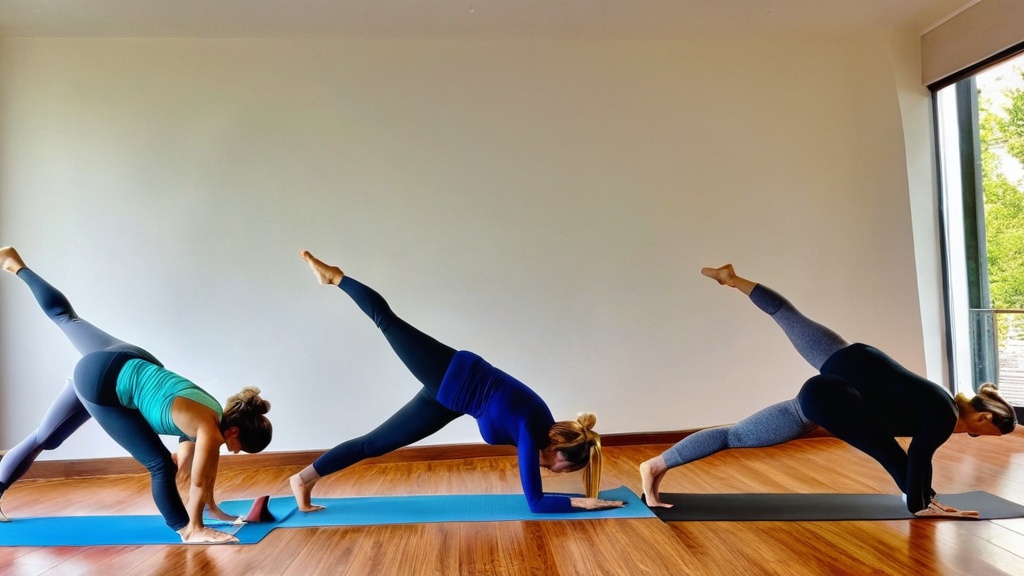
You’re contemplating a 30-day yoga course. You’ve seen them advertised, promising transformations in mind and body within a month. The question lingers: is it truly worth your time, effort, and maybe even your money? Let’s explore what a beginner-friendly 30-day yoga course can offer you and whether it aligns with your aspirations.
Core Objectives for Newcomers
When you look at a 30-day yoga challenge designed for beginners, you’ll find a consistent set of goals. These programs aim to introduce you to the fundamental postures (asanas), breathing techniques (pranayama), and the basic philosophy of yoga. You’re not expected to be a pretzel scientist from day one. Instead, the focus is on building a solid foundation. They want you to understand how to move your body safely through common poses, how to connect your breath to your movement, and how to find a sense of presence during your practice. You’ll learn what a downward-facing dog feels like in your hamstrings, how to find stability in mountain pose, and perhaps how to manage a simple warrior pose. The emphasis is on gentle progression, allowing you to gradually increase your physical and mental capacity.
Structure and Daily Commitment
The structure of these courses is typically what makes them appealing to beginners. You’ll usually find a daily schedule. This means you commit to practicing yoga every day for 30 consecutive days. This consistency is key to building a habit and seeing tangible results. The daily classes are designed to be manageable. You won’t be expected to dedicate hours each day. Many reviews and course descriptions point to sessions ranging from a brief 16 minutes to a more involved 40 minutes, with an average often falling around the 20-minute mark. This accessibility is a major draw for individuals with busy lives. You can find time for a 20-minute session before work, during your lunch break, or in the evening. This consistent, short-term commitment is often more effective for habit formation than sporadic, longer sessions.
What to Expect in Terms of Progression
A well-designed 30-day beginner course will guide you through a progression. You won’t be doing advanced inversions on day two. Instead, you’ll typically start with foundational poses. You’ll learn about alignment, how to engage certain muscle groups, and how to modify poses to suit your body. As the weeks progress, you might introduce Sun Salutations, build up to more challenging standing poses, and begin to explore seated postures and gentle stretches. The instructors will often provide verbal cues and visual demonstrations to help you understand the correct form. They’ll also encourage you to listen to your body, a vital lesson in any yoga practice. You’ll learn to differentiate between a challenging stretch and pain, understanding when to back off and when to lean into the effort. This gradual introduction builds confidence and prevents injury.
Evaluating the Benefits: Is It Worth Your Investment?
Building Foundational Strength and Flexibility
One of the most appealing aspects of a 30-day yoga course for beginners is the promise of improved physical condition. You can expect to build strength, flexibility, and mobility. Think about holding a pose like Warrior II. It requires strength in your legs and core. As you practice more challenging poses over the month, you’ll notice your muscles becoming more resilient. Similarly, the gentle stretching involved in many yoga poses works to lengthen your muscles and connective tissues. This can lead to greater range of motion in your joints, making everyday activities feel easier. You might find yourself reaching for things on high shelves with more ease or feeling less stiff after sitting for extended periods. The focus is on creating a balanced approach to physical conditioning, addressing both strength and suppleness.
Developing Body Awareness
A less obvious, but equally important, benefit you’ll gain is an increased sense of body awareness. Through the daily practice and the focus on alignment and breath, you’ll start to tune into your body’s signals. You’ll become more attuned to where you hold tension, how your posture affects your comfort, and how your breath influences your state of mind. This heightened awareness extends beyond the yoga mat. You might find yourself naturally correcting your posture while sitting at your desk or noticing when stress begins to manifest as tightness in your shoulders. This kind of internal dialogue with your body is a powerful tool for self-care and well-being. You learn to understand your body’s unique needs and respond to them with greater insight.
Cultivating a Mind-Body Connection
Yoga is renowned for its ability to foster a mind-body connection. In a 30-day course, this connection is nurtured through the mindful integration of breath and movement. As you focus on coordinating your inhales and exhales with each pose, you begin to quiet the mental chatter and become more present. You learn to observe your thoughts and emotions without judgment. This practice of mental focus, coupled with physical exertion, can lead to a profound sense of calm and clarity. You might find yourself feeling less reactive to stressful situations or experiencing a greater sense of peace throughout your day. The daily practice creates a dedicated time to check in with yourself, fostering a stronger relationship between your mental and physical states.
Managing Stress and Promoting Relaxation
The gentle nature of beginner yoga, combined with focused breathing, is a powerful tool for stress management. Many of the poses are designed to release tension held in the body, particularly in areas like the hips, shoulders, and back, which are common spots for stress accumulation. The emphasis on slow, deep breaths during practice naturally calms your nervous system, shifting you from a state of “fight or flight” to one of rest and digest. By the end of a session, you’ll likely feel a sense of physical release and mental tranquility. This regular practice of relaxation can have a cumulative effect, helping you build resilience against daily stressors and promoting a more balanced emotional state.
Popular 30-Day Yoga Course Options
Online Platforms and Their Offerings
The digital age has made yoga accessible to nearly everyone. You’ll find numerous online platforms offering 30-day yoga courses. Many of these are streamed directly to your device, allowing you to practice in the comfort of your own home. Some platforms require a subscription, while others offer individual courses for purchase. The great advantage here is the sheer variety. You can find programs that cater to different styles, instructors, and durations of practice. You can also access courses on demand, fitting them into your schedule whenever it’s most convenient. Looking for a specific type of focus, like flexibility or core strength? Online options often allow you to filter and find exactly what you need.
The Enduring Appeal of Free Resources
It’s important to note that you don’t always need to pay for a quality yoga experience. There are long-standing, highly recommended free options available. One prominent example is the “30 Days of Yoga” series from Yoga With Adriene. This series has been a go-to resource for many beginners and is consistently praised for its accessibility, clear instruction, and supportive community. Instructors like Adriene offer modifications and encouragement, making the practice feel inclusive. You can find these free programs on platforms like YouTube, making them incredibly easy to access. Another free beginner challenge might emphasize a step-by-step approach with simple sequences and reassuring guidance, ensuring you feel supported throughout your learning process. These free resources demonstrate that valuable yoga instruction is readily available without a financial commitment.
What to Look for in a Program
When you’re selecting a 30-day course, consider a few key elements. Firstly, look for programs explicitly labeled as “beginner-friendly.” This indicates that the instructors understand the needs of newcomers and will provide appropriate modifications and clear instructions. Check the length of the daily sessions. If you’re a beginner with limited time, shorter classes (around 20-30 minutes) might be more sustainable. Read reviews if possible to gauge the instructor’s teaching style and the overall effectiveness of the program. Do the instructors encourage listening to your body? Do they offer variety in the poses while still staying within a beginner’s capacity? Consider the platform as well. Is it user-friendly? Can you easily find the daily lessons?
Instructor Style and Support
The style of the instructor can significantly impact your experience. Some instructors are energetic and motivating, while others are more calming and meditative. Find a voice and a teaching style that resonates with you. You want an instructor who provides clear, concise instructions for each pose. Look for cues on alignment and breath that are easy to understand and follow. Support is also important. Does the instructor offer modifications for different levels of flexibility or strength? Do they encourage you to modify poses when needed? A supportive instructor makes you feel capable and less intimidated, which is vital for a beginner. They should also emphasize the importance of not pushing yourself too hard, teaching you to honor your body’s limits.
Assessing the “Worth It” Factor for You
Defining Your Personal Goals
The ultimate question of whether a 30-day yoga course is worth it hinges on your personal goals. If you’re looking for a structured way to introduce yourself to yoga, build a consistent daily habit, and experience the initial physical and mental benefits of practice, then yes, it likely is worth it. Do you want to feel a bit more flexible, stronger, and calmer? A 30-day challenge can provide that initial push. It’s a well-defined commitment that can lead to positive changes within a relatively short period. It’s not about becoming an advanced yogi in a month, but about starting a sustainable practice that can grow over time.
Understanding the Limitations
It’s also important to have realistic expectations. A 30-day course is an excellent starting point, but it’s not a magic bullet. You won’t achieve extreme flexibility or advanced strength in a single month. Yoga is a lifelong practice, and true mastery takes time and dedication. You might find that after 30 days, you’ve only scratched the surface of what yoga has to offer. The course might introduce you to basic poses, but deeper understanding and nuanced mastery will require ongoing practice. Think of it as learning the alphabet. After 30 days, you know the letters, but you’re still a long way from writing a novel. The course is a launchpad, not the final destination.
When a 30-Day Course Might Not Be Enough
If your aspirations are more ambitious, such as preparing for an advanced yoga class or significantly changing your body composition, a 30-day commitment might feel insufficient on its own. In such cases, you might consider the 30-day course as a stepping stone. It could be the first step in a longer-term plan, followed by more advanced courses or regular studio classes. If you’re seeking intense physical exertion or rapid weight loss, yoga might not be the primary tool for that specific goal, though it can certainly be a supportive element of a broader fitness regimen. Your body and mind will undoubtedly benefit, but the pace of change might not align with very demanding outcomes in just 30 days.
Frequently Asked Questions About Beginner Yoga Challenges
| Metrics | Results |
|---|---|
| Number of Yoga Sessions | 30 |
| Duration of Each Session | 45 minutes |
| Cost of Course | 99 |
| Level of Difficulty | Beginner |
| Feedback Rating | 4.5/5 |
How often should you practice?
For a 30-day yoga course, the standard is daily practice. This consistent exposure to the movements and breathwork is what helps build habits and allows your body to adapt and strengthen. You’ll find that even short, daily sessions are more effective for habit formation and progress than irregular, longer ones. It’s about creating a routine and making yoga a regular part of your day for that designated period. This daily repetition helps ingrain the poses and the mindfulness into your system.
What if I miss a day?
Life happens, and it’s completely understandable if you miss a day. The most important thing is not to let one missed session derail your entire month. Simply pick up where you left off the next day. If you’re feeling motivated, you could always consider a shorter practice on a day you feel you can’t commit to a full session, but the intention is daily engagement. Don’t let perfection be the enemy of progress. The goal is consistent effort, not flawless execution. Getting back on track is more important than dwelling on a missed day.
Do I need special equipment?
FAQs
What is the 30-Day Yoga Course for Beginners?
The 30-Day Yoga Course for Beginners is a program designed to introduce individuals to the practice of yoga. It typically includes daily yoga sessions, instructional videos, and guidance on basic yoga poses and breathing techniques.
What are the benefits of a 30-Day Yoga Course for Beginners?
Participating in a 30-Day Yoga Course for Beginners can help individuals improve flexibility, strength, and balance. It can also promote relaxation, reduce stress, and increase mindfulness. Additionally, it can provide a foundation for a regular yoga practice.
How much does a 30-Day Yoga Course for Beginners cost?
The cost of a 30-Day Yoga Course for Beginners can vary depending on the provider and the specific features included in the program. Prices can range from free online resources to paid courses offered by yoga studios or instructors.
Is a 30-Day Yoga Course for Beginners suitable for all fitness levels?
Yes, a 30-Day Yoga Course for Beginners is typically designed to accommodate individuals of all fitness levels, including those who are new to yoga or have limited experience with physical activity. Participants can modify poses and movements to suit their individual needs and abilities.
Is a 30-Day Yoga Course for Beginners worth it?
The value of a 30-Day Yoga Course for Beginners ultimately depends on the individual’s goals, preferences, and commitment to the practice. For those seeking an introduction to yoga and a structured program to establish a regular practice, a 30-Day Yoga Course for Beginners can be a worthwhile investment in health and well-being.