
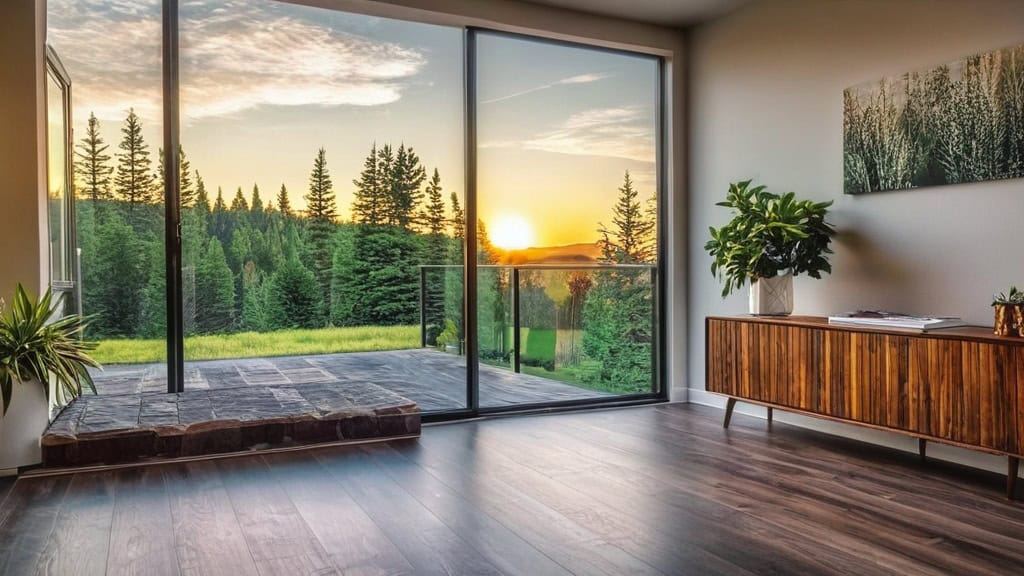
In today’s fast-paced world, the significance of a relaxing home environment cannot be overstated. Your home should serve as a sanctuary, a place where you can unwind and recharge after a long day. When you create a space that promotes relaxation, you not only enhance your well-being but also improve your overall quality of life. A calming atmosphere can help reduce stress, foster creativity, and even improve your sleep quality. By intentionally designing your home to be a haven of tranquility, you can cultivate a lifestyle that prioritizes peace and mindfulness.
As you embark on this journey to create a soothing environment, consider how each element in your home contributes to your sense of calm. From the colors on your walls to the textures of your furnishings, every detail plays a role in shaping your experience. By being mindful of these aspects, you can transform your living space into a retreat that reflects your personal style while promoting relaxation. This article will guide you through various strategies to enhance your home’s ambiance, ensuring that it becomes a true reflection of serenity and comfort.
Key Takeaways
- Creating a relaxing home environment is important for overall well-being and mental health.
- Choosing soothing colors and textures can help create a calming atmosphere in your space.
- Incorporating natural elements and greenery can bring a sense of tranquility and connection to nature.
- Creating cozy and comfortable seating areas encourages relaxation and unwinding at home.
- Using soft lighting can help set the mood and create a peaceful ambiance in your space.
Choosing Soothing Colors and Textures for Your Space
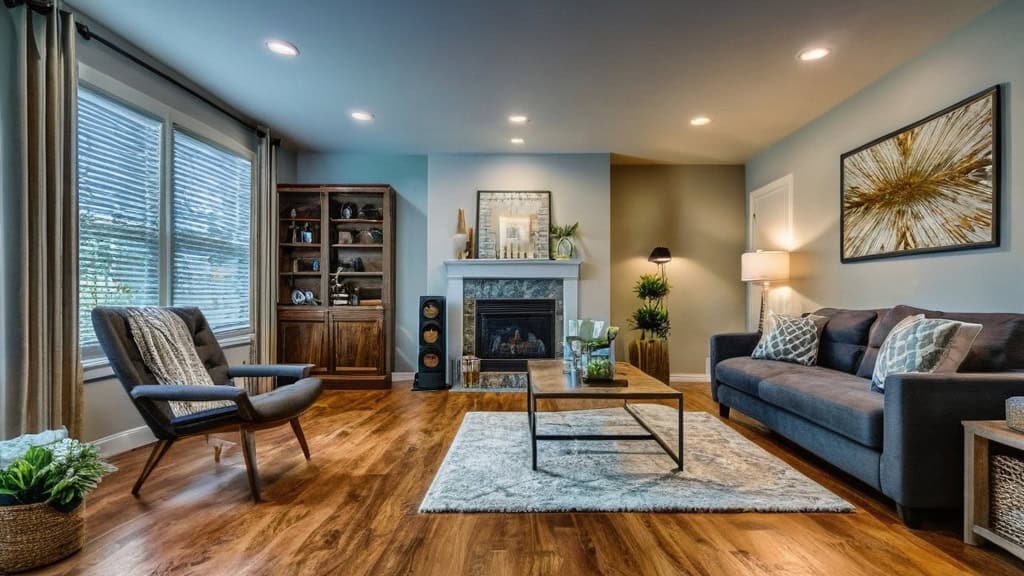
When it comes to creating a relaxing home environment, the colors and textures you choose are paramount. Soft, muted tones such as pale blues, gentle greens, and warm neutrals can evoke feelings of calmness and tranquility. These colors have been shown to reduce anxiety and create a serene atmosphere. As you select paint colors or decor items, think about how each hue makes you feel. You might find that certain shades resonate with you more than others, helping to establish a peaceful vibe throughout your home.
Textures also play a crucial role in creating a soothing environment. Incorporating soft fabrics like cotton, linen, or velvet can add warmth and comfort to your space. Consider layering different textures through throw pillows, blankets, and rugs to create an inviting atmosphere. A plush area rug can soften hard floors, while textured cushions can provide tactile comfort. By thoughtfully combining colors and textures, you can create a harmonious space that invites relaxation and encourages you to unwind.
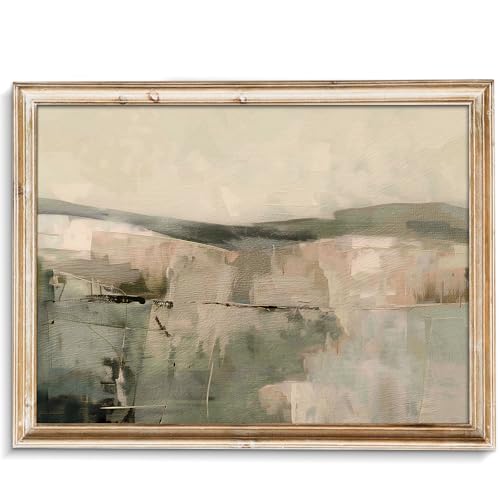
Vintage Wall Art: The neutral tones and timeless appeal of this vintage sketch art piece make it a versatile choice for any interior space. Whether you're looking for a nature-inspired centerpiece or a subtle accent, this piece has you covered.

Vintage Gold Framed Sunset Wall Art:This wall art features a classic vintage gold frame that adds timeless sophistication to the stunning sunset scenery, perfectly blending rustic cottagecore aesthetics with retro allure. The gold frame’s subtle texture complements the warm hues of the sunset, creating a focal point that elevates any room’s decor while staying true to the vintage country style you love.

1. [Vivid Botanical Artwork] Beautiful layered banana leaf print with rich green‑toned details, natural tropical plant aesthetic to refresh indoor space.
Incorporating Natural Elements and Greenery
Bringing nature indoors is another effective way to enhance the tranquility of your home. Incorporating natural elements such as wood, stone, and plants can create a sense of connection to the outdoors, which is inherently calming. Wooden furniture or decor items can add warmth and character to your space, while stone accents can evoke a sense of stability and grounding. These materials not only look beautiful but also contribute to an overall feeling of serenity.
Plants are particularly powerful in promoting relaxation. They not only purify the air but also add life and vibrancy to your home. Consider adding a variety of indoor plants, such as peace lilies or snake plants, which are known for their air-purifying qualities. You might also want to create a small herb garden in your kitchen or place succulents on windowsills for easy maintenance. The presence of greenery can significantly enhance your mood and create a more peaceful atmosphere in your home.
Creating Cozy and Comfortable Seating Areas
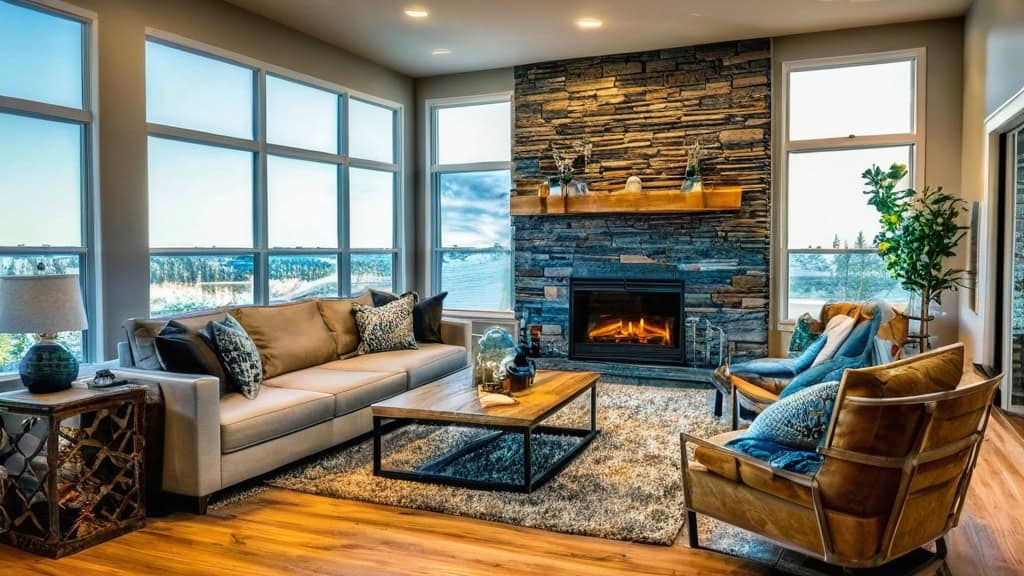
A key component of a relaxing home environment is the presence of cozy seating areas where you can unwind and enjoy moments of leisure. Think about how you can design these spaces to be inviting and comfortable. Start by selecting furniture that encourages relaxation—plush sofas, oversized chairs, or even floor cushions can create an inviting atmosphere. Arrange your seating in a way that promotes conversation or solitude, depending on your preference.
To enhance the comfort of these areas, consider adding soft throws and decorative pillows that invite you to sink in and relax. You might also want to include side tables for drinks or books, making it easy to settle in with your favorite beverage or read a good book. By creating dedicated spaces for relaxation within your home, you provide yourself with opportunities to pause, reflect, and recharge amidst the busyness of life.
Using Soft Lighting to Set the Mood
| Category | Metrics |
|---|---|
| Color | Soft pastel colors, earthy tones |
| Furniture | Comfortable seating, natural materials |
| Lighting | Soft, warm lighting |
| Textures | Cozy fabrics, natural textures |
| Plants | Indoor plants for a touch of nature |
Lighting is one of the most powerful tools at your disposal when it comes to creating a relaxing atmosphere in your home.
Harsh overhead lights can be jarring and disruptive, while soft lighting can evoke feelings of warmth and comfort.
Consider incorporating multiple layers of lighting throughout your space—ambient lighting for general illumination, task lighting for specific activities, and accent lighting to highlight certain features.
You might choose to use dimmable fixtures or warm-toned bulbs to create a soothing glow in the evenings. Table lamps with soft shades or string lights can add an enchanting touch to your decor while providing gentle illumination. Candles are another excellent option; their flickering flames create a calming ambiance that encourages relaxation. By being intentional about your lighting choices, you can set the mood for tranquility and create an inviting environment that beckons you to unwind.
Decluttering and Organizing for a Peaceful Space
A cluttered space can lead to a cluttered mind, making it essential to prioritize organization in your home. When you take the time to declutter and organize your belongings, you create an environment that feels more spacious and serene. Start by assessing each room in your home—identify items that no longer serve a purpose or bring you joy and consider donating or discarding them.
Once you’ve decluttered, focus on organizing what remains in a way that feels functional yet aesthetically pleasing. Use storage solutions like baskets or decorative boxes to keep items neatly tucked away while still being easily accessible. Establishing designated spaces for everything will help maintain order and prevent chaos from creeping back into your home. By fostering an organized environment, you cultivate a sense of peace that allows you to fully enjoy your living space.
Adding Aromatherapy and Scents for Relaxation
The power of scent should not be underestimated when it comes to creating a relaxing home environment. Aromatherapy can significantly influence your mood and promote feelings of calmness and relaxation. Consider incorporating essential oils into your space through diffusers or candles that release soothing fragrances like lavender, chamomile, or eucalyptus.
You might also explore using potpourri or scented sachets in drawers or closets for subtle hints of fragrance throughout your home. The act of inhaling calming scents can help reduce stress levels and create an inviting atmosphere that encourages relaxation. By thoughtfully integrating aromatherapy into your home, you engage another sense in the pursuit of tranquility.
Personalizing Your Space with Meaningful Decor
Finally, personalizing your space with meaningful decor is essential for creating an environment that feels uniquely yours. Surrounding yourself with items that hold sentimental value or reflect your interests can foster feelings of comfort and belonging. Consider displaying photographs of loved ones, artwork that resonates with you, or mementos from travels that evoke cherished memories.
Incorporating personal touches into your decor not only enhances the aesthetic appeal of your home but also creates an emotional connection to the space. When you walk through your home and see items that tell your story, it reinforces the sense of sanctuary you’ve created. By curating a collection of meaningful decor, you transform your living space into a true reflection of who you are—a place where you feel at ease and inspired.
In conclusion, creating a relaxing home environment is an intentional process that involves thoughtful consideration of various elements within your space. From choosing soothing colors and textures to incorporating natural elements and personal touches, each decision contributes to the overall ambiance of tranquility in your home. By prioritizing comfort, organization, and sensory experiences like scent and lighting, you can cultivate an oasis that nurtures your well-being and invites relaxation into your daily life. Embrace this journey as an opportunity to design a space that truly reflects your values and promotes peace—a sanctuary where you can escape the chaos of the outside world and find solace within yourself.
FAQs
What is relaxing home decor?
Relaxing home decor refers to the use of design elements, colors, and furnishings that create a calming and peaceful atmosphere within a home. This can include natural materials, soft color palettes, and comfortable furniture.
What are some key elements of relaxing home decor?
Key elements of relaxing home decor include natural materials such as wood and stone, soft and neutral color palettes, comfortable and cozy furnishings, and minimal clutter. Additionally, incorporating elements of nature, such as plants and natural light, can contribute to a relaxing atmosphere.
How can I incorporate relaxing home decor into my space?
You can incorporate relaxing home decor into your space by choosing furniture and decor items that are comfortable and inviting, using soft and neutral color schemes, incorporating natural materials, and minimizing clutter. Additionally, adding elements of nature, such as plants and natural light, can help create a calming environment.
What are some popular color choices for relaxing home decor?
Popular color choices for relaxing home decor include soft neutrals such as light grays, beige, and off-white, as well as muted pastel shades like pale blue, lavender, and sage green. These colors are known for their calming and soothing effects.
What are some examples of relaxing home decor accessories?
Examples of relaxing home decor accessories include soft and cozy throw blankets, plush pillows, natural fiber rugs, soothing wall art or photography, and scented candles or essential oil diffusers. These accessories can help create a tranquil and inviting atmosphere within a home.