
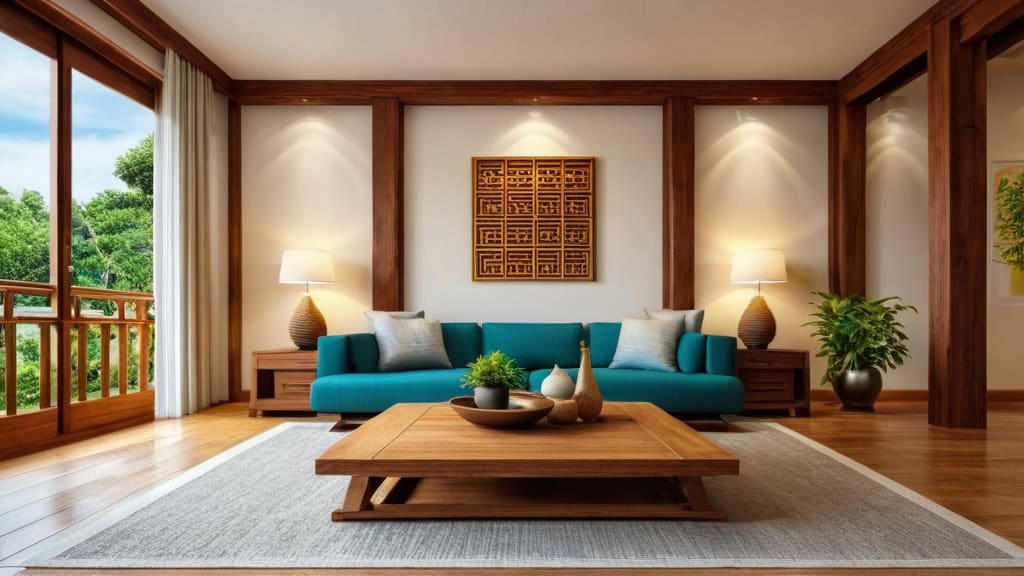
Feng Shui, an ancient Chinese practice, revolves around the idea that the arrangement of your environment can significantly influence your life. At its core, Feng Shui is about creating a harmonious balance between the energies of your surroundings and your personal energy. You may find that understanding these principles can lead to a more peaceful and productive life. The fundamental belief is that everything in your environment is interconnected, and by aligning your space with natural forces, you can enhance your well-being.
To grasp the essence of Feng Shui, you should familiarize yourself with concepts such as Chi, Yin and Yang, and the Five Elements. Chi, or life force energy, flows through everything, and its movement can be influenced by how you arrange your home. Yin and Yang represent the duality of existence; achieving a balance between these opposing forces is crucial for creating a harmonious environment. The Five Elements—Wood, Fire, Earth, Metal, and Water—each have unique characteristics and associations that can be utilized to enhance different aspects of your life. By understanding these principles, you can begin to see how they apply to your own living space.
Key Takeaways
- Feng Shui principles focus on creating balance and harmony in your living space.
- Utilize the five elements (wood, fire, earth, metal, water) in your home design to promote positive energy flow.
- Apply the Bagua Map to different areas of your home to enhance specific aspects of your life, such as wealth, relationships, and health.
- Enhance positive energy flow with good Chi by decluttering and organizing your space.
- Choose the right colors and materials for a harmonious home to promote a sense of well-being and tranquility.
Creating Balance and Harmony in Your Home
Creating balance and harmony in your home is essential for fostering a sense of peace and well-being. You might start by assessing the layout of your space and identifying areas that feel cluttered or chaotic. A well-organized environment allows for the free flow of Chi, which can lead to improved mood and productivity. Consider rearranging furniture to create open pathways that encourage movement and energy flow. This simple act can transform a stagnant space into one that feels vibrant and alive.
In addition to physical arrangements, you should also pay attention to the emotional atmosphere of your home. Incorporating elements that bring you joy—such as artwork, plants, or personal mementos—can enhance the overall energy of your space. Strive for a balance between different areas of your home; for instance, if one room is filled with bright colors and lively decor, consider softening another room with calming tones and textures. This contrast can create a dynamic yet harmonious environment that nurtures both relaxation and inspiration.
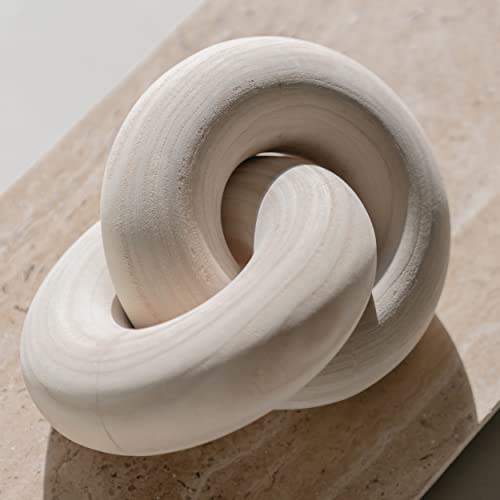
💡 Need to style your COFFEE TABLE? Looking to accent your SHELVES? Trying to elevate your favorite space? Impress your guests with Peakoly home decorations for living room.

Utilizing the Five Elements in Your Home Design
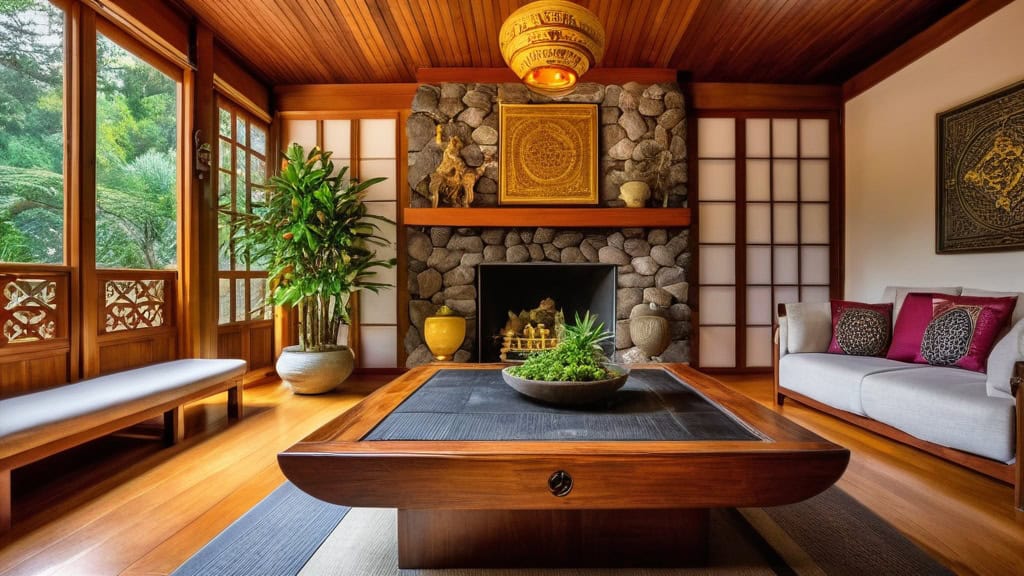
The Five Elements of Feng Shui—Wood, Fire, Earth, Metal, and Water—play a crucial role in shaping the energy of your home. Each element has its own unique qualities and associations that can be harnessed to create a balanced environment. You may want to start by identifying which elements are already present in your space and which ones might be lacking. For example, if you notice an abundance of Metal elements but a scarcity of Wood, you could introduce plants or wooden furniture to bring in that missing energy.
Incorporating these elements into your home design can be both fun and rewarding. You might choose to use colors associated with each element: greens and browns for Wood, reds and oranges for Fire, yellows and earthy tones for Earth, whites and grays for Metal, and blues and blacks for Water. By thoughtfully selecting colors and materials that represent each element, you can create a more balanced atmosphere. Additionally, consider how these elements interact with one another; for instance, Water nourishes Wood, while Fire can transform Wood into Ash.
Understanding these relationships can help you create a more harmonious living space.
Applying Bagua Map to Different Areas of Your Home
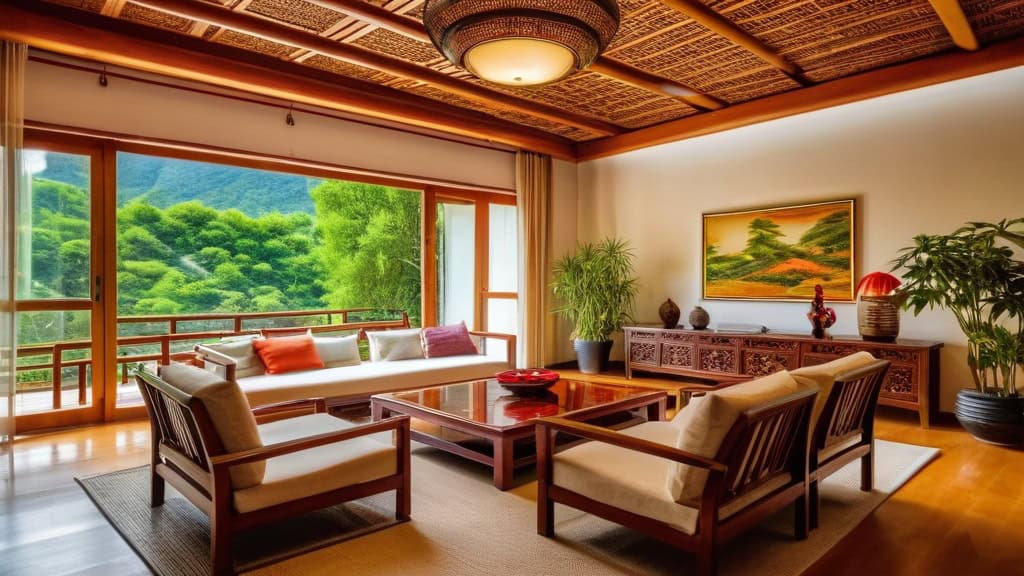
The Bagua Map is a powerful tool in Feng Shui that helps you identify the different areas of your life represented within your home. By overlaying the Bagua Map onto your floor plan, you can pinpoint specific areas related to wealth, health, relationships, and more. This process allows you to focus on enhancing particular aspects of your life by making intentional changes in corresponding areas of your home.
To apply the Bagua Map effectively, start by determining the layout of your space. You may find it helpful to draw a simple floor plan and divide it into nine sections based on the Bagua Map. Each section corresponds to a different life area: Wealth & Prosperity, Fame & Reputation, Love & Relationships, Family & Health, Center (Health), Creativity & Children, Knowledge & Self-Cultivation, Career & Life Path, and Helpful People & Travel. Once you’ve identified these areas, you can begin making adjustments—such as adding specific colors or symbols—to enhance the energy in each section. This targeted approach can lead to significant improvements in various aspects of your life.
Enhancing Positive Energy Flow with Good Chi
| Principle | Meaning |
|---|---|
| Qi | The energy that flows through everything |
| Yin and Yang | The balance of opposite forces |
| Five Elements | Wood, Fire, Earth, Metal, Water |
| Bagua Map | Eight areas of life represented by a map |
| Flow of Chi | The movement of energy in a space |
Good Chi is essential for creating a vibrant and uplifting environment in your home. To enhance positive energy flow, you should focus on removing obstacles that may be blocking Chi from circulating freely. This could involve rearranging furniture to create open pathways or removing items that no longer serve you. You might also consider incorporating mirrors strategically; they can reflect light and energy throughout your space, amplifying the flow of Chi.
Another effective way to enhance good Chi is by introducing natural elements into your home. Plants are particularly beneficial as they not only purify the air but also bring life and vitality into your space. You may want to choose plants that are known for their positive Feng Shui properties, such as bamboo or peace lilies. Additionally, incorporating natural light through windows or mirrors can significantly improve the energy in your home. By prioritizing good Chi, you create an environment that supports your well-being and encourages positive experiences.
Decluttering and Organizing Your Space for Better Feng Shui
Decluttering is one of the most impactful steps you can take to improve the Feng Shui of your home. A cluttered space can trap stagnant energy and create feelings of overwhelm or anxiety. You might start by tackling one area at a time—perhaps a single room or even just a corner—and gradually work through items that no longer serve a purpose in your life. As you declutter, consider whether each item brings you joy or serves a functional purpose; if not, it may be time to let it go.
Once you’ve decluttered your space, organizing it effectively is key to maintaining good Feng Shui. You should aim for a system that allows for easy access to items while keeping surfaces clear and open. Utilize storage solutions that blend seamlessly with your decor; baskets or decorative boxes can help keep things tidy while adding aesthetic appeal. By creating an organized environment free from clutter, you not only enhance the flow of Chi but also cultivate a sense of calm and clarity in your daily life.
Choosing the Right Colors and Materials for a Harmonious Home
Color plays a significant role in Feng Shui as it directly influences mood and energy levels within a space. When choosing colors for your home, consider how each hue resonates with you personally while also aligning with the principles of Feng Shui. For instance, soft blues can promote tranquility and relaxation, while vibrant yellows can inspire creativity and joy. You might find it helpful to create a color palette that reflects both your personal style and the desired energy for each room.
In addition to color selection, the materials used in your home design are equally important. Natural materials such as wood, stone, and cotton are often favored in Feng Shui because they connect us to nature and promote a sense of grounding. You may want to incorporate these materials into furniture pieces or decor items to enhance the overall energy of your space. By thoughtfully selecting colors and materials that resonate with you while adhering to Feng Shui principles, you can create a harmonious environment that nurtures both body and spirit.
Incorporating Feng Shui Practices into Your Daily Routine
Integrating Feng Shui practices into your daily routine can help reinforce the positive energy you’ve cultivated in your home. Start by setting intentions each day; take a moment in the morning to visualize how you want your day to unfold and align it with the energies present in your space. You might also consider incorporating mindfulness practices such as meditation or yoga into your routine; these activities not only promote personal well-being but also enhance the overall energy flow within your home.
Another way to incorporate Feng Shui into your daily life is by being mindful of how you interact with your environment throughout the day. Pay attention to how different spaces make you feel; if certain areas feel stagnant or heavy, take action to refresh them by opening windows for fresh air or rearranging furniture for better flow. Additionally, consider establishing rituals that honor the energy of your home—such as lighting candles or burning incense—to create an atmosphere of peace and positivity. By weaving Feng Shui practices into your daily routine, you cultivate an ongoing connection with the energy of your space while enhancing your overall quality of life.
FAQs
What is feng shui?
Feng shui is a traditional Chinese practice that involves arranging the environment to create harmony and balance. It is based on the belief that the arrangement of objects and spaces can affect the flow of energy, or “qi,” and influence a person’s health, wealth, and happiness.
What are the principles of feng shui?
The principles of feng shui include the use of the bagua map to identify areas of a space that correspond to different aspects of life, such as wealth, relationships, and career. It also involves the placement of furniture, colors, and elements to create a harmonious and balanced environment.
How does feng shui affect a person’s life?
According to feng shui principles, the arrangement of a person’s environment can impact their well-being, relationships, and success. By creating a balanced and harmonious space, it is believed that individuals can experience improved health, increased prosperity, and better relationships.
What are some common feng shui practices?
Common feng shui practices include decluttering and organizing the home, using the five elements (wood, fire, earth, metal, and water) to create balance, incorporating symbols and artwork that represent positive energy, and using mirrors to enhance the flow of energy in a space.
Is feng shui a religious practice?
Feng shui is not a religious practice, but it is deeply rooted in Chinese culture and philosophy. While it may incorporate elements of Taoism, Buddhism, and Confucianism, feng shui is primarily focused on creating a harmonious and balanced environment rather than religious worship or rituals.