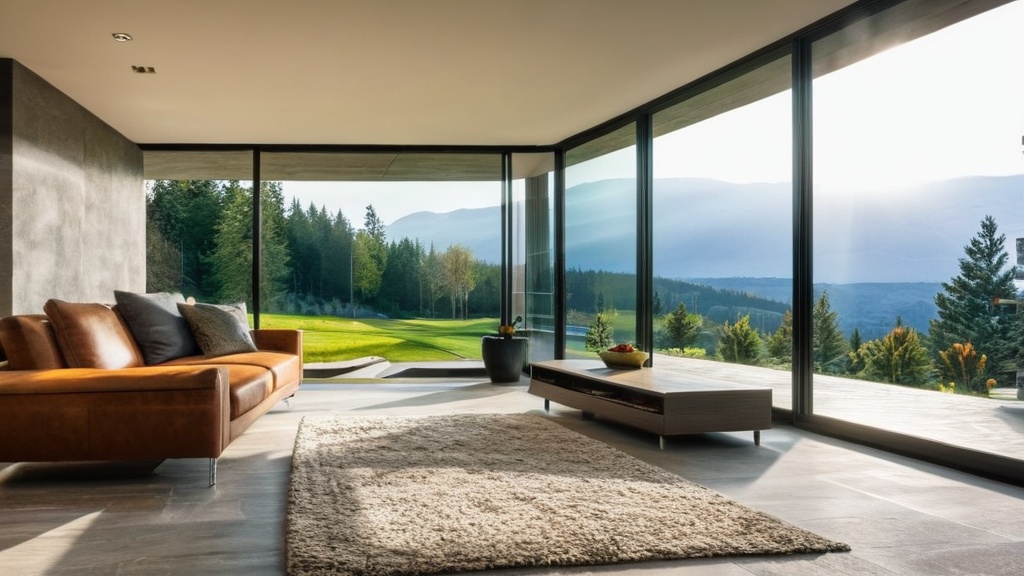
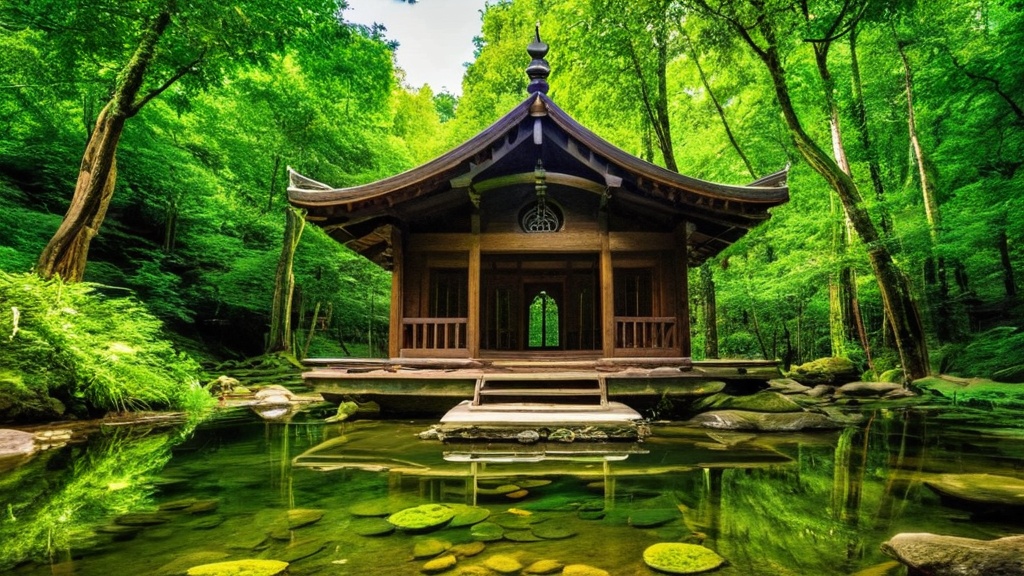
In today’s fast-paced world, the importance of having a peaceful home sanctuary cannot be overstated. Your home should be a refuge, a place where you can unwind and recharge after a long day. It’s essential to cultivate an environment that promotes relaxation and tranquility, allowing you to escape the chaos of daily life. By creating a serene atmosphere, you can enhance your overall well-being and foster a sense of inner peace. This article will guide you through various strategies to transform your living space into a calming sanctuary.
Imagine walking into your home and feeling an immediate sense of calm wash over you. The colors, scents, and sounds all work in harmony to create a soothing environment. You have the power to design your space in a way that reflects your personal style while also promoting relaxation. From decluttering to incorporating natural elements, each step you take will contribute to a more peaceful atmosphere. Let’s explore the various aspects of creating your own home sanctuary, starting with the essential practice of decluttering and organizing your space.
Creating a peaceful sanctuary at home is essential for fostering relaxation and well-being. One effective method to enhance this serene environment is through the practice of progressive muscle relaxation, which helps reduce stress and promote a sense of calm. For a deeper understanding of this technique and its historical background, you can explore the article on the history of progressive muscle relaxation at Informed Relaxation. Integrating such practices into your home sanctuary can significantly improve your overall quality of life.
Key Takeaways
- Decluttering and organizing your space is essential for creating a peaceful home sanctuary.
- Calming colors and natural décor elements help foster a serene environment.
- Soft, ambient lighting enhances relaxation and tranquility in your home.
- Designating specific zones for meditation and reflection supports mindfulness practices.
- Incorporating aromatherapy and practicing gratitude contribute to a harmonious atmosphere.
Decluttering and Organizing Your Space
The first step in creating a peaceful home sanctuary is to declutter and organize your space. Clutter can be overwhelming and distracting, making it difficult for you to relax and focus. Begin by assessing each room in your home, identifying items that no longer serve a purpose or bring you joy. As you sort through your belongings, consider adopting the “one in, one out” rule: for every new item you bring into your home, let go of an existing one. This practice not only helps maintain order but also encourages mindfulness about your possessions.
Once you’ve decluttered, it’s time to organize what remains. Invest in storage solutions that suit your style and needs, such as baskets, shelves, or decorative boxes. Create designated spaces for items based on their function, ensuring that everything has a place. This organization will not only make it easier for you to find what you need but will also contribute to a sense of calm in your environment. A tidy space allows your mind to relax, making it easier for you to unwind and enjoy the sanctuary you’ve created.
Choosing Calming Colors and Décor
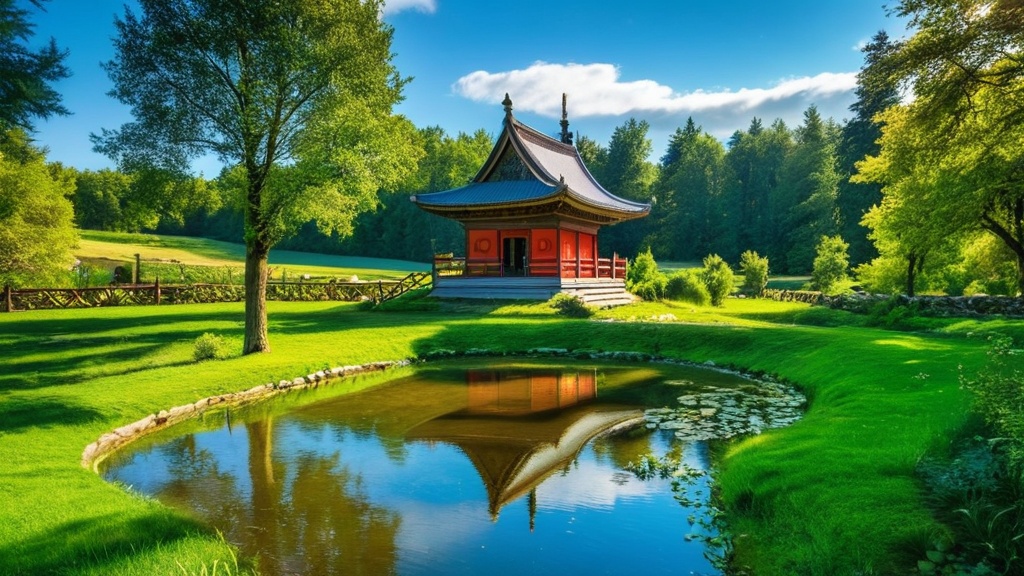
The colors and décor you choose for your home play a significant role in establishing a peaceful atmosphere. Soft, muted tones such as pastels or earth tones can evoke feelings of tranquility and comfort. Consider painting your walls in shades of blue, green, or beige, as these colors are known for their calming effects. You can also incorporate these hues through decorative elements like throw pillows, rugs, or artwork. By surrounding yourself with soothing colors, you create an environment that encourages relaxation and serenity.
In addition to color, the décor you select can further enhance the peaceful ambiance of your home. Opt for minimalist designs that promote simplicity and elegance rather than overwhelming your senses with excessive ornamentation. Choose artwork that inspires calmness—landscapes, abstract pieces in soft colors, or even photographs of serene moments in nature can all contribute to a soothing atmosphere. Remember that less is often more; by curating your décor thoughtfully, you can create a harmonious space that invites relaxation.
Incorporating Natural Elements
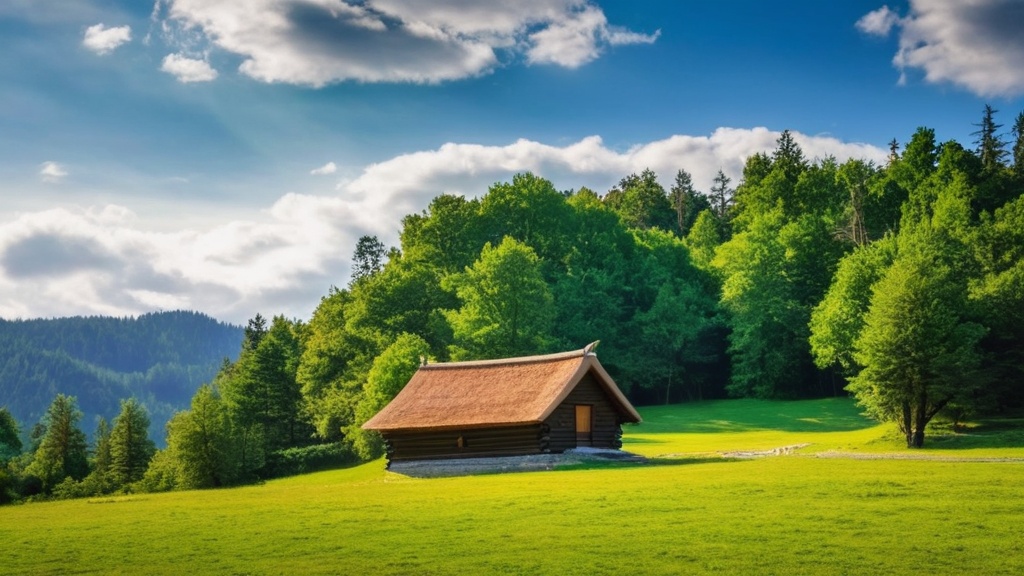
Bringing natural elements into your home is another effective way to create a peaceful sanctuary. Nature has an innate ability to soothe the mind and body, so consider incorporating plants, natural materials, and organic textures into your living space. Houseplants not only purify the air but also add life and vibrancy to your environment. Choose low-maintenance varieties like snake plants or pothos if you’re new to plant care; their resilience makes them perfect companions for any home.
In addition to plants, consider using natural materials such as wood, stone, or bamboo in your décor and furnishings. These elements can create a warm and inviting atmosphere while connecting you to the earth. Textiles made from organic fibers like cotton or linen can also enhance the natural feel of your space. By surrounding yourself with these elements, you’ll foster a sense of harmony and balance that contributes to the overall tranquility of your home.
Creating a peaceful sanctuary at home can significantly enhance your well-being and help you unwind after a long day. By incorporating elements such as calming colors, soft lighting, and natural materials, you can transform your space into a serene retreat. For those looking to deepen their relaxation practices, exploring yoga can be a wonderful addition to your sanctuary. You might find inspiration in this article about ultimate yoga poses for relaxation, which offers valuable insights on how to integrate mindful movement into your daily routine.
Creating a Relaxing Atmosphere with Lighting
| Aspect | Metric | Recommended Value/Range | Notes |
|---|---|---|---|
| Lighting | Natural Light Exposure | 4-6 hours/day | Maximize daylight to improve mood and reduce stress |
| Lighting | Artificial Light Color Temperature | 2700K – 3000K (Warm White) | Warm lighting promotes relaxation in the evening |
| Noise Level | Ambient Noise | < 40 dB | Quiet environment supports calmness and focus |
| Air Quality | Indoor Air Quality Index (IAQ) | 0-50 (Good) | Use air purifiers and plants to maintain fresh air |
| Plants | Number of Indoor Plants | 3-5 per 100 sq ft | Plants improve air quality and add natural beauty |
| Color Scheme | Wall Paint Color | Soft neutrals or pastels | Colors like light blue, beige, or soft green promote tranquility |
| Clutter | Storage Space Utilization | > 80% organized | Decluttered spaces reduce anxiety and improve mental clarity |
| Temperature | Room Temperature | 68-72°F (20-22°C) | Comfortable temperature range for relaxation |
| Comfort | Soft Furnishings | At least 2 types (e.g., cushions, throws) | Enhances coziness and tactile comfort |
| Sound | Use of Soothing Sounds | 10-30 minutes/day | Playing nature sounds or soft music aids relaxation |
Lighting plays a crucial role in setting the mood within your home sanctuary. Harsh overhead lights can create an unwelcoming environment, while soft, warm lighting promotes relaxation and comfort. Consider incorporating multiple layers of lighting throughout your space—ambient lighting for general illumination, task lighting for specific activities, and accent lighting to highlight decorative features. This approach allows you to adjust the lighting according to your needs and preferences.
To create a truly calming atmosphere, opt for dimmable lights or use lamps with soft shades that diffuse light gently. Candles are another excellent option for adding warmth and ambiance; their flickering flames can evoke feelings of peace and tranquility. Additionally, consider using smart lighting systems that allow you to control the brightness and color temperature from your smartphone or voice assistant. By thoughtfully curating your lighting choices, you can transform any room into a serene haven.
Establishing Tranquil Zones for Meditation and Reflection
Creating designated tranquil zones within your home is essential for fostering mindfulness and reflection. These spaces should be free from distractions and designed specifically for relaxation or meditation. Choose a quiet corner or room where you can set up your sanctuary—this could be as simple as a cozy chair with soft cushions or a dedicated meditation mat on the floor.
Enhance this tranquil zone with elements that promote relaxation, such as calming artwork, soft textiles, or even a small water feature that provides soothing sounds. Consider incorporating items that inspire mindfulness—journals for reflection, crystals for energy balancing, or even a small altar with meaningful objects. By establishing these dedicated spaces, you create opportunities for self-care and introspection amidst the busyness of life.
Utilizing Aromatherapy and Essential Oils
Aromatherapy is a powerful tool for enhancing the peaceful atmosphere of your home sanctuary. Scents have the ability to evoke emotions and memories, making them an essential component of creating a calming environment. Essential oils such as lavender, chamomile, and eucalyptus are known for their relaxing properties; consider diffusing these oils throughout your space or adding them to bathwater for an indulgent experience.
You can also explore other methods of incorporating scent into your home—scented candles, incense sticks, or potpourri can all contribute to a soothing ambiance. Experiment with different combinations of scents to find what resonates with you personally; perhaps a blend of citrus oils invigorates you while floral notes help you unwind. By utilizing aromatherapy effectively, you can create an olfactory experience that enhances the tranquility of your home sanctuary.
Practicing Mindfulness and Gratitude in Your Home
Finally, cultivating mindfulness and gratitude within your home is essential for maintaining the peaceful atmosphere you’ve worked hard to create. Take time each day to pause and appreciate the beauty around you—whether it’s the sunlight streaming through your window or the comfort of your favorite chair. Practicing gratitude can shift your perspective and help you focus on the positive aspects of your life.
Incorporate mindfulness practices into your daily routine by setting aside moments for reflection or meditation in your tranquil zones. You might choose to start each day with a few minutes of deep breathing or end it by journaling about what you’re grateful for. These practices not only enhance your sense of peace but also reinforce the sanctuary-like qualities of your home. By embracing mindfulness and gratitude, you’ll find that your living space becomes not just a physical refuge but also an emotional one.
In conclusion, creating a peaceful home sanctuary is an intentional process that involves thoughtful choices about decluttering, color schemes, natural elements, lighting, designated spaces for reflection, aromatherapy, and mindfulness practices. Each step contributes to an environment that nurtures relaxation and well-being. As you embark on this journey to transform your living space into a serene haven, remember that it’s about creating a reflection of yourself—a place where you can truly feel at peace amidst life’s chaos.
FAQs
What are some key elements to consider when creating a peaceful sanctuary at home?
Key elements include choosing calming colors, incorporating natural light, adding comfortable furniture, using soothing scents like essential oils, and minimizing clutter to create a serene environment.
How can lighting affect the ambiance of a peaceful sanctuary?
Lighting plays a crucial role; soft, warm lighting helps create a relaxing atmosphere, while natural light boosts mood and energy. Using dimmable lights or candles can enhance tranquility.
What types of plants are best for promoting relaxation in a home sanctuary?
Plants such as lavender, jasmine, snake plant, and peace lilies are known for their calming effects and air-purifying qualities, making them ideal for a peaceful home space.
How can sound contribute to a peaceful home environment?
Soothing sounds like gentle music, nature sounds, or white noise can reduce stress and promote relaxation. Avoiding loud or harsh noises is important to maintain a calm atmosphere.
Why is decluttering important in creating a peaceful sanctuary at home?
Decluttering reduces visual distractions and stress, making the space feel more open and organized. A tidy environment supports mental clarity and a sense of calm.