

In today’s fast-paced world, the significance of having a relaxing space cannot be overstated. You may find that your environment greatly influences your mood and overall well-being. A tranquil area allows you to escape the chaos of daily life, providing a sanctuary where you can unwind, reflect, and recharge. Whether it’s a cozy corner in your living room, a serene garden, or a dedicated meditation room, creating a space that promotes relaxation is essential for mental clarity and emotional balance.
Moreover, a relaxing space can enhance your productivity and creativity. When you have a designated area that fosters calmness, you are more likely to think clearly and approach tasks with renewed energy. This is particularly important if you work from home or engage in creative pursuits. By investing time and effort into designing a space that soothes your senses, you are not only prioritizing your mental health but also setting the stage for greater achievements in your personal and professional life.
Key Takeaways
- A relaxing space is essential for mental well-being and stress relief.
- Selecting comfortable furniture and calming decor enhances the room’s tranquility.
- Integrating natural elements like plants and natural light promotes relaxation.
- A functional layout ensures ease of movement and a clutter-free environment.
- Soft lighting, personal touches, aromatherapy, and soothing sounds deepen the calming atmosphere.
Choosing the Right Furniture and Decor
Selecting the right furniture and decor is crucial in establishing a relaxing atmosphere. You should consider pieces that not only serve a functional purpose but also contribute to the overall aesthetic of your space. Opt for comfortable seating options, such as plush sofas or oversized chairs, that invite you to sink in and relax. The materials you choose can also play a significant role; soft fabrics like cotton or linen can create a warm and inviting feel, while wooden elements can add a touch of nature and grounding.
When it comes to decor, simplicity often reigns supreme in creating a calming environment. You might want to avoid cluttered spaces filled with excessive decorations. Instead, focus on a few key pieces that resonate with you personally. Artwork that inspires tranquility, such as landscapes or abstract pieces in soothing colors, can enhance the ambiance. Additionally, incorporating textiles like throw pillows and blankets in soft hues can add layers of comfort while maintaining an uncluttered look.

Thicker & Softer: We've upgraded our classic flannel blanket to be softer and warmer than ever, now featuring enhanced premium microfiber. Perfect by itself or as an extra sheet on cold nights, its fluffy and ultra-cozy softness offers the utmost comfort all year round.

Cozy Faux Fur Bean Bag Chair – Designed for Daily Comfort: This chair comfortably supports users up to approximately 176 lbs. Due to the soft memory foam construction, users above this weight may experience a deeper sink-in feel, which is part of the relaxed design. For enhanced back support and optimal comfort, placing the chair against a wall is recommended. Available in Dark Grey, Light Grey, and White, the ultra-soft faux fur cover adds a cozy yet sophisticated look to any room. Please review dimensions before purchase to ensure it fits your space and needs.
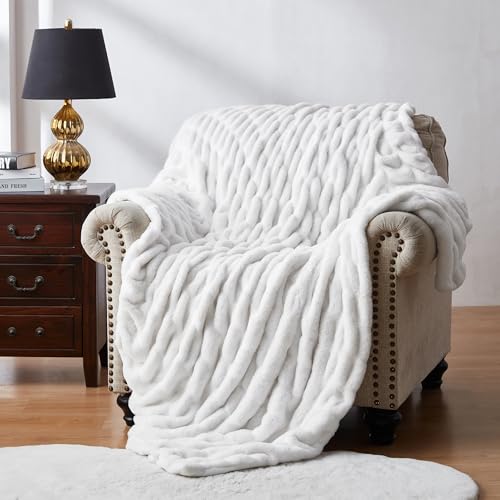
【Faux Fur & Fleece Double-Layer Design】Made from ruched faux fur on the outside and ultra-soft fleece on the inside, this double-layer blanket offers luxuriously soft feel and next-to-skin warmth. The cute blanket hugs you like a warm embrace, delivering cozy comfort, a soothing sense of security, and deep relaxation for restful moments.
Utilizing Natural Elements

Integrating natural elements into your relaxing space can significantly enhance its calming effect. You may want to consider incorporating plants, which not only purify the air but also bring life and vibrancy to your environment. Indoor plants like peace lilies or snake plants are low-maintenance options that thrive in various lighting conditions. The presence of greenery can evoke feelings of serenity and connection to nature, making your space feel more inviting.
In addition to plants, you might explore using natural materials in your decor and furniture choices. Wood, stone, and bamboo can create an organic feel that promotes relaxation. For instance, a wooden coffee table or stone accents can ground the space while adding texture. You could also consider using natural fibers for rugs or curtains, which can soften the overall look while maintaining an earthy vibe. By embracing these elements, you create a harmonious environment that encourages peace and tranquility.
Creating a Functional Layout

A well-thought-out layout is essential for maximizing the potential of your relaxing space. You should aim for a design that promotes ease of movement and encourages relaxation. Start by assessing how you intend to use the space; whether it’s for reading, meditating, or simply lounging, your layout should reflect those activities. Arrange furniture in a way that fosters conversation or solitude, depending on your preference.
Consider creating distinct zones within your space to cater to different activities. For example, you might designate one area for reading with a comfortable chair and good lighting, while another section could serve as a meditation nook with cushions and calming decor. This zoning approach not only enhances functionality but also allows you to transition seamlessly between activities without feeling overwhelmed. By thoughtfully organizing your space, you create an environment that supports relaxation and rejuvenation.
Incorporating Soft Lighting
| Metric | Description | Impact on Relaxation | Measurement Method |
|---|---|---|---|
| Natural Light Exposure | Amount of sunlight entering the space | High exposure increases relaxation and mood | Lux meter readings, hours of sunlight |
| Clutter Level | Degree of disorganization and mess | Lower clutter reduces stress and promotes calm | Visual assessment, item count per area |
| Color Palette | Use of calming colors like blues and greens | Soothing colors enhance relaxation | Color analysis, psychological surveys |
| Furniture Arrangement | Layout promoting open space and flow | Open layouts reduce anxiety and improve comfort | Spatial mapping, user feedback |
| Indoor Plants | Presence and number of plants in the space | Plants improve air quality and reduce stress | Plant count, air quality measurements |
| Noise Level | Ambient sound measured in decibels | Lower noise levels promote relaxation | Sound level meter readings |
| Temperature Comfort | Ambient temperature in degrees Celsius or Fahrenheit | Comfortable temperature enhances relaxation | Thermometer readings, occupant surveys |
Lighting plays a pivotal role in setting the mood of any space, especially when it comes to relaxation. You should aim for soft, ambient lighting that creates a warm and inviting atmosphere. Harsh overhead lights can be jarring and counterproductive to relaxation; instead, consider using floor lamps, table lamps, or even string lights to achieve a gentle glow. Dimmable lights can also be an excellent addition, allowing you to adjust the brightness according to your needs.
In addition to artificial lighting, you might want to take advantage of natural light during the day. Positioning furniture near windows can help you soak in sunlight while enjoying the view outside. However, it’s equally important to have window treatments that allow you to control the amount of light entering the space. Sheer curtains can filter sunlight while maintaining privacy, creating an airy feel without sacrificing comfort. By carefully considering your lighting choices, you can cultivate an atmosphere that encourages relaxation at any time of day.
Adding Personal Touches
Personal touches are what truly make a space feel like your own sanctuary. You should think about incorporating items that hold sentimental value or evoke positive memories. Family photos displayed in tasteful frames or travel souvenirs can add character and warmth to your relaxing area. These personal elements not only enhance the aesthetic but also create an emotional connection to the space.
Additionally, consider showcasing your hobbies or interests through decor. If you love reading, a well-stocked bookshelf can serve as both a functional and decorative element. If art is your passion, displaying your own creations or pieces from local artists can infuse personality into the room. By curating these personal touches, you transform your relaxing space into a reflection of who you are, making it even more inviting and comforting.
Implementing Aromatherapy and Sound
Aromatherapy and sound are powerful tools for enhancing relaxation in your space. You might want to explore essential oils known for their calming properties, such as lavender or chamomile. Using a diffuser can disperse these soothing scents throughout the room, creating an atmosphere conducive to relaxation and stress relief. Alternatively, scented candles can provide both fragrance and soft lighting, adding another layer of comfort to your environment.
Sound is equally important in cultivating tranquility. You may find that incorporating gentle background music or nature sounds can significantly enhance your experience in the space. Consider using speakers or sound machines that offer calming playlists or ambient sounds like ocean waves or rustling leaves. These auditory elements can help drown out distractions and create a serene backdrop for relaxation or meditation. By thoughtfully integrating aromatherapy and sound into your space, you create an immersive experience that nurtures both body and mind.
Maintaining and Refreshing the Space
Creating a relaxing space is not just about initial design; it also involves ongoing maintenance and refreshing efforts to keep it inviting over time. Regularly decluttering is essential; you should take time to assess what items truly belong in your sanctuary and remove anything that disrupts its calming energy. This practice not only keeps the space tidy but also allows you to appreciate the elements that bring you joy.
Additionally, consider refreshing your decor periodically to keep the environment feeling new and inspiring.
You might swap out throw pillows with seasonal colors or change artwork based on your current mood or interests.
Even small adjustments can breathe new life into your space without requiring a complete overhaul. By committing to maintaining and refreshing your relaxing area, you ensure it remains a cherished retreat where you can always find solace amidst life’s demands.
In conclusion, creating a relaxing space is an ongoing journey that involves thoughtful consideration of various elements—from furniture selection to personal touches. By understanding its importance and implementing strategies such as utilizing natural elements and incorporating soft lighting, you can cultivate an environment that nurtures peace and tranquility. Remember that this space is yours; it should reflect who you are while providing comfort and solace whenever you need it most.
FAQs
What is meant by relaxation through space arrangement?
Relaxation through space arrangement refers to organizing and designing physical spaces in a way that promotes calmness, reduces stress, and enhances overall well-being. This can involve decluttering, choosing calming colors, and arranging furniture to create a peaceful environment.
How does space arrangement affect mental relaxation?
The arrangement of a space can influence mental relaxation by reducing visual clutter, improving flow and accessibility, and creating a sense of order. A well-organized space can help lower anxiety levels and promote a feeling of control and tranquility.
What are some common techniques used in space arrangement for relaxation?
Common techniques include decluttering, using natural light, incorporating plants, selecting soothing color palettes, arranging furniture to maximize open space, and creating designated areas for rest and mindfulness.
Can space arrangement impact physical relaxation as well?
Yes, space arrangement can impact physical relaxation by providing comfortable seating, ensuring good air quality, reducing noise levels, and creating ergonomic layouts that support posture and reduce physical strain.
Is space arrangement important for relaxation in both homes and workplaces?
Absolutely. Effective space arrangement can enhance relaxation and productivity in both homes and workplaces by creating environments that reduce stress, improve focus, and support mental and physical well-being.