

As you delve into the realms of Feng Shui and Vastu Shastra, you will discover that both practices are ancient systems of design and architecture that aim to create harmony between individuals and their environments. Originating from China, Feng Shui translates to “wind” and “water,” symbolizing the flow of energy or “chi” in your surroundings. This practice emphasizes the importance of spatial arrangement and orientation, believing that the layout of your home or office can significantly influence your well-being, prosperity, and relationships. On the other hand, Vastu Shastra hails from India and is rooted in the principles of architecture and design that align with natural forces. It focuses on the directional alignments of buildings and spaces, ensuring that they resonate with the energies of the earth.
Both Feng Shui and Vastu Shastra share a common goal: to create spaces that promote positive energy flow. While they stem from different cultural backgrounds, their underlying philosophies are remarkably similar. You will find that both systems advocate for a deep connection with nature, encouraging you to consider how your environment affects your mental, emotional, and physical health. By understanding these ancient practices, you can begin to appreciate how they can enhance your life by fostering a sense of balance and tranquility in your surroundings.
Key Takeaways
- Feng Shui and Vastu Shastra are ancient practices focused on harmonizing energy in living spaces.
- Both systems emphasize the balance of natural elements to promote well-being and prosperity.
- Applying their principles in home and workspace design can enhance comfort, productivity, and positive energy flow.
- Interior design incorporating these philosophies uses spatial arrangement and element placement for optimal harmony.
- Common misconceptions include oversimplification and misunderstanding of their cultural and practical significance.
The Principles of Feng Shui and Vastu Shastra
At the heart of Feng Shui lies the concept of chi, which is the life force that flows through everything around you. You will learn that this energy can be influenced by various factors, including the arrangement of furniture, the colors used in your space, and even the presence of certain objects. The Bagua map is a vital tool in Feng Shui, helping you identify areas of your home that correspond to different aspects of your life, such as wealth, health, and relationships. By analyzing these areas, you can make informed decisions about how to enhance the energy flow in your space.
Vastu Shastra operates on similar principles but places a stronger emphasis on directional alignments. Each direction is associated with specific elements and energies that can impact your life. For instance, the north is linked to wealth and prosperity, while the south is associated with stability and strength. You will find that Vastu encourages you to design your living spaces in a way that aligns with these energies, ensuring that you harness their positive influences. By understanding these foundational principles, you can begin to create environments that support your goals and aspirations.


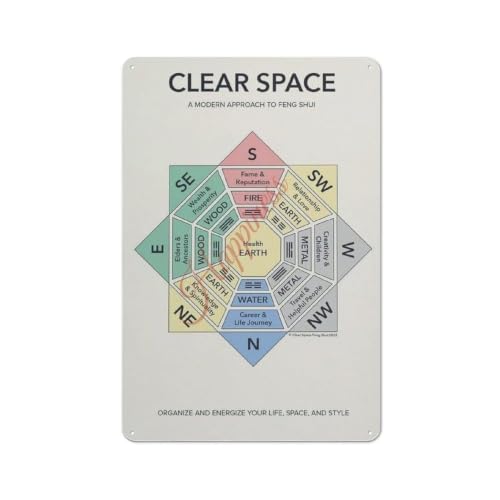
【Perfect Size & Eye-Catching Design】 Carefully designed in popular sizes 8×12 inch , this metal sign offers the perfect balance between visibility and decoration. The clear artwork and stylish design make the message easy to notice while adding a unique decorative touch without overwhelming your space.
Applying Feng Shui and Vastu Shastra in Your Home

When it comes to applying Feng Shui and Vastu Shastra in your home, the first step is to assess your current living space.
You may want to start by decluttering your environment, as excess items can obstruct the flow of chi or disrupt the harmonious energies dictated by Vastu.
By removing unnecessary clutter, you create a more inviting atmosphere that allows positive energy to circulate freely. This simple act can have a profound impact on your overall well-being.
Next, consider the arrangement of furniture and decor in your home. In Feng Shui, it is essential to position furniture in a way that promotes conversation and connection while allowing for easy movement throughout the space. You might want to avoid placing furniture directly in line with doors or windows, as this can create a sense of imbalance. In Vastu Shastra, pay attention to the placement of rooms according to their functions; for example, kitchens should ideally be located in the southeast direction to harness the fire element effectively. By thoughtfully arranging your home according to these principles, you can cultivate an environment that nurtures both comfort and productivity.
The Role of Elements in Feng Shui and Vastu Shastra

In both Feng Shui and Vastu Shastra, the five elements—earth, water, fire, air, and space—play a crucial role in shaping your environment. Each element carries its own unique energy and significance, influencing various aspects of your life. For instance, earth represents stability and nourishment; incorporating earthy colors or materials into your decor can help ground you and create a sense of security. Water symbolizes abundance and flow; adding water features or using blue tones can enhance prosperity in your space.
Fire is associated with passion and transformation; you might consider incorporating candles or warm colors to ignite creativity and motivation. Air represents communication and clarity; ensuring proper ventilation and incorporating plants can enhance this element’s presence in your home. Lastly, space embodies potential and openness; creating uncluttered areas allows for new opportunities to enter your life. By understanding how these elements interact within your living space, you can create a balanced environment that supports your personal growth.
Creating Balance and Harmony with Feng Shui and Vastu Shastra
| Aspect | Feng Shui | Vastu Shastra |
|---|---|---|
| Origin | Ancient China | Ancient India |
| Primary Focus | Energy flow (Qi) and harmony with environment | Directional alignments and spatial geometry |
| Key Elements | Five Elements: Wood, Fire, Earth, Metal, Water | Five Elements: Earth, Water, Fire, Air, Space |
| Directions Importance | Cardinal and intercardinal directions with Bagua map | Cardinal directions with specific zone functions |
| Application Areas | Homes, offices, gardens, urban planning | Homes, temples, offices, city planning |
| Common Tools | Bagua map, Luo Pan compass | Vastu Purusha Mandala, magnetic compass |
| Goal | Enhance positive energy and reduce negative energy | Promote health, prosperity, and well-being through spatial harmony |
| Typical Recommendations | Placement of furniture, colors, water features | Room placement, entrance location, slope and drainage |
| Time Influence | Consideration of time cycles and flying stars | Less emphasis on time, more on spatial orientation |
Achieving balance and harmony in your home is essential for fostering a sense of peace and well-being. In Feng Shui, this often involves creating a balance between yin (passive) and yang (active) energies. You may want to incorporate soft textures and calming colors alongside vibrant artwork or dynamic shapes to achieve this equilibrium. Additionally, consider the flow of energy throughout your space; ensuring that pathways are clear and inviting can help maintain a harmonious atmosphere.
In Vastu Shastra, balance is achieved through proper alignment with natural forces. You might want to ensure that your home is oriented correctly according to cardinal directions, as this can significantly impact the energy flow within your space. For example, placing heavy furniture in the southwest corner can provide stability while allowing lighter elements in the northeast to promote positivity. By consciously creating balance through these practices, you can cultivate an environment that nurtures both body and spirit.
Feng Shui and Vastu Shastra in Interior Design
Incorporating Feng Shui and Vastu Shastra into interior design allows you to create spaces that are not only aesthetically pleasing but also energetically supportive. As you explore design options, consider how colors, materials, and layouts can influence the energy within each room. For instance, using natural materials like wood or stone can enhance feelings of warmth and connection to nature. You might also want to select colors based on their energetic properties; soft blues can promote tranquility while vibrant reds can stimulate passion.
When designing specific areas of your home, think about how each space serves its purpose. In Feng Shui, the bedroom should be a sanctuary for rest; positioning the bed away from direct lines of sight from doors can create a sense of security. In Vastu Shastra, kitchens should be designed with functionality in mind; placing cooking appliances in the southeast corner aligns with fire energy for optimal nourishment. By integrating these principles into your interior design choices, you can create spaces that resonate with both beauty and positive energy.
Incorporating Feng Shui and Vastu Shastra in Your Workspace
Your workspace plays a significant role in shaping your productivity and overall satisfaction at work. By applying Feng Shui and Vastu Shastra principles in this environment, you can enhance focus and creativity while minimizing stress. Start by evaluating your desk placement; ideally, it should be positioned in a way that allows you to see the entrance without being directly in line with it. This arrangement fosters a sense of control over your environment while promoting confidence.
Incorporating elements such as plants or water features can also improve energy flow within your workspace. Plants not only purify the air but also bring life into an otherwise sterile environment; consider adding low-maintenance varieties like succulents or snake plants for an instant boost of vitality. Additionally, using colors that align with your work goals—such as green for growth or blue for clarity—can further enhance productivity. By thoughtfully integrating these practices into your workspace design, you can create an environment that supports both professional success and personal well-being.
Common Misconceptions about Feng Shui and Vastu Shastra
As you explore Feng Shui and Vastu Shastra further, it’s essential to address some common misconceptions surrounding these practices. One prevalent myth is that they are merely superstitions or trends without any real basis in reality. In truth, both systems are grounded in centuries of observation about how environments affect human behavior and well-being. They offer practical guidelines for creating spaces that promote positive energy flow rather than relying solely on mystical beliefs.
Another misconception is that implementing these principles requires extensive renovations or costly changes to your home or workspace. While significant alterations may enhance energy flow, many adjustments can be made simply through thoughtful rearrangement or decluttering. You might find that small changes—like repositioning furniture or adding specific decor items—can yield significant improvements in how you feel within a space. By dispelling these myths, you can approach Feng Shui and Vastu Shastra with an open mind, ready to embrace their potential benefits for enhancing your life.
In conclusion, understanding Feng Shui and Vastu Shastra opens up a world of possibilities for creating harmonious living environments that support your well-being. By applying their principles thoughtfully in your home and workspace, you can cultivate balance and positivity while dispelling common misconceptions along the way. Embrace these ancient practices as tools for enhancing not just your surroundings but also your overall quality of life.
FAQs
What is Feng Shui?
Feng Shui is an ancient Chinese practice that focuses on harmonizing individuals with their surrounding environment. It involves arranging spaces and objects to promote positive energy flow, health, and prosperity.
What is Vastu Shastra?
Vastu Shastra is a traditional Indian system of architecture and design that aims to create harmonious living and working spaces by aligning structures with natural forces and directions to enhance well-being and success.
How do Feng Shui and Vastu Shastra differ?
While both Feng Shui and Vastu Shastra seek to create balanced and positive environments, Feng Shui originates from China and emphasizes energy flow (Qi) and the five elements, whereas Vastu Shastra comes from India and focuses on directional alignments and the five elements (earth, water, fire, air, and space).
Can Feng Shui and Vastu Shastra be applied together?
Yes, some people combine principles from both Feng Shui and Vastu Shastra to optimize their living or working spaces. However, it requires careful consideration since the two systems have different guidelines and cultural contexts.
What are common benefits of following Feng Shui or Vastu Shastra?
Both practices aim to improve health, wealth, relationships, and overall well-being by creating balanced environments. They can help reduce stress, increase productivity, and promote harmony in homes and workplaces.