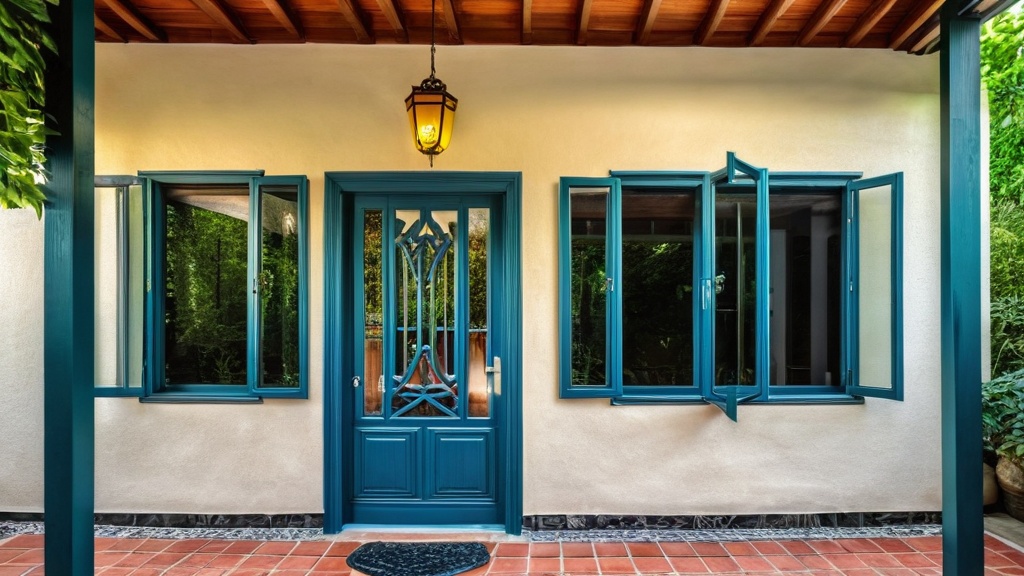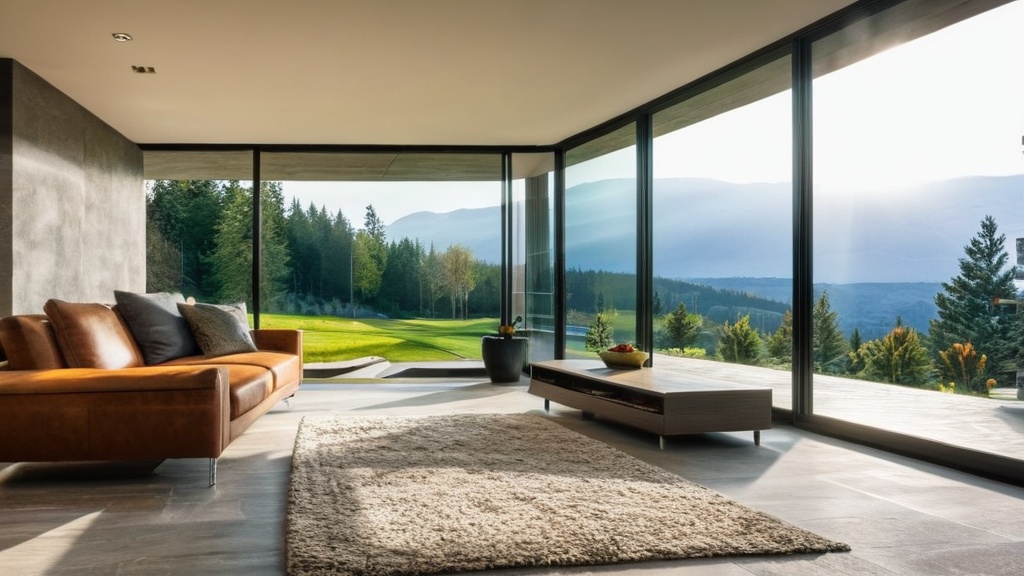
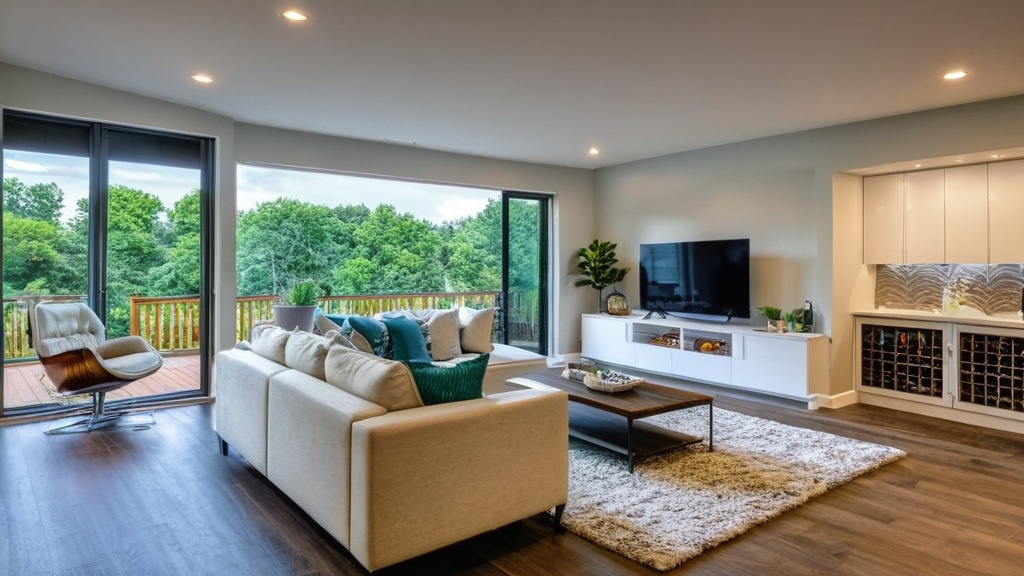
When you embark on the journey of decluttering and organizing your space, you are not just tidying up; you are creating a sanctuary that reflects your personality and promotes peace of mind. Start by assessing each room in your home, identifying items that no longer serve a purpose or bring you joy. This process can be both liberating and daunting, but remember that every item you choose to let go of is a step toward a more serene environment. Consider using the “one-year rule”: if you haven’t used or worn something in the past year, it might be time to part ways with it. This simple guideline can help you make decisions more easily and reduce the emotional weight of your belongings.
Once you’ve sorted through your possessions, it’s time to organize what remains. Invest in storage solutions that suit your style and needs, such as decorative baskets, shelving units, or drawer organizers. Group similar items together to create a sense of order and ease of access. For instance, in your kitchen, keep all baking supplies in one area and cooking utensils in another. This not only streamlines your daily routines but also enhances the overall aesthetic of your space. As you organize, take a moment to appreciate the clarity that comes with a decluttered environment; it can significantly impact your mood and productivity.
Creating a stress-free living space is essential for promoting relaxation and well-being. To complement your efforts in designing a serene environment, you might find it beneficial to explore related techniques that can further enhance your tranquility. For instance, you can read about effective stress-busting exercises in this insightful article: Discover the Ultimate Stress-Busting Exercises. Integrating these practices into your daily routine can help you maintain a peaceful atmosphere in your home.
Key Takeaways
- Decluttering and organizing create a calm and tidy environment.
- Relaxing color schemes promote tranquility and restfulness.
- Natural elements like plants enhance mood and air quality.
- Proper lighting supports comfort and functionality in the space.
- Personal touches and routines help maintain a cozy, inviting atmosphere.
Creating a Relaxing Color Scheme
The colors you choose for your living space play a crucial role in setting the mood and atmosphere. When creating a relaxing color scheme, consider hues that evoke calmness and tranquility. Soft blues, gentle greens, and warm neutrals can create a soothing backdrop that encourages relaxation. You might want to start with a neutral base for your walls and larger furniture pieces, allowing you to add pops of color through accessories like cushions, artwork, or throws. This approach not only makes it easier to change the look of your space over time but also ensures that your environment remains inviting and serene.
In addition to selecting the right colors, think about how they interact with natural light throughout the day. A color that looks beautiful in the morning sun may appear entirely different in the evening’s dim light. Test paint samples on your walls and observe how they change throughout the day before making a final decision. You can also incorporate different shades of the same color family to create depth and interest without overwhelming the senses. By thoughtfully curating your color palette, you can transform your home into a peaceful retreat that nurtures your well-being.
Incorporating Natural Elements
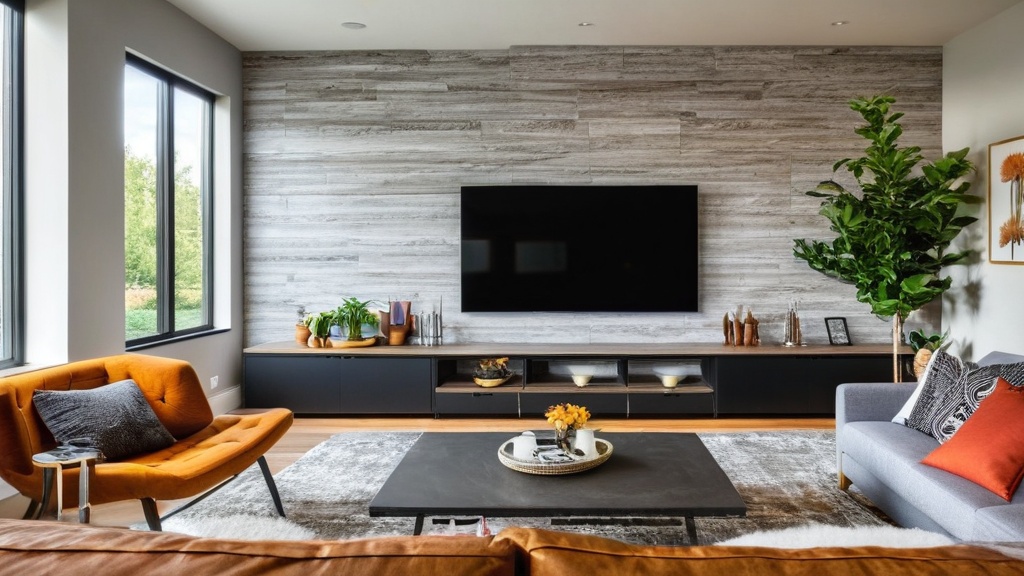
Bringing nature indoors is an effective way to enhance the tranquility of your living space. Incorporating natural elements such as plants, wood, and stone can create a harmonious atmosphere that promotes relaxation and well-being. Start by adding houseplants to your home; they not only purify the air but also add life and vibrancy to any room. Choose low-maintenance varieties like snake plants or pothos if you’re new to plant care. Position them near windows where they can thrive while also providing a refreshing touch of greenery.
In addition to plants, consider using natural materials in your decor. Wooden furniture pieces, stone accents, or woven textiles can add warmth and texture to your space. For example, a reclaimed wood coffee table or a jute rug can create an inviting focal point in your living room. These elements not only enhance the aesthetic appeal but also foster a connection to nature, which can be incredibly grounding. By thoughtfully incorporating natural elements into your home, you create an environment that feels both calming and rejuvenating.
Implementing Proper Lighting
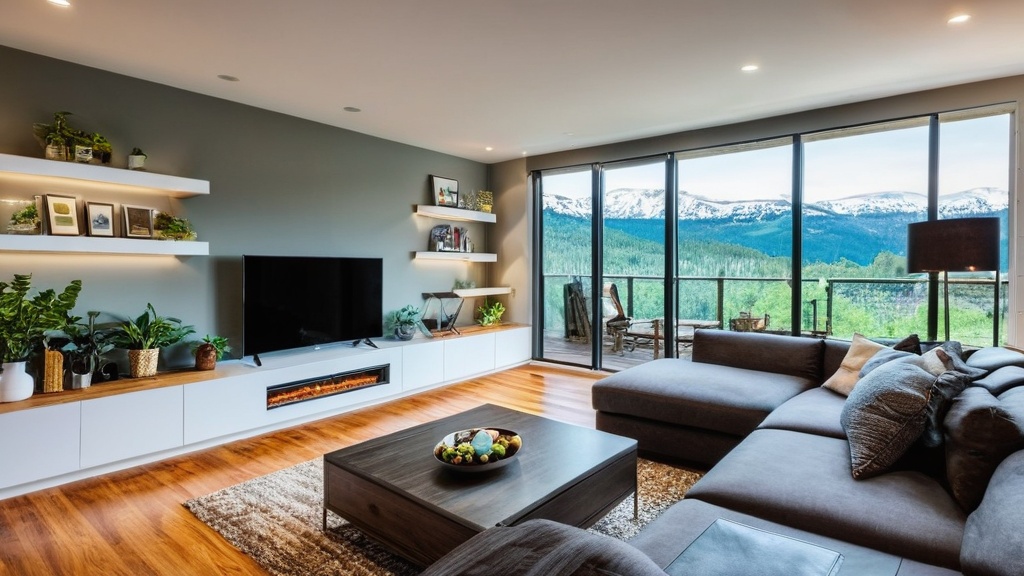
Lighting is one of the most critical aspects of creating a comfortable and inviting atmosphere in your home. The right lighting can transform a space from cold and unwelcoming to warm and cozy. Start by evaluating the natural light sources in each room; maximize these by using sheer curtains or blinds that allow sunlight to filter through while maintaining privacy. During the day, let the light in to energize your space, but as evening approaches, consider how you can create a softer ambiance.
Layering different types of lighting is essential for achieving balance and versatility. Combine ambient lighting, such as ceiling fixtures or recessed lights, with task lighting like table lamps or under-cabinet lights for functionality. Accent lighting can also be used to highlight artwork or architectural features in your home. Dimmers are an excellent addition as they allow you to adjust the brightness according to your mood or activity. By thoughtfully implementing various lighting sources, you can create an inviting atmosphere that adapts to different times of day and activities.
Creating a stress-free living space is essential for enhancing overall well-being, and incorporating effective breathing techniques can significantly contribute to this goal. By focusing on your breath, you can cultivate a sense of calm and clarity in your environment. For more insights on how breathing can improve emotional health, you can explore this informative article on breathing techniques. Integrating these practices into your daily routine can help transform your living space into a serene sanctuary.
Designing a Comfortable Furniture Layout
| Metric | Description | Recommended Value/Range | Impact on Stress-Free Living |
|---|---|---|---|
| Natural Light Exposure | Amount of sunlight entering the living space daily | 4-6 hours | Boosts mood and reduces stress hormones |
| Indoor Air Quality (IAQ) | Level of pollutants and fresh air circulation | CO2 below 1000 ppm | Improves cognitive function and reduces anxiety |
| Clutter Level | Amount of unnecessary items in living space | Minimal, organized storage | Promotes calmness and mental clarity |
| Noise Level | Ambient sound measured in decibels (dB) | Below 40 dB | Reduces stress and improves relaxation |
| Temperature | Indoor temperature comfort range | 68-72°F (20-22°C) | Enhances comfort and reduces irritability |
| Greenery Presence | Number of indoor plants or natural elements | 3-5 plants per room | Improves air quality and promotes relaxation |
| Color Palette | Use of calming colors in decor | Soft blues, greens, neutrals | Creates a soothing environment |
| Ergonomic Furniture | Furniture designed for comfort and support | Adjustable and supportive seating | Reduces physical stress and discomfort |
The layout of your furniture significantly impacts how you experience your space. A well-thought-out arrangement can enhance flow and functionality while promoting comfort and relaxation. Begin by considering how you use each room; for example, in a living room, you may want to create conversation areas by positioning seating around a central coffee table. Ensure there is enough space for movement between furniture pieces so that the area feels open rather than cramped.
When designing your layout, think about focal points such as fireplaces or large windows that draw attention. Arrange furniture to highlight these features while maintaining balance throughout the room. You might also want to experiment with different configurations before settling on one; sometimes, moving a piece just a few inches can make a significant difference in how inviting the space feels. By prioritizing comfort and flow in your furniture layout, you create an environment that encourages relaxation and connection.
Utilizing Aromatherapy and Essential Oils
Aromatherapy is a powerful tool for enhancing the ambiance of your home and promoting relaxation. The scents you choose can evoke memories, influence mood, and even improve focus. Start by exploring various essential oils that resonate with you; lavender is known for its calming properties, while citrus scents like lemon or orange can energize and uplift your spirits. You might consider investing in an essential oil diffuser to disperse these fragrances throughout your home gently.
Incorporating aromatherapy into your daily routine can be as simple as adding a few drops of essential oil to your bath or using scented candles during quiet evenings at home. You could also create personalized room sprays by mixing essential oils with water in a spray bottle for an instant refresh whenever needed. As you experiment with different scents, pay attention to how they affect your mood and overall well-being; this practice not only enhances your environment but also encourages mindfulness in your daily life.
Adding Personal Touches and Sentimental Items
Your home should be a reflection of who you are, filled with personal touches that tell your story. Incorporating sentimental items into your decor can create a sense of belonging and warmth within your space. Consider displaying family photos in unique frames or creating a gallery wall that showcases cherished memories from travels or special occasions. These personal elements not only add character but also serve as conversation starters when guests visit.
In addition to photographs, think about incorporating mementos from significant life events—perhaps a piece of art from a local artist you admire or souvenirs from memorable trips you’ve taken. These items infuse your home with personality and history, making it feel uniquely yours. As you curate these personal touches, remember that less is often more; choose items that resonate deeply with you rather than overcrowding surfaces with too many decorations. By thoughtfully selecting sentimental pieces, you create an environment that feels both inviting and meaningful.
Establishing a Routine for Maintenance and Upkeep
Creating a serene living space requires ongoing effort; establishing a routine for maintenance and upkeep is essential for preserving the tranquility you’ve cultivated. Start by setting aside time each week for cleaning tasks—this could include dusting surfaces, vacuuming floors, or organizing clutter that may have accumulated during the week. By dedicating specific times for these activities, you prevent them from becoming overwhelming chores.
In addition to regular cleaning, consider implementing small daily habits that contribute to maintaining order in your home. For instance, make it a habit to put items back in their designated places after use or spend just five minutes each day tidying up common areas. These small actions can significantly reduce clutter over time and help maintain the peaceful atmosphere you’ve worked hard to create.
By establishing a routine for maintenance and upkeep, you ensure that your home remains a sanctuary where you can unwind and recharge amidst life’s demands.
FAQs
What are the key elements of a stress-free living space?
Key elements include clutter-free organization, calming colors, natural light, comfortable furniture, and the incorporation of plants or natural elements to promote relaxation.
How does decluttering contribute to a stress-free environment?
Decluttering reduces visual distractions and mental overload, making the space feel more open and peaceful, which helps lower stress levels.
What role does lighting play in creating a stress-free living space?
Natural lighting boosts mood and energy, while soft, warm artificial lighting can create a cozy and calming atmosphere, both of which contribute to stress reduction.
Can incorporating plants improve the stress-free quality of a living space?
Yes, plants improve air quality, add natural beauty, and have been shown to reduce stress and increase feelings of well-being.
How important is furniture comfort in maintaining a stress-free living space?
Comfortable furniture supports relaxation and physical well-being, which are essential for reducing stress and creating a restful environment.