
In today’s fast-paced world, the importance of relaxation cannot be overstated. You may find yourself juggling multiple responsibilities, from work commitments to family obligations, leaving little time for self-care. However, carving out moments for relaxation is essential for your mental and physical well-being. Home relaxation techniques offer you a convenient way to unwind and recharge without the need for elaborate setups or expensive retreats. By incorporating simple practices into your daily routine, you can create a sanctuary of peace right in your own home.
Understanding the various methods available for relaxation can empower you to choose what resonates best with your lifestyle. Whether you prefer the stillness of meditation, the gentle flow of yoga, or the soothing scents of aromatherapy, there is a technique that can cater to your needs. This article will explore several effective home relaxation techniques that you can easily integrate into your life, helping you to cultivate a sense of calm and balance amidst the chaos.
Key Takeaways
- Home relaxation techniques can effectively reduce stress and improve well-being.
- Breathing exercises help calm the mind and alleviate tension quickly.
- Creating a peaceful home environment enhances overall relaxation.
- Simple yoga poses and mindfulness practices promote physical and mental calmness.
- Aromatherapy, soothing music, and self-massage are practical tools for deep relaxation.
Breathing Exercises for Stress Relief
One of the simplest yet most powerful tools at your disposal for stress relief is your breath. Breathing exercises can help you center yourself and alleviate feelings of anxiety or tension. You might start with a basic technique known as diaphragmatic breathing. To practice this, find a comfortable position, either sitting or lying down. Place one hand on your chest and the other on your abdomen. As you inhale deeply through your nose, focus on expanding your diaphragm rather than your chest. This method encourages deeper breaths and promotes relaxation by activating your body’s parasympathetic nervous system.
Another effective breathing exercise is the 4-7-8 technique, which can be particularly beneficial when you feel overwhelmed. Inhale quietly through your nose for a count of four, hold your breath for a count of seven, and then exhale completely through your mouth for a count of eight. This rhythmic pattern not only calms your mind but also helps regulate your heart rate.
By incorporating these breathing exercises into your daily routine, you can create a powerful tool for managing stress and enhancing your overall sense of well-being.

Trusted Brand with Quality Assurance: At InnoGear, we don't just promise quality, we assure it. As a leading company with more than 10 years of expertise in diffuser, we've earned our reputation as a trusted name. Our essential oil diffuser emits a fine nano mist without any harsh chemicals by harnessing the latest ultrasonic technology and using premium PP materials. Rest assured, every oil diffuser we offer has a solid one-year warranty and lifetime technical support.

Cost-Effective Essential Oil Use – Uses far less oil than waterless diffusers. Any essential oil can be used in our air diffuser while waterless models quickly use up entire oil bottles in just a few days. Enjoy long-lasting fragrance at only 1/5 the oil cost, helping you cut down on daily expenses.

SANTAL — The original Santal home scent, and our most iconic fragrance. Creamy Australian sandalwood with warm amber, papyrus, and dry woods — smooth, modern, and quietly confident. The luxury hotel scent, now for your home.
Creating a Calm Environment at Home
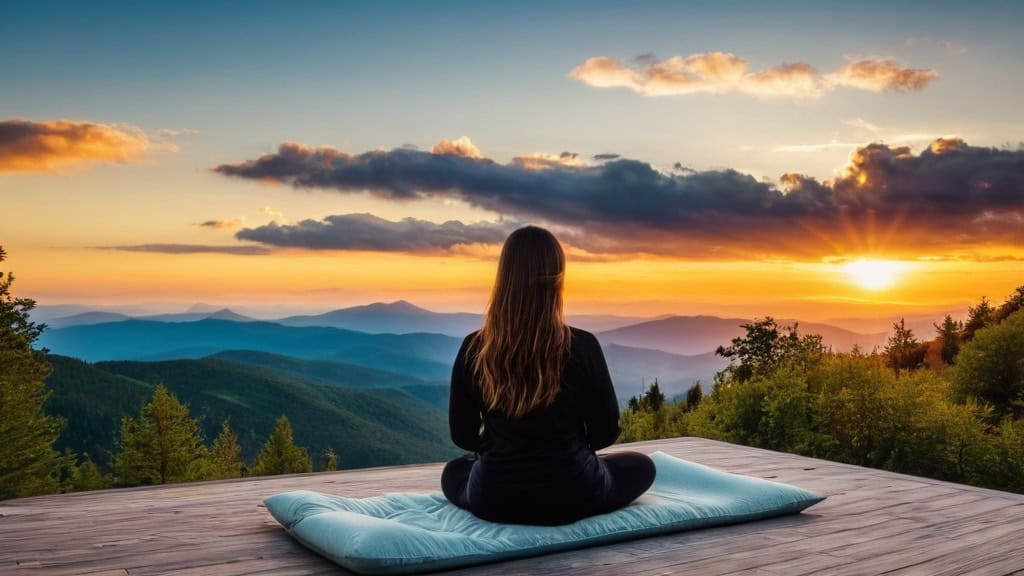
Your environment plays a significant role in how relaxed you feel. To foster a calming atmosphere at home, consider decluttering your space. A tidy environment can lead to a clearer mind, allowing you to focus on relaxation rather than distractions. Start by organizing your living area, removing items that no longer serve a purpose or bring you joy. You may find that a minimalist approach helps create a serene backdrop for your relaxation practices.
In addition to decluttering, think about the sensory elements in your home. Soft lighting can create a warm and inviting ambiance, so consider using lamps with dimmers or candles to set the mood. Incorporating natural elements like plants or flowers can also enhance the tranquility of your space. The colors you choose for your walls and decor can influence your mood as well; soft blues and greens are often associated with calmness and serenity.
By intentionally crafting a peaceful environment, you set the stage for relaxation and self-care.
Simple Yoga Poses for Relaxation
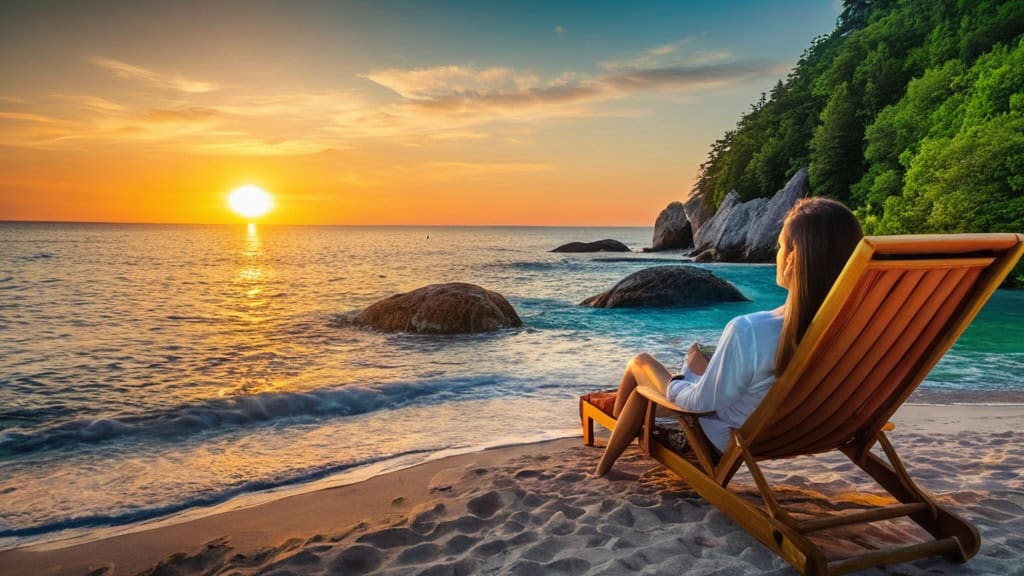
Yoga is an ancient practice that combines physical postures with breath control and meditation, making it an excellent choice for relaxation. You don’t need to be an expert to reap the benefits; even simple poses can help release tension and promote a sense of calm. One such pose is Child’s Pose (Balasana), which encourages deep stretching of the back and hips while promoting introspection. To perform this pose, kneel on the floor, sit back on your heels, and stretch your arms forward on the ground while resting your forehead on the mat. This gentle position allows you to breathe deeply and feel grounded.
Another beneficial pose is Legs-Up-the-Wall (Viparita Karani). This restorative pose involves lying on your back with your legs extended up against a wall. It helps improve circulation and reduces fatigue while providing a sense of tranquility. As you hold this position, focus on your breath and allow any tension in your body to melt away. Incorporating these simple yoga poses into your routine can significantly enhance your ability to relax and connect with yourself.
Mindfulness and Meditation Practices
| Relaxation Technique | Duration | Benefits | Required Materials | Difficulty Level |
|---|---|---|---|---|
| Deep Breathing | 5-10 minutes | Reduces stress, lowers heart rate, improves focus | None | Easy |
| Progressive Muscle Relaxation | 10-15 minutes | Relieves muscle tension, promotes calmness | Quiet space | Moderate |
| Meditation | 10-20 minutes | Enhances mindfulness, reduces anxiety | Optional cushion or chair | Moderate |
| Guided Imagery | 10-15 minutes | Improves mood, reduces stress | Audio recording or script (optional) | Easy |
| Yoga Stretching | 15-30 minutes | Increases flexibility, reduces tension | Yoga mat (optional) | Moderate |
| Listening to Calm Music | 10-30 minutes | Soothes mind, lowers blood pressure | Music player or smartphone | Easy |
Mindfulness and meditation are powerful practices that encourage you to be present in the moment, helping to alleviate stress and anxiety. You might begin by setting aside just a few minutes each day to practice mindfulness. Find a quiet space where you won’t be disturbed, sit comfortably, and focus on your breath. As thoughts arise, acknowledge them without judgment and gently bring your attention back to your breath. This practice cultivates awareness and helps you develop a more profound sense of calm.
Meditation can take many forms, from guided sessions to silent reflection. You may find it helpful to use apps or online resources that offer guided meditations tailored to relaxation. These sessions often include soothing music or nature sounds that enhance the experience. As you engage in regular meditation practice, you may notice an increased ability to manage stress and an overall improvement in your emotional well-being.
Using Aromatherapy for Relaxation
Aromatherapy is another effective technique for promoting relaxation at home. The use of essential oils can have profound effects on your mood and stress levels. Lavender oil is particularly renowned for its calming properties; simply diffusing it in your living space or adding a few drops to your bath can create a soothing atmosphere. You might also explore other essential oils like chamomile or bergamot, which are known for their relaxing effects.
To incorporate aromatherapy into your routine, consider investing in an essential oil diffuser or creating homemade blends that resonate with you. You could also use essential oils in massage oils or lotions during self-care sessions. The act of inhaling these pleasant scents can trigger positive emotional responses in your brain, making it easier for you to unwind after a long day.
Relaxing Music and Sound Therapy
Music has an incredible ability to influence our emotions and state of mind. When it comes to relaxation, creating a playlist of soothing music can be an invaluable tool in helping you unwind at home. You might choose soft instrumental tracks, nature sounds, or even binaural beats designed specifically for relaxation and meditation. The key is to select music that resonates with you personally and evokes feelings of peace.
Sound therapy is another avenue worth exploring; it involves using sound frequencies to promote healing and relaxation. You could experiment with Tibetan singing bowls or tuning forks that produce calming vibrations when played. These sounds can help synchronize brainwaves and induce a state of deep relaxation. By integrating relaxing music and sound therapy into your home environment, you create an auditory landscape that supports your journey toward tranquility.
Self-Massage and Body Relaxation Techniques
Self-massage is an excellent way to release tension stored in your muscles while promoting relaxation at home. You might start by focusing on areas where you typically hold stress, such as your neck, shoulders, or lower back. Using gentle pressure with your fingers or palms, knead these areas in circular motions or apply pressure along specific points to relieve tightness.
In addition to self-massage, consider incorporating techniques like progressive muscle relaxation into your routine. This method involves tensing each muscle group in your body for a few seconds before releasing them completely. As you move through each area—from your toes to your head—you’ll likely notice how much tension you’ve been holding onto without realizing it. By practicing self-massage and body relaxation techniques regularly, you can cultivate a deeper connection with yourself while enhancing overall relaxation.
In conclusion, integrating home relaxation techniques into your daily life can significantly improve your well-being and help you navigate the stresses of modern living more effectively. From breathing exercises to aromatherapy, each method offers unique benefits that cater to different preferences and lifestyles. By exploring these techniques and finding what resonates with you, you can create a personalized relaxation routine that fosters peace and tranquility within the comfort of your own home.
FAQs
What are some simple relaxation techniques I can do at home?
Some simple relaxation techniques you can try at home include deep breathing exercises, progressive muscle relaxation, meditation, gentle yoga, and listening to calming music.
How long should I practice relaxation techniques each day?
Practicing relaxation techniques for 10 to 20 minutes daily is generally effective for reducing stress and promoting relaxation, though even a few minutes can be beneficial.
Do I need any special equipment to practice relaxation techniques at home?
Most relaxation techniques require little to no special equipment. A quiet space, comfortable clothing, and perhaps a yoga mat or cushion can enhance comfort but are not essential.
Can relaxation techniques help with anxiety and stress?
Yes, regular practice of relaxation techniques has been shown to reduce symptoms of anxiety and stress by calming the nervous system and promoting a sense of well-being.
Is it necessary to follow a specific routine for relaxation techniques?
While consistency can improve results, relaxation techniques can be adapted to fit your schedule and preferences. The key is to practice regularly and find methods that work best for you.